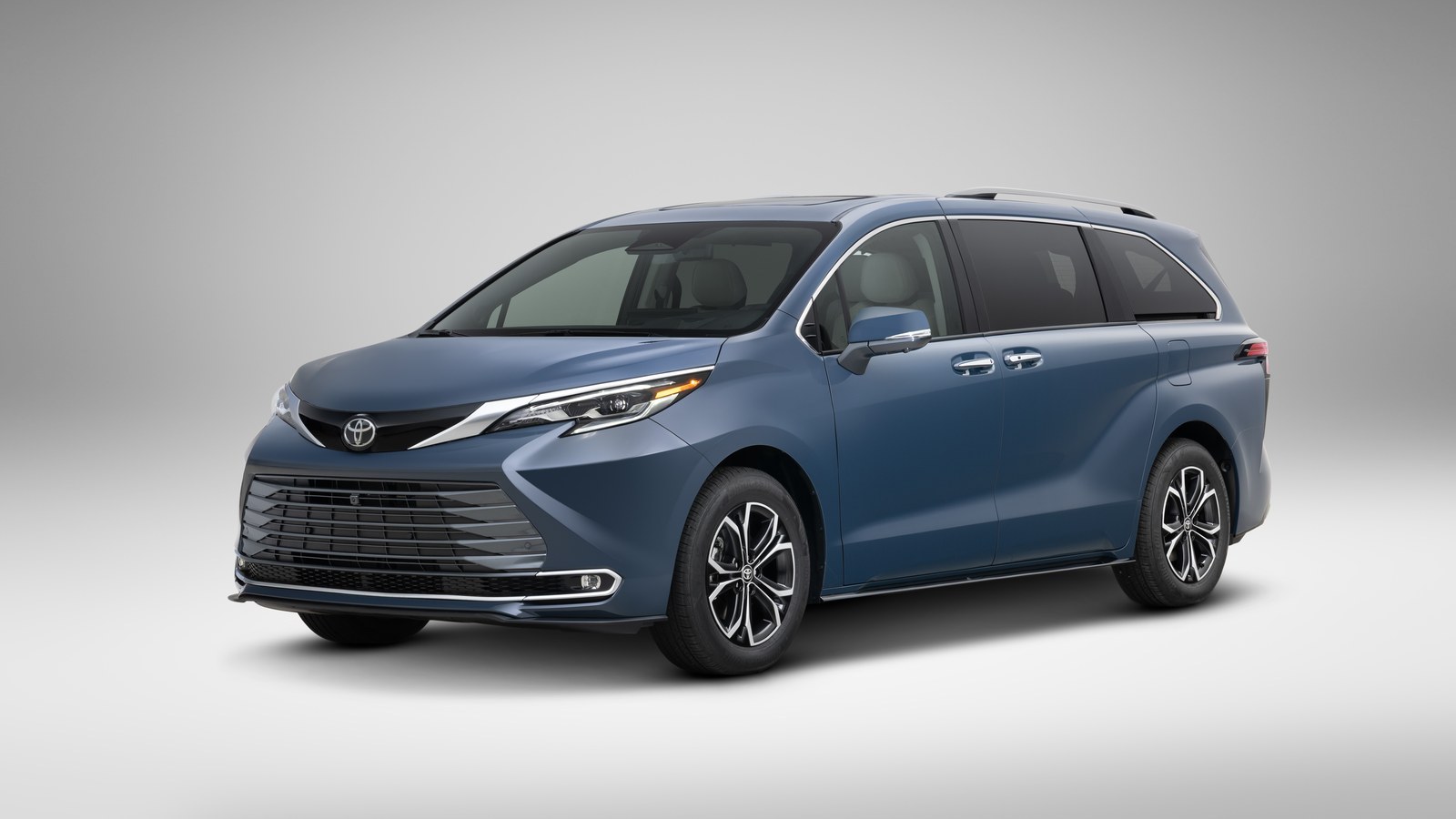
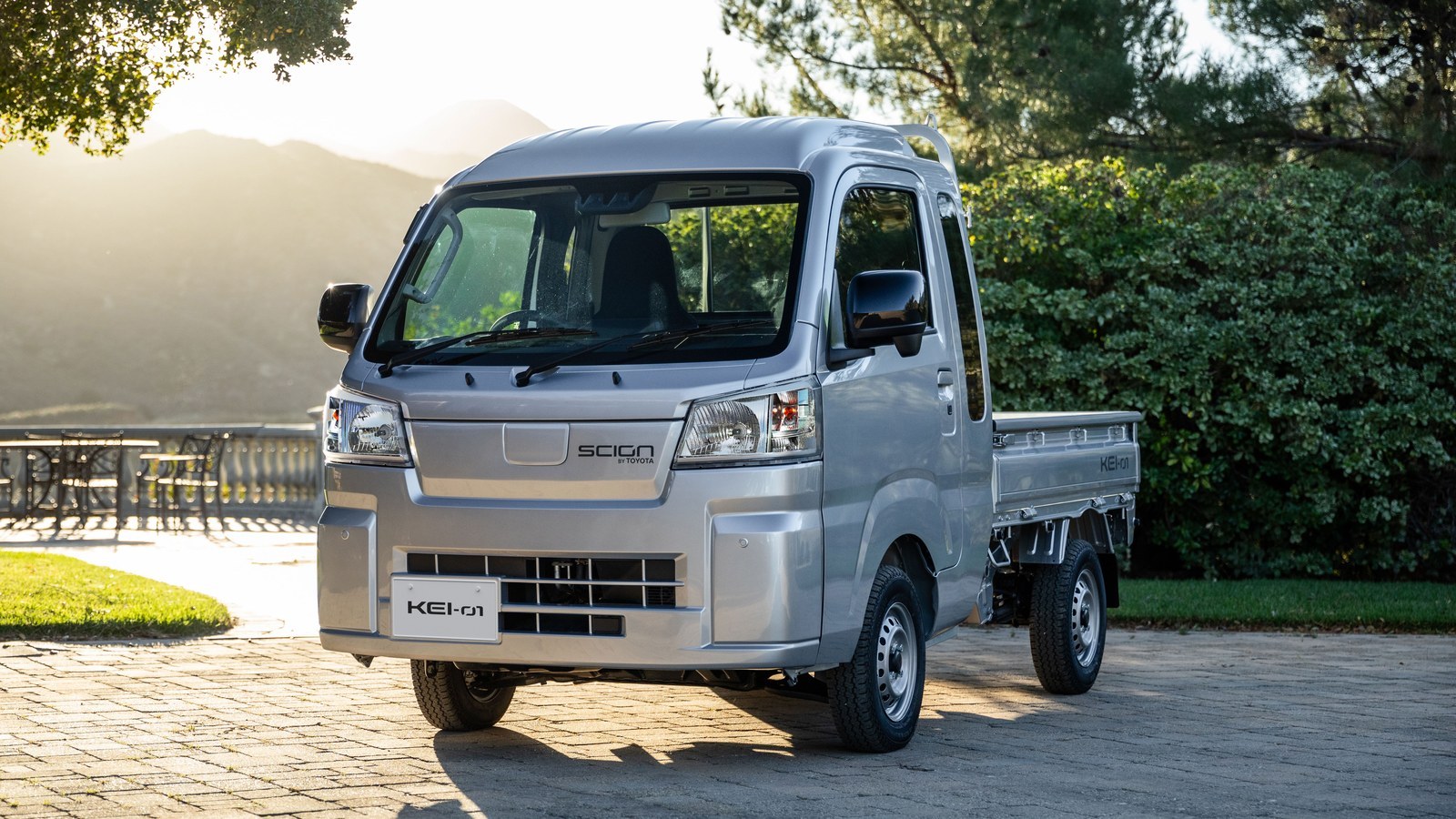
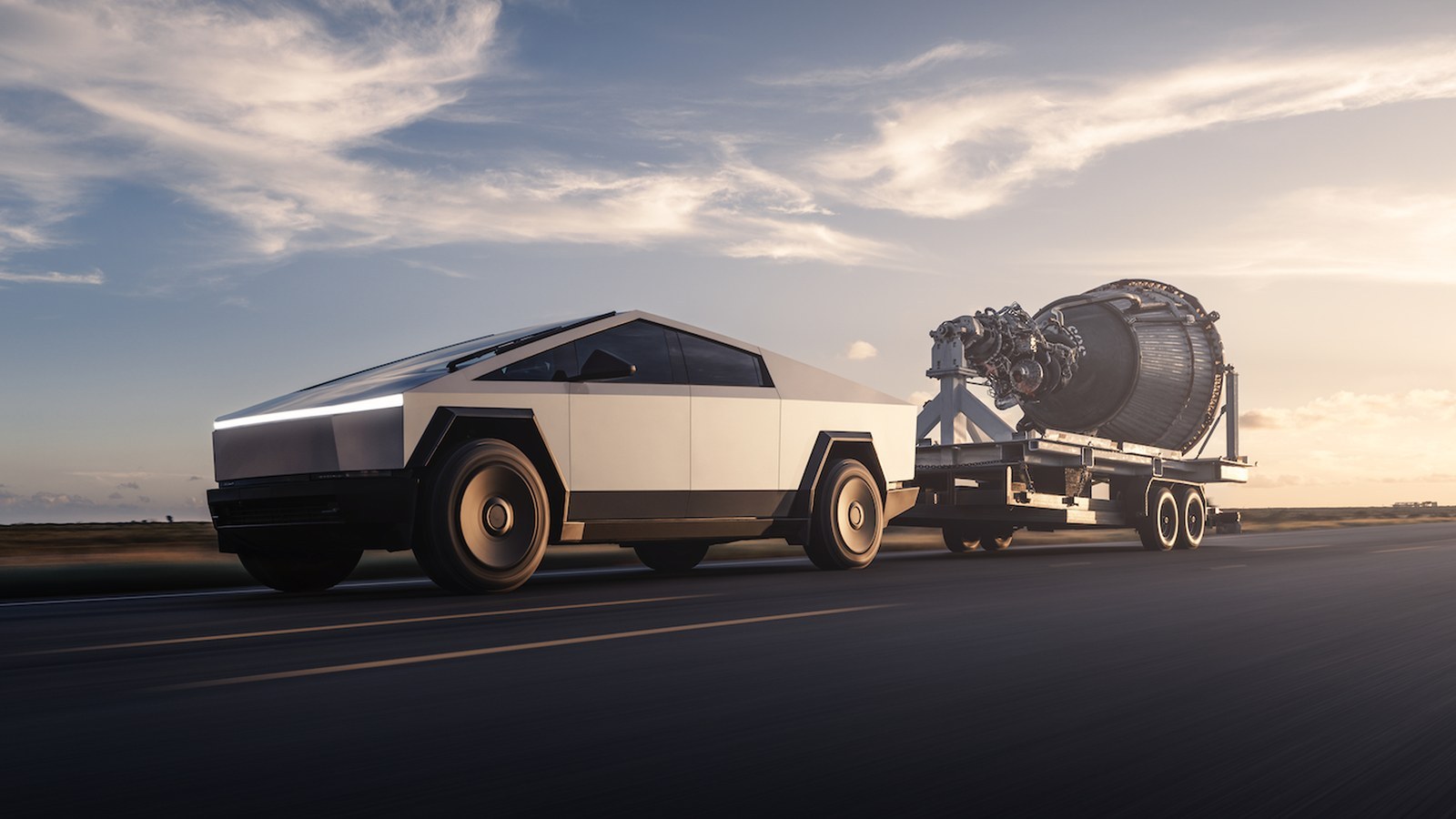
Japan Opened Its Market to American Cars. The First 150 Are Being Raffled Off
Japan's new rule for U.S.-built cars is real, but the first wave is 150 raffled Subarus and a Ford fleet desk, while Americans keep paying the 15% tariff.
Contents · 6 parts
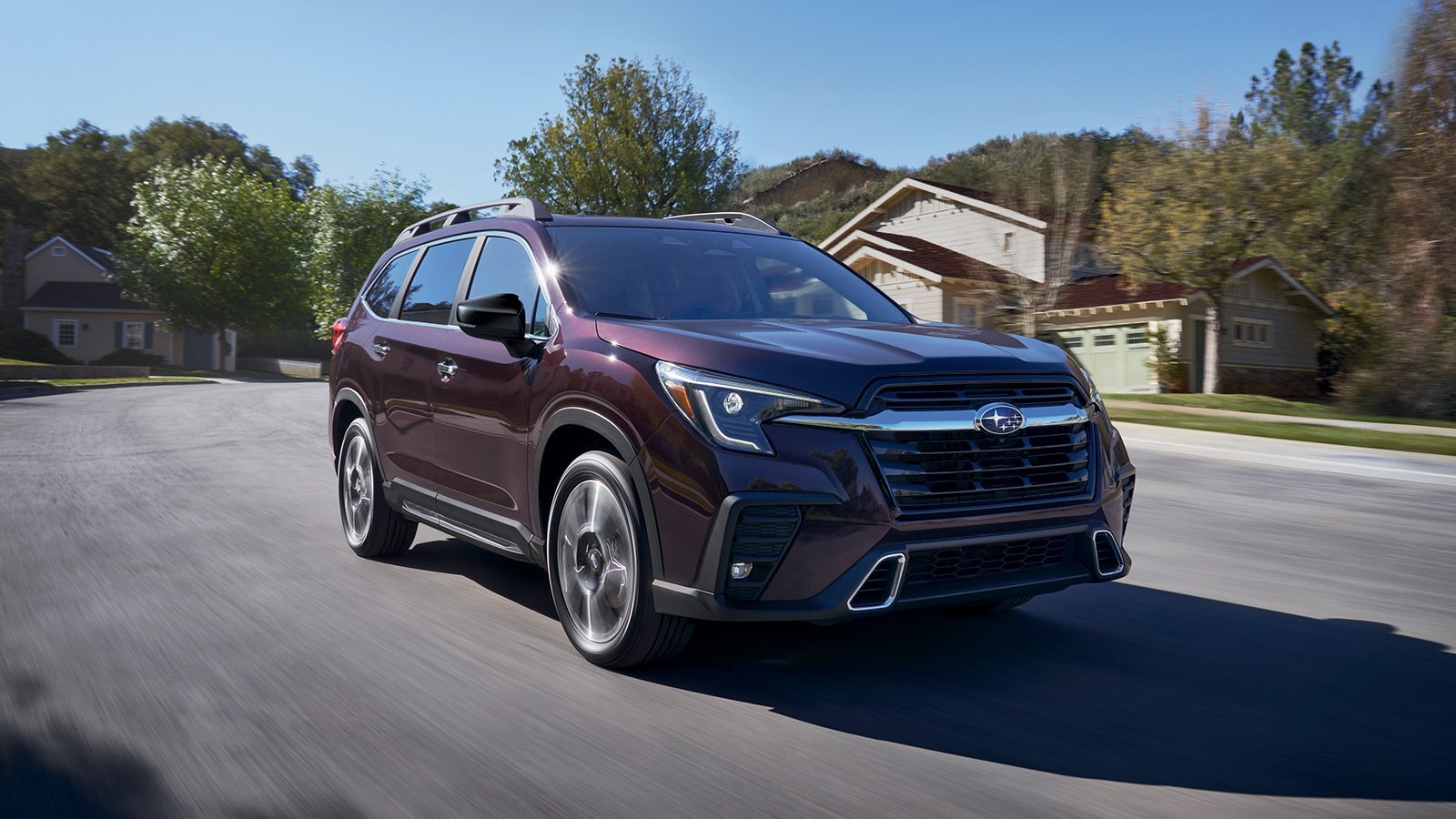
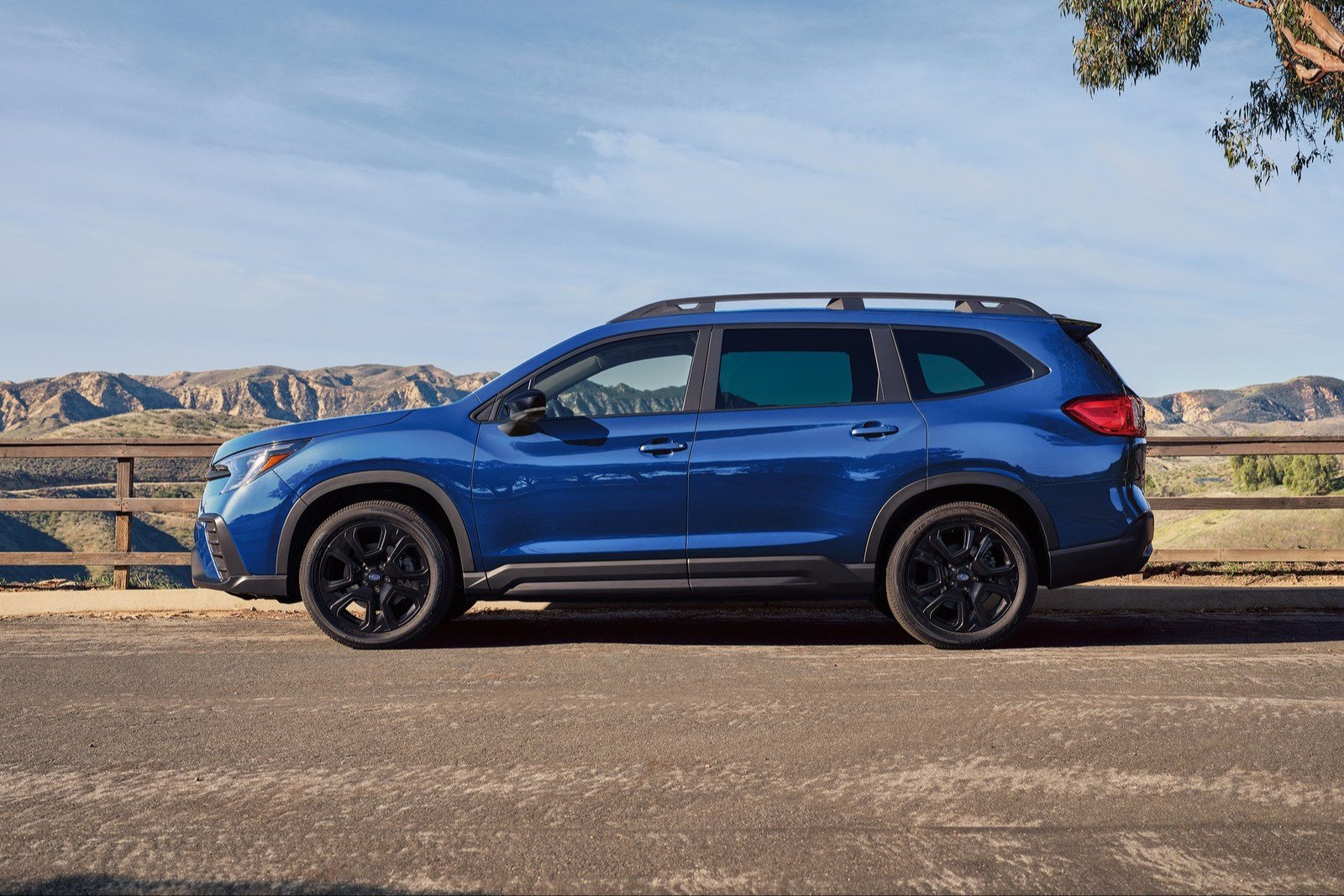
Subaru put 150 Indiana-built Ascents on sale in Japan on November 19, and it is selling them by lottery: entries close November 29, the price is ¥7.7 million, and every car has the steering wheel on the left.
Washington will count this as proof that Japan's car market is finally open. Here's what the headlines miss: the opening is real, but almost nobody is walking through it. The first wave of "American cars" in Japan is mostly Japanese brands shipping their own U.S.-built models home in token numbers. The one American brand in the news isn't using the new rules at all. And the 15% tariff on cars built in Japan keeps showing up on American window stickers.
A new certification route, a lottery and a fleet desk
The legal change came in two steps. In September 2025, the White House said Japan was working to accept U.S.-built, U.S.-safety-certified passenger cars without additional testing, while the U.S. applied a baseline 15% tariff on nearly all Japanese imports, autos included. Japan's transport ministry put the certification system into force in February 2026.
Subaru's Japanese-language release says it used that system for the Ascent. Japan gets one version: the seven-seat Touring with second-row captain's chairs, the 2.4-liter turbo boxer and three colors. The ¥7.7 million price includes Japan's 10% consumption tax. A footnote warns that EyeSight on left-hand-drive cars is designed for right-side traffic and won't perform fully on Japan's left-side roads.
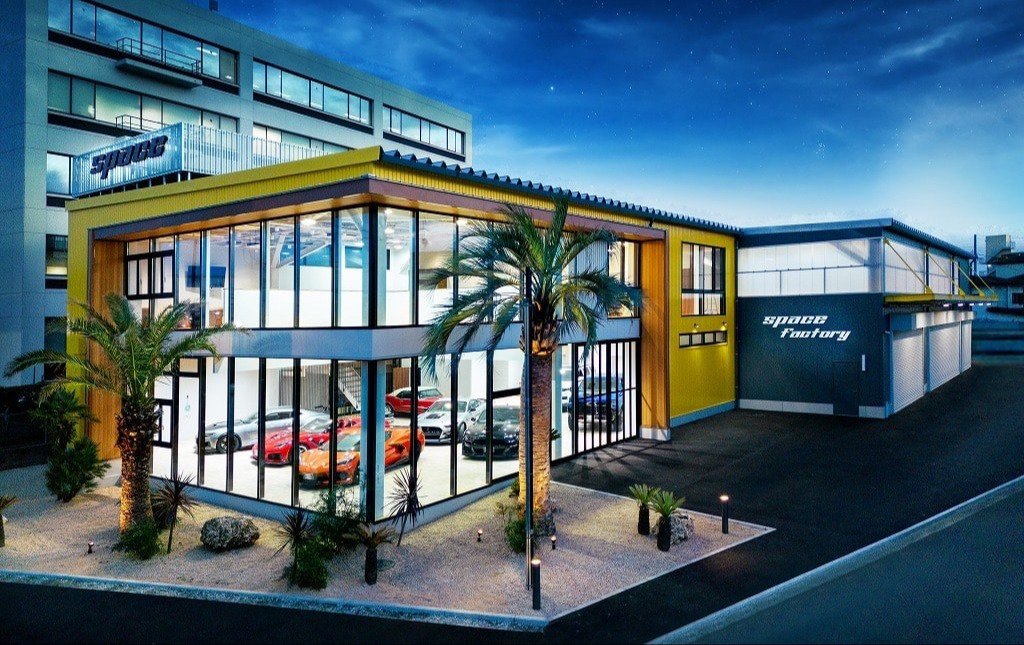
Ford's piece of the story is different. Global Fleet Sales, an RMA Group subsidiary and Ford's global export distributor, appointed Space Factory of Yokohama as its channel partner on November 20. The buyers are ministries, local governments, the Japan Self-Defense Forces and NGOs. The lineup covers the Ranger, Everest, Ranger Super Duty, F-150, F-250 through F-550 and Transit, with "production origin" assessed project by project. The release doesn't mention the trade deal or the new certification route. Two of the seven models, the Everest and the Ranger Super Duty, aren't sold in the U.S. at all. This isn't Ford coming back to Japanese showrooms. It's a specialist fleet channel.
The volumes are a rounding error next to the trade they're meant to balance
Put 150 Ascents next to the Ascent's U.S. business. Subaru of America sold 35,979 Ascents in the first ten months of this year. The Japanese allocation is about 0.4% of that. Toyota, the most committed of the reverse importers, set targets of 80 Tundras and 40 Highlanders a month when it opened sales in Tokyo in April. That's about 1,440 vehicles a year if it hits them.
Now put those numbers against the trade flow they're supposed to balance.
| Vehicles | |
|---|---|
| Japanese vehicles exported to the U.S., 2025 | 1.35 million |
| Toyota exports to the U.S., Jan–Nov 2025 | 560,000 |
| U.S.-built cars imported into Japan, 2025 | 18,624 |
| American-brand cars sold in Japan, 2024 | ~11,400 |
| Toyota Tundra and Highlander, Japan target per year | ~1,440 |
| Subaru Ascent allocation for Japan | 150 |
The export and import totals come from Japanese Finance Ministry data as reported by The Japan Times via Just Auto. The Toyota figure is from Nippon.com's review of Toyota's 2025 sales. The brand totals come from Nippon.com's analysis of 2024 import sales, which counted about 11,400 American-brand cars against roughly 159,500 German ones. Jeep alone accounted for 9,512.
What strikes me is the price. Strip out the consumption tax and Japan's Ascent costs about ¥7.0 million, or roughly $43,800 at mid-November's rate of about ¥160 to the dollar. An American buys the 2027 Ascent Touring at $51,165 before a $1,495 destination fee. The weak yen does a lot of that work. Still, nobody prices a lottery car that way to build a profitable export line. In my view, Subaru is pricing for goodwill, not margin.
The 15% lands on this side of the Pacific
Japan had no tariff on American cars to cut. Its concession was paperwork, and paperwork costs the U.S. buyer nothing. The U.S. side of the deal is a 15% tariff on cars built in Japan, six times the old 2.5% rate. Someone pays it on every Outback and every 4Runner that crosses the Pacific.
Some of that bill sits with the automakers. Toyota kept shipping; its exports to the U.S. reached 560,000 in the first eleven months of 2025, above the 530,000 of all of 2024, even as the tariffs cut into its operating profit. But the 2026 numbers show where the bill is moving. When Toyota's North America business swung back to profit this fall, the company credited "price revisions and the reduced impact of U.S. tariffs," as I wrote in my column on Toyota's North American profit. Subaru moved Outback production from Indiana to Gunma and raised the cheapest Outback from $29,995 to $34,995 for 2026. That jump came with a new generation, so not all of it is tariff, as I explained in the Outback pricing column.
So the American buyer pays in the most direct way possible, at the dealer. In exchange, Japanese buyers get a raffle for 150 three-row SUVs. It's the same pattern I described in the Canadian tariff column: a trade fight that is argued in terms of factories and settled at the price of a family crossover.
The case against my view
The strongest objection is that I'm measuring the wrong thing. The certification barrier is gone for good, and a permanent rule matters more than a first batch. Toyota is already selling the Tundra and Highlander and has promised the Camry. Honda has announced the Passport TrailSport Elite and the Acura Integra Type S. Nissan says the Murano arrives in early 2027. Every one of those cars is built in Indiana, Texas, Kentucky, Alabama, Ohio or Tennessee, so each export supports an American plant. And for Japanese automakers, a 15% tariff beats the 27.5% they paid for months in 2025. A few thousand reverse imports is a cheap way to keep that rate.
I accept most of that. The rule is real, and U.S.-built exports are a good thing. But the objection proves my point about who the deal serves. The opening mainly helps Japanese brands move their own American output, and even if every announced program hits its target, the total stays in the low thousands against 1.35 million cars going the other way. The automakers do get a good price for their trouble. The American buyer of a Japan-built car doesn't.
What would change my mind
First, the 2026 import data. Japan imported 18,624 U.S.-built cars in 2025. If the full-year 2026 figure, due in early 2027, comes in well above 30,000, the new route is doing real work, and I'd call this more than symbolic.
Second, Subaru's next move. If the Ascent becomes a regular catalog model in Japan instead of a one-off lottery, or if a second allocation follows in 2027, the "token" label stops fitting.
Third, an American brand at retail. If Ford, GM or Stellantis uses the new certification route to put a U.S.-built model in Japanese showrooms for private buyers, the opening reaches the companies it was sold to help.
My read
Japan opened the door, and the first ones through it are Toyota and Subaru carrying their own American-built cars in very small numbers. Ford's entry is a fleet desk for ministries and the military, not a showroom. The concession is real, but it's small, while the 15% bill is large and paid every day by people buying cars built in Japan. Until the import numbers move, I'd treat 150 raffled Ascents as a receipt for the trade deal, not proof that it pays off for American drivers.