Toyota's 2027 Sienna Gains 3 MPG in Town and Loses One on the Highway
Against EPA's 2026 ratings, the new hybrid adds one mpg combined and loses one on the highway. The real upgrades are safety and screens; the price will decide the deal.
Contents · 7 parts
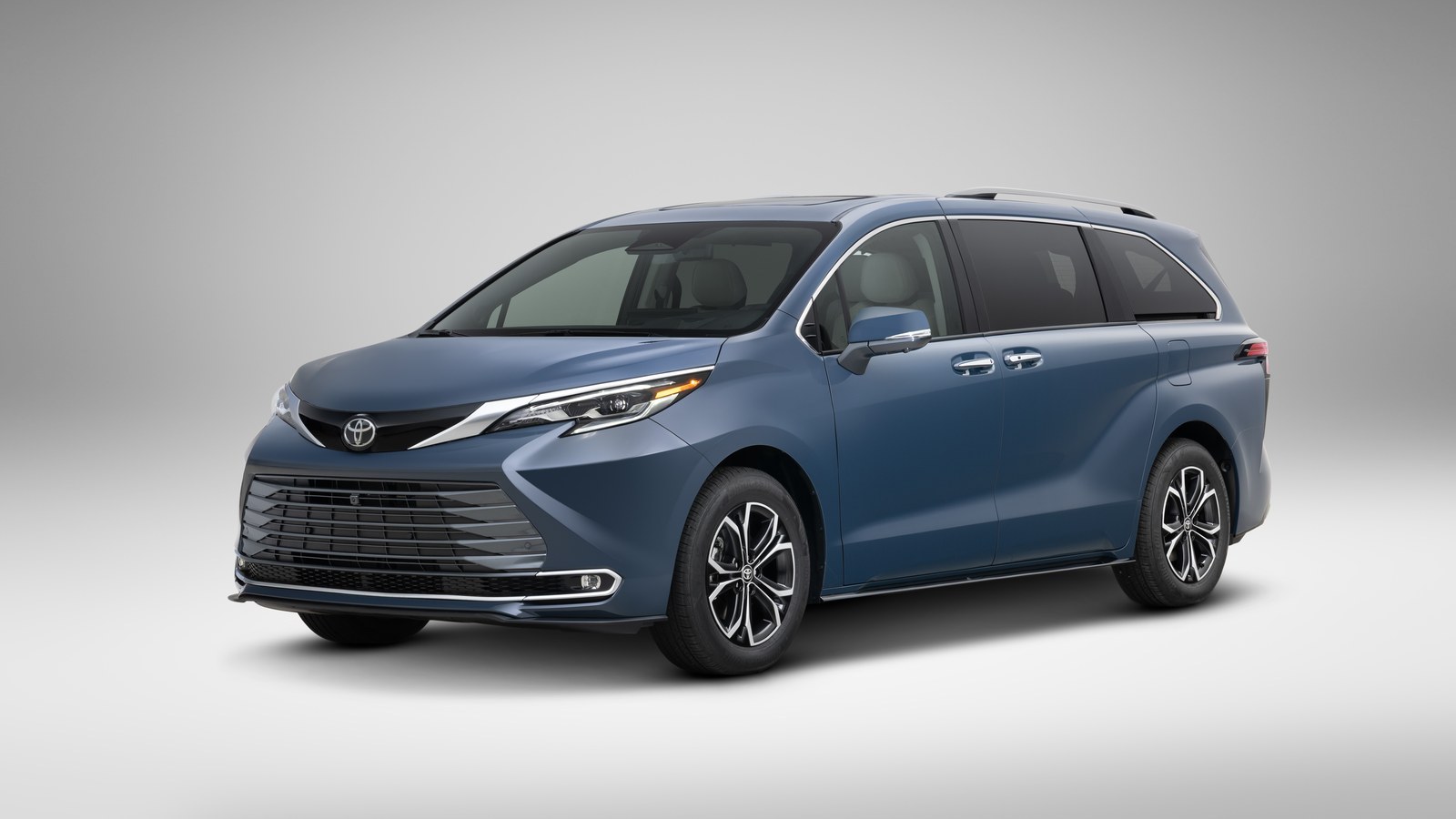
Toyota revealed the 2027 Sienna today with its sixth-generation hybrid system, 251 hp instead of 245, and a manufacturer-estimated 39 mpg in the city: up three for front-wheel drive and four for all-wheel drive.
Here's what the headline misses. Almost all of that gain sits in the city column. Put Toyota's estimate next to EPA's own 2026 ratings and the front-drive Sienna gains one mpg combined and loses one on the highway. I think the 2027 is a solid safety and technology catch-up wearing a fuel-economy badge, and whether it's a good deal will be decided by a price Toyota hasn't published, on a lineup that just lost its Limited trim.
The real upgrade is safety and screens, not fuel
According to Toyota's announcement, the Sienna moves to THS 6, with new silicon-carbide electric motors, a 1.15-kWh lithium-ion battery and a retuned 2.5-liter engine. Toyota quotes 39/35/37 mpg city/highway/combined for both FWD and AWD, and 0–60 mph in 7.5 seconds for FWD, down from 7.9. Those are manufacturer estimates, not EPA ratings.
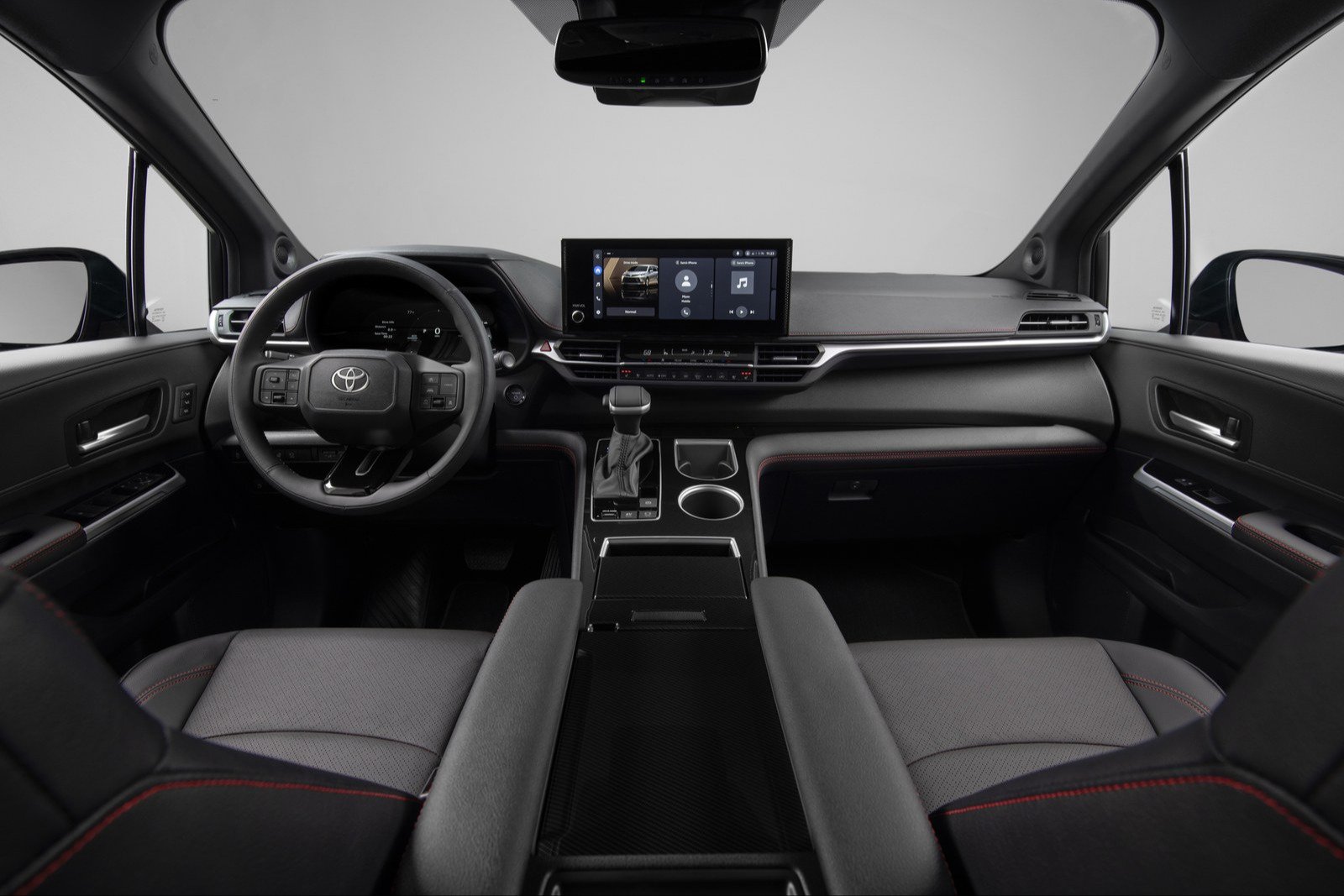
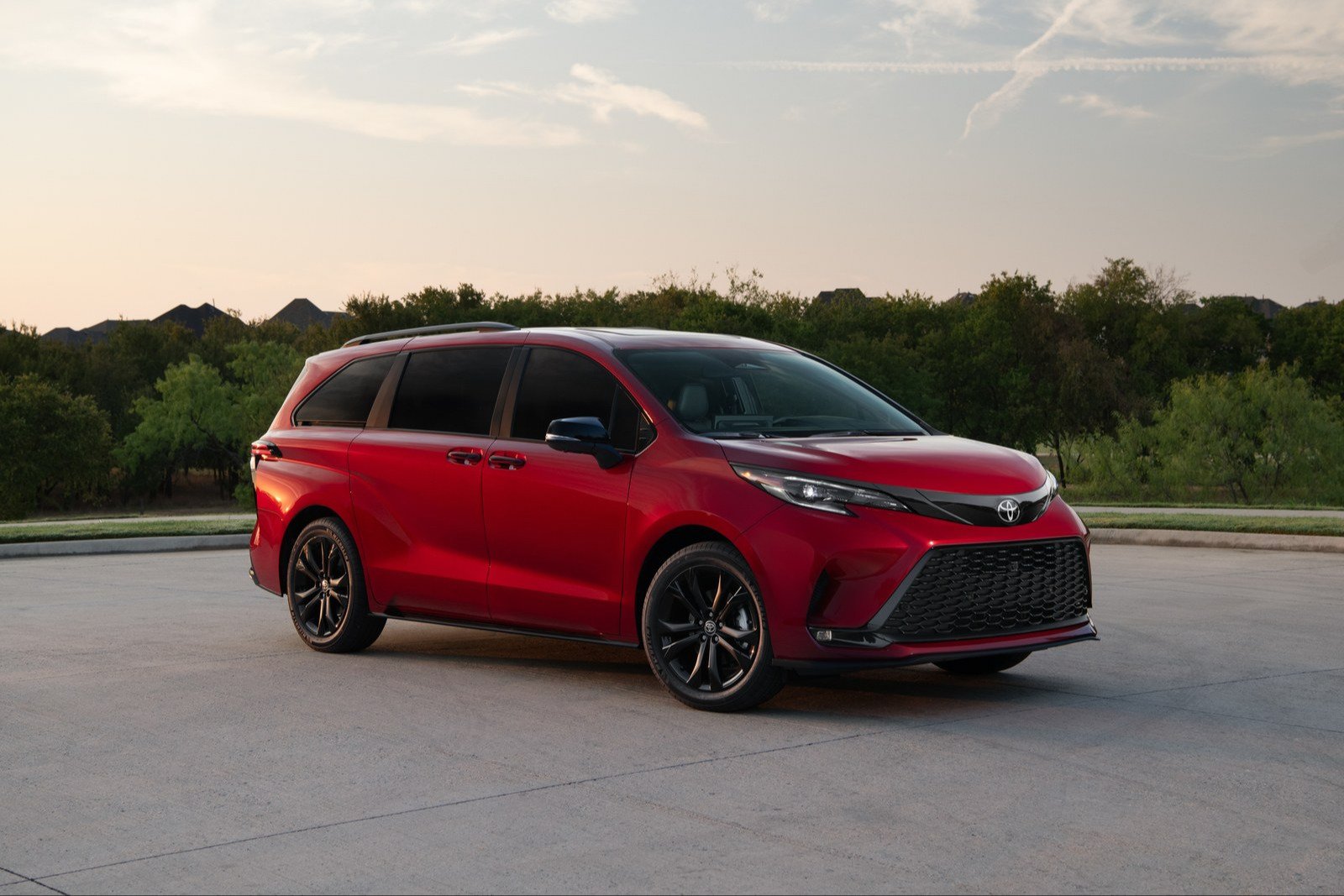
The longer list is elsewhere. A new electrical platform brings Toyota Safety Sense 4.0, which the company has so far put on the 2026 RAV4 and the 2027 Tundra and Sequoia, with features such as Safe Exit Assist and an emergency stop system. Every grade now gets a 12.3-inch touchscreen and a 12.3-inch digital cluster; the 2026 LE made do with an 8-inch screen, and the LE and XLE with a 7-inch display. A dash cam is standard. Steering and brake hardware are new. Vans built in Princeton, Indiana, reach dealers by early 2027. Pricing comes "at a later date."
Three mpg in town becomes one on the number that sets your fuel bill
EPA rates the 2026 Sienna at 36/36/36 mpg with front-wheel drive and 35/36/35 with all-wheel drive. Here is how Toyota's 2027 estimate lines up.
| 2026 FWD (EPA) | 2027 FWD (Toyota est.) | 2026 AWD (EPA) | 2027 AWD (Toyota est.) | |
|---|---|---|---|---|
| City, mpg | 36 | 39 | 35 | 39 |
| Highway, mpg | 36 | 35 | 36 | 35 |
| Combined, mpg | 36 | 37 | 35 | 37 |
| System output, hp | 245 | 251 | 245 | 251 |
| Fuel used per 15,000 miles, gal | 417 | 405 | 429 | 405 |
Combined is the figure that drives EPA's annual fuel-cost estimate, and it weights city driving at 55% and highway at 45%. On that number the FWD Sienna improves by one mpg and the AWD by two. On the highway both go backward by one. Toyota doesn't explain the highway drop, and I won't guess at gearing or weight.
Now the money. At 15,000 miles a year, the FWD van saves about 11 gallons. EPA puts the 2026 FWD's annual fuel cost at $1,650, which implies roughly $4 a gallon, so the saving is about $45 a year. The AWD saves about 23 gallons, or roughly $90. A family whose miles are mostly interstate trips to see the grandparents could break even or burn slightly more.
The Sienna didn't need more mpg to win
This is the part that makes me skeptical of the fuel pitch. The Sienna already leads its class by a wide margin. EPA rates the 2026 Honda Odyssey at 22 mpg combined and the Kia Carnival Hybrid at 32. Toyota sold 101,486 Siennas in the U.S. in 2025, up 35%, according to its year-end sales report. And Toyota has made the hybrid the default rather than the option across more of its family lineup, a shift I covered in our look at the $4-gas hybrid boom.
So the 2027 update isn't a response to a rival out-economizing the Sienna. The way I see it, Toyota is rolling TSS 4.0 and its newest hybrid and brake hardware through the lineup, starting with the 2026 RAV4, and the minivan's turn came up. That's a reasonable product decision. The question is who pays for it.
The price Toyota left out is the one that matters
The 2026 Sienna LE launched at $40,120 before destination, as J.D. Power reported at the time. Toyota's consumer site now lists it at $41,320. That's $1,200 added within a single model year, before the new hardware arrives. It fits a pattern: Toyota's North American profit recovery this year came largely from pricing, as I wrote after its last quarterly report.
The trim lineup tells the same story. Today's ladder runs XSE at $49,245, Limited at $52,005, Woodland at $52,100 and Platinum at $58,710. For 2027, Toyota moves ventilated front seats, seat memory, a head-up display and the panoramic camera into the XSE and drops the Limited. That's simpler for dealers. My bet is that the XSE's price drifts toward where the Limited sat, and the cheapest path to those features doesn't get cheaper.
Put the two numbers side by side. If the LE goes up another $1,000, a FWD buyer needs about 22 years of combined-cycle fuel savings to earn it back. That isn't a reason to skip the van. It's a reason not to buy it for the fuel savings.
The case against my view
The strongest objection is that minivans live in town. School runs, grocery stops and traffic look more like EPA's city cycle than its combined figure. A van driven almost entirely in town would gain the full three or four mpg: about 32 gallons a year for FWD and 44 for AWD, or roughly $130 to $175. The hardware is real, too. Safe Exit Assist is designed to warn before someone opens a door into approaching traffic, which is a daily risk with kids in the back. A lithium-ion battery, quicker acceleration and a 12.3-inch screen on the base trim aren't cosmetic.
I accept most of that. It's exactly why I'd sell the 2027 as a safety and tech upgrade rather than a fuel saver. Even the all-city best case is smaller each year than the $1,200 the 2026 LE gained in one model year. And a city figure from the manufacturer is still not an EPA label.
What would change my mind
If EPA's rating for the 2027 Sienna, which should appear on fueleconomy.gov before vans reach dealers in early 2027, comes in at 38 mpg combined or better, or keeps the highway figure at 36, the fuel case becomes much stronger than Toyota's own estimate suggests.
If Toyota's 2027 price sheet keeps the LE within a few hundred dollars of today's $41,320 and puts the upgraded XSE closer to the current XSE's $49,245 than to the Limited's $52,005, the trim cut is a real value move, and I was wrong about who pays.
My read
The 2027 Sienna is a better minivan: safer, quicker, with proper screens on the cheapest trim. It is not meaningfully cheaper to run unless nearly all of your miles are in town. Wait for the EPA label and the price sheet before trading a 2026 for one, and if the price climbs, a discounted 2026 is the smarter fuel buy.