Scion Is Back With a 25-MPH Truck, and That Tells You Exactly Who It's Not For
Toyota revived Scion with a kei truck capped at 25 mph. It is a legal stand-in for gray-market imports on farms and campuses, not the cheap pickup buyers want.
Contents · 6 parts
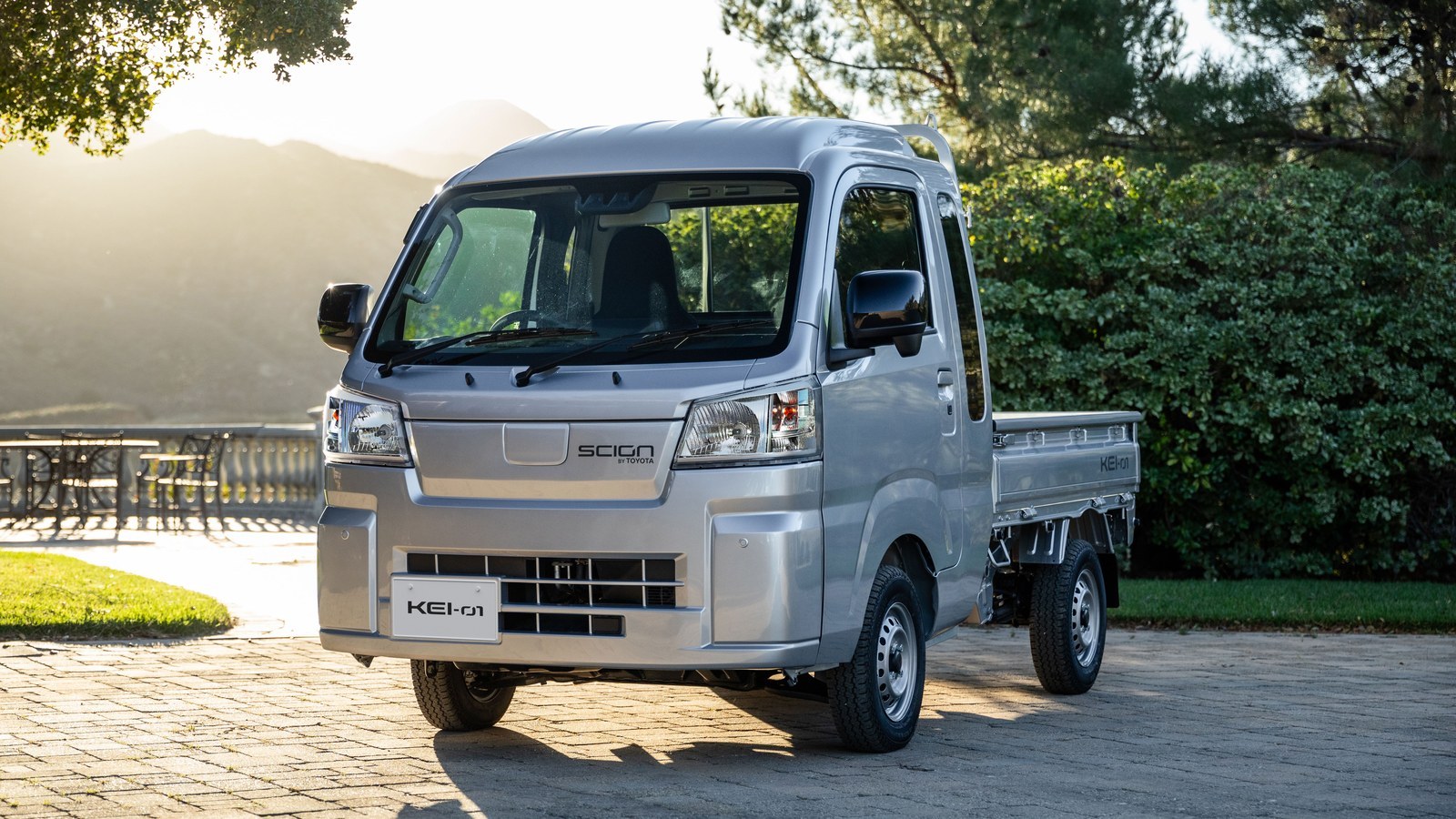
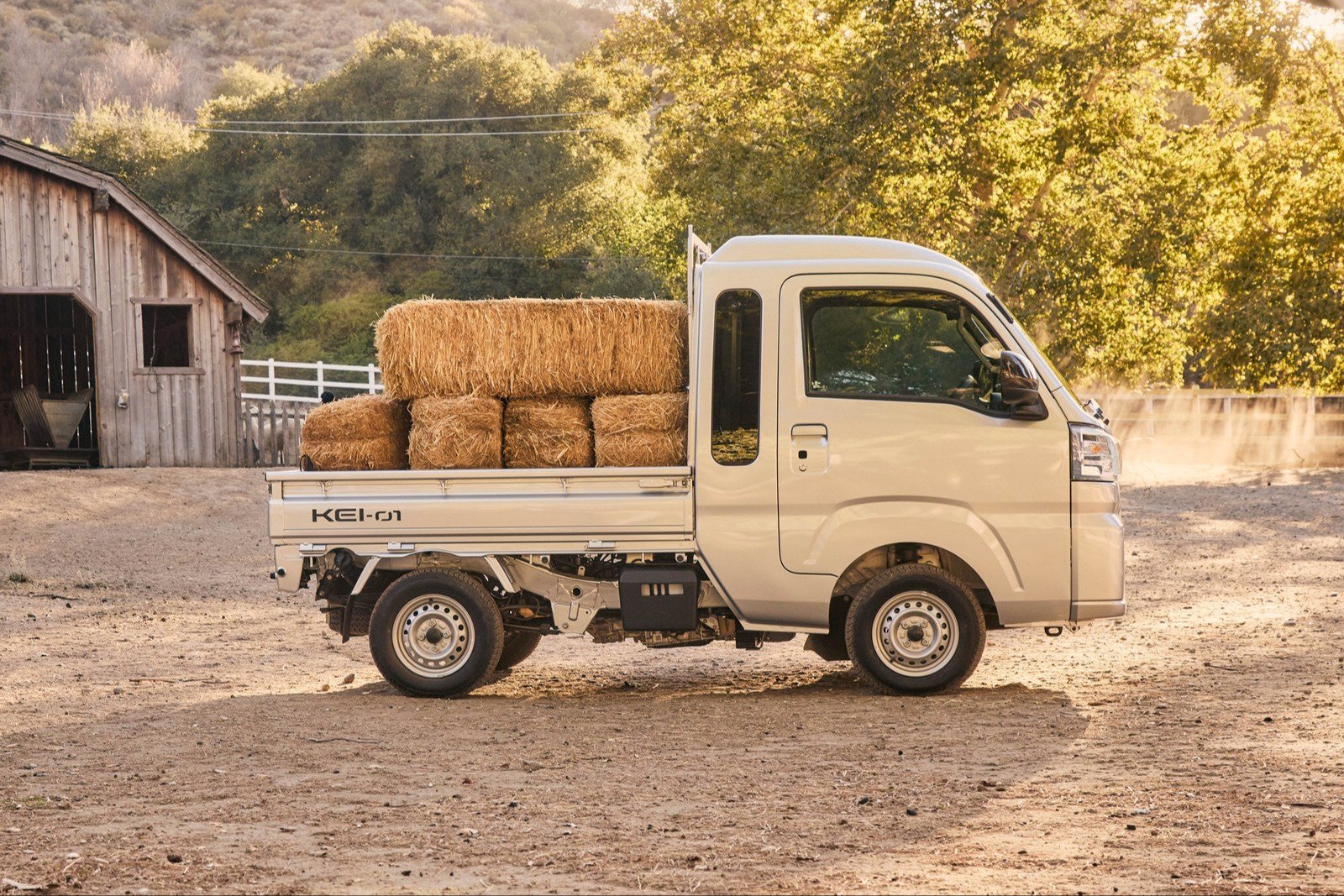
Toyota is bringing back Scion, and the first vehicle under the revived badge cannot legally go faster than 25 mph. The KEI-01 is a 660cc, right-hand-drive kei truck that arrives in the second half of 2027. It will be assembled in Indiana and sold first to fleets.
Most of the coverage reads this as Toyota finally answering America's appetite for small, cheap trucks. I read it the other way. The KEI-01 is a factory-built, federally legal version of the gray-market kei trucks that farms and campuses already import from Japan. It is not the affordable pickup ordinary buyers keep asking for, and nothing in Toyota's announcement says it is meant to be.
A real truck with a hard ceiling
Toyota Motor North America introduced Scion by Toyota on November 9 at simultaneous events in Michigan and Texas. According to Toyota's launch release, the KEI-01 pairs a three-cylinder 660cc engine with a CVT and selectable four-wheel drive. It is just over 11 feet long and under 5 feet wide, carries up to 600 lb in a three-way fold-down bed, and has an enclosed cab with heat and air conditioning. It is designed to comply with FMVSS No. 500, the federal standard for low-speed vehicles, and its maximum speed will be 25 mph.
Toyota calls it an "intentionally low-volume, niche vehicle." Sales start as a fleet pilot through a small group of Scion by Toyota dealers picked from existing Toyota stores. Limited retail sales are something the company may consider later, depending on demand. There is no price. Production at Toyota Indiana is backed by a $34 million investment and about 50 new jobs. Two concepts round out the brand: the SxS, a hybrid side-by-side with more than 300 hp first shown at SEMA 2025, and the BKE, which Toyota describes only in broad terms.
Why 25 mph tells you who the customer is
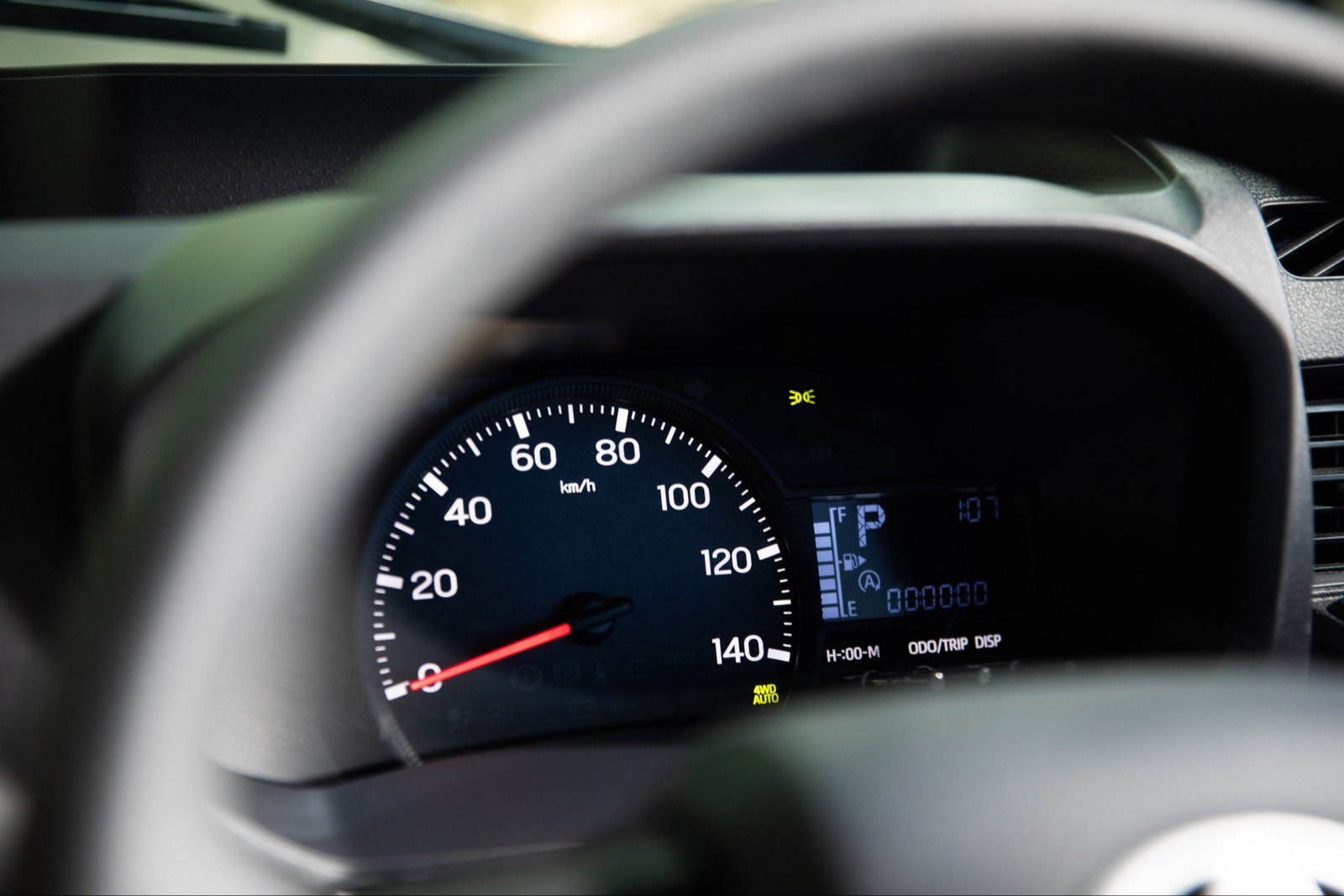
The low-speed vehicle rule is short. FMVSS No. 500 asks for lights, reflectors, mirrors, a parking brake, a proper windshield, seat belts, rear visibility, a pedestrian alert sound, and a top speed of no more than 25 mph. That is the rulebook for neighborhood electric carts and campus shuttles, not for pickups. In my view, choosing it is the whole strategy: it is the fastest legal route to selling a new kei truck in America without re-engineering it to the full set of standards a Tacoma has to meet. Where an LSV may actually drive is then up to each state.
Now look at who already buys kei trucks here. Federal law lets vehicles 25 years or older into the country without meeting U.S. safety standards, which is how used Japanese mini trucks ended up on American farms, ranches, and campuses. Registering them on public roads has been a state-by-state fight. Texas needed a 2025 law, Senate Bill 1816, signed in June, just to spell out the titling, registration, and operation of a miniature vehicle.
Toyota's own list of target customers maps onto that crowd almost exactly: small businesses, farmers and ranchers, municipalities, universities and corporate campuses, urban delivery and service operators, and hobbyists. What the KEI-01 offers them is something the import trade cannot. It is a new vehicle built to a federal standard and sold through a Toyota dealer, rather than a 25-year-old truck with a stack of paperwork. That is a real product with real buyers. They just aren't the buyers priced out of a new pickup.
The hole at the bottom of the market is still there
Here is what Americans actually pay. Kelley Blue Book's October transaction-price tables put the average full-size pickup at $67,912 and the average small or midsize pickup at $43,891. The number that strikes me most is the subcompact car: up 49.5% in a year, to $38,423.
| October 2026 | October 2025 | Change | |
|---|---|---|---|
| Full-size pickup | $67,912 | $66,967 | +1.4% |
| Small/midsize pickup | $43,891 | $43,965 | −0.2% |
| Subcompact car | $38,423 | $25,707 | +49.5% |
| Industry average | $51,109 | $50,055 | +2.1% |
I don't think small cars got 49.5% better in twelve months. The way I see it, the cheapest ones left the segment, and the average jumped because what remains is pricier. That is the gap a revived entry brand could have aimed at. Toyota itself has been earning more in North America through pricing, as its latest quarter showed, so it has little reason to chase the bottom with a cheap road vehicle.
The name matters here. Toyota created Scion in 2003 as a laboratory to bring younger buyers into the company, and it sold 1,092,675 cars before Toyota folded it back into the Toyota brand in 2016. Its peak was 173,034 sales in 2006. For a generation, Scion meant an inexpensive, customizable first new car. The badge now returns on a vehicle that tops out at 25 mph.
The case against my view
The strongest objection is that I am grading the KEI-01 on a test Toyota never signed up for. The company calls it a niche fleet pilot, says nothing about cheap trucks for consumers, and frames the new Scion as an experiment, which is exactly what the original Scion was. Seen that way, $34 million and about 50 jobs is a small bet that buys a lot: a new sales channel, a brand to try things under, and hard data on whether Americans will pay for a kei truck. The SxS concept, with more than 300 hp, shows the lab is not only about utility.
I accept almost all of that, and it is my point. The KEI-01 is a sensible business, and judged as a fleet tool it may do well. My objection is to what Toyota chose to put in the lab first. The 25 mph cap is a regulatory choice, not a limit of the truck: in Japan, kei trucks are ordinary road vehicles. Toyota had a revived youth brand, a dealer network, and an Indiana line, and it used them to legalize a campus utility vehicle. The cheap cars America doesn't get stay on the other side of the ocean.
What would change my mind
If Toyota announces open retail sales of the KEI-01 by its 2027 launch, at a price well below the $43,891 average small pickup, I will concede that Scion is aiming at ordinary buyers after all, even at 25 mph.
If Scion by Toyota confirms a second production model before the end of 2027 that can legally travel at highway speed and costs less than a typical new car, the KEI-01 will look like a first step rather than the whole idea.
And if Toyota says it is developing a version of the KEI-01 certified to the full federal standards, without the speed cap, my reading of this as a compliance product for the gray-market crowd would be wrong.
My read
Scion is back as a legal, factory-built answer to the kei trucks Americans already import, not as an answer to $67,912 pickups. For $34 million, that is a smart move, and I expect the fleet pilot to find customers on farms and campuses. But the empty space at the bottom of the market stays empty, and the badge that once meant a first new car now comes with a 25 mph ceiling.