Honda's Hotter Civic Type R Says the Gas Hot Hatch Isn't Dying — It's Thinning Out
Honda is developing a hotter Civic Type R for America as rivals retreat. The last gas hot hatches are gaining pricing power, and the hybrid-heavy Civic pays for the halo.
Contents · 7 parts
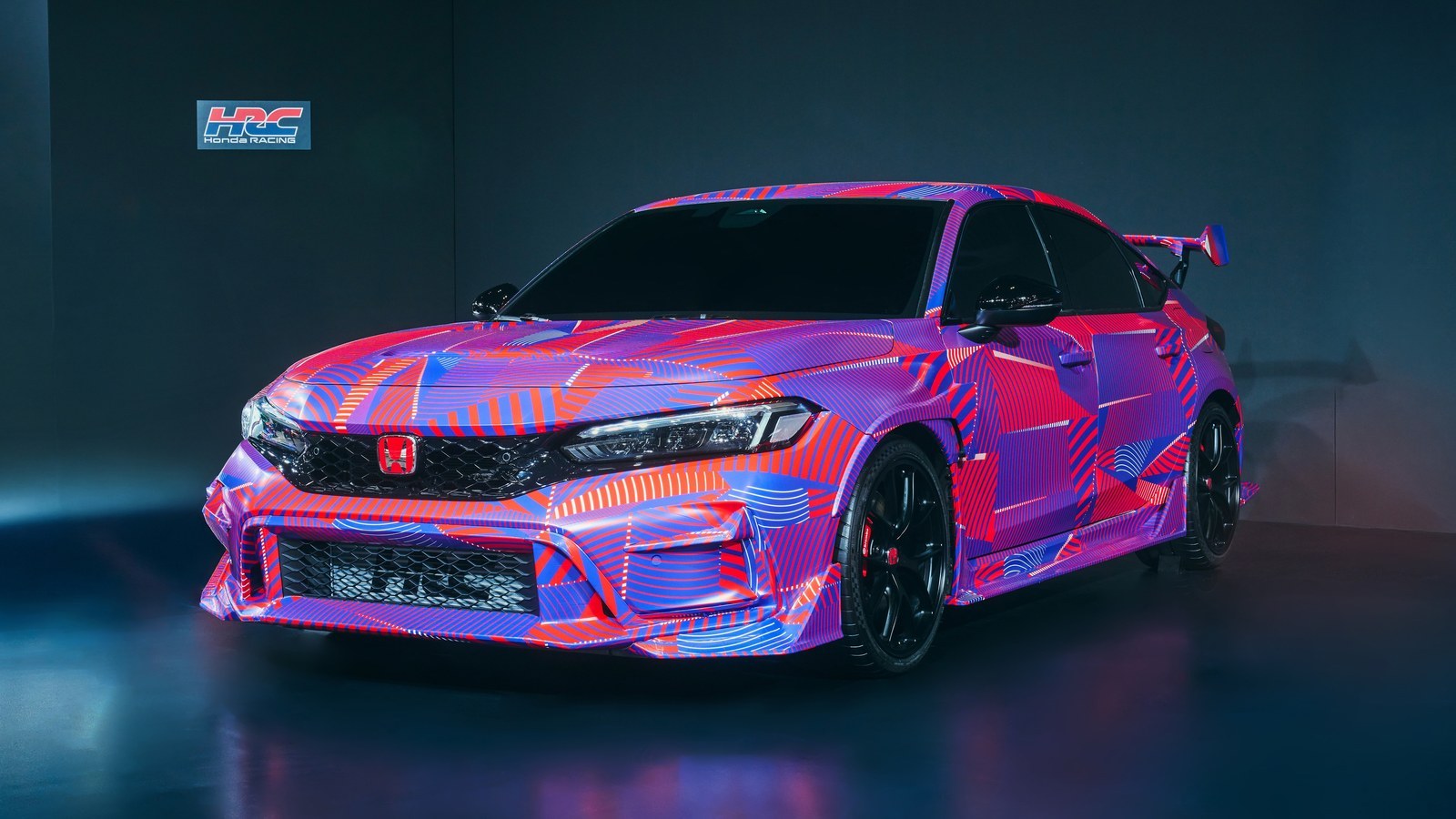
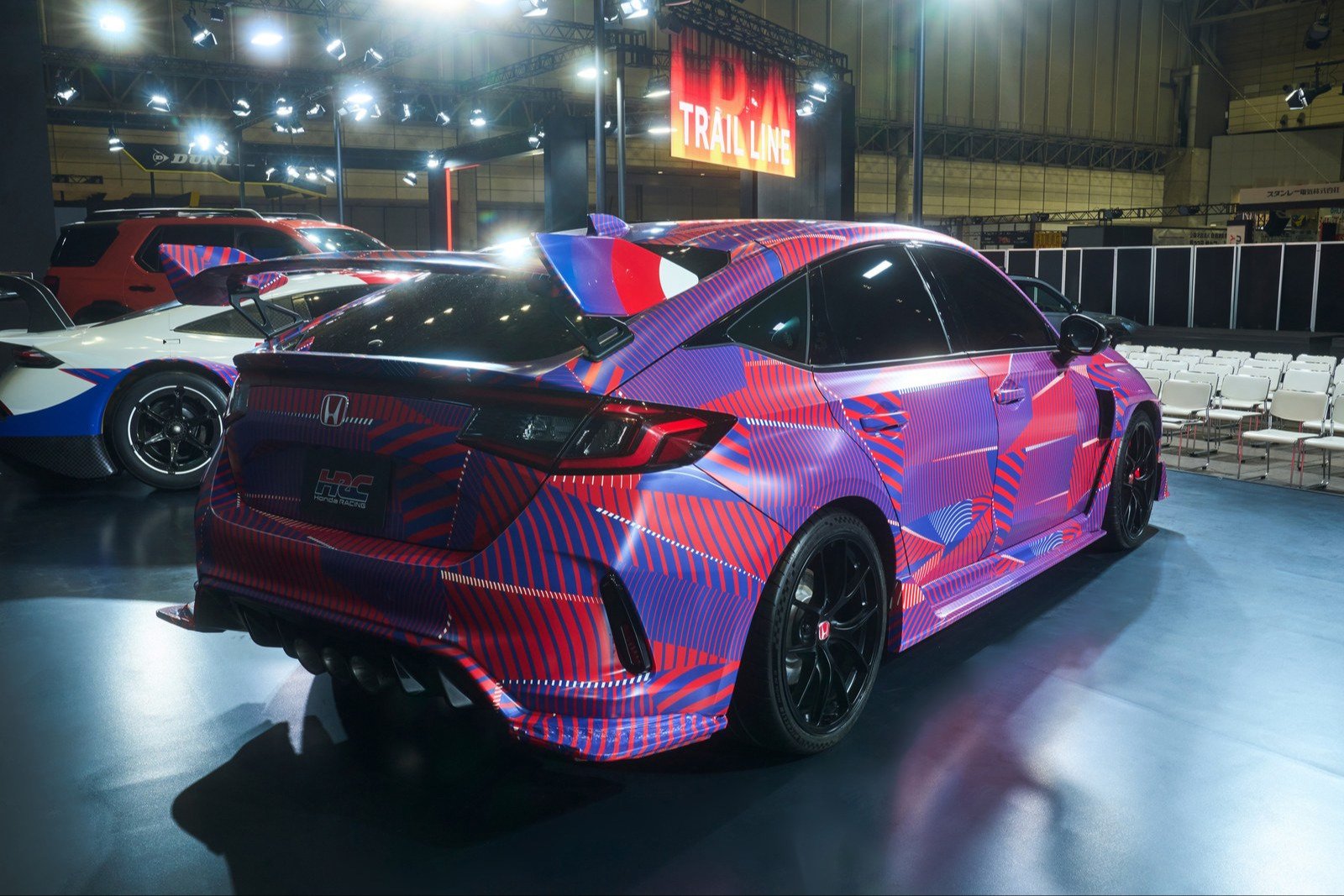
Honda said on October 30 that the Civic Type R HRC Concept is now in development for the U.S. market, days before it goes on display at the SEMA Show in Las Vegas. On the same news cycle, Volkswagen confirmed it has paused development of the electric ID.Golf because, in its brand chief's words, it simply cannot afford the work right now.
Most coverage treats the Honda news as a gift to enthusiasts. Here's what the headlines miss: I think the gas hot hatch isn't dying, it's thinning out. When a segment shrinks to two or three serious players, the survivors gain pricing power, and the HRC car is Honda cashing in on that. The cheap Civic and its hybrids pay for the showroom.
A concept with a production label, but no price or date
The facts are thin, and they matter. In its SEMA announcement, Honda Racing Corporation USA says the car, first shown at Tokyo Auto Salon in January, is being developed with HRC technology and input from its race drivers, and that Honda has confirmed it for the U.S. Honda gave no timing, no price, and no power figure. The concept still wears camouflage.
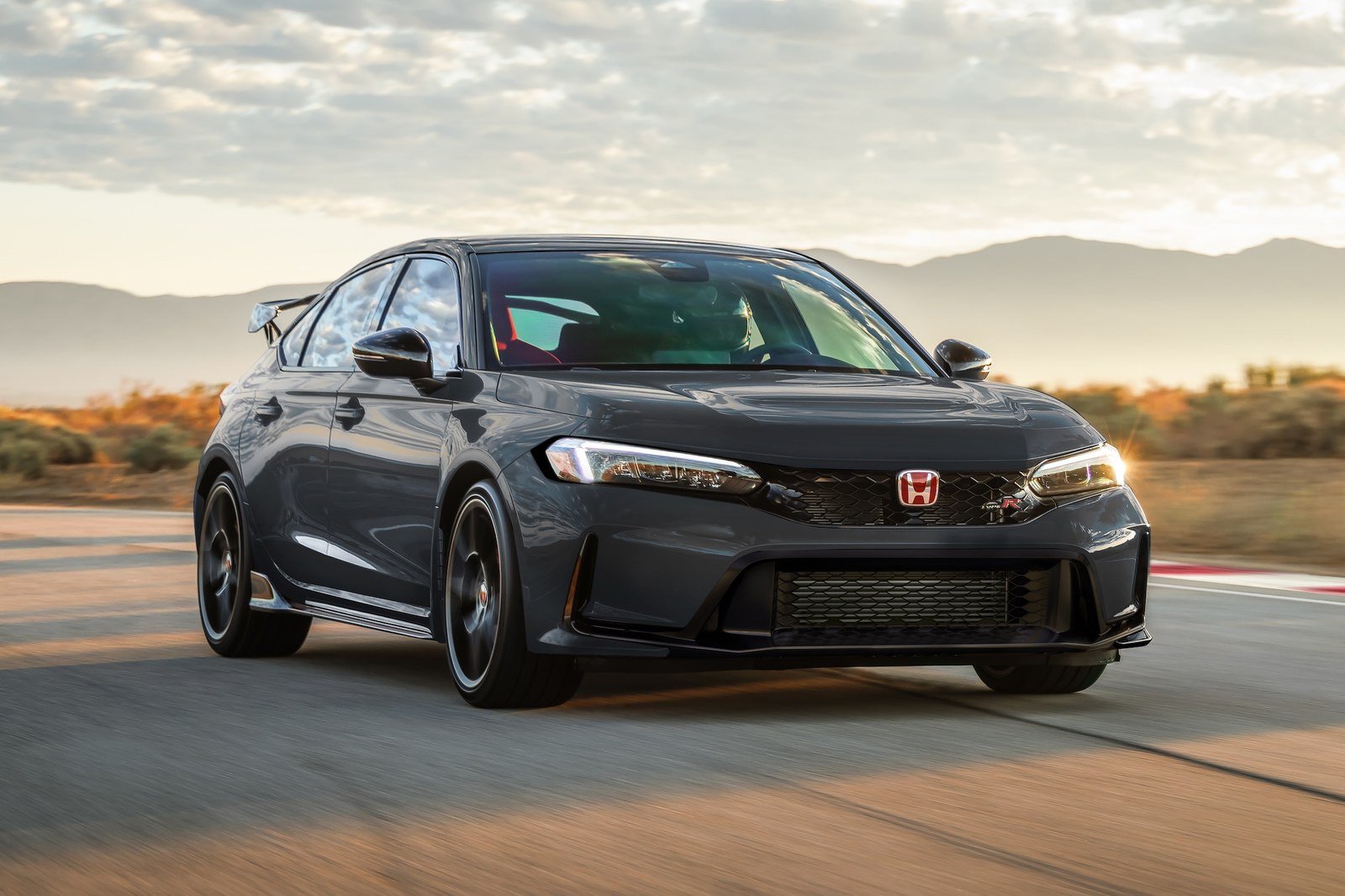
The regular car it builds on just got its own update. The 2027 Civic Type R keeps its 315-hp turbocharged 2.0-liter, front-wheel drive and a six-speed manual as the only transmission, gains heated seats and Google built-in, and starts at $48,695 before a $1,295 destination charge. Honda calls it the best-selling hot hatch in America.
Why the field keeps getting smaller
Look at who is still standing. Volkswagen stopped offering a manual on the GTI and Golf R for 2025, and Motor1 reported this year that VW has now dropped the stick from its U.S. lineup entirely. In Europe, Carscoops notes, tightening emissions rules have already ended Type R sales. Toyota's GR Corolla is the closest rival left, and Toyota answered the same shrinking market by going up, not down.
That is the pattern I keep coming back to. When rivals leave, the ones who stay don't have to compete on price. They compete on scarcity, motorsport credibility and the promise that this might be the last of its kind. A hotter, track-focused Type R is the logical product for a market that has fewer choices every year and buyers who know it.
The price ladder Honda is climbing
The numbers show how far the top of the hot hatch market has moved away from the cars it is built on. All figures below include destination, which is how buyers actually see them.
| Price with destination | Source | |
|---|---|---|
| 2027 Civic LX sedan | $26,290 | Honda |
| 2027 Civic Sport Hybrid sedan | $30,990 | Honda |
| 2027 Civic Type R | $49,990 | Honda |
| GRMN Corolla (730 units worldwide) | $65,655 | TFLcar |
| Civic Type R HRC | not announced | — |
Toyota's limited GRMN Corolla is the useful precedent. It took a car whose base version costs far less and asked more than $65,000 for a carbon hood, a big wing and two seats, with only 730 built globally, according to TFLcar. If Toyota can do that with a three-cylinder Corolla, I don't see Honda pricing an HRC Type R anywhere near today's car. My bet is that it lands well above $50,000, likely in limited numbers, though Honda has said nothing on either point.
Who really pays for the halo
The halo works because the volume business is healthy. American Honda posted its best third quarter since 2019, with sales up 9.3% and passenger cars up 20.9%, according to its sales release. The 2027 Civic lineup still starts at $24,995, and Honda says hybrids account for more than 30% of Civic sales this year; in September it was 35%.
Compare that with Volkswagen. According to Autocar, the group lost €5.82 billion in the third quarter, the VW passenger car brand posted its first quarterly loss since 2020, and CFO David Powels described the ID.Golf pause as a way to protect investment discipline. The gas Golf, meanwhile, is set to move from Wolfsburg to Puebla, Mexico. I wrote this week about how VW earns less on its EVs in America; a company in that position has nothing left over for enthusiast side projects. Honda does, and it is spending it on a car that, in my view, costs comparatively little to engineer because the platform, engine and factory already exist.
The case against my view
The strongest objection is simple: "in development" is not a production promise. Honda hasn't given a date or a price, and the most concrete HRC product in the same release is a line of performance parts, including forged wheels, exhausts and a short-throw shifter for the Type R, due at Honda and Acura dealers in March 2027. It is entirely possible that the "HRC Type R" Americans can buy turns out to be a Type R with a catalog of bolt-ons, not a separate model with its own price tag.
There is a second risk. The Type R is built in Japan, which has faced a 15% U.S. tariff since September 2025, and the Civic sedan comes from Ontario, where the White House has threatened a 50% tariff on Canadian-built vehicles from January. I covered what that means for RAV4 and CR-V buyers. If the cheap Civic gets squeezed, the cash that funds the halo shrinks too.
I take both seriously, but they don't change the direction. In January, Honda's global announcement placed the HRC concept in a new Sport Line that it said is scheduled to launch as production models. A parts catalog doesn't need that framing. And the Civic hatchback, the body the Type R is based on, is built in Indiana, not Canada.
What would change my mind
If Honda uses SEMA week, November 3–6, or the months after it, to describe the HRC as a dealer-installed package rather than a model with its own VIN and price, my thesis gets much weaker. That would mean Honda sees an accessories business, not pricing power.
If the HRC arrives priced close to today's $49,990 Type R, I'm wrong about the pricing power, too. And if Volkswagen or Hyundai announces a new manual hot hatch for the U.S. before the end of 2027, the segment isn't thinning the way I think it is. Finally, if Honda raises Civic prices sharply in early 2027 because of the Canada tariff, the cross-subsidy behind the halo starts to look fragile.
My read
The Civic Type R HRC is not a nostalgia project. It is what a company does when its competitors leave the room: it raises the ceiling and charges for being one of the last. Honda can afford to do that because an affordable, increasingly hybrid Civic pays the bills, while Volkswagen is cutting even the electric Golf. Expect the HRC to be rarer and much pricier than the car it is based on.