Volkswagen Says EVs Earn Less. In America, It Already Stopped Betting on Them
VW's CFO now admits EVs earn less than gas cars. In America, the group acted on that months ago, and tariffs, not batteries, will shape what it sells here.
Contents · 7 parts
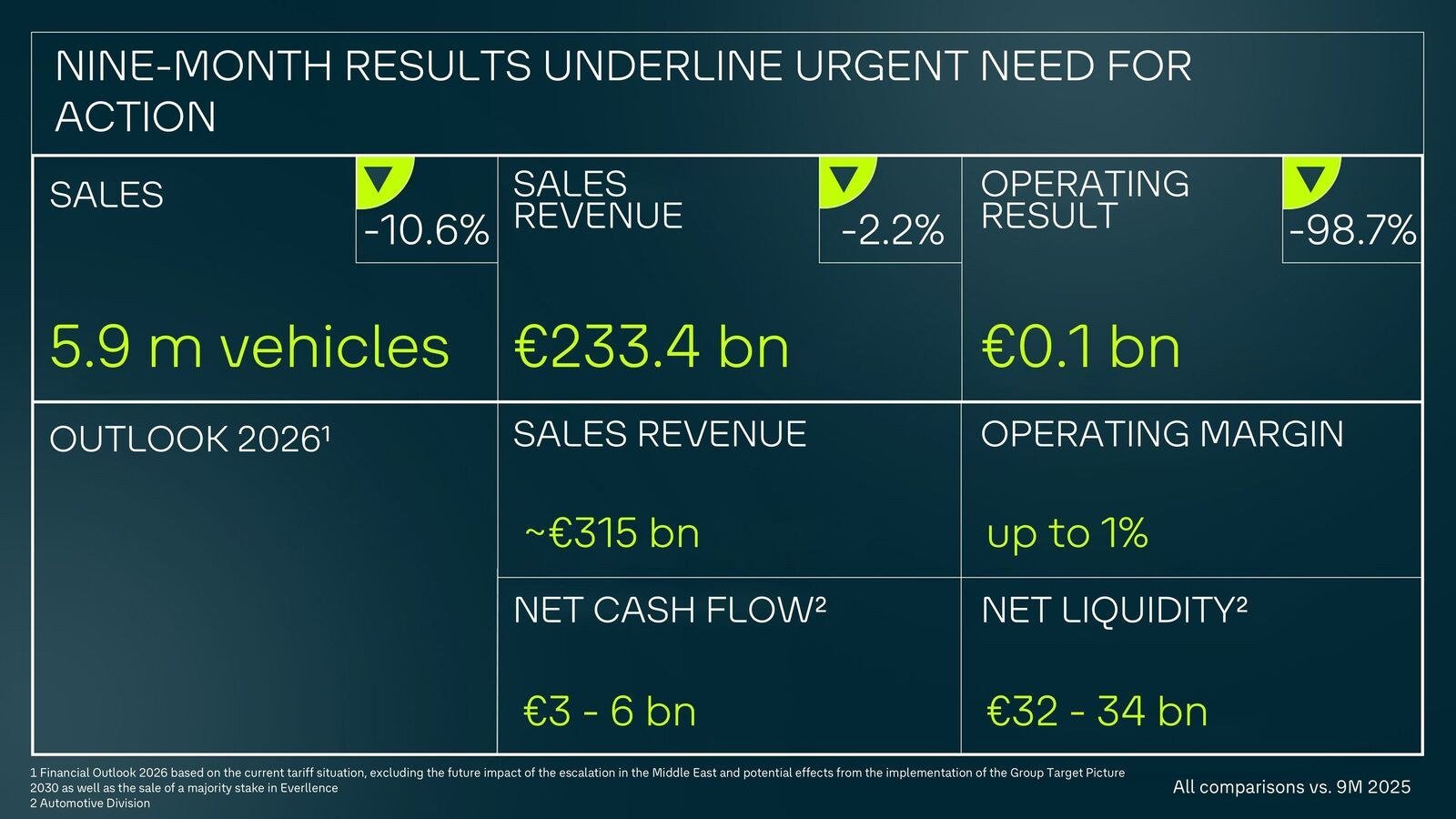
Volkswagen Group earned €0.1 billion in operating profit in the first nine months of 2026, down from €5.4 billion a year earlier, after €7.8 billion of one-off charges landed in the third quarter alone. The biggest was a €6.4 billion write-down of Porsche goodwill.
The line everyone is quoting came from CFO Arno Antlitz: the company currently makes less money on an electric car than on a gas-powered one. Here's what the headlines miss. In the US, Volkswagen stopped waiting for that confession months ago.
I think this report simply puts a number on a decision the group already made for America: sell gas and hybrid volume, treat EVs as a European obligation, and see tariffs, not batteries, as the real threat to American profits.
A big company that shows almost no profit
Start with what VW actually reported on October 29. Revenue for January through September came to €233.4 billion, down 2%. Deliveries fell 11% to 5.9 million, mostly because of China. Before special items, the operating result was €8.8 billion, a 3.8% margin, which Antlitz himself calls too low to keep investing heavily. The full-year forecast now promises an operating margin of up to 1%, and the group is leaning on a cost program worth about €31 billion.
Special items total €8.7 billion for the nine months: the Porsche charge, about €1 billion of impairments on Chinese assets, and costs tied to the planned sale of the Osnabrück plant. Right next to China and price pressure, VW names the rising share of lower-margin EVs as a reason earnings fell. The figures are in the group's nine-month results release.
Europe buys VW's EVs, and that's the problem
The odd part of Antlitz's statement is that it is a complaint about success. EV orders in Europe rose 39%, electric cars make up about 40% of the European order bank, and the new Electric Urban Car family already has around 150,000 orders. By the CFO's own account, that success is adding pressure to earnings.
The third-quarter interim report is blunter about where the money comes from. At the Volkswagen brand, it says, volumes and earnings from more profitable gas cars declined while the EV ramp-up weighed on results. Group-wide, EVs rose to 11.3% of deliveries from 10.9%.
That is a small shift in mix, and it still showed up in the profit line. In my view, that tells you how thin the EV margin remains. VW doesn't need EVs to take over to feel the pain. It only needs them to grow.
America already got the memo
Now turn to the US section of the same report. VW Group delivered 401,529 vehicles in the US in the first nine months, down 8.2%. EV deliveries fell 78.4% to 14,862, and their share of the group's US sales dropped to 3.4% from 14.4%. VW blames mainly the end of federal EV tax credits on September 30, 2025. The best-sellers are the Tiguan, Atlas and Jetta.
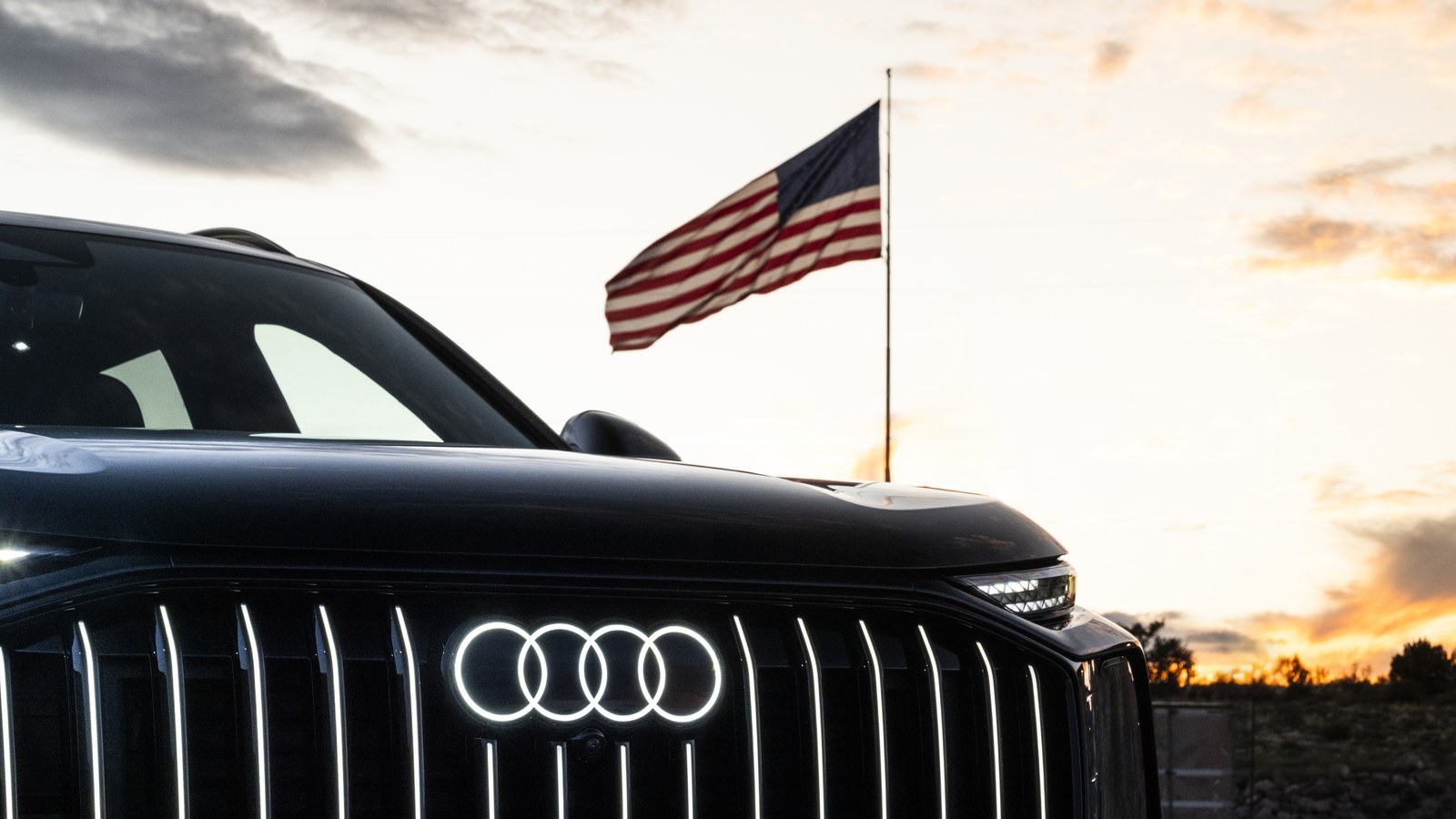
The factory decisions point the same way. The Volkswagen brand stopped building the ID.4 in Chattanooga in mid-April 2026, shifting toward higher-volume models that match demand. That exit cost about €0.5 billion in write-downs and provisions. Audi, meanwhile, is planning its first US plant in Georgia, a move driven by tariffs, not by an EV launch schedule.
| 9M 2025 | 9M 2026 | |
|---|---|---|
| VW Group deliveries in the US | 437,186 | 401,529 |
| EV share of US deliveries | 14.4% | 3.4% |
| EV share of global deliveries | 10.9% | 11.3% |
| US tariff hit to operating result | ~€2.1 billion | ~€2.1 billion |
| Porsche goodwill write-down | €2.7 billion | €6.4 billion |
| Porsche global deliveries | 212,509 | 178,532 |
What strikes me is that the tariff bill didn't move. US import duties cut VW's operating result by around €2.1 billion in the first nine months of both years. Spread across US deliveries, that's roughly €5,200 per vehicle. It's a crude average, since VW doesn't split the charge by brand or vehicle type, but it shows the scale. A tax that size is a reason to build locally, and the cars worth building locally are the ones Americans actually buy from VW today.
Porsche's write-down is a volume story
The €6.4 billion Porsche charge is the headline number, so it's worth reading why VW took it. According to the interim report, the impairment test used lower volume assumptions, margins within Porsche's own 10–15% medium-term corridor, and a higher cost of capital. It is the second charge of its kind: the same line was €2.7 billion a year earlier.
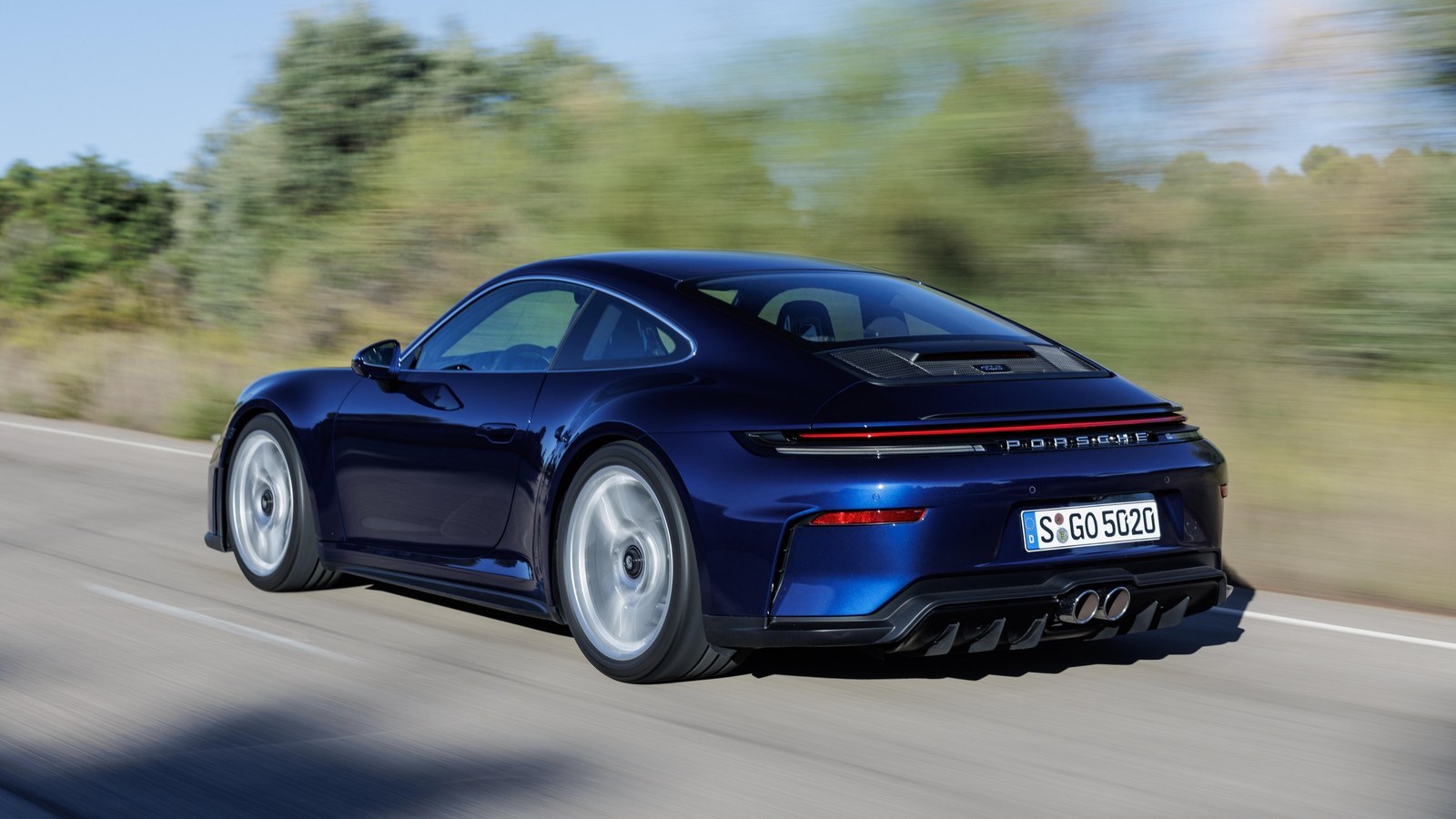
Porsche's own figures, published October 27, show where the volume went. Deliveries fell 16% to 178,532. The 911 rose 12%. The Taycan fell 31%, the Panamera 35% and the Macan 21%. EVs were 21.7% of deliveries, down from 23.1%. North America is still Porsche's biggest region at 56,088 cars, down 13%, and US tariffs cost Porsche another €200 million in cash in the third quarter alone, per its nine-month results release.
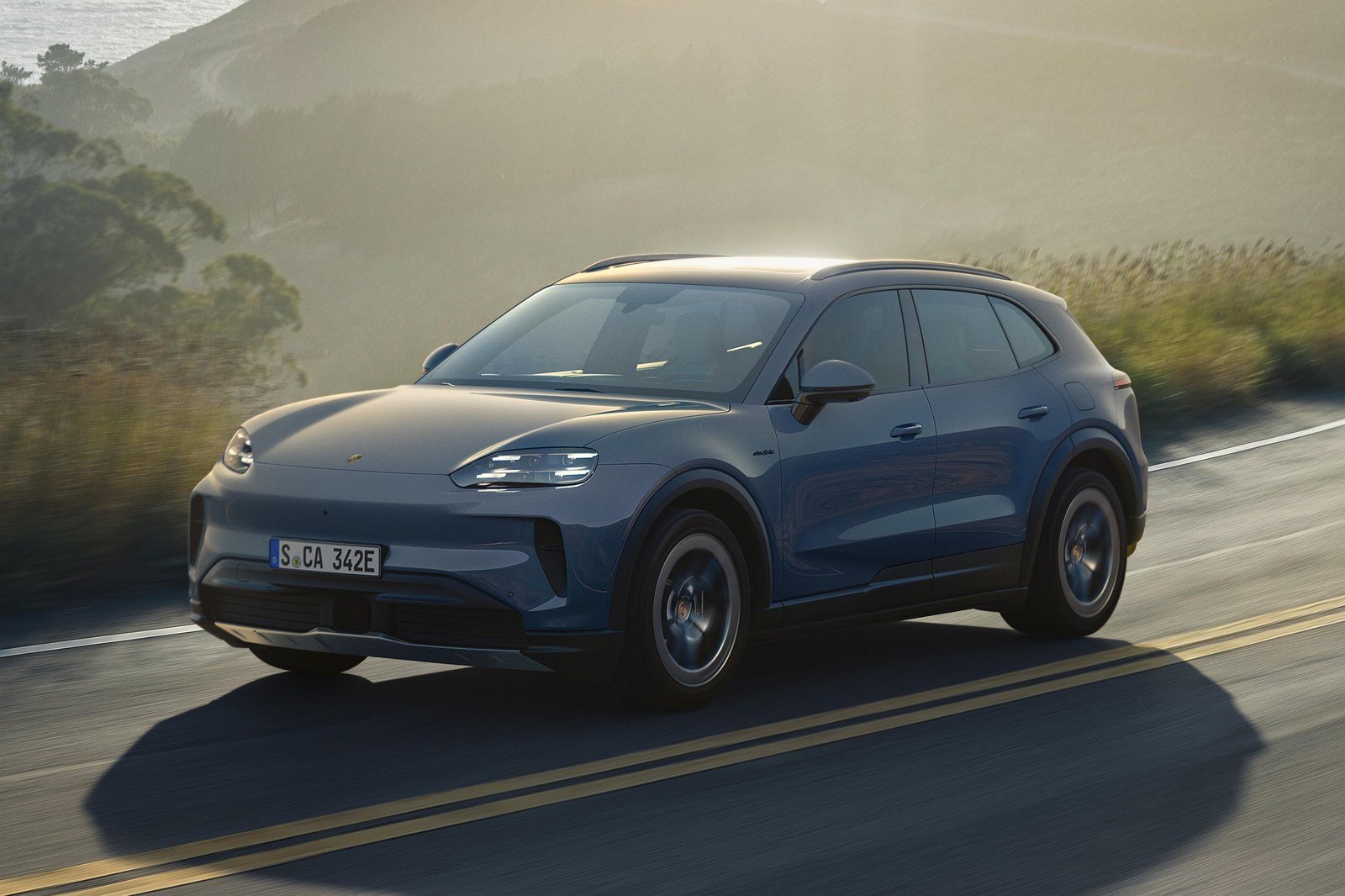
VW doesn't say the write-down is the price of Porsche's electric plan. That part is my reading: the growth Porsche expected from the Taycan and the electric Macan didn't arrive, and the brand now has to win back volume with cars like the 911. The Cayenne Electric, with 7,002 deliveries since its summer launch, is a start, not a rescue. It's the same tension we saw in the gas-engine questions around the Mission S price ladder.
The case against my view
The strongest counterargument is simple. Most of these charges are non-cash. Automotive net cash flow rose 145%, net liquidity stands at €33.0 billion, and European orders are up 4%. On that reading, VW is winning Europe's EV race, and what eats the profit is China and tariffs, not electric cars.
Part of that is right. China and tariffs are bigger hits than EV mix, and I'm not claiming VW loses money on every EV. But the 145% needs a footnote: VW credits it largely to lower investment and portfolio deals, and adjusted for M&A the figure is about €3.9 billion against €3.5 billion. More important, the tariff hit was the same in both years, so it can't explain why underlying profit fell this year. VW's own list of reasons does: China, pricing and lower-margin EVs.
And for American buyers, the conclusion holds either way. Whether the culprit is EV margins or tariffs, both push VW toward gas and hybrid volume built in the US.
What would change my mind
If VW commits to building an ID model in the US, with a launch date, before its full-year results next spring, I'd be wrong about EVs being a European obligation. The ID.4's exit from Chattanooga would then look like a pause, not a choice.
If EVs climb back above 10% of VW Group's US deliveries in the fourth-quarter numbers, demand would be doing the work the tax credit used to do. And if Audi presents its Georgia plant with an electric-first lineup, I'd concede that tariffs are pushing VW to localize EVs, not gas cars.
My read
Antlitz said out loud in October what VW's American decisions have said since April. In Europe, the group sells EVs because rules and customers demand them, and it pays for that in margin. In the US, it builds and sells what pays: Tiguans, Atlases, 911s and, eventually, Audis made in Georgia. My bet is that VW's American lineup for the rest of this decade will be set by the tariff bill, not the battery roadmap.