Audi's First U.S. Plant Can Build More SUVs Than Audi Sells in America
Audi's first U.S. plant can build more SUVs than Audi sells in America. That makes it a growth bet, not a tariff fix, and sales point the wrong way.
Contents · 6 parts
Audi will spend about $4 billion on its first U.S. factory, a plant in Perry, Georgia, designed to build up to 200,000 SUVs a year. Here's the number the tariff headlines skipped: Audi of America sold 164,942 new cars in all of 2025, and this year it is on pace for roughly 144,000.
I think that changes how the plant should be read. A factory bigger than your entire American business is not insurance against an import duty. It is a bet that Audi can grow its U.S. sales by a third or more, and right now the company has very little evidence that it can.
Audi committed to a plant while its sales were still falling
Audi of America announced the project on Saturday. According to the company's release, construction at the Middle Georgia Mega Site begins in 2027, production starts in the early 2030s, and the plant will employ about 4,500 people. It will assemble "premium SUVs tailored to North American customers." Audi did not name the models.
A U.S. official told Reuters the plant is expected to build the Q7, Q8 and Q9, and CEO Gernot Döllner said at the event that Audi would bring its biggest and most premium SUVs to Georgia. President Donald Trump announced the investment at a rally in Perry the same day. The release itself never mentions tariffs. It frames the plant entirely around growth in what Audi calls the world's second-largest premium market.
The plant is sized for an Audi that doesn't exist yet
Audi's U.S. volume has fallen for two straight years. Third-quarter deliveries came to 39,751, down 15% from 46,758 a year earlier. Through September, Audi of America delivered 107,667 new vehicles, 16% fewer than in the first nine months of 2025.
| Vehicles | |
|---|---|
| Audi of America sales, 2024 | 196,576 |
| Audi of America sales, 2025 | 164,942 |
| Jan–Sep 2025 | 128,709 |
| Jan–Sep 2026 | 107,667 |
| 2026 full-year pace | ~144,000 |
| Georgia plant capacity, per year | up to 200,000 |
Even 2024, the strongest of the last three years, came in under the plant's ceiling. And Georgia may not be Audi's only American line: the same official said Audi also plans to build about 25,000 vehicles a year at the $2 billion Scout Motors plant under construction in Blythewood, South Carolina.
The plant only builds SUVs, so the sharper comparison is narrower. Autoevolution's breakdown of the third quarter puts combined Q7 and Q8 sales at 10,166, an annual pace near 41,000. The Q9 reaches dealers this quarter at $87,700 and the new Q7 at $70,900, so that figure should rise. Neither launch is a reason to expect it to quintuple.
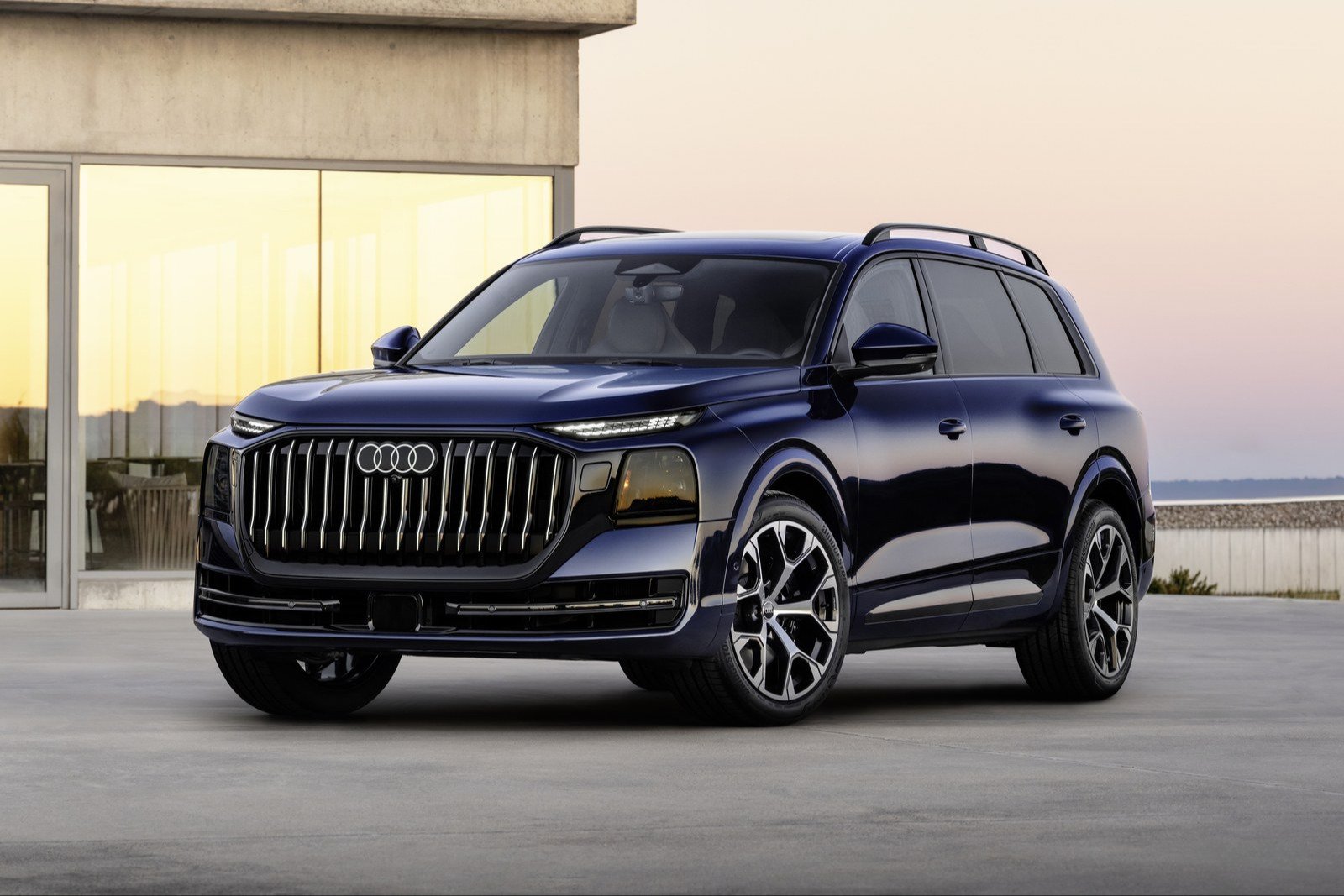
So the volume has to come from somewhere. Either Audi moves more of its range to Georgia than it has disclosed, or it exports a large share of the output, or it expects its U.S. business to be far bigger in the early 2030s than it is today. That is a large commitment for a company whose operating margin was 3.8% in the first half and which cut its full-year margin forecast to 5–7%, according to its first-half results.
A U.S. plant built ahead of demand is not a hypothetical risk. Volvo's Charleston plant, built for 150,000 vehicles a year, has been running at about 20% of capacity, a gap I looked at in Friday's column on Volvo's third quarter.
The tariff explanation has a timing problem
The popular read is that Audi is building in America to get out from under import duties. It has real reasons to want that. Reuters reported in March that tariffs cost Audi about €1.2 billion in 2025 and pulled its operating margin to 5.1% from 6.0%. Every Audi sold in the U.S. is imported from Europe or Mexico, and the Mexico-built Q5 does not qualify for duty-free entry. The new Q7 and the Q9 are both built in Bratislava, Slovakia.
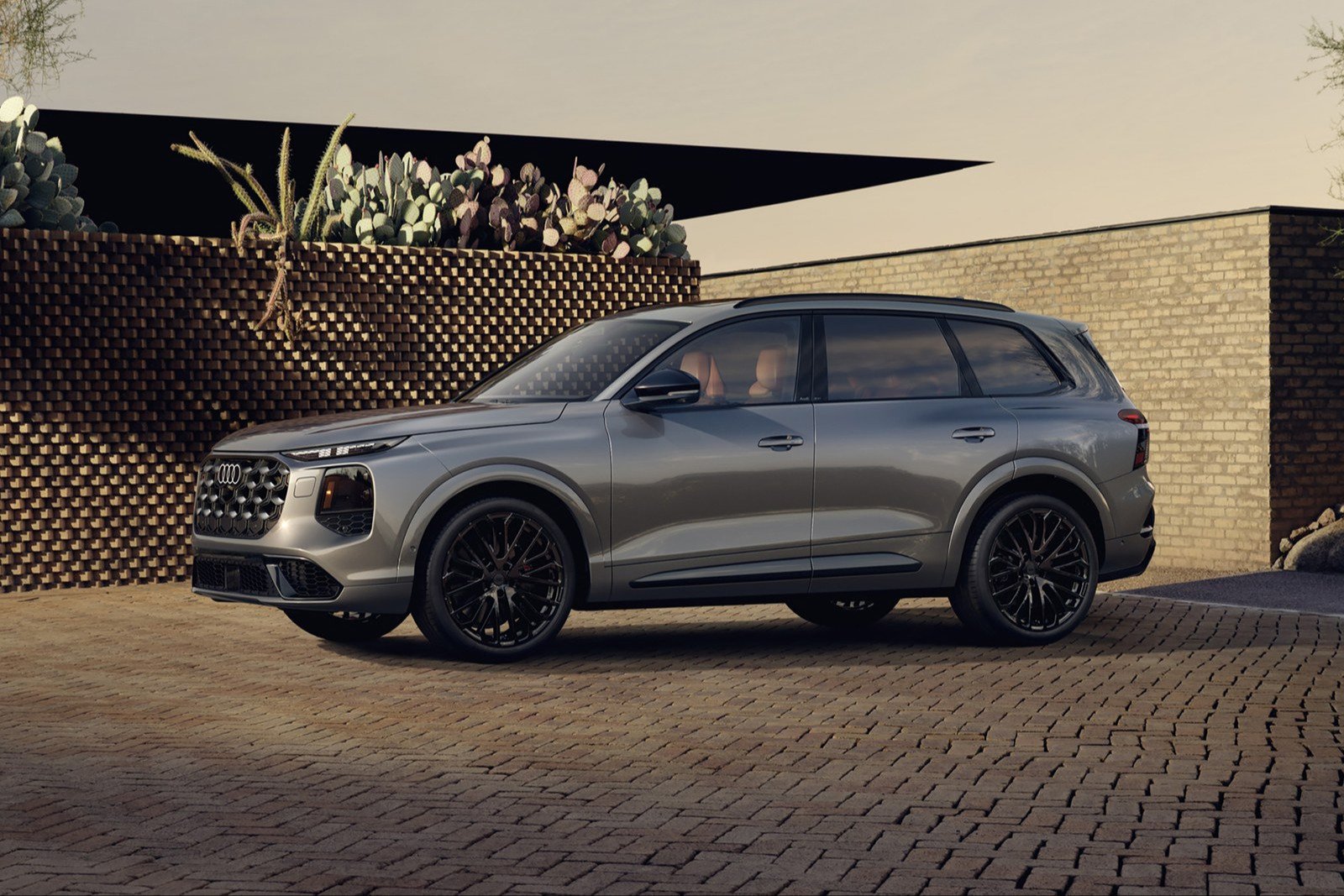
But a plant that starts production in the early 2030s does nothing for the tariff bill in 2026, 2027 or 2028. Every Audi sold here for the next five-plus years remains an import. For buyers, that means Q7, Q8 and Q9 prices through the end of the decade will be set by trade policy, not by Georgia.
There is also the question of what changed. In January, Volkswagen Group CEO Oliver Blume said that with an unchanged tariff burden, large additional investment could not be funded, putting the Audi plant on hold. Last year's U.S.-EU framework capped duties on EU-built cars at 15%; in May, the White House said it would raise that to 25%. Either Volkswagen secured relief it hasn't disclosed, or it decided to build without it. Neither Audi nor VW has said which.
The case against my view
The strongest objection is that a U.S. plant doesn't need to match U.S. sales, because the most successful German plants here never did. BMW's Spartanburg factory built 396,117 vehicles in 2024 and exported nearly 225,000 of them, according to BMW. Mercedes-Benz says about two-thirds of its Tuscaloosa output ships abroad. By that logic, a 200,000-unit Audi plant is ordinary, and waiting five years for it is still cheaper than paying a duty forever.
I take that seriously, and exports are the most plausible way the math closes. But the argument cuts against Audi's own framing. BMW built Spartanburg around global models and grew the export business over three decades. Audi describes its Georgia SUVs as designed for North American customers, and its largest overseas market is shrinking: first-half deliveries in China fell to 232,227 from 287,600. An export plan would be the best case for this plant. Audi hasn't presented one.
What would change my mind
If Audi publishes a model list that includes a high-volume vehicle such as the Q5, or puts a number on exports from Georgia, the capacity stops looking oversized. I'd also revise my view if Audi of America returns to an annual pace above 180,000 by the end of 2027, once the Q9 and the new Q7 have had a full year on sale.
The third signal is policy. If Volkswagen discloses a tariff arrangement tied to this investment, the plant becomes a negotiated trade-off rather than a pure growth bet. The size of any Georgia incentive package would also show how much of the $4 billion Audi is really carrying.
My read
Audi didn't build a tariff shelter. It bought an option on a much bigger American business, payable in the early 2030s. That can work, but today's numbers point the other way: U.S. sales down 16% this year, thin margins and no export plan on the table. Until Audi shows where 200,000 SUVs a year will go, I'd treat Georgia as a statement of ambition, not a fix for anything buyers face before 2030.