Audi's $7 Billion Georgia Plant Is $4 Billion Plus an Option Audi Holds
Audi is bound to $3.2 billion and 3,600 jobs by 2033. The other $3 billion is an option it can skip, while Georgia's roads and rail get built first.

Contents · 7 parts
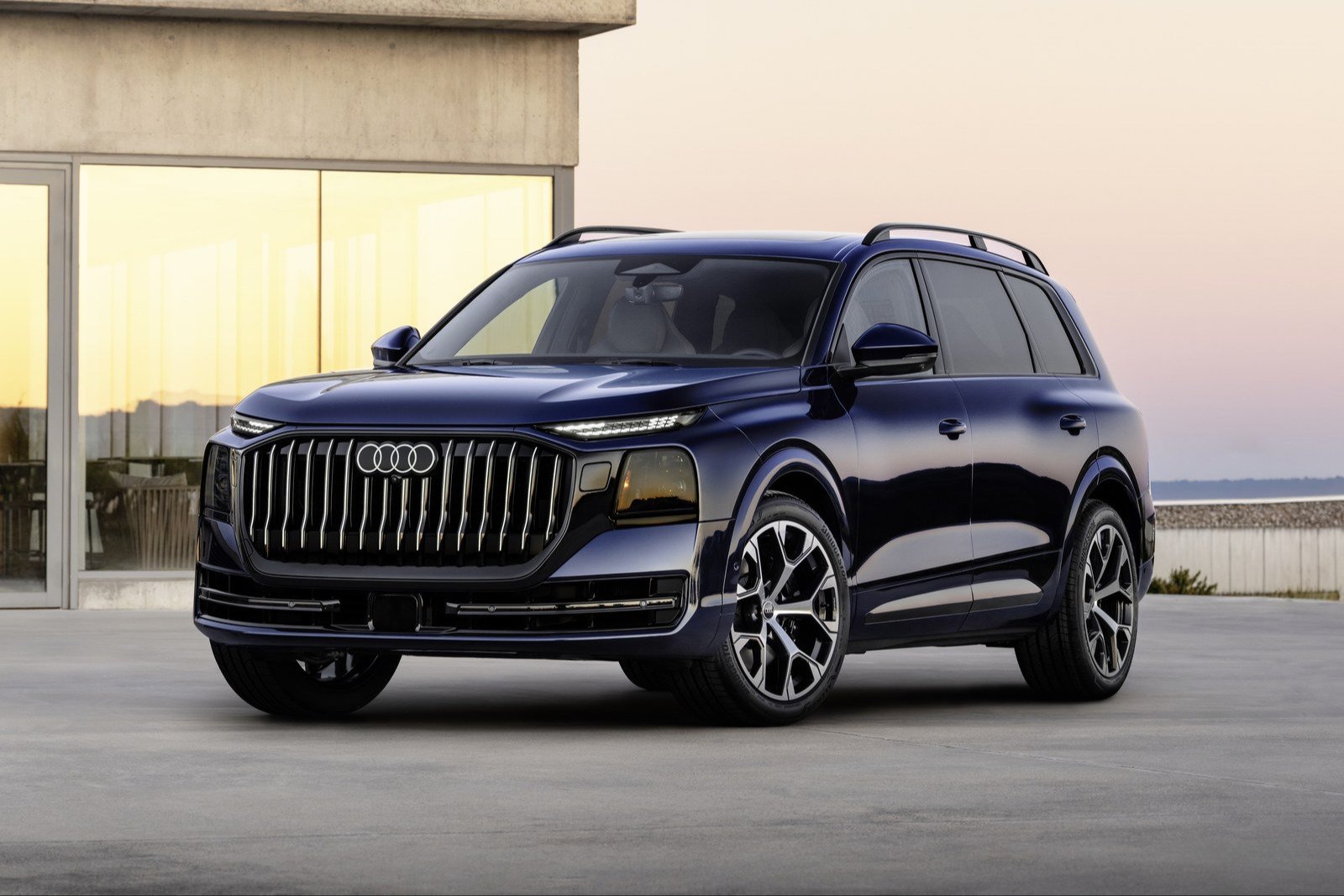
Audi's first U.S. factory is a $4 billion commitment with a $3 billion option stapled to it, and the headlines calling it a "$7 billion plant" are adding a promise to a possibility. State economic development records show the second phase, worth another $3 billion and 3,000 jobs, happens only if Audi chooses to trigger it.
Here's what the headlines miss: the number that matters in this deal isn't seven. It's the $420 million to $550 million Georgia puts into roads, rail, site work and a training center before the first SUV leaves the line in 2031. The tax breaks have to be earned. The concrete doesn't.
My bet is that phase two gets decided in Washington, not in Peach County, and that the deciding factor is the tariff relief Audi has been lobbying for.
What the documents actually commit Audi to
Audi announced the plant on Oct. 24: about $4 billion, about 4,500 jobs and capacity for up to 200,000 premium SUVs a year at the Middle Georgia Mega Site. The state's announcement puts grading in 2027, construction in 2028 and full production in 2031. Audi's own release added that it "looks forward to sharing additional U.S. investment announcements."
The details came later, from documents of the Mid-Georgia Gateway Development Authority. As Atlanta News First reported, Audi must create at least 3,600 jobs and invest $3.2 billion, or 80% of phase one, by Dec. 31, 2033. Phase two would add $3 billion and 3,000 jobs at Audi's option. According to the Atlanta Journal-Constitution, Audi has until the end of 2033 to exercise it. Audi declined to comment to Reuters.
One caveat on status. The AJC reports the documents were not yet signed by the state and Audi of America; the local authority says its side has signed and the terms haven't changed.
Where Georgia's money goes first
The AJC counts at least $958.4 million in phase one incentives: $458.6 million in property tax savings over 20 years, a $94 million grant for site work and rail access, a $30 million EDGE grant, a $73.5 million Quick Start training center, $224.5 million in state road improvements and smaller training items. Reuters' tally of the same documents lands near $1 billion, plus the roughly 1,500-acre site itself. That's about $213,000 per phase one job, before a mega project job tax credit nobody has priced yet.
Those dollars are not all the same kind of money. The property tax break and job credits flow only as Audi builds and hires, and in exchange Audi pays $295 million in fixed payments in lieu of taxes over 20 years, split among Peach, Houston and Macon-Bibb counties and Fort Valley. That part of the deal is built to protect the public.
The grants, roads, rail and training center are different. They get spent on the state's construction timeline, years before Audi has to show a payroll. The AJC reports a clawback: Audi must hit 80% of its job and investment promises or repay part of the incentives it has received. The documents' exact terms weren't described. Either way, I find it hard to see how you claw back a road interchange.
An option that costs Audi nothing and Georgia little
Put the two phases side by side and the structure becomes clear.
| Phase one | Phase two | |
|---|---|---|
| Investment | $4 billion | $3 billion |
| Jobs | 4,500 | 3,000 |
| Binding floor by end of 2033 | $3.2 billion, 3,600 jobs | None (Audi's option) |
| Property tax break (20 years) | $458.6 million | ~$361.1 million |
| Payments in lieu of taxes | $295 million | $237.5 million |
| Known incentives vs. investment | ~24% | ~12% |
On the known numbers, phase two is a cheaper deal for Georgia than phase one, and it costs Audi nothing to hold. There is no penalty for leaving it on the shelf. The gap between the headline and the contractual floor is $3.8 billion and 3,900 jobs.
Why I think tariffs decide phase two
Audi builds none of its U.S. vehicles here. Reuters reports that tariffs on cars, steel, aluminum and parts cost the company around €1.2 billion ($1.4 billion) last year, and that Audi has pushed Washington to cut its 15% rate on EU imports to 7.5%, with the Commerce Department expected to settle near 10%. None of that has been announced officially.
As I wrote last week, the tariff break Audi actually has today is narrow: the existing offset covers duties on parts and runs to 2030. A factory that reaches full output in 2031 doesn't fix the 2027 tariff bill.
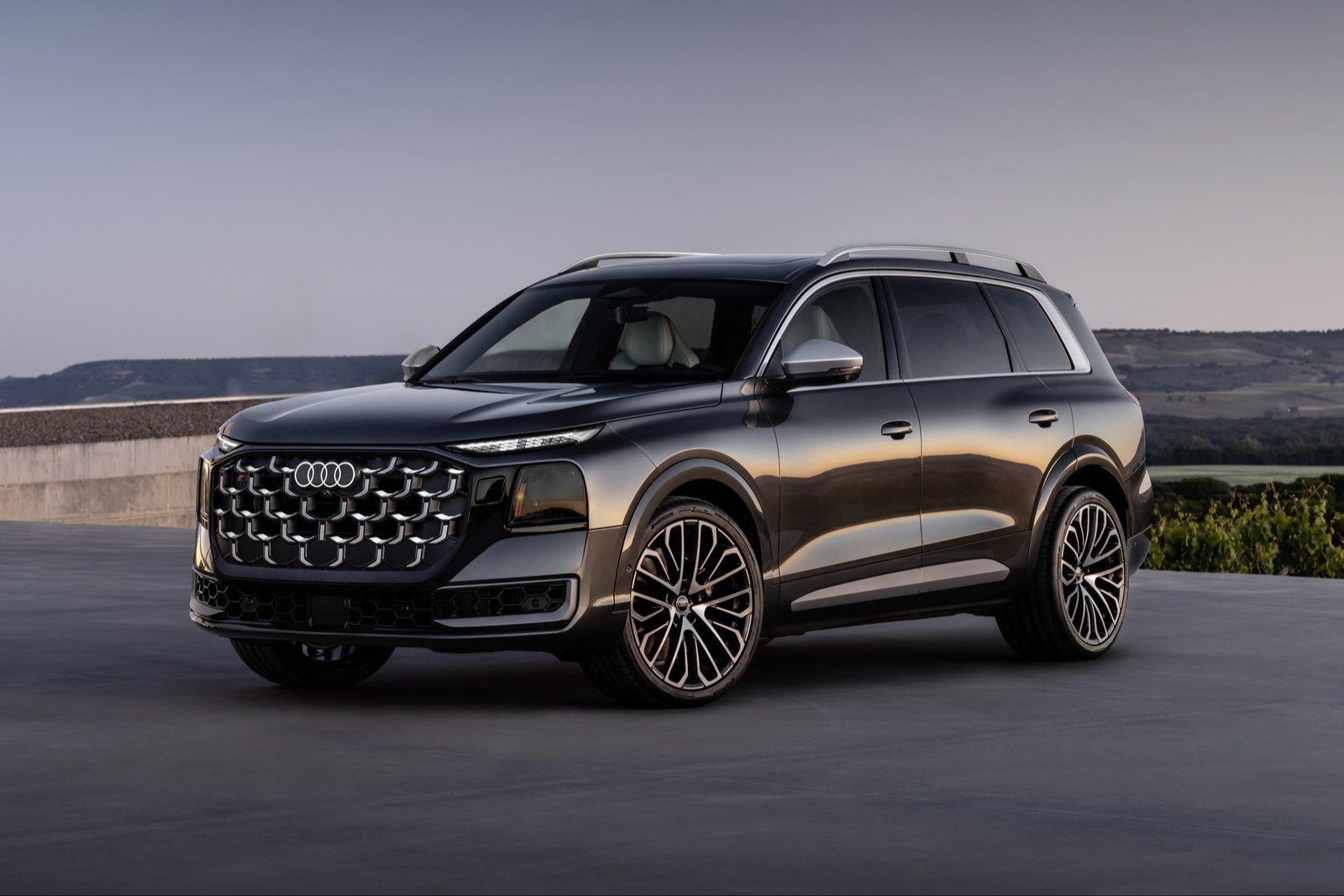
Now look at the calendar. The phase two window closes at the end of 2033, two years after full production starts. Audi gets to watch a full tariff cycle, and real sales of its Georgia-built SUVs, before it spends another dollar. The group has a recent reason to be careful: Volkswagen's ID.4 line in Chattanooga has been idle since April, as I noted when VW said its EVs earn less in America. Waiting is the rational move, and the contract lets Audi wait.
The case against my view
The strongest objection is that this is simply how Southern megaplants are done. Georgia offered Hyundai $2.1 billion for a $7.6 billion project and Rivian a $1.5 billion package for a $5 billion factory, according to the AJC: roughly 28% and 30% of the investment. Audi's phase one sits near 24%, and phase two near 12%. Performance thresholds, clawbacks and payments to counties that don't depend on phase two are the template, and Georgia is getting it cheaper than before. An expansion option costs the state almost nothing until it's used.
Georgia also has fresh experience with a project that stalled. Rivian paused its Georgia plant in 2024 and broke ground only in 2025. Officials have already seen a megasite wait on a carmaker's timeline.
I agree with most of that. The option itself is not the problem, and on percentages this deal is better than Hyundai's. My point is narrower. The figure being sold to voters and readers is $7 billion and 7,500 jobs. The figure Audi is bound to is $3.2 billion and 3,600 jobs. And the part of Georgia's money most exposed to that gap is the part spent first.
What would change my mind
If Audi exercises phase two before the Commerce Department announces a final tariff rate for the company, tariffs weren't the trigger and I'm wrong about the mechanism.
If the final agreement, once signed by the state and Audi of America, shows the clawback reaching the site and rail grants rather than only the tax incentives, the risk to Georgia is smaller than I describe.
If Washington denies Audi meaningful relief and the company still commits to phase two by 2030, the expansion was about American demand, not duties.
And if Audi names specific Georgia models with volume plans beyond 200,000 a year before the 2028 construction start, phase two is a plan, not an option.
My read
The "$7 billion Audi plant" is a $4 billion plant with a contractual floor of $3.2 billion and a free option on the rest, exercisable at Audi's discretion until the end of 2033. Georgia's tax breaks are properly tied to performance; the roads, rail and training center it builds first are not. I expect Audi to keep the option closed until it knows its tariff bill, and nobody should count the second $3 billion until it opens.