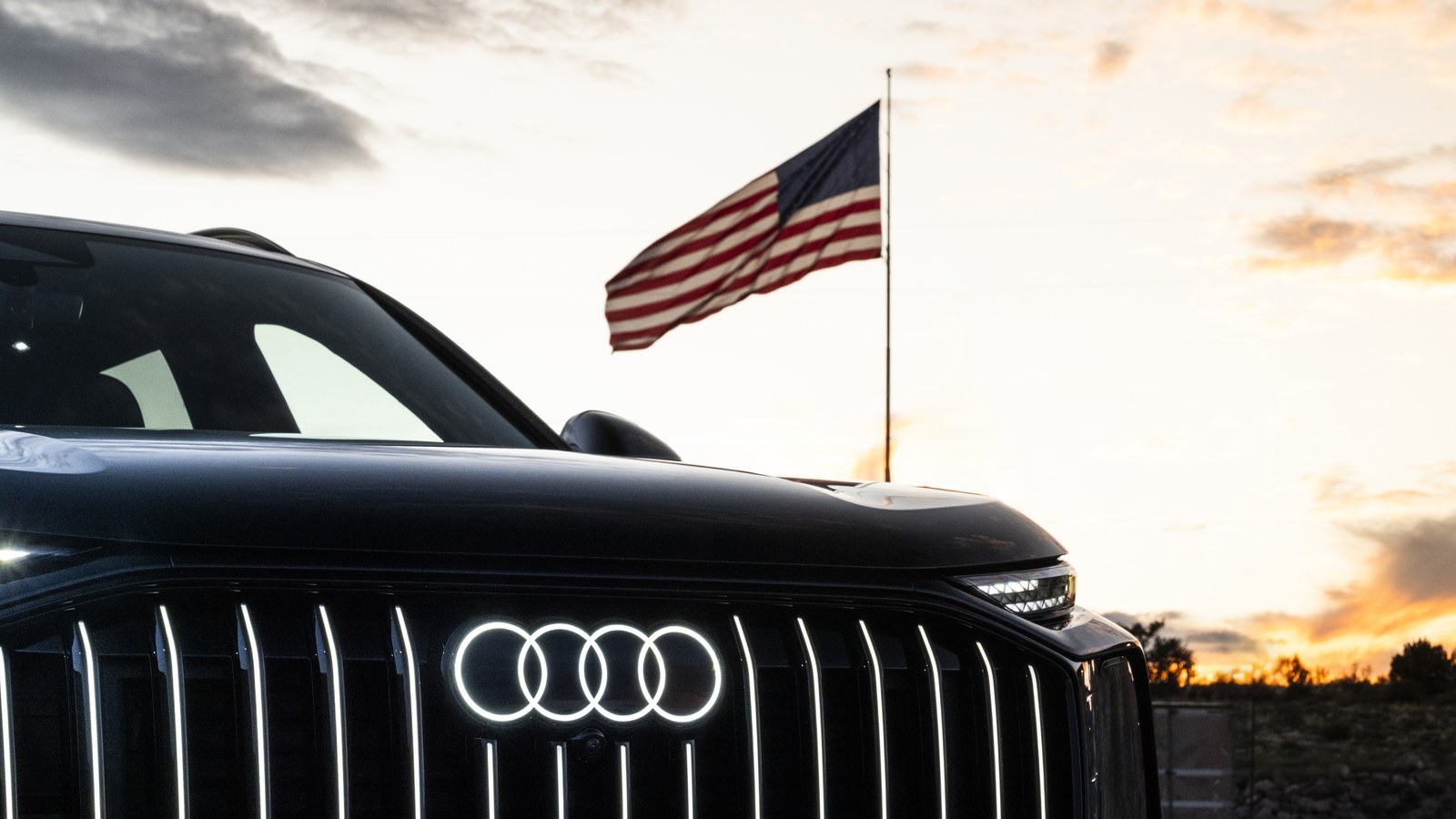
Audi's Tariff Break Pays for a Factory That Won't Build a Car Until the 2030s
Federal tariff relief used to be paid per car built in America. Audi's reported deal pays for a promise, and Q5 and Q7 buyers shouldn't expect lower prices.
Contents · 7 parts
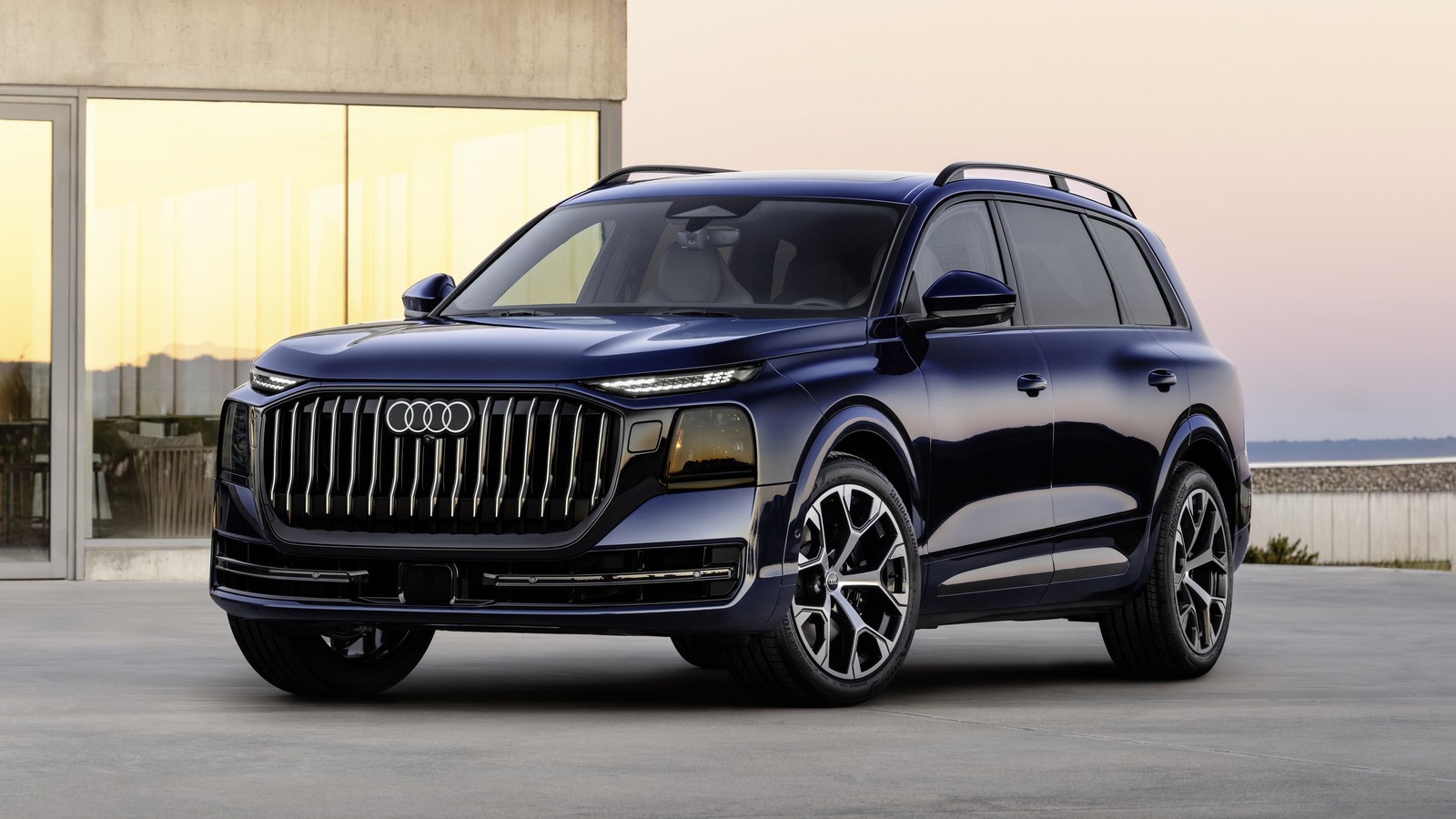
Washington has promised Audi a tariff discount for a Georgia plant that won't assemble a single SUV before the early 2030s. Two sources told Reuters on Oct. 29 that Audi asked for the 15% rate on its European imports to be cut to 7.5%, and that the Commerce Department is expected to settle at around 10%.
Here's what the headlines miss: until now, the federal tariff relief offered to automakers has been paid per car built in America. Audi's deal, if it lands as described, pays for a promise. I think that is a bigger change than the rate itself, and it won't make a Q5 or a Q7 cheaper for the people who buy them.
A discount negotiated before the first shovel
The reporting rests on anonymous sources, and that matters. The Wall Street Journal broke the story; Reuters then reported that US officials told Audi executives a broader relief program is coming for automakers with significant US investments, with details possibly unveiled in the coming weeks. Other announced investments would qualify too, the sources said. Commerce did not comment. Audi declined to comment.
The plant itself is official but conditional. In its Oct. 24 announcement, Audi said it intends to invest around $4 billion at the Middle Georgia Mega Site, create about 4,500 jobs and build up to 200,000 vehicles a year, with construction starting in 2027 and production in the early 2030s. Volkswagen's supervisory board still has to approve the investment.
So the sequence is unusual. The tariff cut would apply to cars imported today. The factory that justifies it does not exist yet, and its owner has not formally signed off on building it.
The existing rule pays only for cars built here
Compare that with the relief Commerce already runs. Under the offset process published in 2025, automakers can reduce the Section 232 tariffs they pay on imported parts by an amount tied to the MSRP of vehicles they assemble in the United States: 3.75% for cars built through April 2026 and 2.5% after that. The program has since been extended through 2030. The logic is simple. No US assembly, no offset.
| Existing offset | Reported Audi relief | |
|---|---|---|
| What gets cheaper | Tariffs on imported parts | Tariff on imported finished vehicles |
| Earned by | Vehicles assembled in the US | A plant planned for the early 2030s |
| Size | 3.75% or 2.5% of MSRP of US-built cars | 15% to about 10% (Audi asked for 7.5%) |
| Status | Published rules, extended through 2030 | Unconfirmed; Commerce silent |
| When it pays | After each car is built | From the day it takes effect |
The way I see it, the reported Audi arrangement flips the incentive. The offset rewards output. An import discount granted on the strength of an announcement rewards the announcement, and it starts paying years before a Georgia-built SUV reaches a dealer.
Why Audi needs the money now
Audi imports every vehicle it sells in the US from Europe or Mexico, and it has said US tariffs on cars, steel, aluminum and parts cost it about €1.2 billion ($1.4 billion) last year. The pressure is showing. Audi's nine-month results show an operating margin of 2.7%, and the company cut its full-year outlook to 3–5%, citing US tariffs among the headwinds.
US volume is shrinking at the same time. Audi of America delivered 107,667 vehicles through September, down 16% from 128,709 a year earlier. Its electric lineup collapsed: the Q6 e-tron fell to 1,555 sales from 17,021. The business now leans on three SUVs. The Q5 (33,509), Q7 (13,754) and Q8 (10,439) together make up 54% of Audi's US sales so far this year.
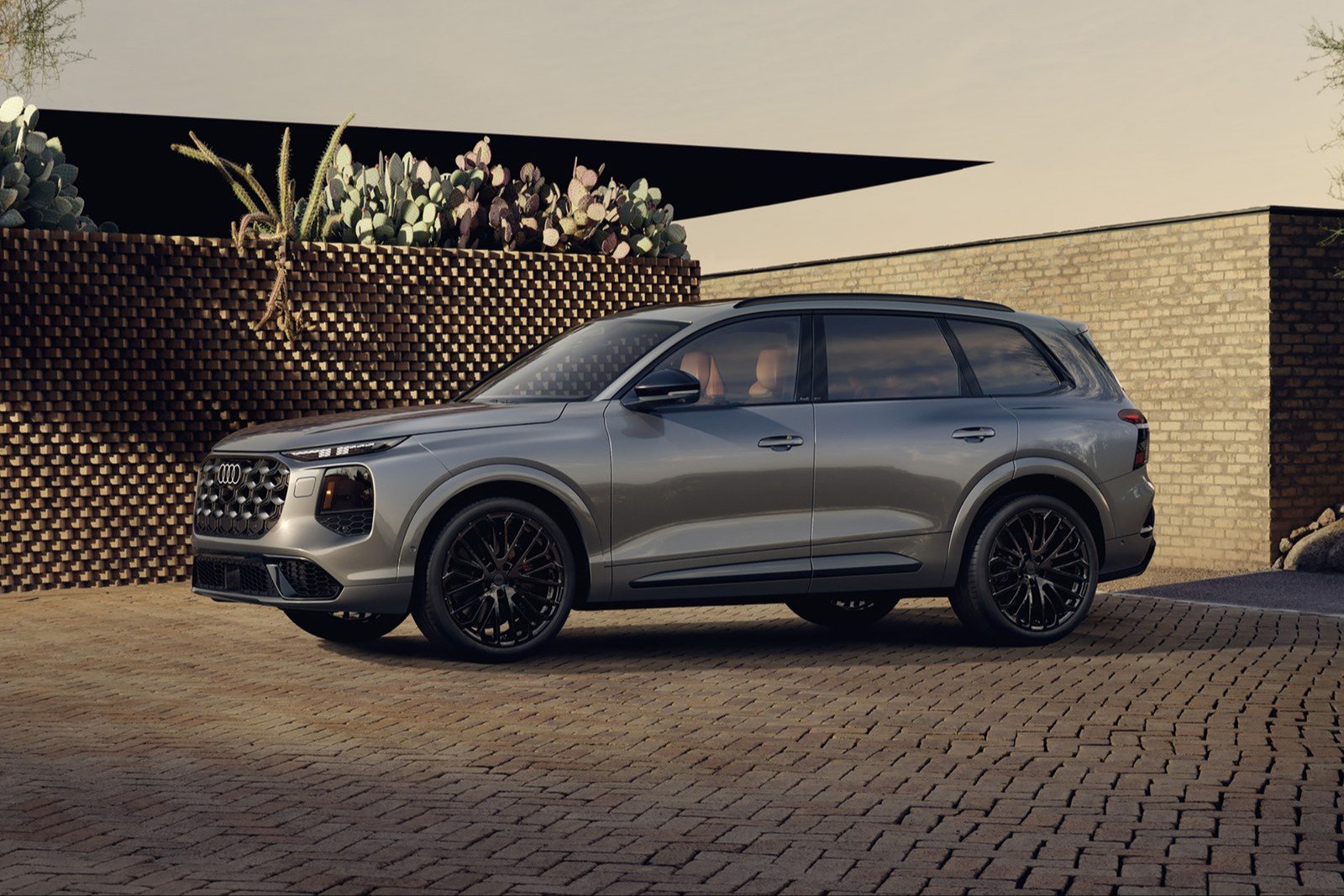
That is the context in which a planned 200,000-unit plant should be read. At this year's pace, Audi is selling roughly 143,000 cars a year in the US. The factory is sized for a brand Audi hopes to become, not the one it is today, which I covered in more detail when the plant was announced: the Georgia plant is bigger than Audi's US sales.
Who actually gets the five points
A cut from 15% to 10% is worth five points of the declared customs value of every European Audi. On $50,000 of declared value, that is $2,500 a car. The question is where it goes.
My bet is that most of it goes to Audi's margin, not to window stickers. A company running at 2.7% that has just lowered its outlook has every reason to rebuild profit before it cuts prices on SUVs that are already selling. If you are shopping for a 2027 Q7 or Q8, I would not plan on the deal showing up in the MSRP.
The Q5 is a separate problem. It comes from Mexico, not the EU, and nothing in the reporting says the relief extends to Mexican-built Audis. If it doesn't, Audi's best-selling model in America gets no help at all. As I argued in the Canada tariff column, where a car is built now matters more to its price than the badge on the hood.
The case against my view
The strongest objection is that this is ordinary industrial policy. Plants take years to build, and governments routinely bridge the gap with incentives paid up front. The offset program itself was extended to give automakers time to localize. Without a temporary discount, the argument goes, Audi might simply keep importing and never build in Georgia at all. A lower rate for five years in exchange for 4,500 jobs for decades looks like a fair trade.
I take that seriously, and it may well be how the White House sees it. My answer is that the existing program already solves the same problem without paying for a promise. Audi will collect the offset from the day it starts building cars in Georgia. An import discount granted before then is only a good trade if it can be clawed back when the plant slips, shrinks or is never approved. Nothing reported so far says it can.
The precedent is the bigger risk. Reuters' sources said other automakers with announced US investments would qualify. If an announcement is enough, every importer has a reason to announce.
What would change my mind
If the program Commerce publishes in the coming weeks ties the lower rate to milestones such as construction actually starting in 2027 and a firm production date, with repayment if those milestones are missed, the deal looks much more like the offset and much less like a gift.
If Volkswagen's supervisory board approves the plant with a fixed start-of-production year, the promise becomes a commitment. And if Audi cuts 2027 prices on the Q7 and Q8 by roughly the size of the tariff saving, I will concede that buyers are getting their share.
My read
Audi's tariff break, as reported, pays today for a factory that won't build its first SUV until the early 2030s. That is a different rule from the one Washington wrote in 2025, which paid only for cars assembled here. Until the program comes with deadlines and clawbacks, I read it as margin relief for Audi and an invitation for every other importer to announce a plant.