The Canada Tariff Is Really a Tax on RAV4 and CR-V Buyers
If a 50% tariff on Canadian cars arrives January 1, the bill lands on America's best-selling crossovers, and the RAV4 buyer is first in line.
Contents · 7 parts
Two months before a promised jump to 50% tariffs on cars, parts and steel from Canada, Honda's head of U.S. public affairs told a Reuters conference in Detroit that a January 1 doubling "really would be catastrophic just for the entire industry."
Here's what the headlines miss: this is not a tax on Ottawa. If it happens, it is a tax on the people shopping for America's two best-selling crossovers, the Toyota RAV4 and the Honda CR-V, and the RAV4 buyer is first in line. The other thing I find remarkable is that nobody can tell you yet how the bill will be calculated.
A deadline built on a social-media post
On August 24, President Trump wrote on Truth Social that tariffs on Canadian cars, trucks, auto parts and steel would rise to 50% on January 1, 2027, and that vehicles built in the U.S. pay nothing. Today, Canadian vehicles and parts face the Section 232 auto tariff of 25%, while Canadian steel already pays 50%.
As of October 28, the Federal Register holds no proclamation that turns that post into law. The only 50% duties on Canada in force under a separate statute, Section 338, cover goods like cheese and paper, according to Proclamation 11065 of September 8. Meanwhile, Reuters reported on October 26 that Washington and Ottawa are negotiating relief on the Section 232 tariffs for steel and autos. U.S. Trade Representative Jamieson Greer has said vehicles assembled in Canada and Mexico would likely still pay some tariff, Reuters reports.
The trade deal underneath all of this is wobbly too. The U.S. declined to renew USMCA in its current form at the July 1 review, which pushed the pact into annual reviews. In parallel talks with Mexico, the U.S. is asking for 50% U.S.-specific content in North American vehicles, according to Reuters sources.
The RAV4 is the most exposed car in America
Toyota and Honda build more than three-quarters of all vehicles made in Canada, Reuters found. Barclays analysts estimate Canadian-built vehicles make up a quarter of Honda's U.S. sales and 17% of Toyota's.
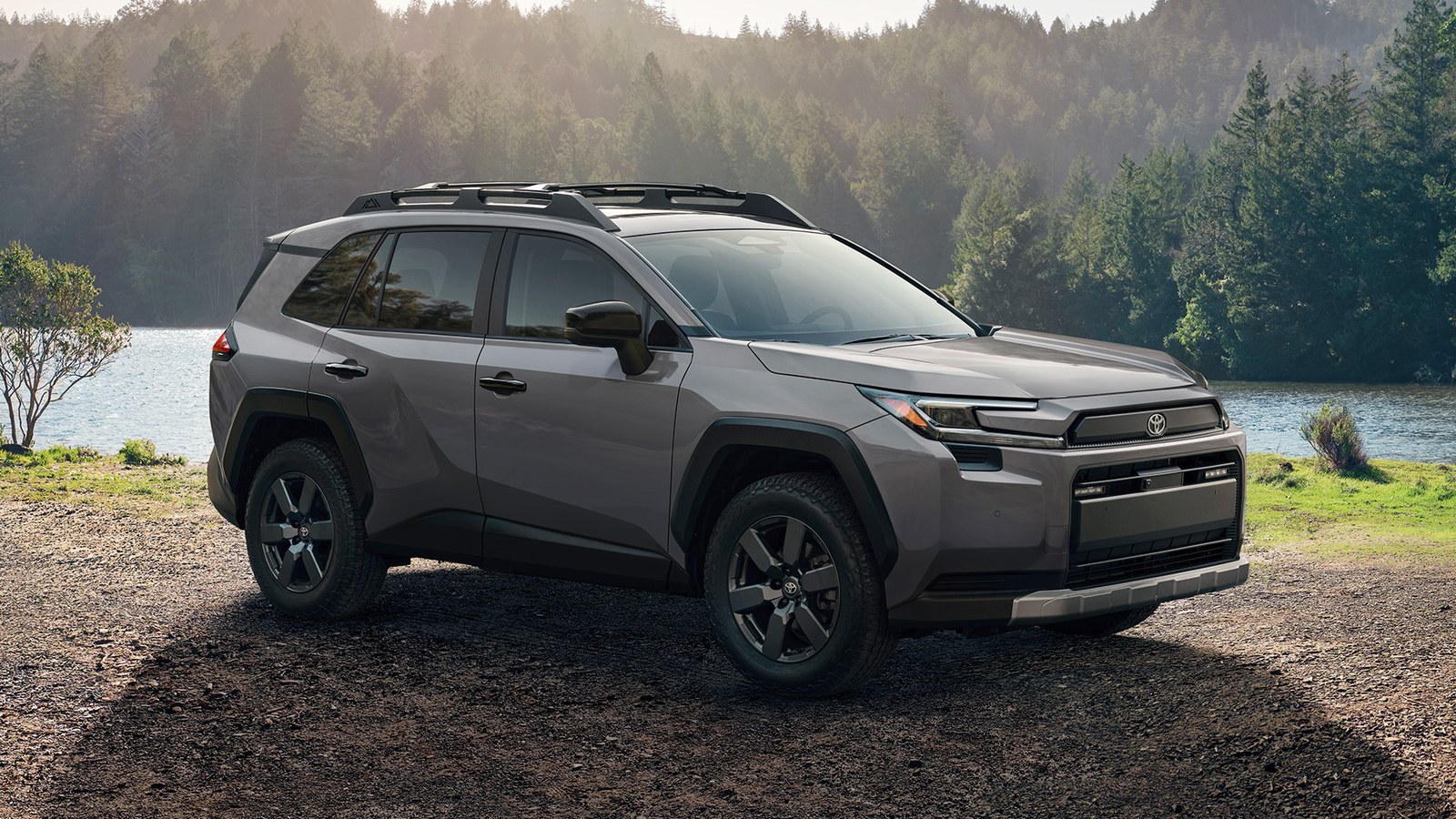
Those percentages hide where the weight sits. The RAV4 was America's best-selling SUV in 2025 with 479,288 sales, per Car and Driver figures. Toyota's Cambridge and Woodstock plants in Ontario started the sixth-generation RAV4 in January after an investment of more than C$1.1 billion, Toyota Canada says. Canadian trade press puts their output at about 350,000 RAV4s a year, already at capacity. Kentucky began building the new RAV4 this year and is expected to add about 40,000 units in 2026 and roughly 80,000 in 2027. Even then, most RAV4s sold in the U.S. will still come from Ontario.
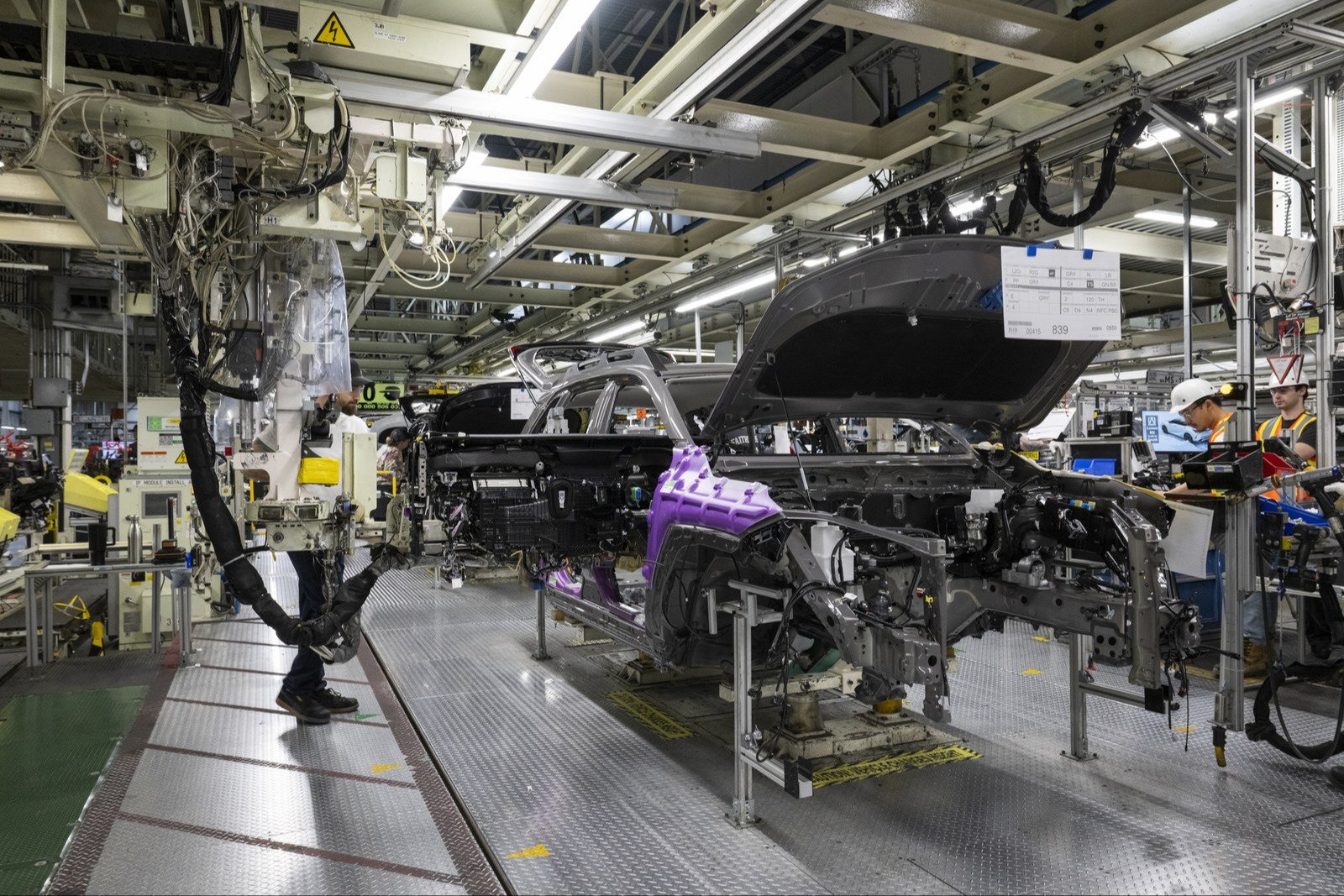
The CR-V, with 403,768 U.S. sales last year, is less exposed but not safe. Honda builds it in East Liberty, Ohio, Greensburg, Indiana, and Alliston, Ontario, and in 2025 it began shifting CR-V volume south specifically to limit tariff costs. That is why I put the RAV4 buyer first: Toyota has more of its most important nameplate in Canada and fewer U.S. lines building it before January.
Three ways to count the same tariff
The 50% figure means very different things depending on one detail the post doesn't address: whether the USMCA credit survives. Right now, a qualifying Canadian car pays 25% only on its non-U.S. content. Global Trade Alert modeled both readings on $32.4 billion of Canadian finished-vehicle exports. The per-car column below is my own arithmetic on an illustrative $30,000 import value, which sits below a typical sticker price because it excludes dealer margin.
| Today | 50%, USMCA credit kept | 50%, credit dropped | |
|---|---|---|---|
| Effective rate on Canadian finished vehicles | 13.1% | 26.3% | 50% |
| Duty per $30,000 of import value | $3,930 | $7,890 | $15,000 |
| Extra duty per year vs. today, all Canadian vehicles | — | +$4.3 billion | +$12.0 billion |
So "doubling" is the optimistic case. In the worst reading, the per-vehicle duty nearly quadruples. Individual models will land differently depending on their real U.S. content, which automakers don't publish by nameplate. That uncertainty is the point: two months out, neither Toyota nor Honda can price a 2027 RAV4 or CR-V against a known number.
Why buyers won't be shielded this time
Until now, automakers mostly ate the tariffs. The 2026 CR-V LX rose just $820 at the base, to $32,315. The 2026 RAV4 LE starts at $33,350 including destination, nearly $1,000 below the cheapest 2025 RAV4 Hybrid, Jalopnik noted. Honda guided last year to a ¥650 billion ($4.4 billion) tariff hit for the fiscal year that ended in March. That's what absorbing looks like on a balance sheet.
The RAV4 market today is the opposite of a market where you absorb costs. Automotive News reported a 97.6% turnover rate for the RAV4 in May, meaning nearly every unit was sold before it arrived, and some dealers report waitlists hundreds of names deep. When a car is presold, nobody has to discount it to move it. My bet is that if the credit-dropped scenario arrives, the cost shows up in MSRP, in dealer markups, or in thinner standard equipment within the first months of 2027.
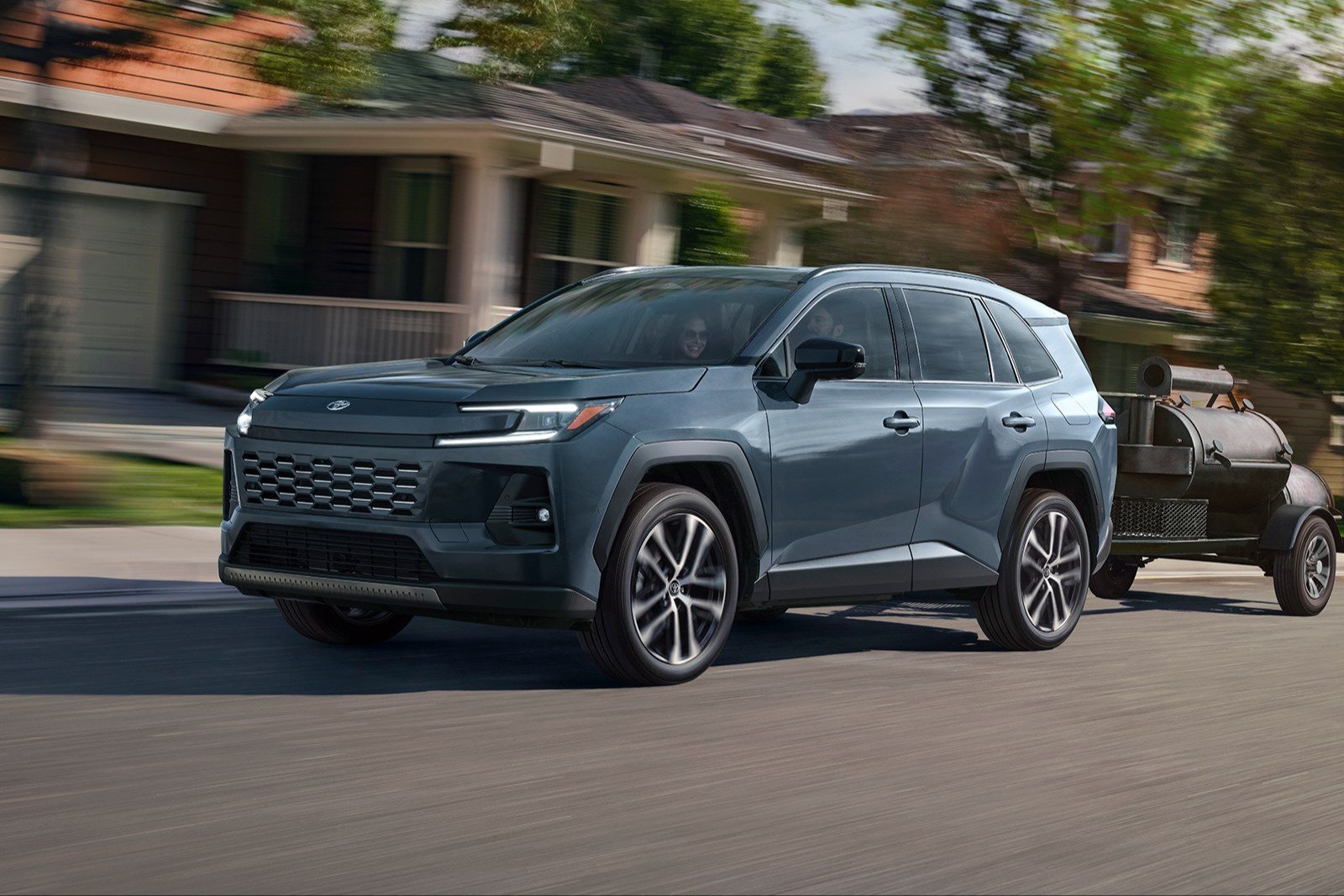
Moving production is the answer automakers give politicians, not buyers. Audi is promising a Georgia plant against the backdrop of tariff talks, with output not before the early 2030s. Plants take years. Price lists take a week.
The case against my view
The strongest argument is that this never happens. Talks are live, the administration is negotiating relief on the very tariffs it threatened to double, and Honda's executive said she still hopes the January increase will be avoided. If the USMCA credit stays, the effective rate on Canadian cars goes from 13% to 26%, not to 50%. Toyota's Kentucky ramp and Honda's shift to Ohio and Indiana also shrink the exposed volume every quarter. And automakers have shown they will absorb billions rather than lose share in their core segment.
I take that seriously, and I still don't think it rescues the buyer. Even the mild scenario doubles the duty on the most supply-constrained car in America. Absorption has a ceiling, and Honda is already signaling it: the company says it is at capacity and in August warned it may not build an eighth North American plant without an extended trade deal.
What would change my mind
A U.S.–Canada agreement or a Section 232 proclamation published before January 1 that keeps the USMCA content credit, or replaces the hike with a quota, would take the worst case off the table and turn this into a margin story for Toyota and Honda, not a price story for families.
I'd also back off if Toyota or Honda publicly commit to holding 2027 MSRPs on the RAV4 and CR-V regardless of the tariff outcome, or if Kentucky's RAV4 output runs well ahead of the 80,000-unit plan for 2027. Finally, if transaction prices for both models stay flat through February 2027 with a higher tariff in force, I'll concede the industry can still eat it.
My read
The "Canada tariff" is aimed at Ottawa and lands in suburban driveways, starting with the RAV4. Whether it costs $3,930 or $15,000 per $30,000 car depends on a credit nobody has defined in writing yet. My bet: some version of a higher rate survives January 1, and with RAV4s already presold, 2027 buyers pay a meaningful share of it.