The 2027 Subaru Outback Got Cheaper. Here's the Uncomfortable Reason Why
Subaru isn't defying inflation. It is refunding part of a 2026 price hike buyers refused, and the cuts land exactly where the new SUV-shaped Outback lost them.
Contents · 7 parts
Subaru will sell you a 2027 Outback for $32,995, which is $2,000 less than the cheapest 2026 Outback, and it lowered sticker prices on five of its seven trims. In a market where Kia just added $5,600 to the entry price of the Sorento plug-in hybrid, that sounds like rare good news, and most of tonight's coverage framed it as Subaru defying inflation.
I read it differently. This is a partial refund on a price increase buyers refused to pay. The cuts land exactly on the trims where the new, SUV-shaped Outback overreached, the cheaper entry point is a new and plainer trim, and getting into an Outback still costs $3,000 more than it did in 2025. Ford's Mach-E repricing, announced the same day, is the same correction coming from the opposite direction.
Subaru cut the trims it overpriced, and only those
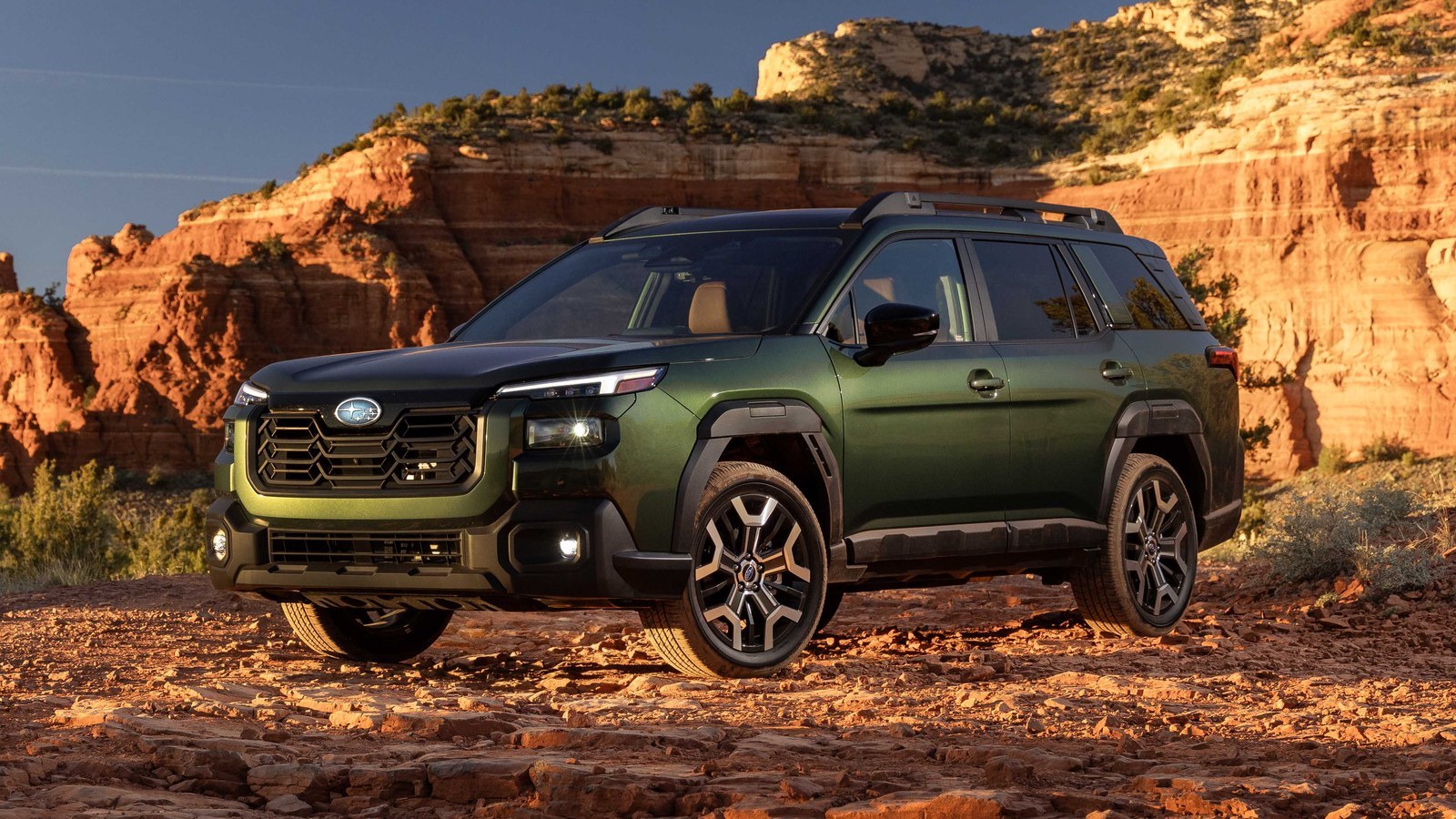
Subaru of America announced 2027 Outback pricing on October 22. The new base trim starts at $32,995 with cloth seats, the 12.1-inch touchscreen, EyeSight, heated front seats, and a power liftgate. The Premium, which was the entry trim for 2026, stays at $34,995. The Limited drops $1,720 to $39,995, the Touring falls $1,900, the Touring XT $1,400, the Wilderness $1,000, and the Limited XT $770. Destination rises to $1,545 from $1,450, so $95 of every cut goes straight back to Subaru.
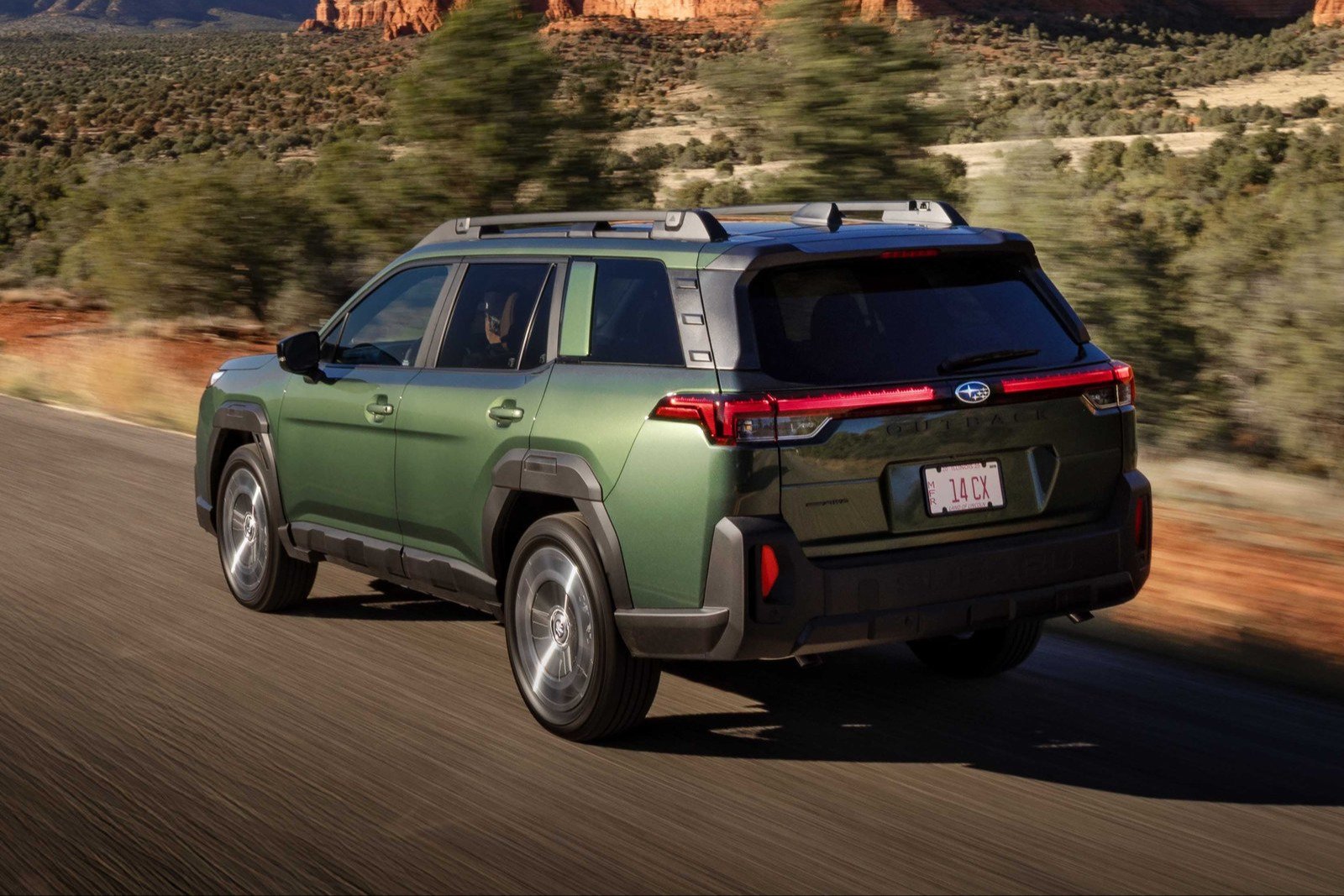
Context matters here. The 2026 Outback was a new generation that traded the old wagon silhouette for a boxier SUV body. Subaru also dropped the base model that year, so the cheapest Outback jumped from $29,995 in 2025 to $34,995, according to its 2026 pricing release. Production moved from Lafayette, Indiana, to Gunma, Japan, which put the Outback under the 15% U.S. tariff on Japanese-built cars.
The cheapest Outback is a new trim, not a cheaper car
The $2,000 headline compares two different cars. The new base trim gives up the water-repellent StarTex upholstery, the 10-way power driver's seat, and the leather-wrapped steering wheel that the Premium includes. The Premium itself did not get a cent cheaper. Line the three model years up and the pattern is plain:
| 2025 MSRP | 2026 MSRP | 2027 MSRP | |
|---|---|---|---|
| Cheapest Outback | $29,995 (Base) | $34,995 (Premium) | $32,995 (Base) |
| Premium | $33,060 | $34,995 | $34,995 |
| Limited | $39,720 | $41,715 | $39,995 |
| Touring | $42,280 | $45,395 | $43,495 |
| Wilderness | $41,710 | $44,995 | $43,995 |
| Touring XT | $44,730 | $47,995 | $46,595 |
Only the Limited is back near 2025 money, within $275. Every other trim still sits $1,200 to $3,000 above its 2025 price. What strikes me is the shape of the cuts: the largest ones went to the Limited and Touring, the well-equipped family trims where the 2026 jump was steepest and where an Outback shopper is most likely to cross-shop a Forester, a RAV4, or a CR-V.
The top of the range tells the same story from another angle. A fully optioned 2027 Wilderness costs $49,085, exactly what it cost for 2026. The $1,000 cut on the base Wilderness moved into its premium option package, which now adds Highway Hands-Free Assist. At the top, the money didn't move; the content did.
Buyers didn't follow the wagon into an SUV
Subaru's own September sales report shows 104,759 Outbacks sold through nine months of 2026, down 10% from 116,413 a year earlier. The Legacy sedan, whose production ended in 2025, fell to 2,208 from 17,047. Subaru's pitch was that the bigger Outback would carry the brand's car buyers with it. Together, the two nameplates are down about 26,500 units, or 20%.
Meanwhile the Forester rose 17.6% to 156,476, and Subaru as a whole slipped only 1.5%. Same dealers, same loyal owners, same economy. The brand didn't lose its buyers. A meaningful share of them simply stopped choosing the Outback once it stopped being the low-slung wagon they knew.
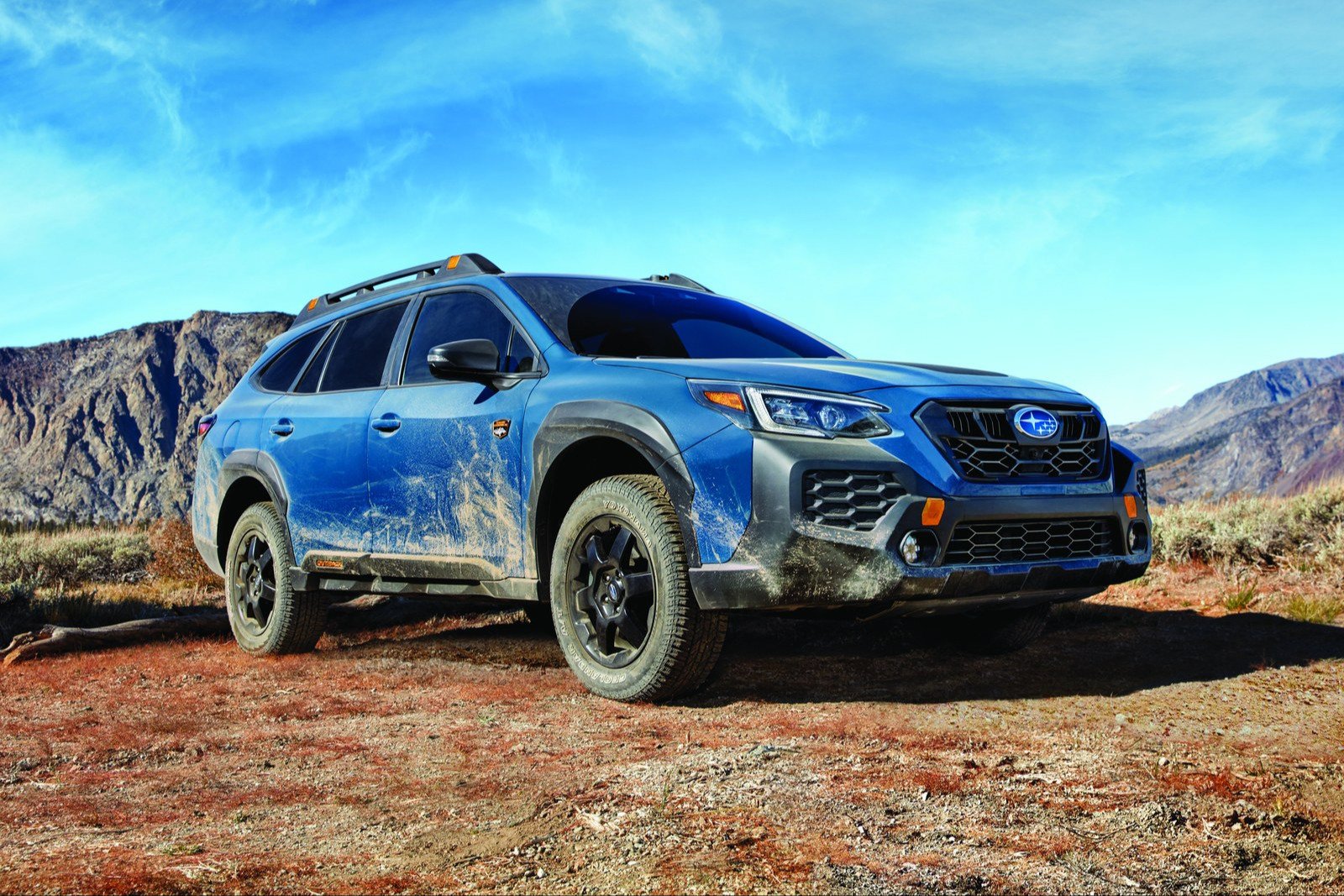
The money side makes the price cut more telling, not less. WardsAuto reported that Subaru posted an operating loss of 36.4 billion yen, about $233 million, for the October–December 2025 quarter and expected tariffs to cut full-year operating profit by 229 billion yen. A company carrying that bill does not give back up to $1,900 a car on an imported model out of generosity. In my view, it does it because the alternative is dealer lots full of Outbacks and bigger incentives later.
Ford made the same move from the other direction
Ford's 2027 Mustang Mach-E drops the standard-range battery and makes the extended-range pack standard, with the Select RWD starting at $39,995 before destination. Read the headline one way and Ford got more expensive: Ford Authority puts the 2026 entry price, with the smaller battery, at $37,795, so the entry point rose $2,200. Read it the way buyers actually shop and it got much cheaper: Electrek reports the extended-range battery started at $45,345 on the 2026 Mach-E, so that configuration falls by roughly $5,350.
Opposite headlines, same decision. Both companies are moving the price of the version people actually want closer to what people will actually pay, and both are letting the entry sticker tell a misleading story. Subaru's entry price fell while most of its lineup stayed above 2025. Ford's entry price rose while its volume configuration got cheaper.
The case against my view
The strongest counterargument is that none of this is a retreat. Subaru launched a new generation with a richer entry trim, as automakers often do, and is now filling in the bottom of the ladder on schedule. Outback sales rose 1.9% in September, the first quarter of the year was distorted by the production move from Indiana and by buyers who rushed in ahead of tariffs in early 2025, and a Forester taking Outback buyers is a win for Subaru, not a failure.
Part of that is fair. The production changeover explains a lot of the first quarter, and Forester cannibalization is real. But it does not explain a 10% gap after nine months, long after supply normalized, and one month at +1.9% still leaves the Outback 11,654 units behind for the year. And if this were only lineup tuning, Subaru would have added the base trim and left the rest alone. Instead it cut five trims while paying a tariff on every one of them. That is margin given back, and companies give back margin when the price isn't working.
What would change my mind
If Outback sales for October through December 2026, which Subaru reports monthly and will finish publishing in early January, come in up by double digits year over year without a visible jump in incentives, the lineup-tuning explanation wins and I was reading too much into a launch-year price reset.
I would also reconsider if Subaru's next quarterly report, due in November, shows U.S. incentives per vehicle falling while Outback volume rises. That would mean the cut was planned positioning rather than a response to demand. And if the new base trim turns out to be a large share of Outback sales, the real story is a cheaper product mix, not a cheaper Outback.
My read
The 2027 Outback is cheaper than the 2026 Outback, not cheaper than the Outback. Subaru priced a new generation like an SUV, built it under a tariff, and lost a fifth of its combined Outback and Legacy volume, and now it is walking back the trims where the gap was widest. If you are shopping, the honest deal is the Limited at roughly 2025 money, not the stripped-down base trim, and any dealer still holding 2026 Outbacks has every reason to go well below sticker.