GM Now Makes More Per Car Than Last Year. Toyota, Tesla and Hyundai Don't
A German ranking of profit per car looks like a tariff map. It is really a pickup map, and it shows who can afford year-end discounts.
Contents · 8 parts
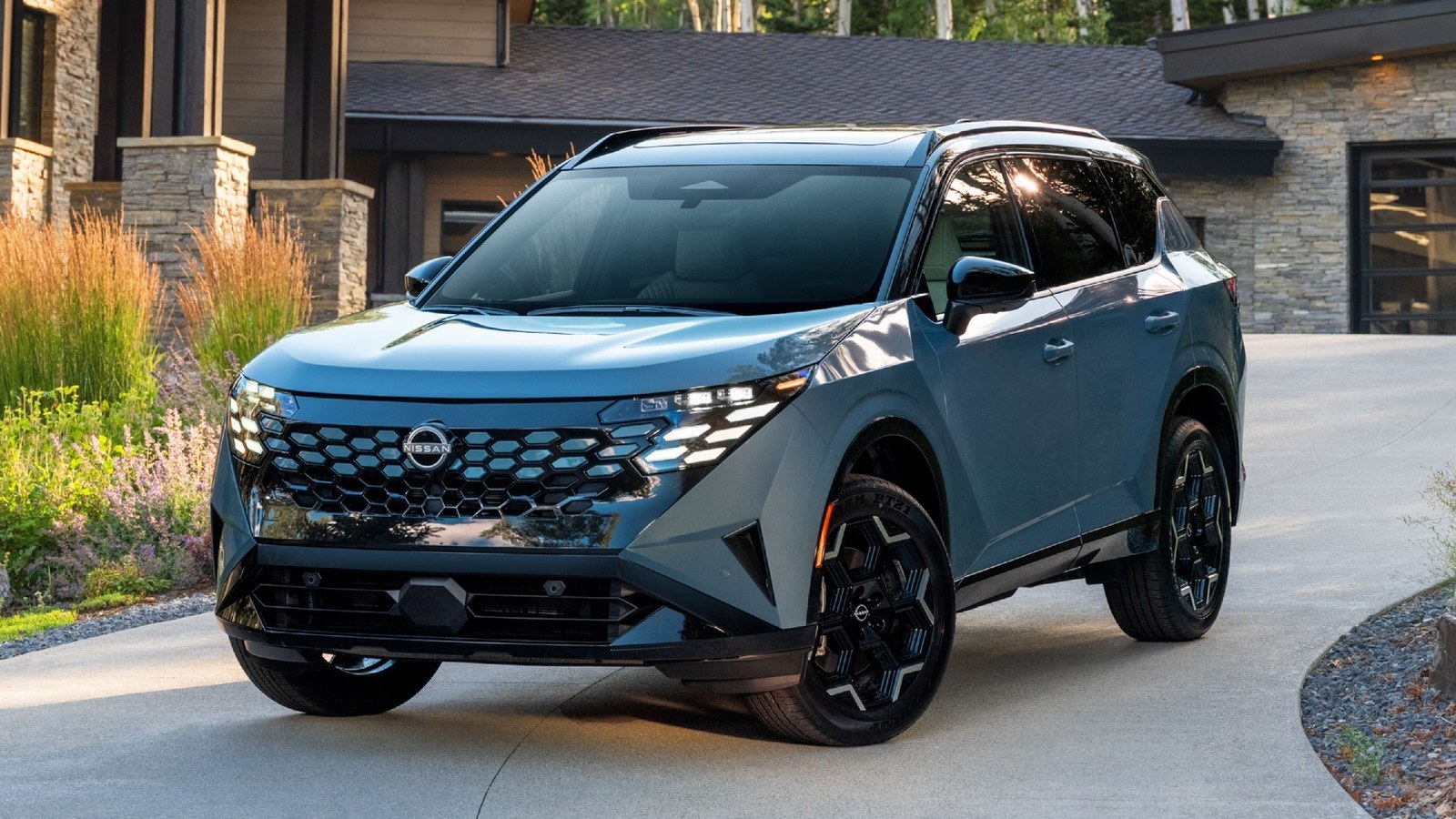
General Motors earned €1,670 of operating profit on every vehicle it sold in the first nine months of 2026, 29% more than a year earlier. That figure comes from a comparison of 21 automakers published November 12 by Germany's Center of Automotive Management. Toyota still earned more, €1,857, but its figure fell 20%. Hyundai also fell 20%, to €1,583. Tesla fell 39%, to €1,335, and now sits below GM.
The easy reading is that this table maps tariffs: build in America and win, ship from Asia and lose. I don't buy it. GM pays billions in tariffs and still went up. Toyota and Hyundai look worse mainly because of which months are being compared, and their latest quarters already point the other way. My read is that the table sorts automakers by who sells $68,000 pickups and who has stopped losing money on EVs. For anyone buying a car this December, that matters more than any tariff headline.
A German ranking of operating profit, not net income
The Center of Automotive Management (CAM), run by Professor Stefan Bratzel, divides each group's operating profit (EBIT) by the number of vehicles the group sold. That is profit before interest and taxes, not net income. Across the 15 automakers where CAM could make that calculation, the average fell from €1,409 to €1,363 per vehicle. Across all 21, total EBIT dropped 11% to €60.4 billion while revenue slipped only 1.9%, and the revenue-weighted margin fell from 4.0% to 3.6%.
Volkswagen earned €12 per vehicle because it booked €8.7 billion of special items, including a €6.4 billion write-down of Porsche goodwill. Without those items, its margin would be about 3.8%. Stellantis earned €250. At mid-November exchange rates of roughly $1.11 per euro, GM's figure works out to about $1,850 per vehicle and Toyota's to about $2,060.
GM's gain comes from pickups, not from building in America
Here is how the companies that matter most to US buyers moved, by CAM's count:
| EBIT per vehicle, Jan–Sep 2026 | Change vs. 2025 | EBIT margin, 2025 → 2026 | |
|---|---|---|---|
| Toyota | €1,857 | −20% | 8.4% → 7.0% |
| General Motors | €1,670 | +29% | 4.7% → 5.6% |
| Hyundai (margin: Hyundai-Kia) | €1,583 | −20% | 7.5% → 6.3% |
| Tesla | €1,335 | −39% | 4.2% → 2.6% |
| Stellantis | €250 | — | −7.5% → 0.9% |
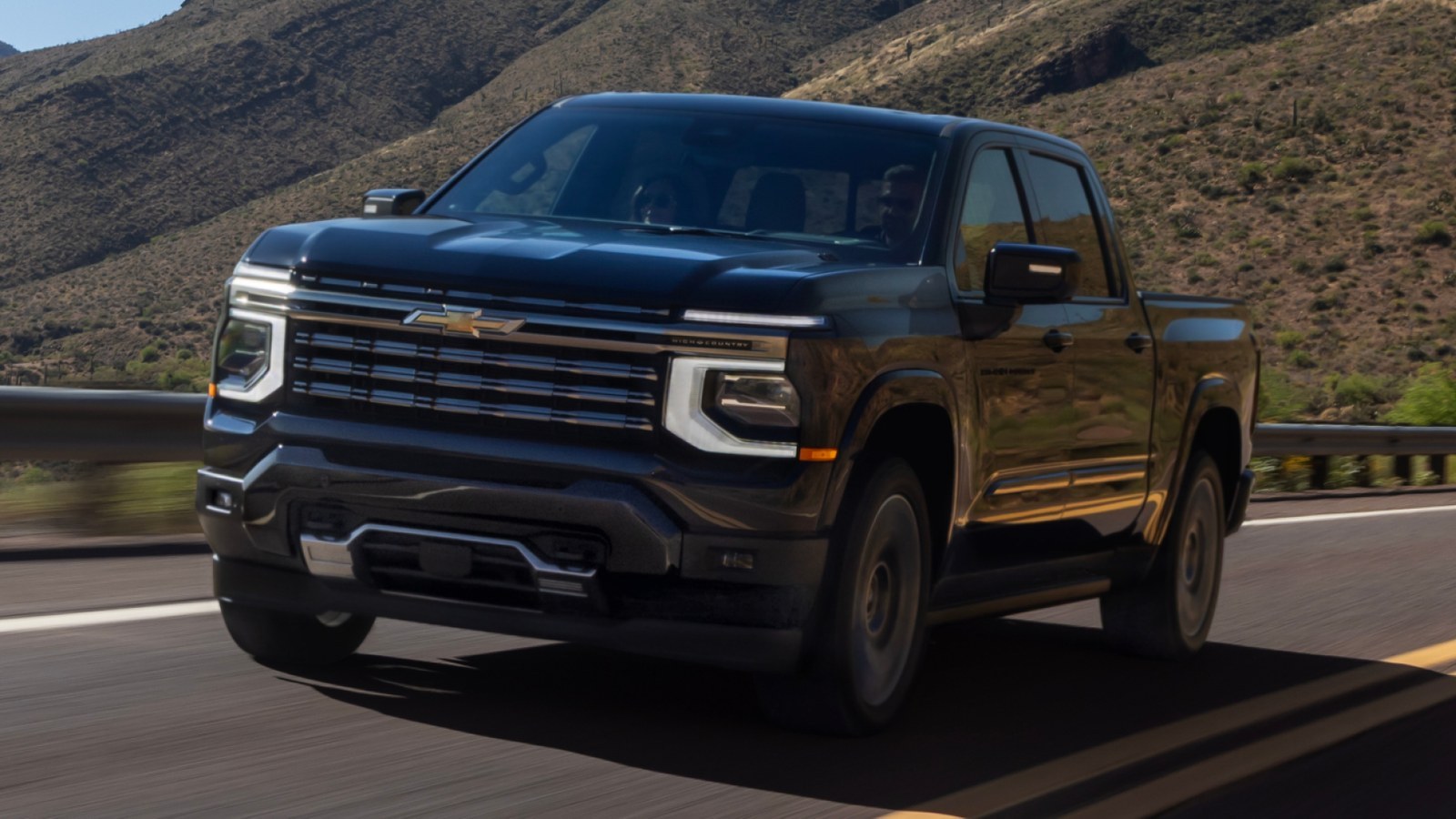
CAM credits GM's gain to a richer mix in North America and lower warranty and EV-related costs. GM's own third quarter says the same thing more loudly. North American EBIT-adjusted rose 43% to $3.59 billion, an 8.7% margin, on higher wholesale volume, better mix and warranty savings. In October, the average full-size pickup sold for $67,912, according to Kelley Blue Book.
This is where the tariff explanation stops working. GM is not a purely domestic builder: Reuters reported last year that it has imported about half of the vehicles it sells in the US, mainly from Mexico and South Korea. GM expects $2.5 billion to $3.5 billion in gross tariff costs this year, and its profit per vehicle rose anyway. The way I see it, GM can absorb the tariff bill because its trucks earn so much. Tariffs are not why the trucks earn it.
Ford's margin rose from 1.7% to 3.1% on commercial vehicles, services and smaller EV losses. Both Detroit gains depend as much on losing less on electric cars as on earning more from trucks.
Toyota and Hyundai are compared with a year that had no tariffs at the start
CAM blames Hyundai-Kia's slide above all on US import duties. That is correct, but look at the window: January–September 2026 against January–September 2025. The tariff bill only started last spring. Hyundai's own figures show its tariff cost rising from ₩828 billion in the second quarter of 2025 to ₩1.8 trillion in the third. So the first quarter of 2026 carries a cost that its comparison quarter never had.
The most recent quarters point the other way. Hyundai's third-quarter operating profit rose 5.5% to ₩2.68 trillion. Toyota's North American business lost money in the fiscal year that ended in March, after a tariff hit of about ¥1.4 trillion. In April–September it swung to a ¥132 billion profit, which Toyota attributes to price increases and a smaller tariff impact. I looked at who paid for that recovery earlier this month. And even after its 20% drop, Toyota still earns more per vehicle than GM.

Hyundai is the one I would watch. It cut its 2026 margin forecast to 5.5%–6.5%. Its head of finance expects a tariff bill this year close to last year's roughly ₩4 trillion. Meanwhile the won has strengthened, from an average of 1,423 per dollar in the third quarter to around 1,330 in late October, which shrinks the profit on every car Hyundai exports.
Tesla has spent its cushion on AI and robots
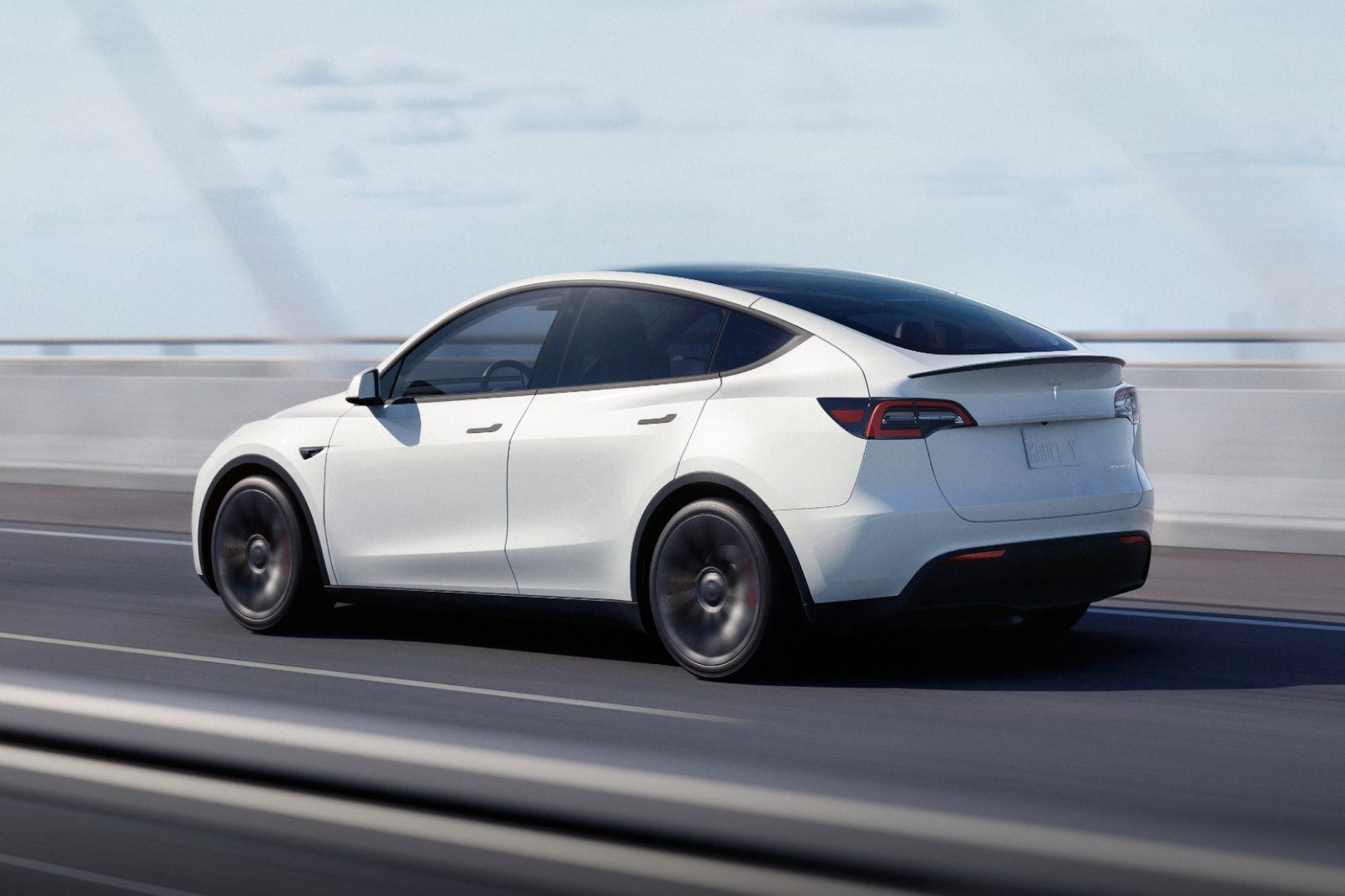
For Tesla, CAM does not blame tariffs at all. It points to purchase incentives, lower income from emissions credits and heavy spending on AI. Tesla's third quarter backs that up. Gross margin actually improved to 19.6%, but operating margin fell to 2.6% from 5.8%. Regulatory credits brought in $113 million, down from $417 million, and R&D jumped 69% to $2.76 billion. The profit is going into projects that have not yet earned anything. That was my read of the Tesla quarter in October, and CAM's numbers confirm it.
Honda belongs in the same category, outside the tariff explanation. Its margin went from 3.2% to −2.0% largely because of canceled EV programs, which cost it ¥484.8 billion in operating profit in the six months through September.
Who can afford discounts before New Year's
Profit per vehicle is the cushion for incentives. In October, industry incentives averaged $3,490, or 6.8% of the transaction price, according to the Kelley Blue Book October report.
GM has the cushion and a reason to spend it. It is switching over to new full-size pickups. Its Fort Wayne plant will stop for four weeks from mid-December, and it expects about 35,000 fewer full-size pickups in the fourth quarter than a year earlier. GM wants dealer stock at 50 to 60 days' supply by year-end, and its own deck notes that clearing outgoing trucks already brought "slight pricing softness" in the third quarter. My bet is that the best full-size truck deals of 2026 will be on outgoing Silverados and Sierras in December. After months of buyers paying for GM's truck profit, a changeover is the rare moment when they pay less.
Toyota has the cushion but no reason to use it. Its finance chief credits low incentive levels and lean dealer inventory for its North American results. I would not expect generous RAV4 deals. Tesla has little cushion, so any price cut would come out of the AI budget. Stellantis, at €250 per vehicle, has almost nothing left to give, which is exactly why its discounts are worth watching.
The case against my view
The strongest objection is that EBIT per vehicle mixes very different businesses. Mercedes-Benz tops the table at €4,198, up 31%, yet CAM itself notes that EBIT at Mercedes-Benz Cars fell about 56%. The gain came from financial services and vans. GM's figure includes GM Financial, so it is not a pure measure of car profit either. Exchange rates distort the comparison, and CAM itself says different profit definitions limit it. On that view, ranking GM against Toyota here is meaningless.
I agree, which is why I use the table for direction and check each company's own quarterly report for the reasons. The GM direction holds up there: GM Financial's earnings actually fell 17% in the third quarter, so the finance arm is not what lifted GM. One could also argue that tariff relief helped GM: it booked a favorable adjustment of about $0.5 billion after the Supreme Court ruling on tariffs collected under emergency powers. That is real money, but it is small next to $3.59 billion of North American profit in a single quarter.
What would change my mind
If Hyundai's fourth-quarter report in late January, or Toyota's October–December results in early February, shows North American profit sliding again with no change in tariff rates, then tariffs are still biting and my calendar argument is wrong.
If Kelley Blue Book data for November and December show GM incentives on full-size pickups flat or falling during the changeover, then GM does not need to discount and my deal call is wrong. GM's fourth-quarter report in late January will settle that.
If Tesla's fourth-quarter operating margin returns above 5% without a jump in regulatory credits, then Tesla has more room than I give it credit for.
My read
CAM's table is not a tariff scoreboard. It is a lagging snapshot that captures Toyota's and Hyundai's worst tariff months and GM's best pickup months. The useful question it answers is who can afford to cut prices. GM can and has to, Toyota can but won't, and Tesla mostly can't.