Tesla's Q3 Numbers Are the Real Case for a SpaceX Merger
Tesla's cars won back their margin in the third quarter. The company spent it on AI, and the merger vote Musk described counts his own shares.
Contents · 6 parts
Tesla reported $28.05 billion in third-quarter revenue on Wednesday, flat from a year ago, and operating income that fell 56% to $718 million, according to the figures Tesla published after the close. Non-GAAP earnings of $0.48 a share beat the forecast.
The timing is the story. On October 20, a day before those numbers, Elon Musk told SpaceX investors that independent directors at both companies had formed special committees to study a merger. On Monday I wrote that a committee like that would make me rethink what Tesla's proxy was preparing for. It hasn't, and Musk explained why himself.
Here's what the headlines miss: the committees arrived together with a voting rule that counts Musk's own stake, in a quarter when the cars won back their margin and the company spent it on something else. I think that combination tells car buyers more than any line in the update deck.
Musk named the committees, then named the hurdle
SpaceX, now listed on Nasdaq as SPCX, reported third-quarter revenue of $14.6 billion, up 161% from a year earlier, with net income of $4.4 billion and adjusted EBITDA of $8.8 billion, up 306%. The filing doesn't mention Tesla. The merger came up only on the call.
There, according to Fortune's account of the call, Musk said the committees were formed at shareholders' request, that he is a conflicted party and can't sit in their discussions, that no terms have been agreed and that a deal is far from certain. He added that Tesla would need a majority of all outstanding shares, which he called a high hurdle. As of Wednesday evening, Tesla had not filed anything with the SEC about its committee.
At Tuesday's closing prices, SpaceX was worth about $2 trillion and Tesla close to $1.5 trillion. SpaceX shares rose about 8% in premarket trading on Wednesday.
The cars won back their margin, and the company spent it
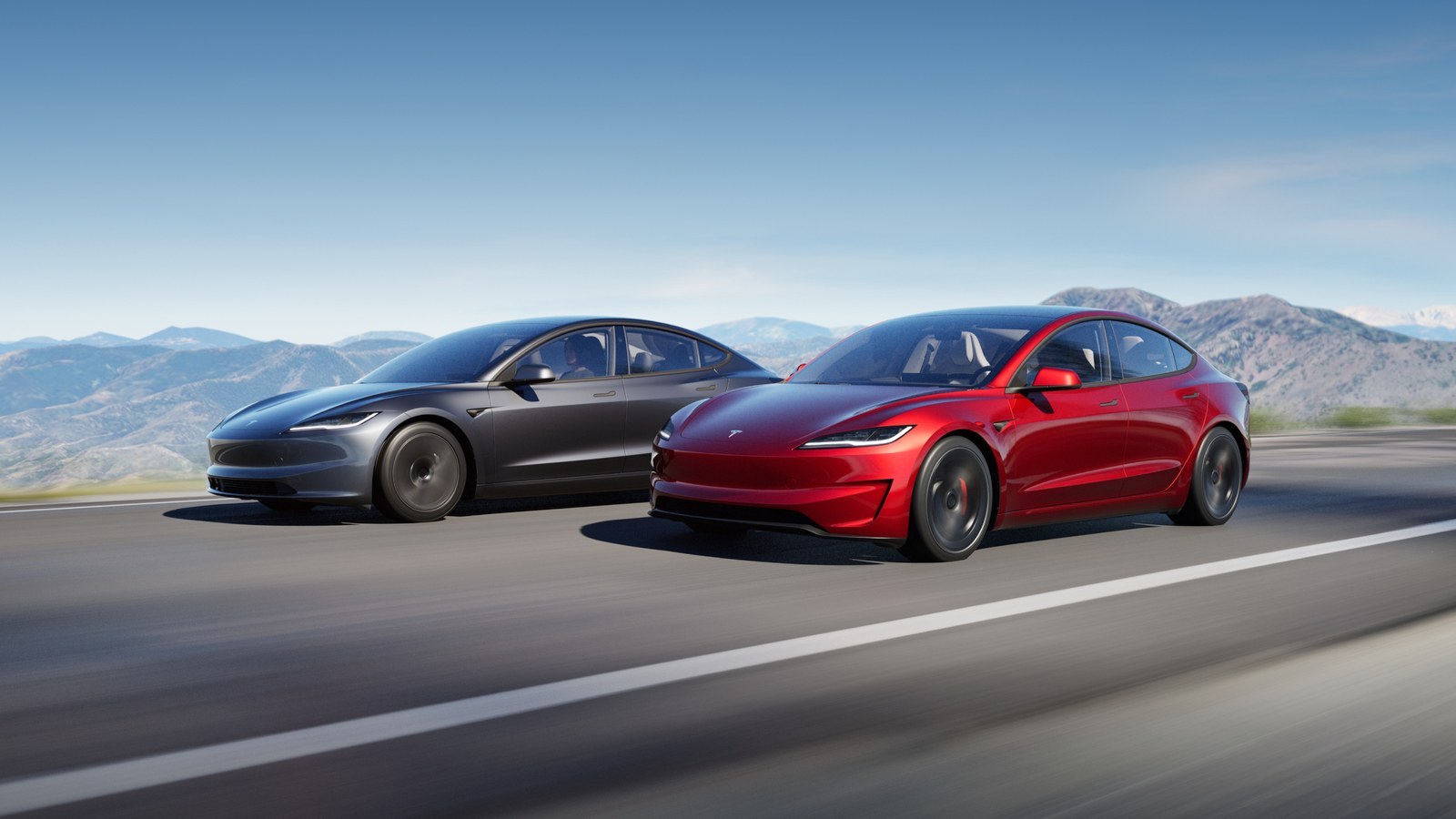
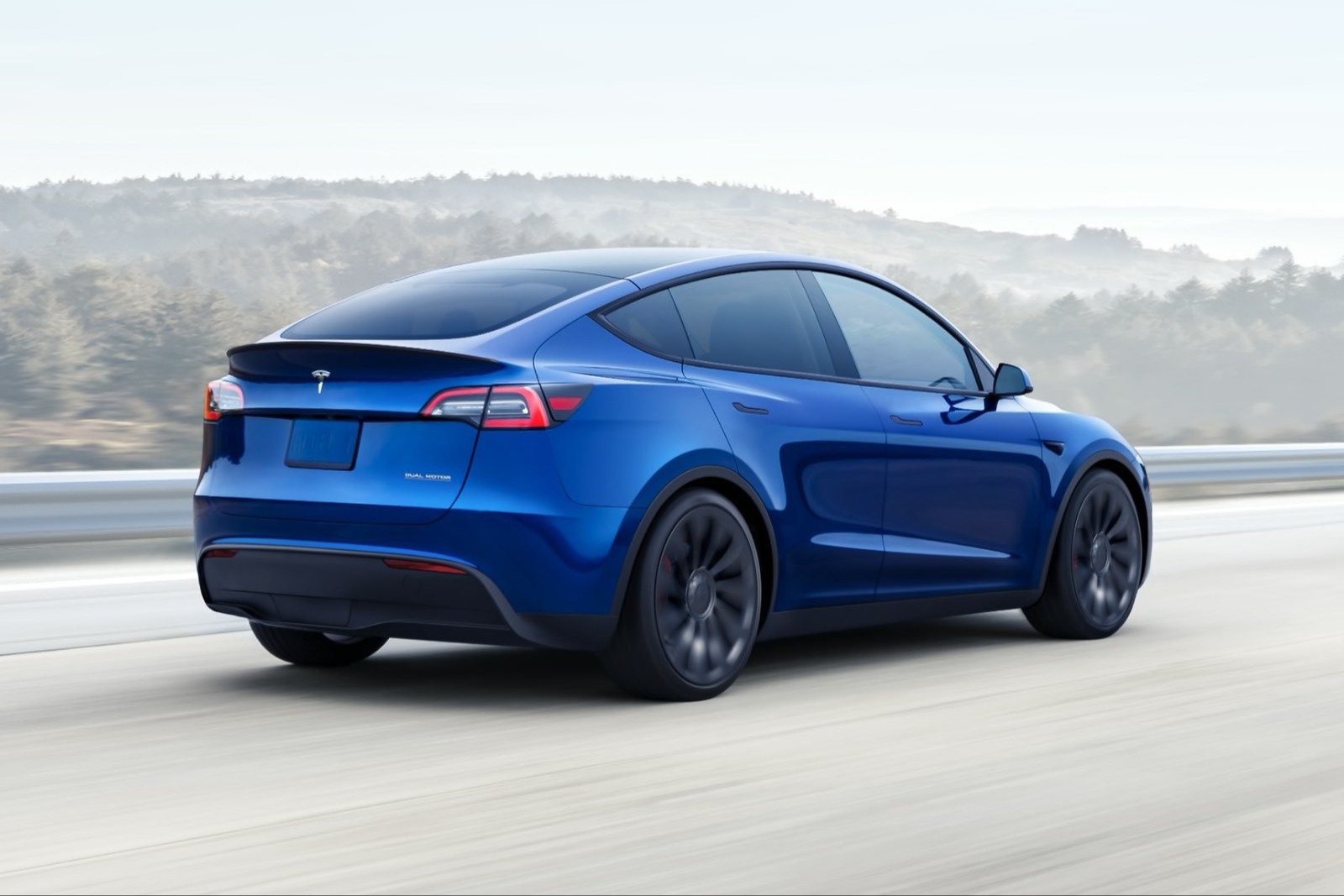
Volume was never the problem this quarter. Tesla's own release shows it delivered 486,532 vehicles and built 464,391. Deliveries were 2.1% below the record of Q3 2025, but well above analyst expectations. Model 3 and Model Y accounted for 478,237 of them.
The car business did its job. Automotive gross margin excluding regulatory credits rose to 18.1%, from 16.3% in the second quarter and 15.4% a year earlier. Services and other, which includes charging and insurance, grew 33% to $4.61 billion. Regulatory credits, once almost pure profit, shrank to $113 million from $417 million.
Then the money went elsewhere. Operating expenses rose 39% to $4.78 billion. Research and development jumped 69% to $2.76 billion as Tesla funds what it calls Super Intelligence, Optimus and Cybercab, and capital spending more than doubled to $4.73 billion. The operating margin ended at 2.6%, against 5.8% a year ago. GAAP net income fell 43% to $787 million, and that figure includes a $142 million unrealized loss on Tesla's own stake in SpaceX.
Tesla also says battery supply capped volume and that its order backlog is the largest in four years. Average selling prices still fell. A carmaker that is short of supply and long on orders usually raises prices, so I don't buy the backlog as the whole explanation.
In my view, this is the real case for the merger, and it isn't flattering to the cars. The vehicle business has become the cash source for a strategy whose center of gravity already sits at another company.
| Tesla Q3 2026 | SpaceX Q3 2026 | |
|---|---|---|
| Revenue | $28.05 billion | $14.6 billion |
| Revenue growth, year over year | flat | +161% |
| Operating income | $0.72 billion | $2.8 billion |
| Net income | $0.79 billion | $4.4 billion |
| Market value, Oct. 20 close | about $1.5 trillion | about $2 trillion |
The American picture is harder. Cox Automotive estimates Tesla sold 144,094 cars in the U.S. in the third quarter, down 19.7% from a year earlier, while its share of the shrinking EV segment edged up to 54%. Model S and Model X, the cars Tesla has said goodbye to, sold 215 and 173 units in America in three months.
A majority of all shares protects Musk's math, not the car business
"A majority of all outstanding shares" sounds strict. Count the votes and it looks different. Tesla's proxy lists Musk as the beneficial owner of 19.8% of the company. If his shares count toward the majority, and nothing he said suggests otherwise, a deal needs less than 40% of everyone else's shares. In a contested vote that is a high bar. In a vote recommended by the board, with Tesla's new standing retail instructions able to follow the board on every matter, it is a reachable one.
The safeguard I said would change my mind was different: approval by a majority of shareholders other than Musk. That condition is standard when a controlling holder sits on both sides of a deal. So far, nobody at either company has offered it.
Why does this matter to someone shopping for a Model Y? Because the committees negotiate value, and value in this deal comes overwhelmingly from the other side of the table. A Tesla that arrives as the junior partner sells its car business at the multiple of a car business. After that, decisions about price cuts, the Supercharger network and how long a five-year-old car keeps getting software are made by a company that earns its money from satellites and AI compute. The way I see it, buyers should price that in now.
The case against my view
The strongest objection is that this quarter argues against me. Tesla beat the delivery consensus by more than 24,000 cars, matched last year's revenue without the $7,500 federal tax credit that pulled demand into the third quarter of 2025, lifted its auto margin and turned free cash flow positive at $1.53 billion after burning $1.09 billion in the second quarter. A car business in decline doesn't do that.
The synergies are also real. Musk lists AI software, chip design, robotics and connectivity, and the companies already trade with each other: in 2025 Tesla booked about $430 million in revenue from xAI, now part of SpaceX, mostly for Megapack batteries. A combined company could put Starlink in every car and SpaceX compute behind self-driving without arms-length contracts.
I accept all of that, and the margin rebound is real. But synergies describe why a deal could create value, not who keeps it. The car buyer's question is what share of a combined company's attention and capital the cars would get, and on this quarter's numbers the answer is: less than they get today.
What would change my mind
If Tesla's committee publicly commits to a majority-of-the-minority vote before any terms are announced, I would treat the process as genuinely independent. That is a statement the committee could make at any time; it doesn't need a deal.
If Tesla's 2027 capital plan, which Musk may sketch on tonight's call at 5:30 p.m. ET or with fourth-quarter results in January, puts new affordable models and battery supply ahead of AI compute, I would stop reading the car business as the funding source for someone else's strategy.
And if the committees wind down without a proposal by the end of March 2027, the timing of this quarter will look like coincidence, and I will say so.
My read
Tesla's third quarter is the best evidence in a year that the cars still work: margins are up and cash flow is back. It is also clear evidence that the company no longer wants to be judged by them. A merger decided by a vote that counts Musk's own fifth of the shares would lock that priority in. If you are buying a Tesla this year, judge the car by what it does today, and don't pay extra for a roadmap written for a different company.