Tesla's Proxy Builds the Plumbing for a SpaceX Deal — Car Buyers Should Notice
Tesla's proxy proposes no merger. But a new auto-vote program and the CEO pay plan now make a SpaceX deal easy to pass, and cars a side bet.
Contents · 6 parts
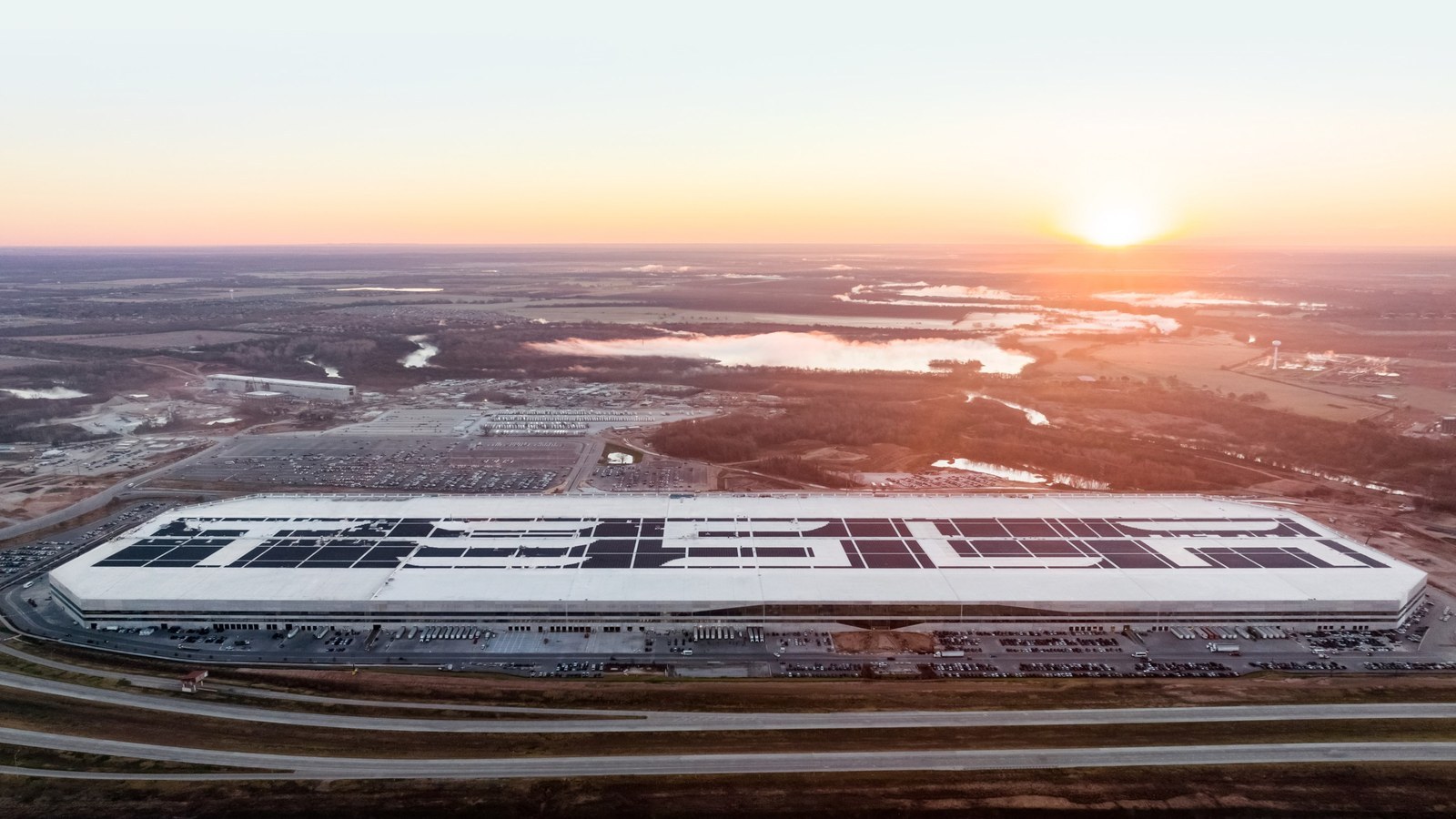
Tesla filed its 2026 proxy statement on October 19, and the word "merger" does not appear in a single proposal. Shareholders meeting at Gigafactory Texas on December 3 will vote on three routine items. That is exactly why the filing deserves a slow read.
Here's what the headlines miss: almost everything that looks like merger plumbing in this document was built earlier, and the one genuinely new piece fixes the problem that has tripped Tesla up before, which is getting retail shareholders to vote at all. I think the proxy shows a company that could now be sold to SpaceX quickly and with few obstacles. For anyone buying a Tesla, that matters more than any feature update.
Three routine votes and one new standing order
The definitive proxy asks shareholders to re-elect three Class I directors (Elon Musk, board chair Robyn Denholm and JB Straubel) to three-year terms, to approve 2025 executive pay in a non-binding say-on-pay vote, and to ratify PricewaterhouseCoopers as auditor. Tesla's nine-member board is split into three classes with staggered terms, so the seats on the ballot run until 2029.
The new element sits in the Q&A section. Tesla has adopted a Voluntary Retail Voting Program: after voting this year, retail investors can give the company a standing instruction for all future meetings. There are two settings, and both vote with the board. One applies to every matter. The other carves out contested director elections and any merger, acquisition or divestiture that needs shareholder approval. Nobody can enroll in a standing vote against the board. Tesla described the enrollment screens on ProxyVote.com and Robinhood in a same-day supplemental filing.
Why turnout, not the board, is the real lever
A staggered board is not news at Tesla; it has been the structure for years. What has repeatedly failed is retail participation. The proxy itself admits that management's proposal to eliminate supermajority voting requirements failed at the 2025 annual meeting, even with 73.6% of shares taking part. Tesla says it has one of the largest retail bases of any public company. Getting those holders to show up has been the hard part, as the 2025 result shows.
A standing instruction turns those silent shares into reliable "for" votes. It only applies to future meetings, not December 3, which is the detail that interests me most. A program that cannot help this year's ballot is built for a ballot that hasn't been scheduled yet. My bet is that the next vote this program matters for is not an auditor ratification.
The pay plan points the same way. Under the 2025 CEO Performance Award, approved by shareholders in November 2025, Musk can earn 12 tranches of 35,311,992 shares each by hitting market-value steps that start at $2 trillion, plus operational milestones. In a change in control, unearned shares can become earned based solely on market capitalization. The operational test falls away. By my arithmetic from the proxy's own table, a deal that valued Tesla at $3 trillion would unlock three tranches, roughly 105.9 million shares. Separately, 286.4 million restricted shares from the reinstated 2018 award, scheduled to vest in January 2028, vest early on a change in control if Musk is still running the company.
The car business is shrinking inside the story
Now look at what the cars are earning. The proxy's pay-versus-performance table gives the clearest three-year picture Tesla has published in one place.
| 2023 | 2024 | 2025 | |
|---|---|---|---|
| Revenue | $96.8 billion | $97.7 billion | $94.8 billion |
| Net income | $15.0 billion | $7.2 billion | $3.9 billion |
| Net margin | 15.5% | 7.3% | 4.1% |
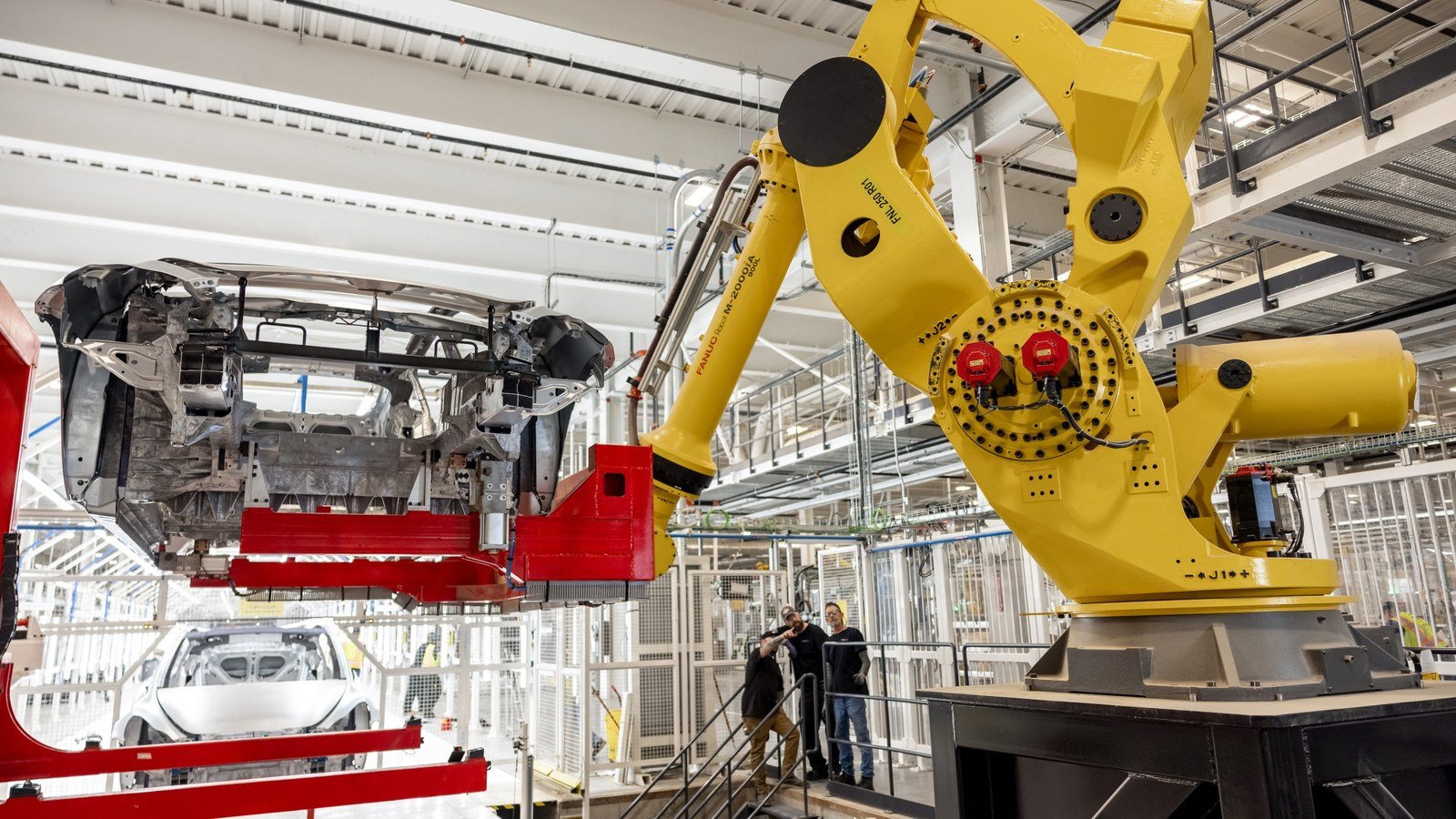
Net income fell 46% in 2025. Sales held roughly flat while profit kept sliding. In my view, that is what a carmaker looks like when it funds a robotics and AI pivot out of its car business. Tesla now describes its own trajectory as a move away from a hardware-centric business toward what it calls physical "super intelligence." It held a sunset event for the Model S and Model X and started producing the Cybercab at Gigafactory Texas this year.
SpaceX is moving in the opposite direction on scale. According to Reuters, it reported $7.8 billion in second-quarter revenue and spent $15.8 billion on AI capital expenditure in that single quarter, after absorbing xAI in February ahead of a June IPO priced at $135 a share. Tesla expects capital spending above $25 billion for all of 2026. The ties are already financial: Tesla put about $2 billion into xAI, which converted into SpaceX stock in March, and booked $430.1 million in 2025 revenue from xAI, mostly Megapack batteries, plus $143.3 million from SpaceX, mostly vehicles.
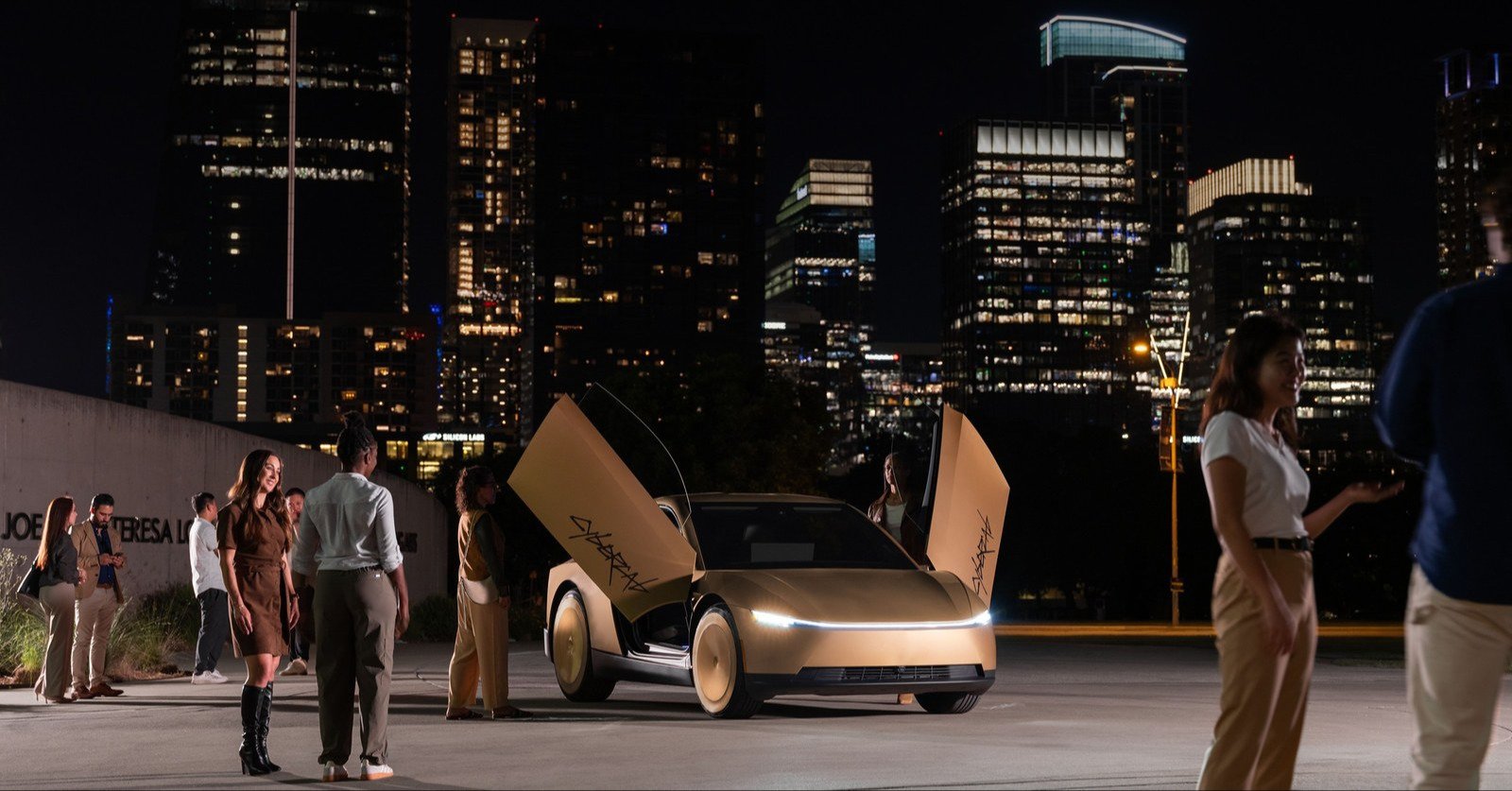
The way I see it, inside a combined company the car unit becomes a cash-generating division sitting next to a rocket, satellite and AI business that burns money at a far larger rate. Decisions about Model Y pricing, service network spending and how long older cars keep getting software support would then be made by people for whom cars are the least exciting line on the balance sheet.
The case against my view
The strongest objection is simple: there is no merger proposal, and none of these mechanisms requires one. The retail voting program is a near copy of the template the SEC staff cleared for ExxonMobil in September 2025, including the same carve-out for mergers. ExxonMobil presented it as a way to lift retail turnout, and it was not selling itself. The change-in-control clause was public a year ago, and Musk said in July, as quoted by Teslarati, that combining companies is not something he can discuss on an earnings call.
All fair. But the objection proves the pieces are defensible one at a time, not that they are unrelated. Musk owns 19.8% of Tesla, and the market is pricing a deal openly: Barclays analysts, cited by Reuters, suggested an announcement could come before the December meeting, with SpaceX as the likelier buyer. When independent analysts and the company's own governance point the same way, I stop calling it coincidence.
What would change my mind
If Tesla's third-quarter call on October 21 includes a capital plan that puts vehicle programs, not AI compute, at the center of 2027 spending, I would read the proxy as defensive housekeeping rather than preparation.
The same goes if the independent directors form a special committee with outside advisers and say publicly that any SpaceX transaction would need approval from a majority of shareholders other than Musk. And if no deal is announced by the end of the first quarter of 2027, the retail program looks like what Tesla says it is: a turnout tool.
My read
This proxy does not announce a merger, and nobody should treat one as decided. What it does is remove the last practical hurdle, retail turnout, from a path that the pay plan and the SpaceX stake had already laid out. If you are buying a Tesla today, buy it for what the car does now, not for promises that depend on the company keeping cars at the center of its plans.