Porsche's Mission S Isn't Saving the Gas Engine. It's Putting a Price on It
Porsche didn't abandon EVs in New York. It made the electric car its entry ticket and turned the combustion engine into what you pay extra for.
Contents · 6 parts
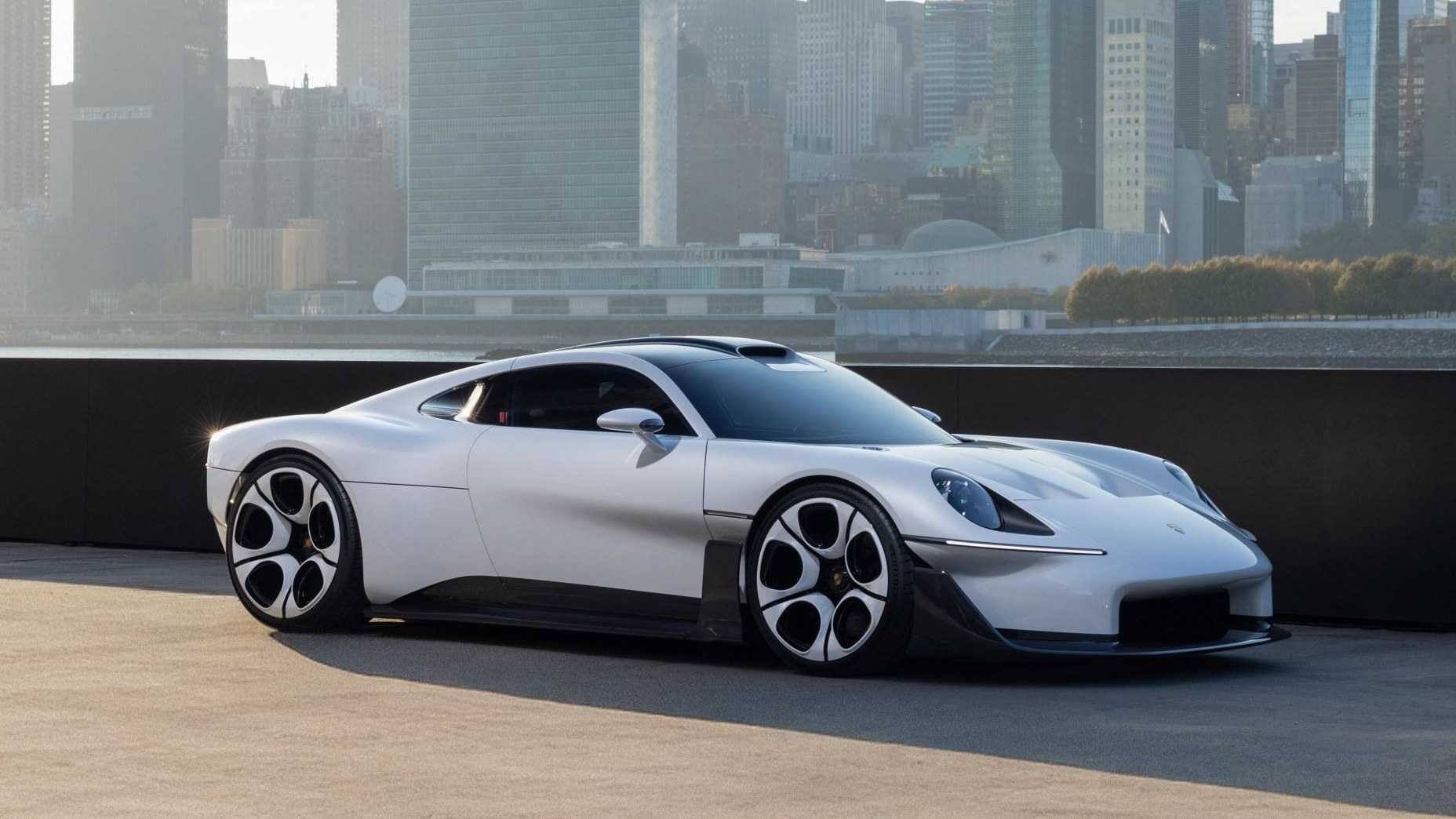
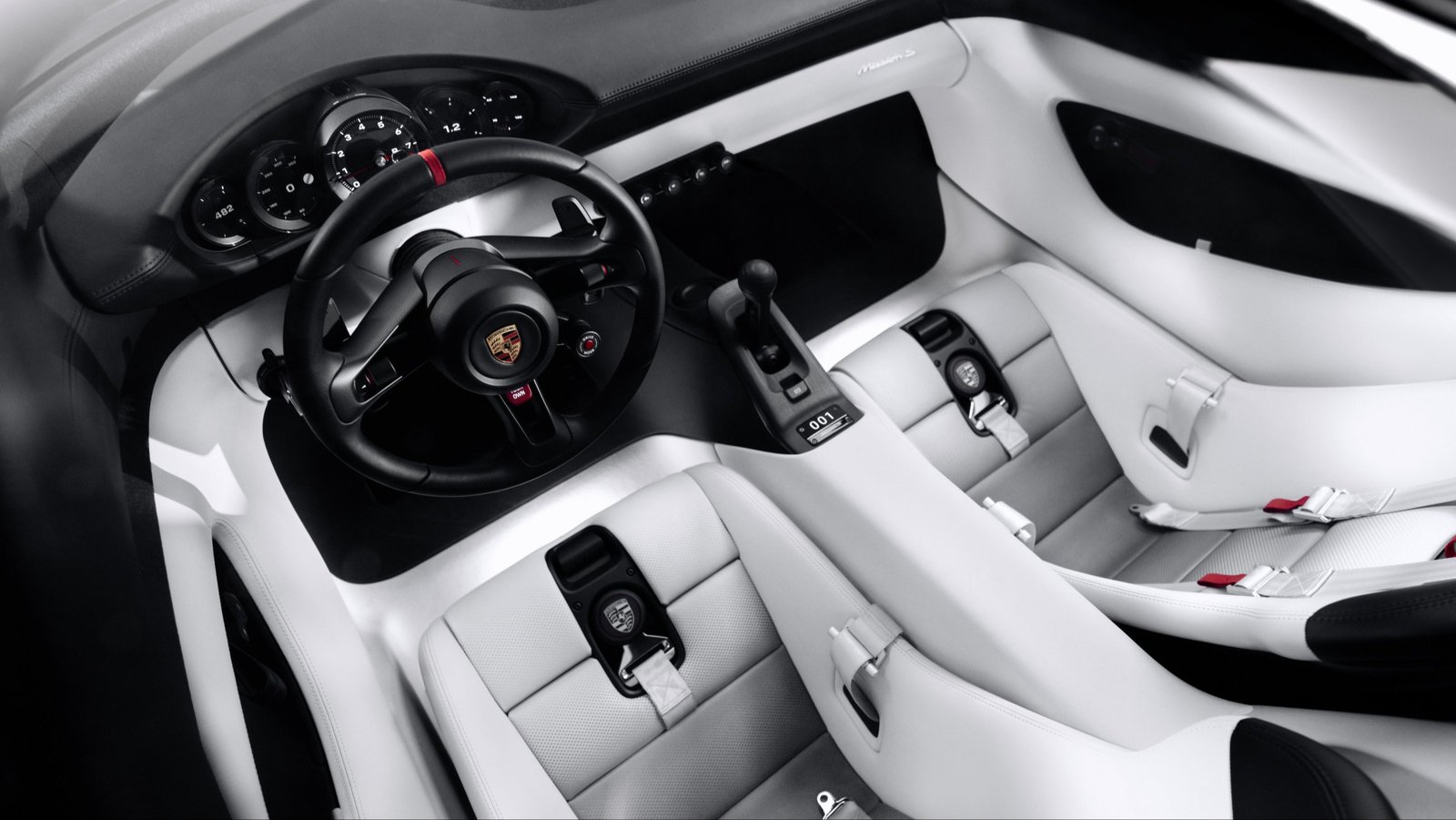
Porsche rolled out the Mission S on a pier in Queens on October 15 and promised something it has never sold before: a mid-engined super sports car that sits above the 911 and stays in the lineup, rather than another limited-run hypercar.
Most of the coverage is about the rev counter, the missing center screen, and whether there will be a manual. Here's what the headlines miss: the Mission S is not Porsche walking away from electric cars. That retreat happened a year ago. What I see in New York is the next step. Porsche is turning the combustion engine into a luxury option, parked at the top of the range, while its cheapest sports car goes electric.
In other words, gas power isn't being saved at Porsche. It's being repriced.
A permanent halo, unveiled eight days after a margin plan
CEO Michael Leiters describes the car as a super sports car platform positioned above the 911 and meant as a permanent addition to the range, not a one-off, in Porsche's Mission S release. Porsche did not name the powertrain. Its materials mention a centrally mounted engine, a 917-style cooling fan, and an analog rev counter, but no fuel type, output, price, or date. The Drive reports the car will use internal combustion and points to a September report of a possible price near half a million dollars. Porsche has confirmed neither. The shifter carries PRND markings and sits next to metal paddles, so a manual looks unlikely.
The timing matters. On October 7, Porsche presented its Sportwagenschmiede '35 strategy: "Value over Volume," a break-even point below 200,000 cars, and a medium-term target of 10 to 15 percent group operating return on sales, rising to 15 percent in the long run. The same plan lists the new platform among its halo products and aims to raise the share of high-margin D and E segment models in the lineup by about 45 percent.
The EV retreat is old news. The price ladder is new
If you want the moment Porsche backed off its electric plan, it was September 2025. Under then-CEO Oliver Blume, the company said its planned seven-seat SUV above the Cayenne would launch with gas and plug-in hybrid power instead of as an EV, pushed back a new electric platform, and booked a charge of up to €1.8 billion. Back in 2024, CARINDUST covered the opposite story: Porsche phasing gas engines out of the Macan and the 718.
What strikes me about the new plan is where the gas engine ends up. The 718 Boxster and Cayman, Porsche's entry sports cars, come back only as EVs, with their first full production year in 2028. A year ago, CarExpert reported, Porsche talked about top-end combustion versions of the next 718. The new strategy doesn't mention them. Combustion instead goes into a new B-segment SUV in 2028, offered with gas and plug-in hybrid power next to the electric Macan, and, at the very top, into the Mission S.
So the entry sports car is electric, and the most expensive one burns fuel. That isn't an engineering decision. It's a price ladder.
The delivery numbers say Americans pay for engines
Porsche's own data explains why the premiere happened in New York and not at the Paris Motor Show, which Porsche skipped this year. North America is its largest region, with 56,088 cars delivered in the first nine months of 2026, according to Porsche's nine-month delivery report. China fell 33 percent. And the 911, the car the Mission S will sit above, is the only model line that grew.
| 2025 | Jan–Sep 2026 | |
|---|---|---|
| Global deliveries | 279,449 | 178,532 (−16%) |
| North America | 86,229 | 56,088 (−13%) |
| China | 41,938 | 21,493 (−33%) |
| 911 deliveries | 51,583 (record) | 42,217 (+12%) |
| Fully electric share | 22.2% | about 22% (est.) |
The 2025 figures come from Porsche's full-year delivery report. The 2026 electric share is my own calculation from Porsche's model-line numbers for the Taycan, Macan Electric, and Cayenne Electric.
One more line in that report stands out. Between January and September, Porsche delivered 27,996 gas Macans and 23,029 electric ones, even though production of the gas version ended this summer. Buyers chased the last combustion Macan. I'd be surprised if Porsche's product planners missed that.
The case against my view
The strongest objection is simple: this is a show car. There's no confirmed engine, no price, and no date. Porsche isn't abandoning batteries either. It is investing in next-generation battery technology, the 718 goes fully electric, the Macan stays electric, and the new electric Cayenne has reached 7,002 customers since summer. The EV share is holding at roughly one car in five. Any super sports car will sell in small numbers, and calling it a strategy shift confuses a halo car with a lineup.
I agree with most of that, which is why I don't read the Mission S as an anti-EV statement. But volume isn't the point. A company that plans to break even below 200,000 cars, after delivering 310,718 in 2024, is planning to be smaller and to earn more on each car. In that plan, a permanent model above the 911 matters far more than its unit count suggests. It sets the top rung of the price ladder, and Porsche has chosen to put a combustion engine there.
What would change my mind
If Porsche confirms that the production car relies mainly on electric drive, either a plug-in hybrid with real electric range or a battery-electric version at launch, my price-ladder reading weakens. A system like the 911 Turbo S's T-Hybrid wouldn't change it, because that setup still sells the engine.
If the electric 718 arrives priced close to today's 911 rather than below it, the idea that EVs are Porsche's entry ticket falls apart.
And if Porsche's full-year 2026 delivery report, expected in January, shows US buyers shifting sharply toward its electric models while 911 demand cools, then the New York premiere was nostalgia, not a market read.
My read
The Mission S is a margin decision dressed up as a design study. Porsche has decided that electric power is how you enter the brand and combustion is what you pay extra for, and it chose the market where buyers still pay the most for engines to say so. My bet is that the production car keeps a combustion engine and costs well above any 911. If that happens, the gas engine at Porsche won't disappear after 2030. It will just get more expensive.