GM's Profit More Than Doubled. Look Closer: Truck Buyers Are Paying
GM's third-quarter profit jump is mostly a missing EV write-off. The real growth came from pickup margins, and the 2027 Silverado's higher prices are what the $20 billion buyback rests on.
Contents · 7 parts
General Motors reported third-quarter net income of $3.3 billion on Tuesday, up from $1.3 billion a year earlier, and its board approved a new $20 billion share buyback on top of the $6 billion program the company just finished.
Here's what the headlines miss: GM did not become two and a half times better at making money. Most of the jump is a bill it stopped paying. A year ago the company was writing off billions on its EV retreat; this quarter that charge nearly vanished. The part of the business that actually improved is the full-size pickup, and in my view the people buying Silverados and Sierras are now financing both the EV exit and the buyback.
A breakout on one line, a steady climb on the next
According to GM's third-quarter results filed with the SEC, revenue rose 2.9% to $50.0 billion and EBIT-adjusted, the company's preferred profit measure, grew 21.6% to $4.1 billion. North America did the heavy lifting: $3.59 billion of EBIT-adjusted, up 43.4%, at an 8.7% margin versus 6.2% a year earlier. GM International fell to $28 million from $226 million, and income from the Chinese joint ventures dropped to $32 million from $80 million.
GM narrowed its 2026 EBIT-adjusted guidance to $14.5–15.5 billion from $14–16 billion, leaving the midpoint at $15 billion, and raised its adjusted automotive free cash flow forecast to $11.5–12.5 billion. Investors were unmoved. Benzinga reported the stock down nearly 7% before the open, on pace for its steepest drop since July 2025, after GM said it now expects about $2 billion of commodity inflation, including logistics and memory chips.
Without the EV write-offs, the growth is a fraction of the headline
The reconciliation tables tell the real story. In the third quarter of 2025, GM excluded $1.93 billion of special charges, $1.59 billion of them labeled "EV strategic realignment." This quarter that line was $238 million. GM also booked a $208 million tax benefit from changing a subsidiary's tax classification.
Apply the company's own adjustments and net income to common stockholders, excluding special items, comes to about $3.28 billion, up from $2.69 billion. That's a 22% gain. Real, but not a doubling. By my math, roughly 70% of the $2 billion jump in reported profit comes from smaller write-offs and the one-time tax item, and about 30% from running the business better.
| Q3 2025 | Q3 2026 | |
|---|---|---|
| Net income attributable to stockholders | $1.33B | $3.34B |
| EV strategic realignment charges | $1.59B | $0.24B |
| Earnings to common, excluding special items (my calculation) | $2.69B | $3.28B |
| GM North America EBIT-adjusted | $2.51B | $3.59B |
| GM U.S. deliveries | 710,000 | 671,000 |
| GM U.S. market share | 16.8% | 16.1% |
Nor has the EV bill disappeared. It moved. Over nine months GM has recorded $3.59 billion of EV realignment charges, almost twice the $1.92 billion in the same period of 2025; most of it simply landed in the first half. The closure of Brownstown Battery Assembly outside Detroit, reported by The Drive, citing Automotive News, follows GM's exit from its Samsung battery venture in Indiana in August. Brownstown has operated since 2009 and most recently built packs and electric drive components for the Corvette E-Ray and the Cadillac Celestiq.
It is the same retreat that has pushed an electric Corvette to "someday" and put new V8s back at the center of the truck lineup, a shift the fuel economy rollback has now locked in.
Fewer trucks sold, more money made on each one
The operating gain came from somewhere specific, and it wasn't volume. GM's U.S. deliveries fell 5.5% to 671,000, and its share slipped to 16.1% from 16.8%. In the segment GM calls trucks, which covers full-size pickups and SUVs, its U.S. share dropped to 31.0% from 32.3%. North American revenue rose just 2.1%. North American profit rose 43%.
That's pricing and mix, not growth. Benzinga noted GM's best third quarter ever for full-size pickups, but the overall picture is a company squeezing more margin out of a smaller slice of the market. One more detail: GM shipped 870,000 vehicles to North American dealers in the quarter, while 797,000 were sold to customers, a gap of roughly 73,000 units. A year earlier the two numbers were within 3,000 of each other. Shipments to dealers are what GM books as revenue, so part of this quarter's profit is sitting on dealer lots. The filing also says North American results include a gain from selling an equity investment, without giving the amount.
The 2027 Silverado already shows who pays
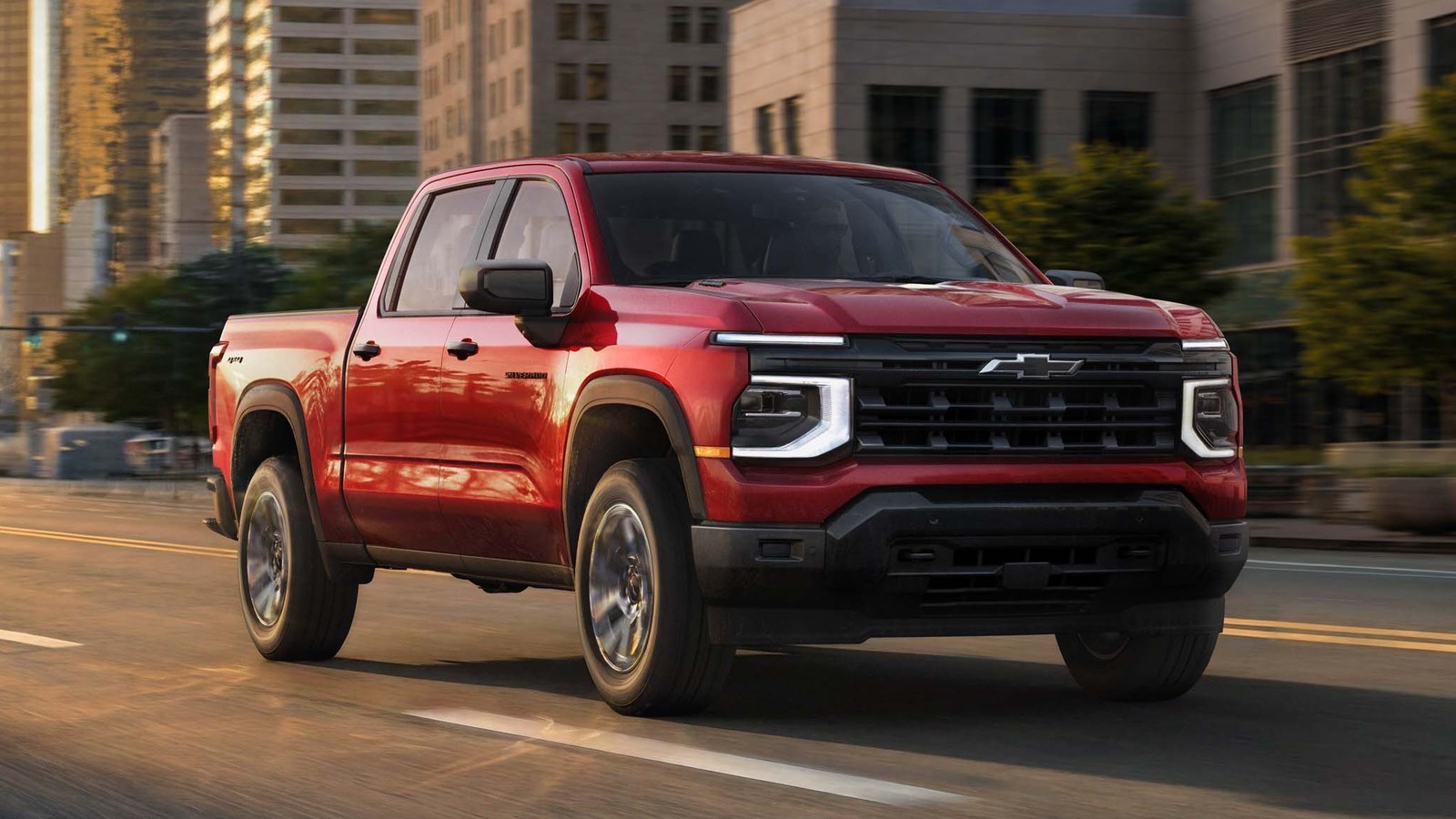
GM doesn't need to announce a price increase for its next truck. It already has one. The next-generation 2027 Silverado 1500 starts at $41,395 including a $2,795 destination charge, according to Chevrolet, and goes on sale at the end of this year. Autoevolution's trim-by-trim comparison shows every version costing more than its 2026 counterpart: the Work Truck by $1,700, the ZR2 by $5,400, the High Country by $8,700.
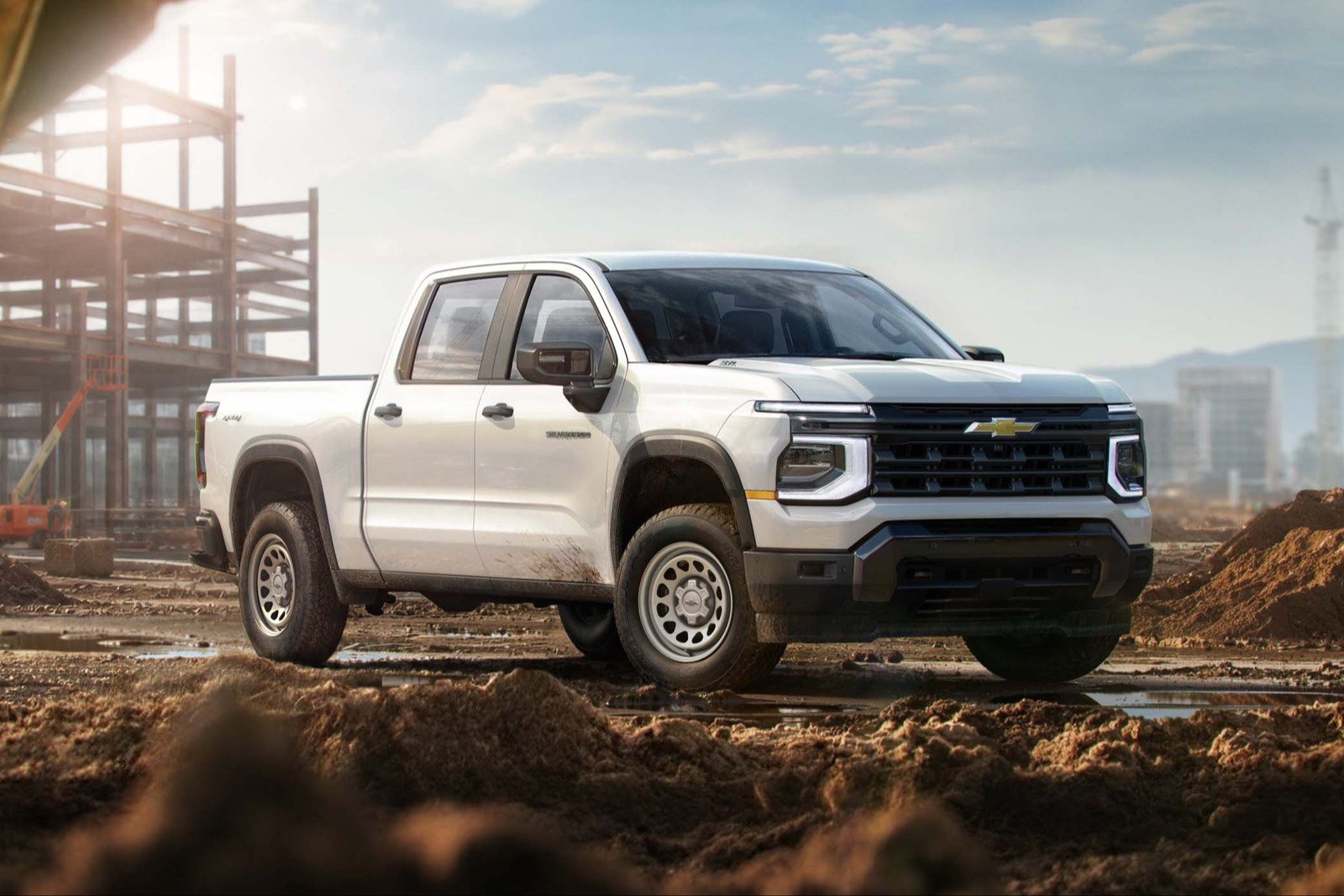
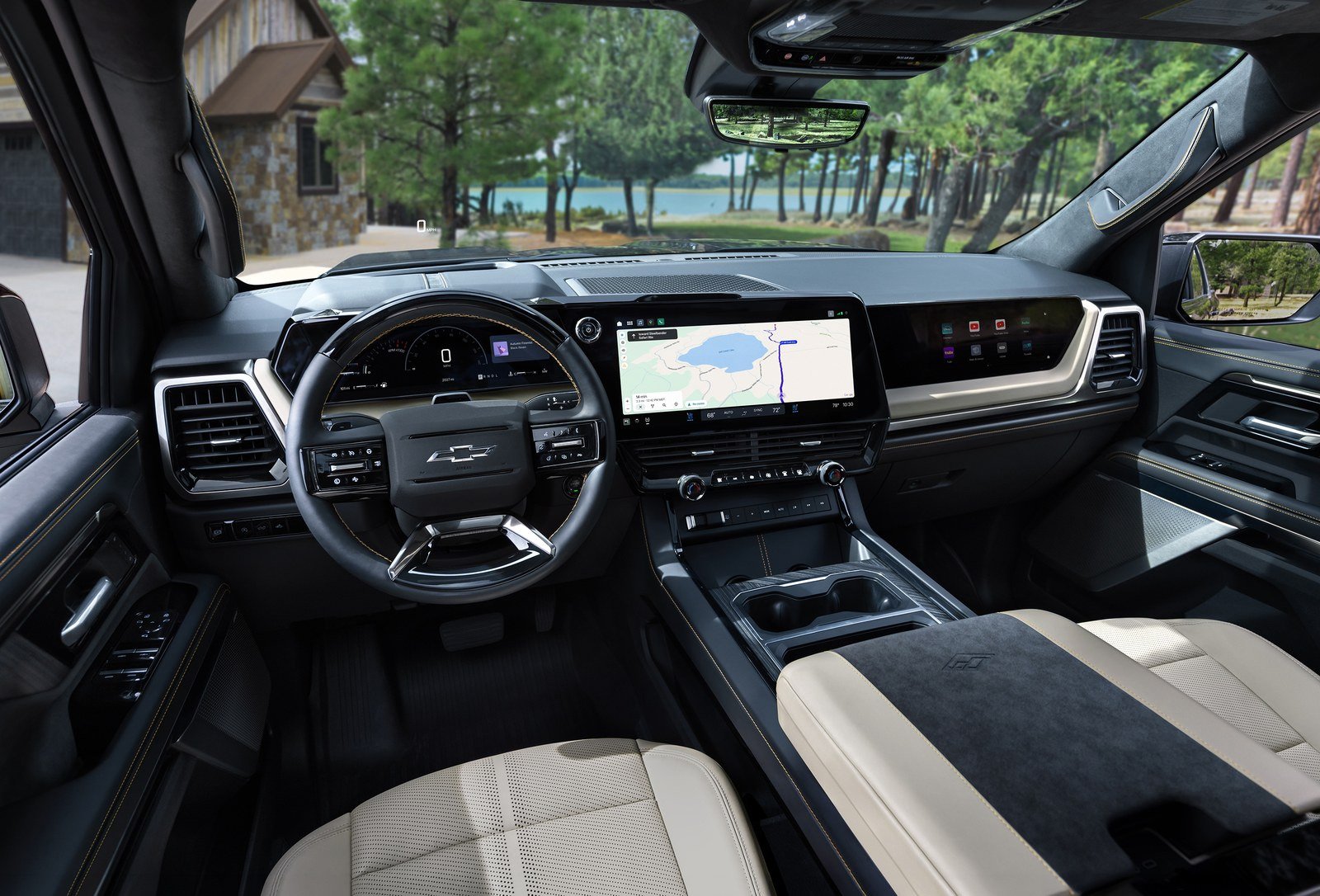
Chevrolet's case is that buyers get more standard equipment, new 5.7-liter and 6.6-liter V8s, and bigger screens. Some of that is genuine value. But the timing matters. A company that has just told investors to expect $2 billion of commodity inflation and committed $20 billion to buybacks is setting truck prices for the next several model years. The way I see it, the pickup is the one product where GM has the pricing power to cover both.
The buyback is large relative to the company. GM had 849 million shares outstanding at the end of September, down from 1.2 billion at the end of 2023. At roughly $77 a share, where it traded Tuesday morning, the new authorization equals about 30% of GM's market value. That is a bet that truck margins stay where they are for years.
The case against my view
The strongest objection is that I'm picking on accounting. Excluding every write-off, EBIT-adjusted still grew 21.6%, North American margin rose 2.5 points, and third-quarter adjusted automotive free cash flow climbed 40% to $5.9 billion. A company generating that much cash should return it to shareholders rather than pour it into an EV market growing slower than forecast. Cutting the share count from 1.2 billion to 849 million in under three years has made every remaining share worth more.
I agree with most of that. The operating improvement is real, and I'd rather see GM buy back stock than build battery plants for demand that isn't there. My disagreement is with the size of the cushion. GM's adjusted free cash flow adds back the cash spent on the EV unwind: $4.24 billion in the first nine months. Without that add-back, nine-month free cash flow was about $7.9 billion, against $12.2 billion on the adjusted basis. Adjusted EPS rose 32% while adjusted earnings rose 22%; the difference is the shrinking share count. Buybacks are flattering the per-share story at the same moment smaller write-offs are flattering the headline.
What would change my mind
If GM's North American margin holds at 8% or better through the first half of 2027, after the new Silverado and Sierra reach dealers at their higher prices, then the trucks can carry the buyback and my concern is overdone.
If the 73,000-unit gap between shipments and retail sales closes in the fourth quarter without heavier incentives, the inventory question goes away. And if GM's fourth-quarter report, due early next year, shows EV realignment charges near zero and no further plant closures, the write-offs really are behind it and next year's comparisons will be clean.
My read
GM had a good quarter, not a transformative one: the "profit more than doubled" headline is mostly the absence of last year's EV write-off. The business underneath grew about 22%, almost entirely on full-size truck margins, while U.S. market share fell. My bet is that the 2027 Silverado's higher prices are what the $20 billion buyback really rests on, and if truck demand softens in 2027, I expect GM to slow the buyback before it gives up any of that pricing.