GM Wants to Be a Tech Stock. Its Real Bet Is on Hybrids
GM is pitching itself to Nasdaq as a technology company. The same day, it put $1.25 billion into hybrids at Lansing. Only one of those tells you where it's headed.
Contents · 6 parts
On Tuesday, General Motors told investors it is leaving the New York Stock Exchange for Nasdaq, and told Michigan it is putting $1.25 billion into the Lansing plant that builds its three-row crossovers so it can make hybrids there.
Two announcements, one day, and as far as I can tell nobody put them side by side. Here's what the headlines miss: the listing move is a story about how GM wants to be valued, and the Lansing check is a story about how GM actually makes money. In my view, only the second one tells you where the company is going.
I don't think the Nasdaq move is dishonest. I think it is marketing for a multiple, and the capital tells a plainer truth: GM's next decade runs on gasoline with a battery assist.
Two filings that read like two different companies
The listing news came first, in an 8-K and a press release filed with the SEC. GM stock trades on the NYSE through November 16 and moves to the Nasdaq Global Select Market on November 17, keeping the ticker GM. CFO Paul Jacobson called Nasdaq a natural home for a "technology-driven strategy," and the release notes that the listing makes GM eligible for the Nasdaq-100. The same release closes with the company's standard boilerplate about moving "to an all-electric future."
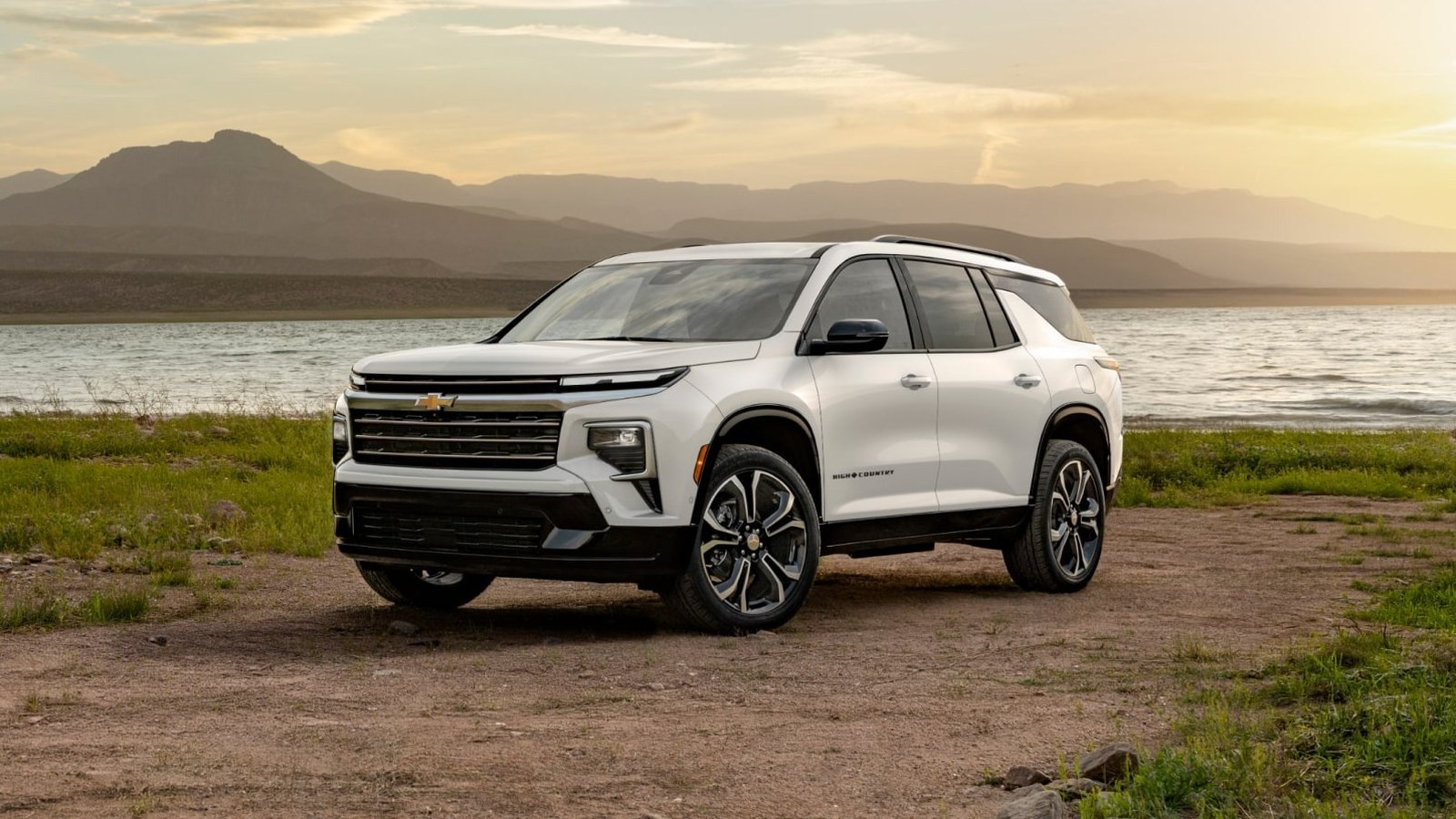
Later that day, GM said it will spend more than $2 billion over several years in the Lansing region, including $1.25 billion to prepare Lansing Delta Township Assembly for future production. TechCrunch reports the plant built a record 291,000 vehicles in 2025, and that GM wants the Department of Energy to redirect a $500 million grant, awarded for EV conversion of a different Lansing plant and never paid out, toward hybrid production instead.
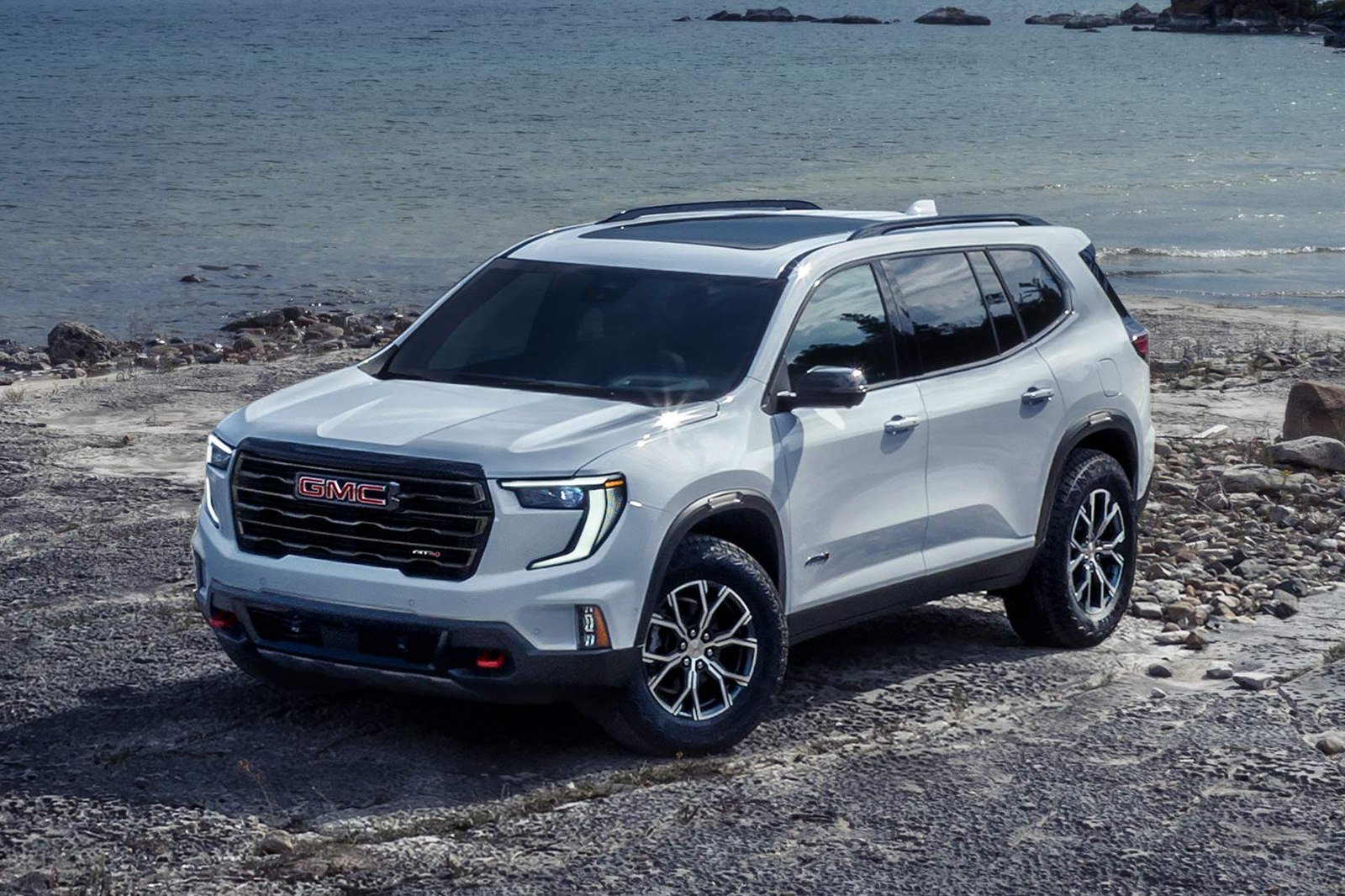
Which hybrids, GM didn't say. Reuters, citing people familiar with the plans, reports they will be versions of the Chevrolet Traverse, Buick Enclave, and GMC Acadia, the three gasoline crossovers Delta Township already builds. Timing could not be learned. GM itself says details will come closer to launch.
Follow the money, not the ticker
If you want to know what a carmaker believes, ignore the slogan and read the cash flow statement. GM's own third-quarter numbers, filed October 20, are not ambiguous.
| Figure | Period | |
|---|---|---|
| GM North America EBIT-adjusted | $3.59B of $4.29B from all operating segments | Q3 2026 |
| Charges for "EV strategic realignment" | $3.59B | First nine months of 2026 |
| New share buyback authorization | $20B | Approved Oct. 20 |
| GM share of U.S. sales | 16.4% (vs. 17.1%) | First nine months, 2026 vs. 2025 |
| Lansing Delta Township investment | $1.25B | Announced Oct. 27 |
Read that table top to bottom and the strategy writes itself. North America, meaning trucks and big SUVs, produces about 84% of GM's operating profit. The EV program is still generating write-downs in 2026. The profit is going back to shareholders at a pace that took the share count from 1.2 billion at the end of 2023 to 849 million at the end of September. I made a similar point when GM's third-quarter profit more than doubled: truck buyers are paying for all of it.
And the share line is the one that should worry Detroit. GM sold 671,000 vehicles in the U.S. in the third quarter, for a 16.1% share, down from 16.8% a year earlier. Toyota, which Cox Automotive says holds 44% of the U.S. hybrid market, gained. Ford sold about 228,000 hybrids last year, according to TechCrunch. GM's hybrid résumé, by contrast, is a Corvette: the E-Ray sold 2,444 units in 2025 before it was dropped, and the ZR1X picked up the job in March.
Why Lansing is the most honest thing GM said all week
What strikes me about Delta Township is how unglamorous it is. It is a plant that already runs at record volume, building the family haulers that people actually buy, and GM is spending to keep it relevant rather than to reinvent it. That is the right call. It is just not a technology story.
Cox Automotive's data shows hybrids hit a record 16.3% of the U.S. market at midyear, while EVs were 6.4% in the third quarter. Dealers, Reuters reports, have been pressing GM for hybrids at regional sales meetings. Mary Barra told analysts last week that hybrids "have already been added" to the plan and would need no extra capital or engineering. The way I see it, the Lansing money was in the budget long before Tuesday, and GM chose to announce it the same day it repositioned itself as a tech company. That is either a coincidence or very good choreography.
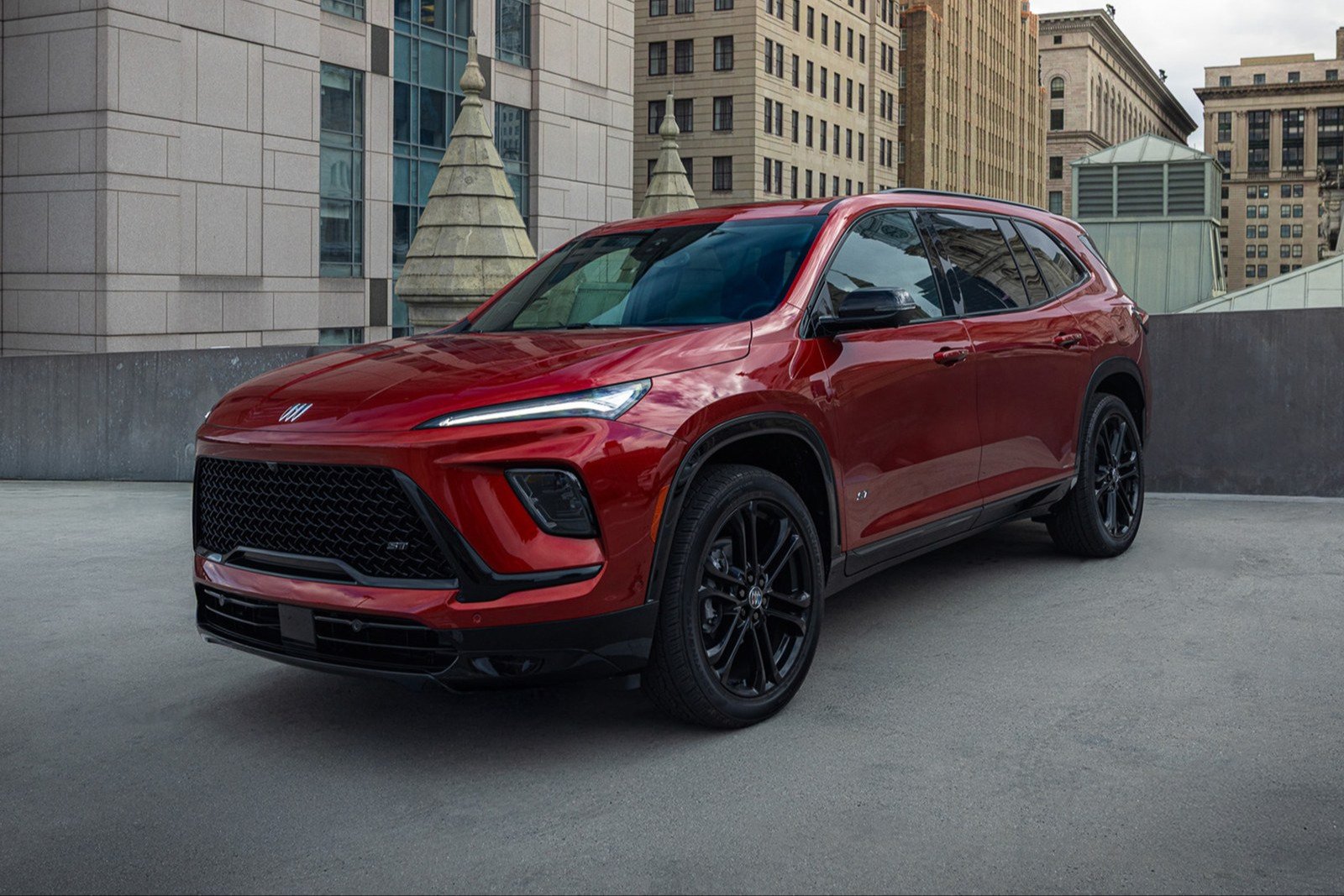
Meanwhile, the EV side is shrinking. Electrek's tally of GM's own sales data shows the Equinox EV fell 92% in the third quarter, to 1,905 units, and Cadillac now accounts for nearly half of GM's EV volume. The "all-electric future" sentence in Tuesday's release is the only claim GM made that day that its own capital spending no longer backs.
The case against my view
The strongest objection goes like this. A hybrid is electrification, not retreat: it needs batteries, power electronics, and software, and GM's EV investments in motors and controls carry straight over. Meanwhile, the Nasdaq move has nothing to do with narrative. It is about index money. Walmart made the same switch and joined the Nasdaq-100 in January, and nobody called Walmart a software company for it. If GM gets in, passive funds tracking that index would have to buy its stock, which helps a company spending $20 billion on buybacks. And GM still describes itself as America's No. 2 EV seller.
Much of that is fair. The index logic is real, and I'd make the same move in Jacobson's seat. But it makes my point rather than refuting it. If the listing is about fund flows and the plant is about hybrids, then "technology-driven strategy" is packaging, and the product plan is a gasoline crossover with an electric motor bolted to it. Good packaging, sound product. Just don't confuse the two.
What would change my mind
If GM announces a hybrid system developed in-house, with its own battery and drive unit rather than a supplier's off-the-shelf setup, I'll concede the engineering is a genuine technology bet and not just a compliance move. GM has said details will come closer to launch.
If GM's next big capital announcement in 2027 goes to an EV or software program rather than a combustion plant, the Nasdaq framing starts to look earned. If the Department of Energy declines to redirect the $500 million grant and GM pulls back on Lansing, my thesis about where the money is going weakens too.
And if GM's U.S. share stops sliding by the second quarter of 2027, before any hybrid reaches dealers, I'll admit the hybrid gap mattered less than I think.
My read
GM is two companies in one press cycle: a tech-flavored stock for Nasdaq and a truck-and-crossover maker that just discovered hybrids more than two decades after Toyota. My bet is that the Lansing hybrids, whenever they arrive, will do more for GM's earnings than the Nasdaq-100 does for its share price. The listing changes who owns GM. The plant changes what it sells.