Washington Locked In the V8 Through 2031. Drivers Will Pay at the Pump
The V8 came back when fuel-economy fines hit $0. NHTSA's final rule keeps it safe through 2031, and the agency's own numbers show who pays.
Contents · 6 parts
On September 30, NHTSA published the final version of its fuel-economy reset, SAFE III, and the number that matters is 34.9. That's the combined miles-per-gallon average the agency projects automakers will need to hit by model year 2031, down from about 49.3 mpg under the standards written in 2024. The final rule takes effect November 30.
Most coverage treats this as the rule that brings back the V8. Here's what the headlines miss: the V8 was back before this rule was published. What SAFE III does is different, and in my view more important. It removes any reason for Detroit to put the V8 away again before 2031. And by NHTSA's own numbers, the people who pay for that are the ones filling the tanks.
The fines went to zero more than a year before the rule did
The real switch flipped on July 4, 2025, when the One Big Beautiful Bill Act amended the civil penalty provisions of federal fuel-economy law and set the CAFE fine rate to $0. The final rule says it directly: under current law there are no fines for falling short, so its cost analysis counts only technology costs.
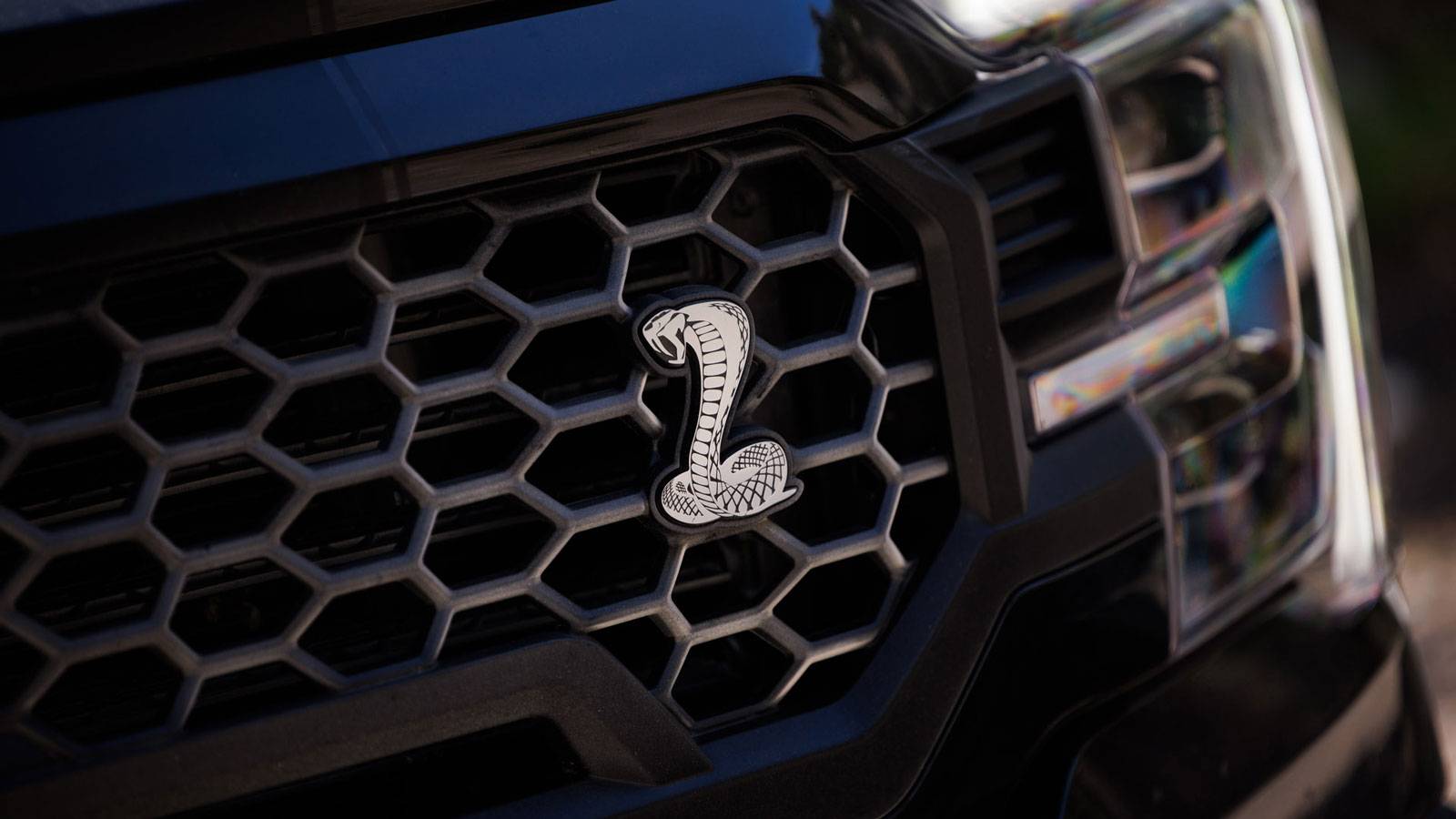
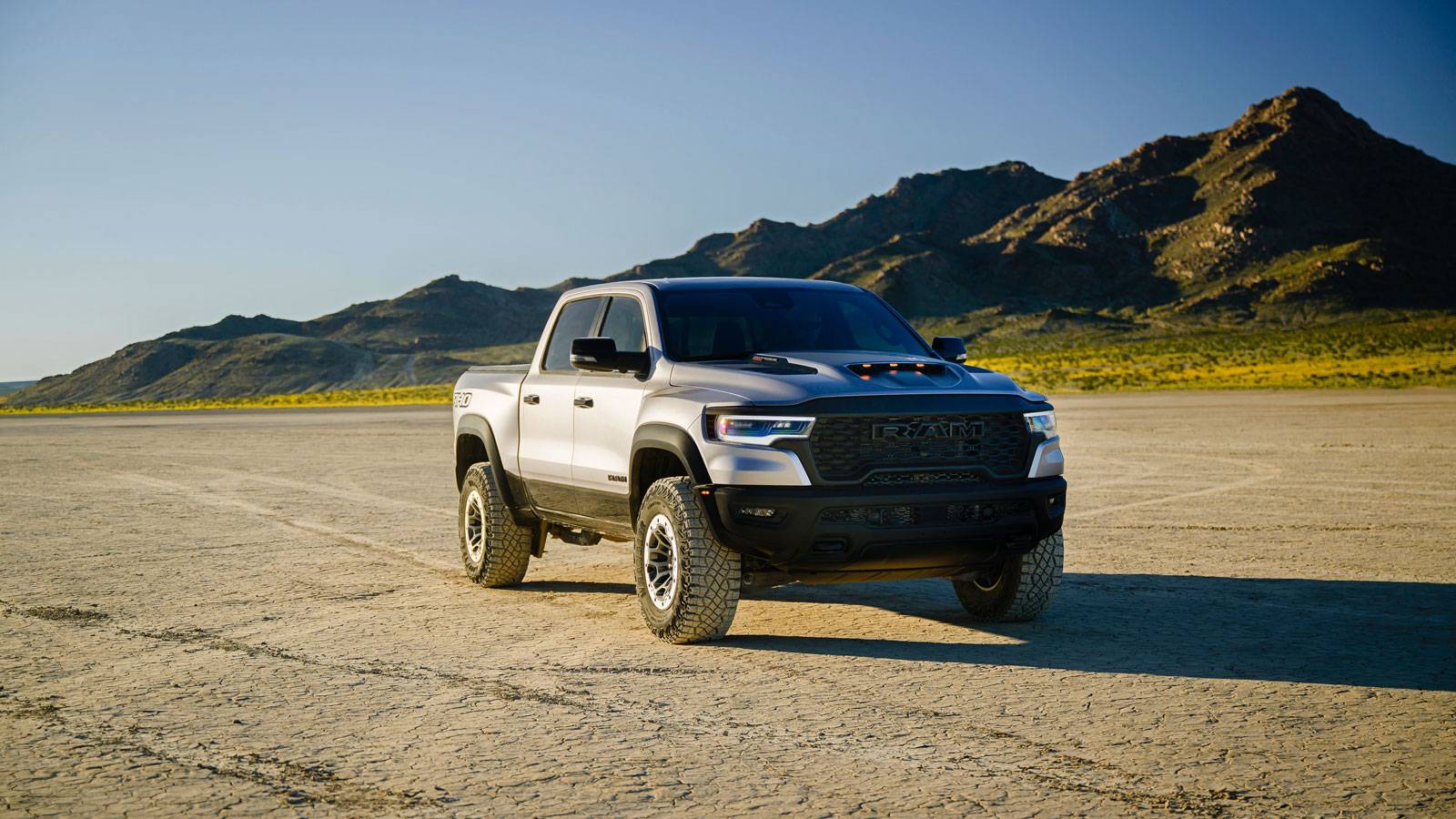
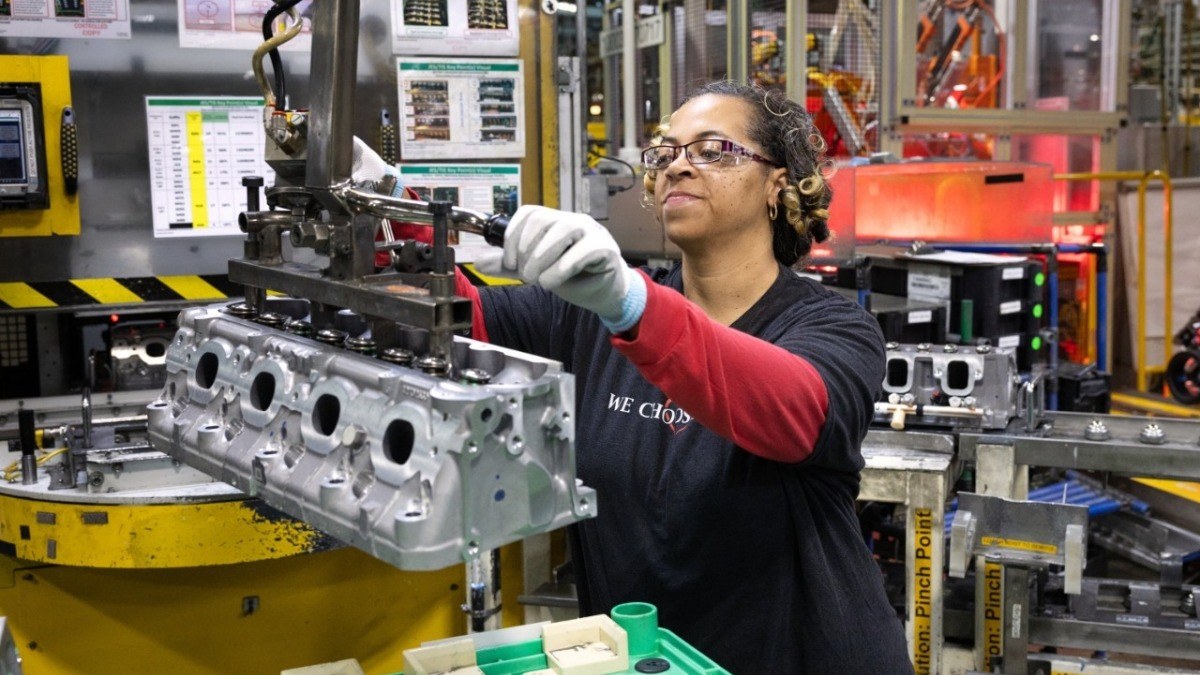
Automakers moved early. In May 2025, GM announced an $888 million investment in its Tonawanda engine plant in Buffalo to build a sixth-generation V8 for full-size trucks and SUVs, with production starting in 2027. On June 5, 2025, Ram said the 5.7-liter Hemi V8 would return to the 2026 Ram 1500, a year after it was dropped for the Hurricane inline-six. According to Automotive News, a Stellantis planning document now targets about 12,000 supercharged Hellcat V8 Chargers a year from the 2028 model year. Stellantis has called those details speculation, and Dodge hasn't announced the car.
GM's decision came before the fine was formally zeroed. I read that as a bet that the rules were about to loosen. The bet paid off.
What SAFE III adds is a guarantee through 2031
If fines were already $0, why does the rule matter? Because a $0 fine is one line in a budget law that a future Congress can change. A CAFE standard fixed for model years 2027 through 2031 is the planning horizon of an engine program. GM's new V8 starts production in 2027, right inside this window.
The rule also ends credit trading between manufacturers from model year 2028 and drops the extra credit for air-conditioning and off-cycle technology. Credit trading let a company selling lots of V8s buy compliance from a company selling EVs. With targets this low, my bet is that most truck makers won't need to buy anything.
| 2024 standards (MY 2031) | SAFE III final (MY 2031) | |
|---|---|---|
| Combined fleet average | 49.3 mpg | 34.9 mpg |
| Passenger cars | 65.8 mpg | 40.2 mpg |
| Light trucks | 45.4 mpg | 26.4 mpg |
| CAFE fine rate | $0 since July 2025 | $0 |
| Average vehicle cost | Baseline | $1,289 lower |
The truck number is the one I'd watch. NHTSA notes that part of the drop from 2030 onward comes from reclassification: lighter crossovers move from the truck fleet into the car fleet, which lowers the measured average of both. So 26.4 mpg isn't a pure loosening. But it is the bar a full-size pickup lineup now has to help clear, and it's low enough that a V8 option stops being a compliance problem.
The mood isn't limited to Detroit. Porsche just positioned its new Mission S flagship around a combustion engine.
The $1,289 discount comes with a bill attached
NHTSA estimates that if automakers pass the savings on, a model year 2031 vehicle will cost $1,289 less on average than under the 2024 standards. At the proposal stage last December, the agency's estimate was about $900.
The other side of the ledger is in the same document. NHTSA projects the final standards will raise gasoline consumption by 4.6% through 2050 versus the old standards, about 122 billion extra gallons. The states suing over the rule put the lost fuel savings at nearly $220 billion.
Here is my own back-of-envelope version for one buyer. Take a pickup driven 12,000 miles a year. At 20 mpg it burns 600 gallons; at 24 mpg, 500. With AAA's national average at $4.308 a gallon on October 17, that 100-gallon gap costs about $431 a year. The $1,289 is gone in three years. The mpg values are my illustration, not NHTSA's, but the shape holds: anyone who drives a normal amount gives the discount back before a typical loan is paid off. I looked at how expensive each mile has become in my comparison of gas and EV charging costs.
The detail that strikes me most is a modeling choice. NHTSA assumes buyers value only 36 months of fuel savings when they pick a vehicle. That's the agency's assumption, not my critique. The rule is built on the premise that drivers ignore exactly the cost that lands on them after year three.
The case against my view
The strongest objection is that CAFE never banned anything. It sets fleet averages, and buyers kept choosing V8 pickups through the strict years. Ram framed the Hemi's return as a response to customer demand. If people want the engine, a tighter rule only makes them pay more for it.
Second, the fuel impact is smaller than it sounds. NHTSA points out that Americans used 136.5 billion gallons of gasoline in 2025 alone, so 122 billion extra gallons spread over about 25 years adds up to less than one year's worth. For someone who drives 6,000 miles a year, my example stretches the payback to about six years.
Third, with fines already at $0, the rule can be read as writing down the status quo.
I take the first point seriously. But the V8's place in a lineup depends on what automakers choose to build and how they price it, not only on what buyers want, and the old standards pushed them to price V8s higher and lean harder on hybrids and EVs. On the second point, national totals are the wrong lens for a household budget. The extra gallons are bought at the pump by specific owners, mostly of the trucks and SUVs this rule favors. On the third, a status quo locked into a five-year standard is not the same as one that rests on a single budget provision. That durability is what lets an engine program go ahead.
What would change my mind
A court pause. On October 2, a coalition led by California, with 20 other states, D.C. and four cities, challenged the rule in the First Circuit. If the court stays or vacates it before model year 2027 compliance gets going, the guarantee I'm describing disappears and the V8 again depends on a $0 fine alone.
Cheap gas. If AAA's national average falls back toward $3 and stays there through 2027, the payback in my example stretches past four years, and the pump bill becomes a smaller argument.
A different product plan. If Ford, GM and Ram make turbo-hybrid or electrified powertrains the default in their full-size trucks and keep the V8 to low-volume halo trims, I'd concede the rule changed less than I think. The first test comes when GM shows which trucks get its 2027 sixth-generation V8.
My read
The V8 didn't come back because of SAFE III. It came back when the fines hit zero. What the rule does is lock that decision in through 2031, long enough to justify building new engines. The $1,289 is real, and so is the fuel bill behind it; my bet is that most V8 truck owners will have paid the discount back by their third year.