GM Will Pay $220 Million for Selling Your Driving Data. You Get Nothing
Thirty-six attorneys general extracted about 11 times what GM earned selling driving data. The decree sends every dollar to the states and cannot touch the insurers who used the scores.
Contents · 7 parts
General Motors will pay $220 million to settle claims from 36 attorneys general that it sold drivers' braking, speeding, and location data to brokers who passed it to insurers. It is the largest check GM has written over Smart Driver, and by California's estimate it is roughly 11 times what the company earned selling that data.
Here's what the headlines miss: the money goes to the states, the rules govern GM's future, and nothing in the decree reaches the insurers who already priced policies with those scores. I think $220 million is the price of closing the state cases, not compensation for anyone who was tracked. For drivers, the real question has moved to a federal courtroom in Atlanta.
The states bought rules and a check, not refunds
The coalition, 35 states plus the District of Columbia, announced the deal on October 29. According to the Ohio attorney general's release, GM enrolled millions of drivers in Smart Driver between 2016 and 2024, mostly at the dealership, through a single sign-up that bundled the program with OnStar. Dealer sales staff earned bonuses partly tied to connected-services enrollment. The OnStar app told 380,000 drivers they were not enrolled while GM was collecting and selling their data; GM later unenrolled them quietly and left the data with brokers and insurers.
The consent decree itself takes effect November 30, 2026. GM must pay within 30 days, and the $220 million is divided among the participating states: Ohio gets $8,076,105, Washington $12,311,819, Vermont about $4.5 million. Washington may spend its share on investigation costs, future enforcement, or "any lawful purpose." GM admits no violation. Texas and California are not in the coalition; each went its own way.
Eleven times the profit is a lot — for a fine
When California settled in May, it said GM made about $20 million nationwide selling the data, according to Insurance Journal's report on that case. Put the two settlements next to that number, and the penalty looks severe. GM paid roughly 11.6 times its estimated revenue from the program, before legal costs.
| Amount | Who receives it | |
|---|---|---|
| GM revenue from selling driving data (California estimate) | ~$20 million | GM |
| California settlement, May 2026 | $12.75 million | State of California (civil penalties) |
| 36-attorney-general settlement, Oct. 2026 | $220 million | Participating states |
| Penalties vs. estimated revenue | ~11.6x | — |
| Payments to drivers under either decree | $0 | — |
But scale matters. Spread across the "millions" enrolled, $220 million is a modest amount per driver, and none of it is addressed to them. The decree's release covers only the claims the states themselves could bring. It says plainly that nothing in it creates, waives, or limits any private right of action. In other words, the states settled their grievance. They did not settle yours.
The decree governs GM's future, not your premium
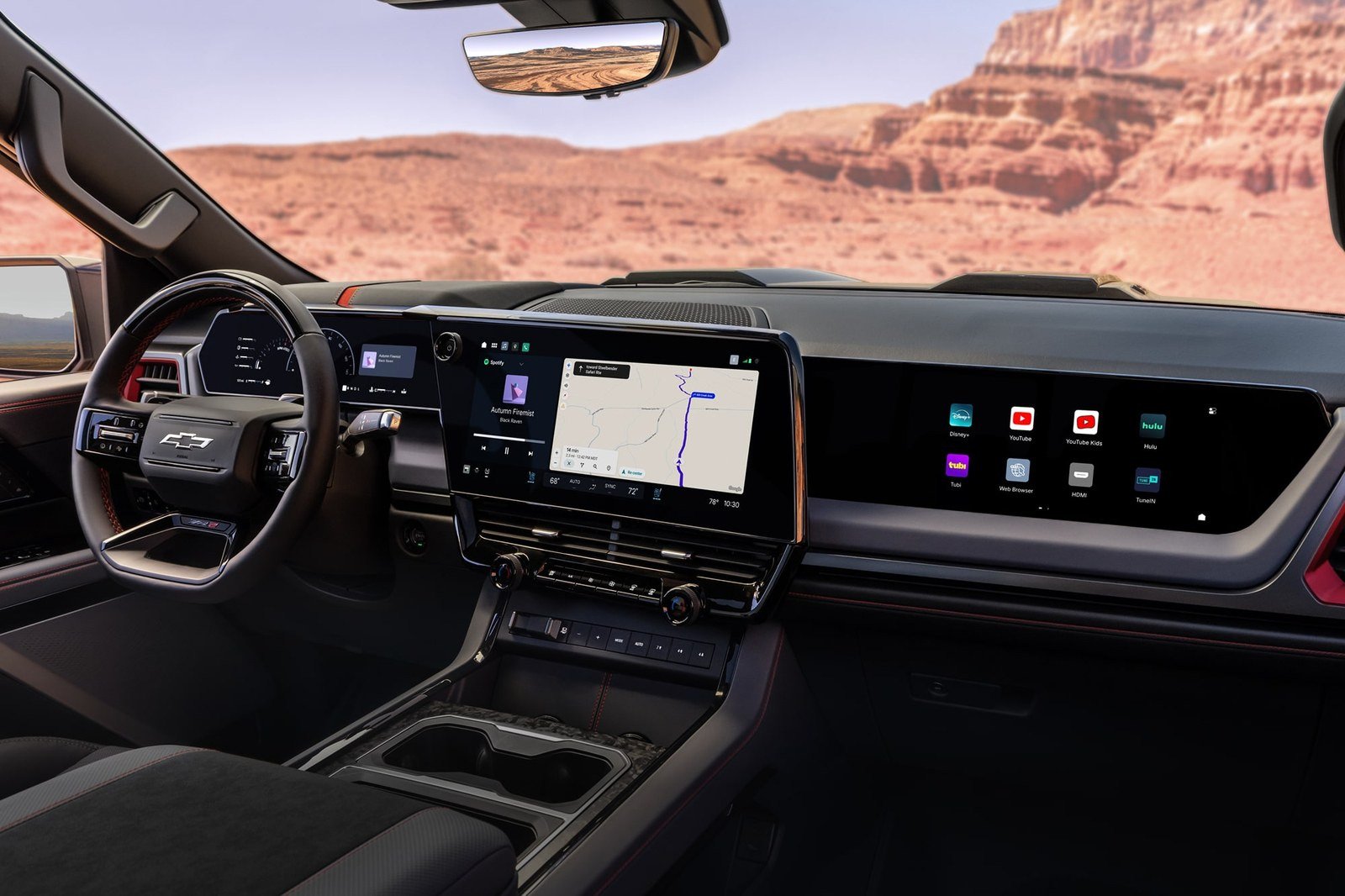
Read the operative sections and the shape becomes clear. GM must get affirmative express consent, shown separately from its privacy policy, before sharing driving data for usage-based insurance. It must run a privacy program with outside assessments until January 2046. It must offer an easy way to request deletion, and within 180 days delete driving data it kept from before January 16, 2025, unless an exception applies or the driver consents by email.
Data that already left the building gets softer treatment. GM must request that the third parties it shared with delete that data. A consumer reporting agency must confirm deletion before GM can send it anything new. Both obligations carve out "litigation holds," and that exception is not hypothetical: LexisNexis Risk Solutions and Verisk, the two brokers named in earlier reporting, are defendants in federal litigation over this exact data.
Insurers are not parties at all. If a carrier raised a rate in 2023 using a driving score built from GM data, nothing in this document undoes that or tells the carrier to look again. California's attorney general said his state's drivers saw no rate increases from the scheme because California law bars insurers from rating on driving data. Most states have no such rule, and I'm not aware of any public count of how many policies outside California were repriced.
Where the drivers' money question actually lives
In April, Judge Thomas Thrash in the Northern District of Georgia let the consolidated case, In re: Consumer Vehicle Driving Data Tracking Litigation, go forward against GM, OnStar, LexisNexis, and Verisk. Federal Wiretap Act, Stored Communications Act, and unjust enrichment claims survived, along with parts of the privacy, conspiracy, and Fair Credit Reporting Act counts. That case, not today's settlement, is where a driver could end up with money.
Texas is the other open front. Its attorney general sued GM in August 2024, alleging the company collected data from most 2015-and-newer vehicles and sold data on more than 1.5 million Texans. That suit has not been resolved publicly, and Texas stayed out of the coalition. My bet is that Austin will want a number above Ohio's share, because the state chose to go it alone.
The case against my view
The strongest objection is that I'm grading the wrong thing. GM shut down Smart Driver and cut ties with the brokers in 2024. The Federal Trade Commission's order, finalized in January 2026, already bans GM from sharing this data with consumer reporting agencies for five years and lasts 20 years. By that logic, the money is a footnote. The product is a consent regime running to 2046, with dealer training, outside audits, and deletion rights that every connected-car company now has to treat as the minimum standard.
I agree with half of that. As industry precedent, the decree matters more than the dollar figure, and Ford, Toyota, Hyundai, and every other automaker that collects telematics should read it as a template. But precedent protects the next buyer. It does nothing for a 2019 Silverado owner whose score already sits in a broker's file and whose insurer may have used it. "We fixed the process" is a fair answer for regulators. It's an incomplete answer for the people the process was used on.
What would change my mind
If any participating state announces by mid-2027 that it will route its share into restitution for residents, the "you get nothing" framing becomes wrong for that state, and I'll say so. The decree allows the money to be spent for any lawful purpose, so it is possible.
If LexisNexis and Verisk confirm in writing, by the end of May 2027, when GM's own 180-day deletion deadline runs out, that they have purged GM-sourced data without leaning on the litigation-hold exception, the "your data is still out there" part of my argument collapses.
And if insurers or state insurance regulators start reviewing policies priced with Smart Driver scores, the premium problem gets a remedy this settlement never offered.
My read
The states got a big number and strong rules for the future. GM got closure with 36 attorneys general at a price it can absorb. Drivers got a deletion form. If you bought a GM vehicle with OnStar between 2016 and 2024, the settlement changes what GM can do with your data next, not what has already been done with it. The answer to that will come from Atlanta and Austin, not from this decree.