Cyan Lights Are the Distraction. NHTSA Is Rewriting the Rules for Cars With No Wheel
The optional cyan lamps get the headlines. The same proposal is NHTSA's sixth rewrite this year for cars without wheels or pedals, easing them out of a capped exemption.
Contents · 7 parts
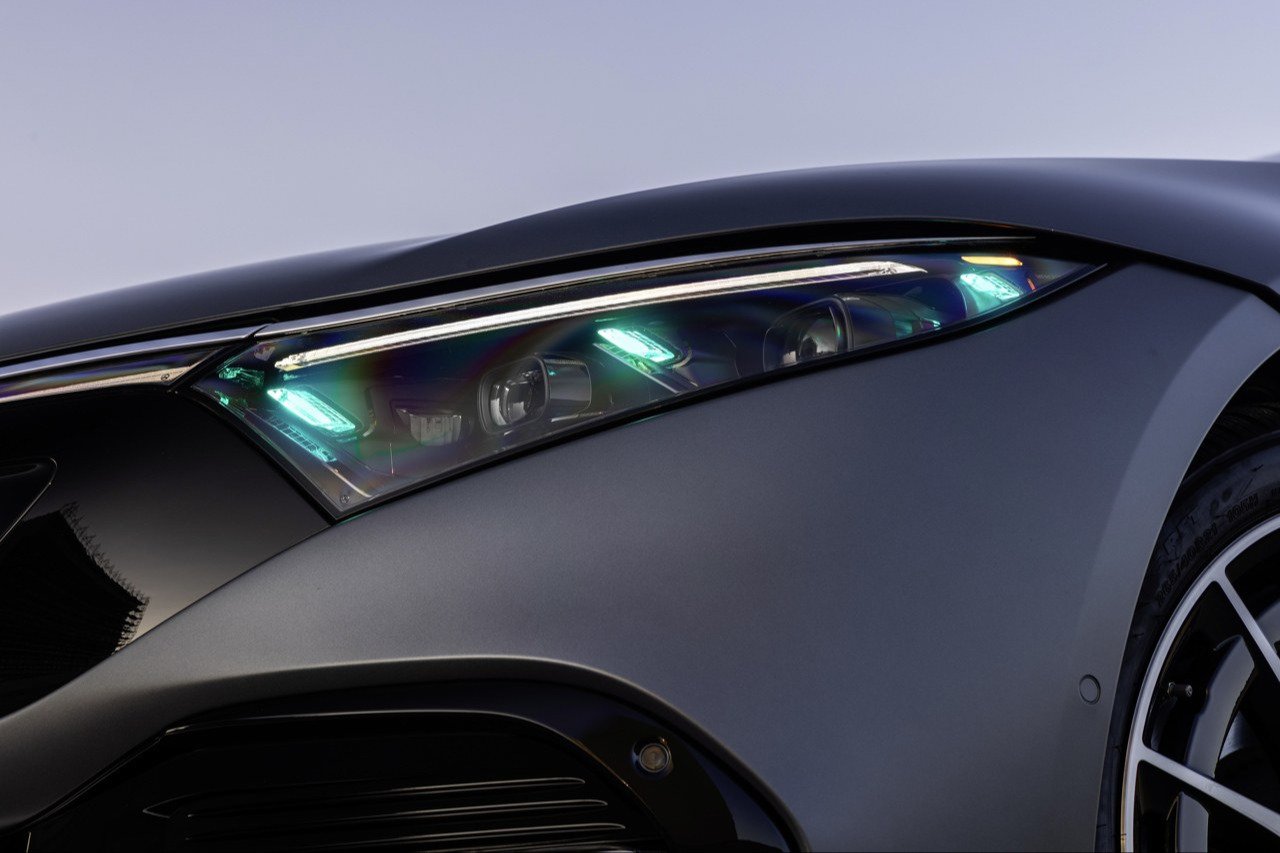
NHTSA wants to give self-driving cars their own color: optional cyan marker lamps, four to eight per vehicle, lit only while the automated system is doing the driving. That is the part of Friday's proposal everyone is writing about.
Here's what the headlines miss. The cyan lights are the garnish. The rest of the same document is the sixth federal safety standard NHTSA has reopened this year for cars with no steering wheel and no pedals. I think the agency is building a road for those cars to leave the exemption system, and the exemption system is where most of today's federal leash on robotaxis lives.
A lighting rule that is mostly about missing controls
The notice of proposed rulemaking on FMVSS No. 108, the lamps and lighting standard, goes on public display October 23 and is formally published October 26. Comments close November 25. Docket NHTSA-2026-1519.
Two changes are routine headlamp housekeeping. Three are not. For vehicles without manually operated driving controls, NHTSA would drop the requirement that turn signals cancel by steering wheel rotation, drop hand-or-foot operation for the high-beam switch and the hazard switch, and limit dashboard telltales to cars that have a driver to read them. The agency says plainly that such vehicles are not yet available for consumer purchase, that it cannot estimate how many will be affected, and that without the change their makers would simply seek exemptions.
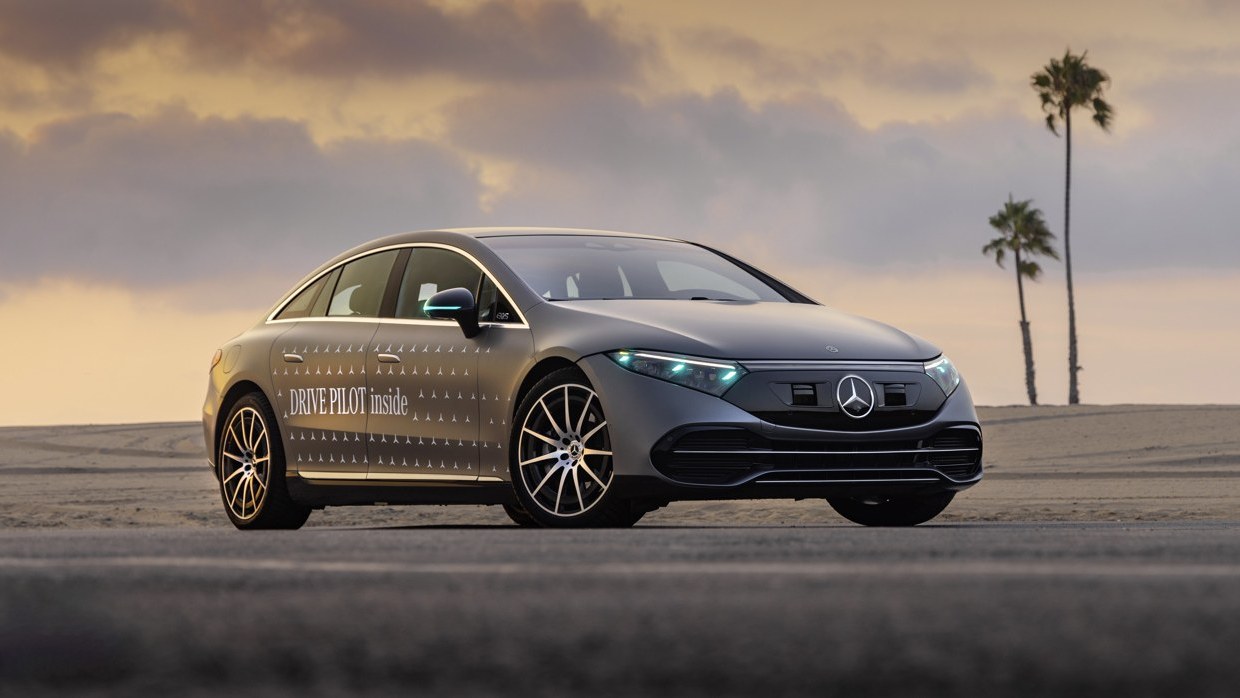
The cyan lamps, specified to SAE J3134, would be permitted, not required. They must sit at least 15 inches off the ground, burn steadily, switch on and off together, and go dark whenever an occupant is expected to watch the road. Mercedes-Benz pushed the idea and validated it with five cars in California from 2023 to 2025, according to the notice. China's industry ministry published a similar optional turquoise-lamp draft on October 20, with a recommended start date of January 1, 2028, CnEVPost reports.
Six standards in seven months is a program, not a tweak
The notice itself lists the earlier steps: proposals in March on FMVSS 102 (shift display) and FMVSS 103 and 104 (defrosters and wipers), and in April on FMVSS 110 (the tire placard on the "driver's side," which a car with no driver doesn't have). It omits the most consequential one. In June, NHTSA proposed rewriting FMVSS 135, the light-vehicle brake standard, which today requires a foot control.
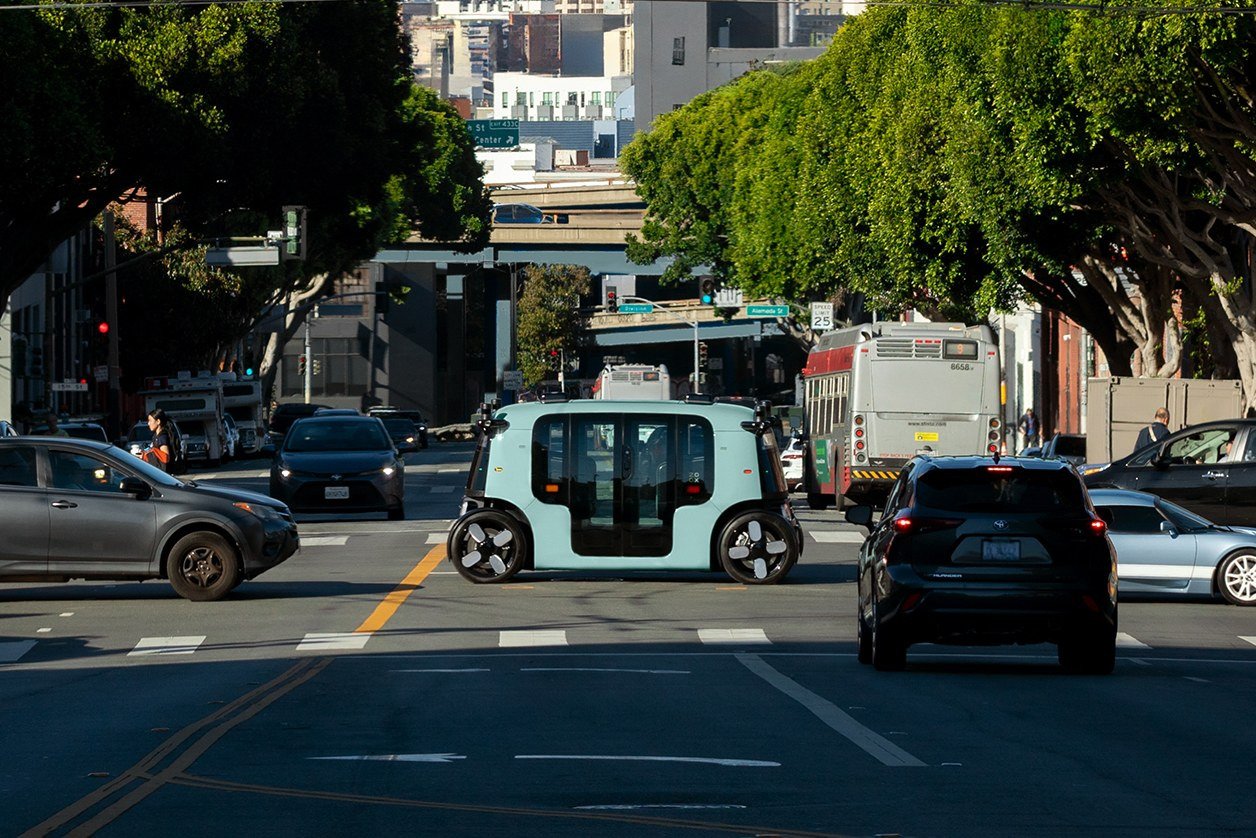
The best way to read the series is against the one robotaxi that has already gone through the front door. In July, NHTSA granted Zoox an exemption from parts of eight standards so it could run a paid service in its pedal-free pods. Line those eight up against this year's rewrites:
| What it governs | 2026 rewrite proposed | |
|---|---|---|
| FMVSS 103 and 104 | Defrosting, wipers | March 16 |
| FMVSS 135 | Light-vehicle brakes | June 26 |
| FMVSS 108 | Lamps and lighting | October 26 |
| FMVSS 111 | Mirrors, rear visibility | None yet |
| FMVSS 201, 205, 208 | Interior impact, glazing, crash protection | None yet |
Four of the eight are now in the pipeline. The pattern is obvious once it's in a table: NHTSA is working through exactly the list that stands between a no-controls car and a factory certification label.
What the exemption gives NHTSA that a rewritten standard doesn't
Zoox's exemption runs two years, to July 31, 2028, and caps it at 2,500 exempt vehicles in any 12-month period, the statutory ceiling. It also comes with a permanent condition: NHTSA issues Operational Authorizations that set where and how the exempt vehicles may run, and it can widen or narrow them as the system matures.
A car certified to a rewritten standard carries none of that. No cap, no expiry, no operational authorization. The manufacturer self-certifies, as every automaker does, and NHTSA polices after the fact through recalls and investigations. The performance side, meaning how well the automated system itself must drive, has no standard at all. NHTSA's Framework for Automated Driving System Safety was an advance notice in December 2020; the only follow-up I can find in the Federal Register is a 2021 comment extension.
So the sequencing, in my view, is the story. Equipment rules are being cleared for driverless cars this year. Rules for the driver that replaces the human are still a five-year-old questionnaire.
Tesla is the live test, whether or not the rule mentions it
The notice never names Tesla, and I'm not claiming it was written for Tesla. But the Cybercab shows why the difference between exemption and certification matters. Tesla began paid Cybercab rides in Austin on September 3 after self-certifying the car as compliant with every applicable standard, and NHTSA opened an audit query the next day, TechCrunch reported. Electrek reports a follow-up special order that singles out the foot-control requirement in FMVSS 135. NHTSA's own line at the time: "existing standards remain in force" until its updates are finished.
Elon Musk has said Tesla will sell the Cybercab to consumers this year, Not a Tesla App reported in February; we covered where that fits in Tesla's third quarter. Every standard NHTSA finalizes for no-controls cars shrinks the list of rules a self-certifying manufacturer has to argue around, and shrinks the reason to accept a 2,500-car cap.
One practical note for drivers. Because the lamps must go dark whenever a person is expected to supervise, a supervised system, Tesla's FSD (Supervised) included, could not legally show cyan under this proposal. But the lamps are optional, so a robotaxi running dark tells you nothing. Cyan will mean "no one is driving." No cyan won't mean someone is.
The case against my view
The strongest objection is that this is exactly what it says it is: cleanup. A self-canceling turn signal is meaningless in a car with no wheel. NHTSA states that any vehicle with manual controls keeps every existing requirement, and the brake proposal keeps the stopping-distance tests that are the point of FMVSS 135. Crash reporting for automated vehicles under the Standing General Order continues regardless. And with four standards still untouched, no one sells a pedal-free car without an exemption anytime soon. Zoox proved the exemption route works.
All true, rule by rule. My answer is that the significance is cumulative. Each notice is defensible on its own, and together they convert a capped, supervised exception into a default. That can be the right policy. It should not happen by default while the performance framework sits where it was in 2020.
What would change my mind
If NHTSA publishes a proposed rule on automated-driving performance, an actual NPRM rather than another request for comment, before the FMVSS 135 and 108 rewrites become final, my sequencing argument falls apart.
If the final versions attach operating conditions or reporting duties to no-controls certification, something like a lighter Operational Authorization, the leash survives the move out of the exemption system.
And if no proposals on FMVSS 111, 201, 205 and 208 appear by the end of 2027, the exemption cap stays binding for years, and I am early by a wide margin.
My read
Cyan lights are a good idea, and they will get the attention. The bigger change is that NHTSA is quietly rewriting, one standard at a time, the rules that keep driverless cars inside a capped and supervised exemption. Read the comment deadline on November 25 as the deadline for that argument, not for the color of a lamp.