BMW's City Assistant Shows Level 3 Already Lost on Price
BMW's 2027 city assistant isn't a leap past Tesla. It's what replaced Level 3 after few buyers paid €6,000 to look away: supervised driving, factory hardware, a software unlock.
Contents · 7 parts
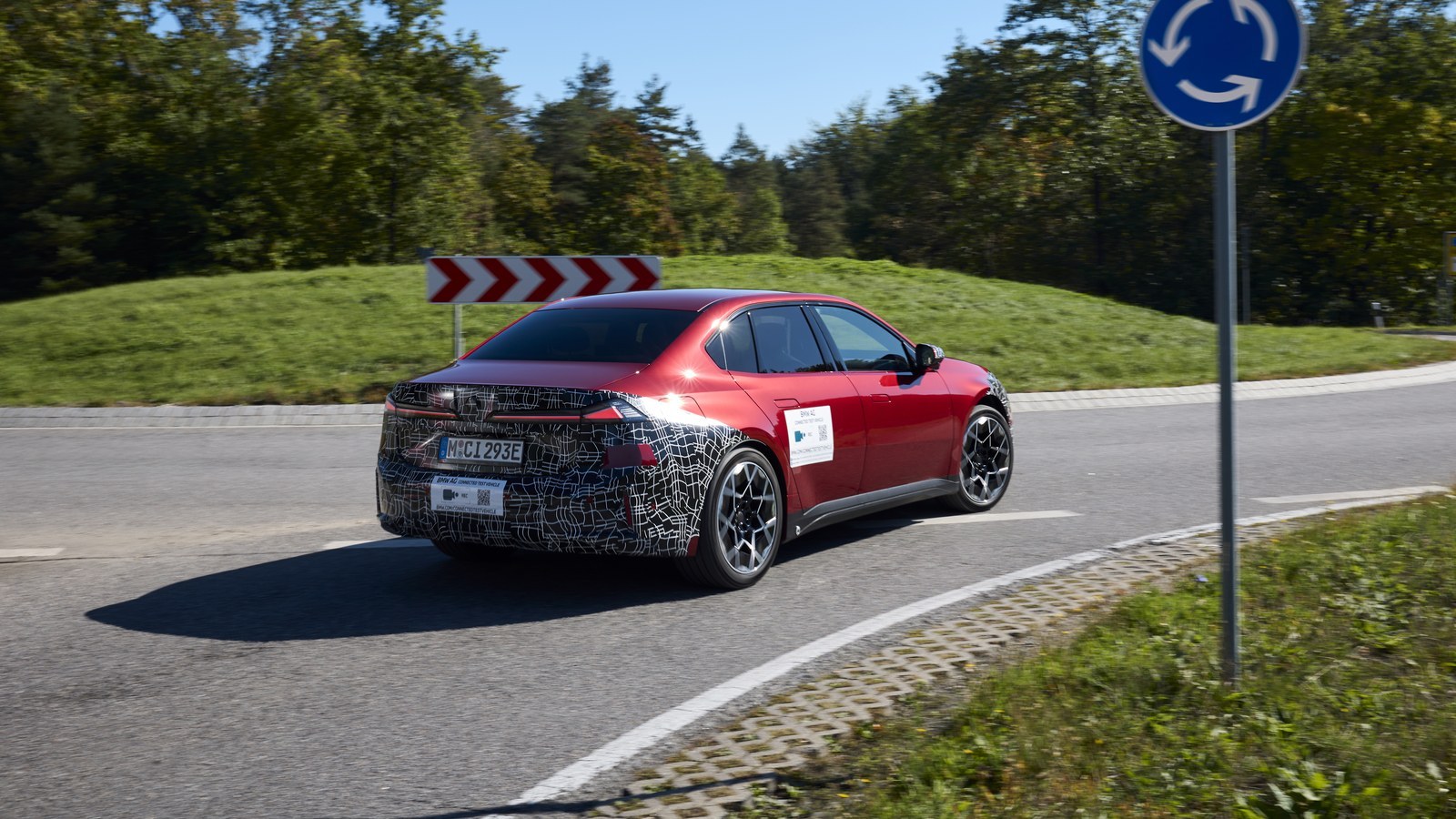
BMW said Monday that, starting in Germany in 2027, its cars will handle turns, right-of-way decisions, city lane changes and roundabouts along a route set in BMW Maps, as long as the driver keeps watching the road. Most headlines read it as BMW taking on Tesla in the city. I read it as the invoice for a decision BMW already made earlier this year.
Here's what the headlines miss: Level 3, the tier where a car lets you look away, didn't lose today. It lost on price months ago, when both German luxury brands quietly pulled it from their flagships. Monday's announcement shows what replaced it: supervised Level 2, hardware fitted at the factory, features switched on later by software. That is Tesla's business model. BMW is simply running it through the regulator instead of around it.
BMW is promising help in the city, not a car that drives for you
According to BMW's announcement, the new functions are SAE Level 2 and work only while the system detects an attentive driver. They will be type-approved under the updated UN Regulation No. 171, known as DCAS Series 2, which BMW says will permit system-initiated maneuvers in cities for the first time from 2027. An independent technical service has already completed the road tests; official confirmation is expected in early 2027. Germany comes first, other countries follow gradually, and BMW gives no date for any of them.
The hardware is already standard in the new iX3 and iX4 and in every version of the X5, 3 Series and 7 Series, and BMW says owners can activate the functions after purchase, over the air. Under what BMW calls Symbiotic Drive, the driver can steer, brake or accelerate without switching the assistant off.
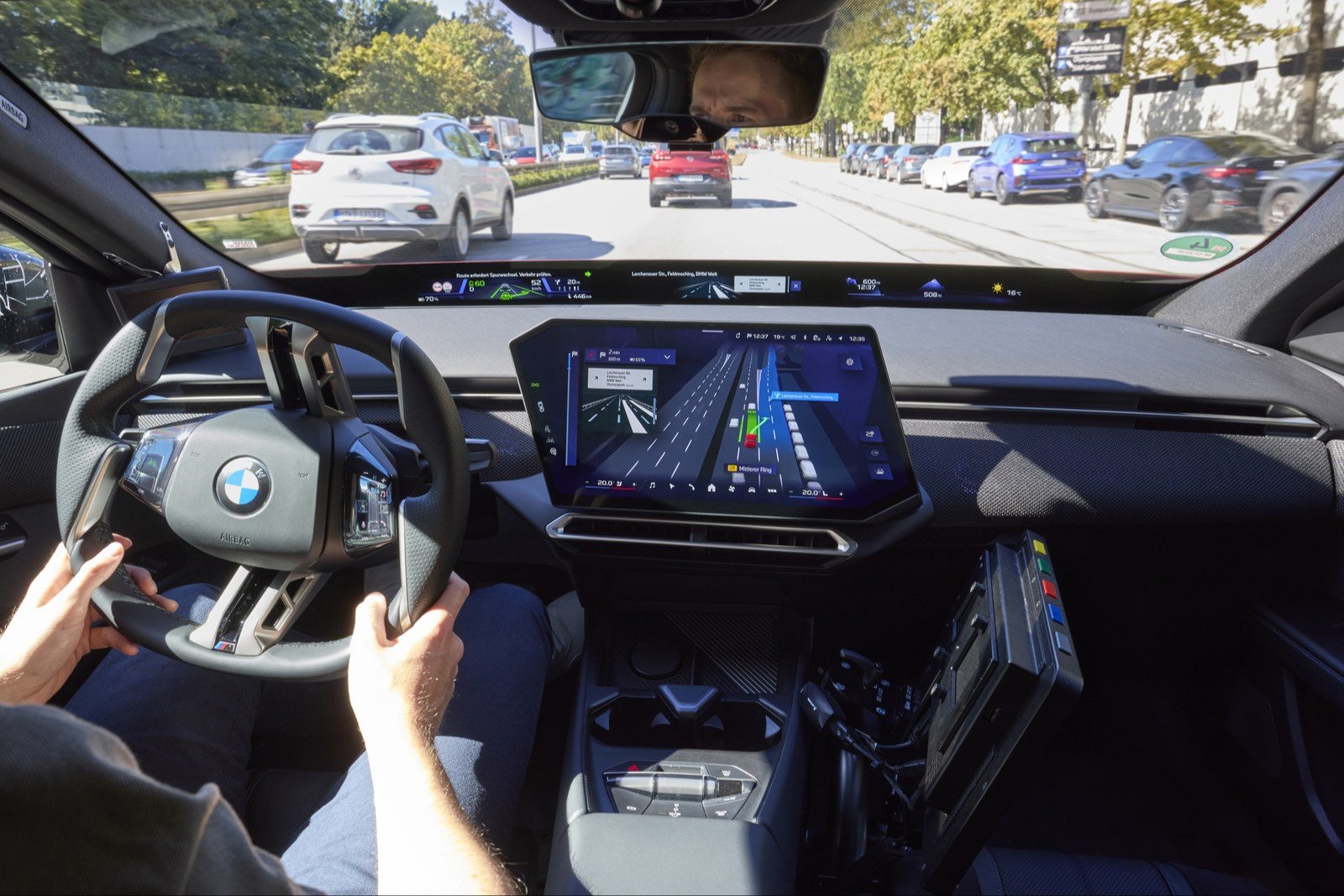
One word is missing from the release: hands-free. BMW uses it freely for its highway system. It does not use it for the city, and every cabin photo BMW published from its Munich test drives shows the driver's hands on the wheel. Until BMW says otherwise, I'd treat this as a hands-on feature.
Level 3 died at the order form, not in the lab
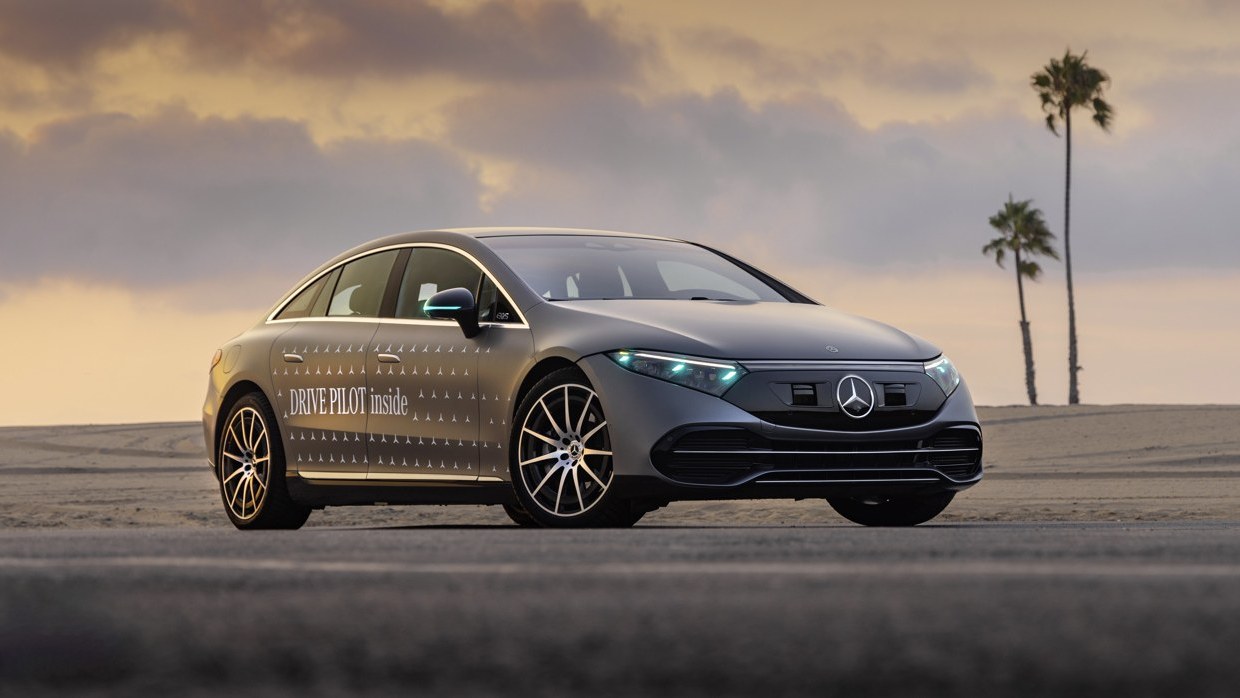
In February, Automotive World, citing Germany's Automobilwoche, reported that BMW would drop Personal Pilot L3 with the 7 Series facelift. The updated car that debuted in April lists only Level 2 assistants. Mercedes made the same move in January, leaving Drive Pilot out of the facelifted S-Class, according to German press reports. That is the system whose turquoise status lights became the model for the exterior lamps NHTSA now proposes for automated vehicles. Neither company calls this a retreat; both say Level 3 will return later.
The numbers explain it better than any statement. Personal Pilot L3 cost €6,000 in Germany, needed lidar, worked only on approved motorways and topped out at about 37 mph (60 km/h). Motorway Assistant, BMW's Level 2 system, lets drivers take their hands off the wheel at up to 81 mph (130 km/h) and costs roughly a quarter as much.
| BMW Personal Pilot L3 | BMW Motorway Assistant (L2) | Tesla FSD (Supervised) | |
|---|---|---|---|
| Driver may look away | Yes, in approved conditions | No | No |
| Top speed | About 37 mph (60 km/h) | 81 mph (130 km/h) in Europe, 85 mph in the US | — |
| Roads | Approved motorways | Highways; city functions from 2027 in Germany | Highways and city streets |
| Price | €6,000 (Germany) | €1,450 (iX3, Germany) | $99 a month (US, announced in January) |
Put those side by side and the customer's choice makes itself. Paying four times as much for the right to look at your phone in a slow-moving jam is a hard sell. Paying a quarter for a car that does most of the work at real highway speeds is not. My bet is that Level 3 take rates never justified the lidar, and that the engineering money now goes into the system BMW announced Monday.
Standard hardware, paid software: the Tesla model with a German accent
The detail that matters most for buyers is the one BMW mentions almost in passing: the sensors are already in the car, and the features arrive later by software. That is how Tesla sells FSD (Supervised). In January, Tesla said it would stop selling the package outright after February 14 and move to a $99 monthly subscription, a price Elon Musk said would rise as the software improves.
BMW hasn't said what the city functions will cost, or whether they will be a one-time unlock, a subscription or free. I won't pretend to know. But the structure is built for a charge: if the hardware is standard and activation is optional, activation is the thing BMW can sell. Anyone buying a 3 Series or an X5 in 2026 or 2027 is paying for capability that may switch on later, possibly for an extra fee, and possibly not in their country for years.
America gets the highway half, not the city half
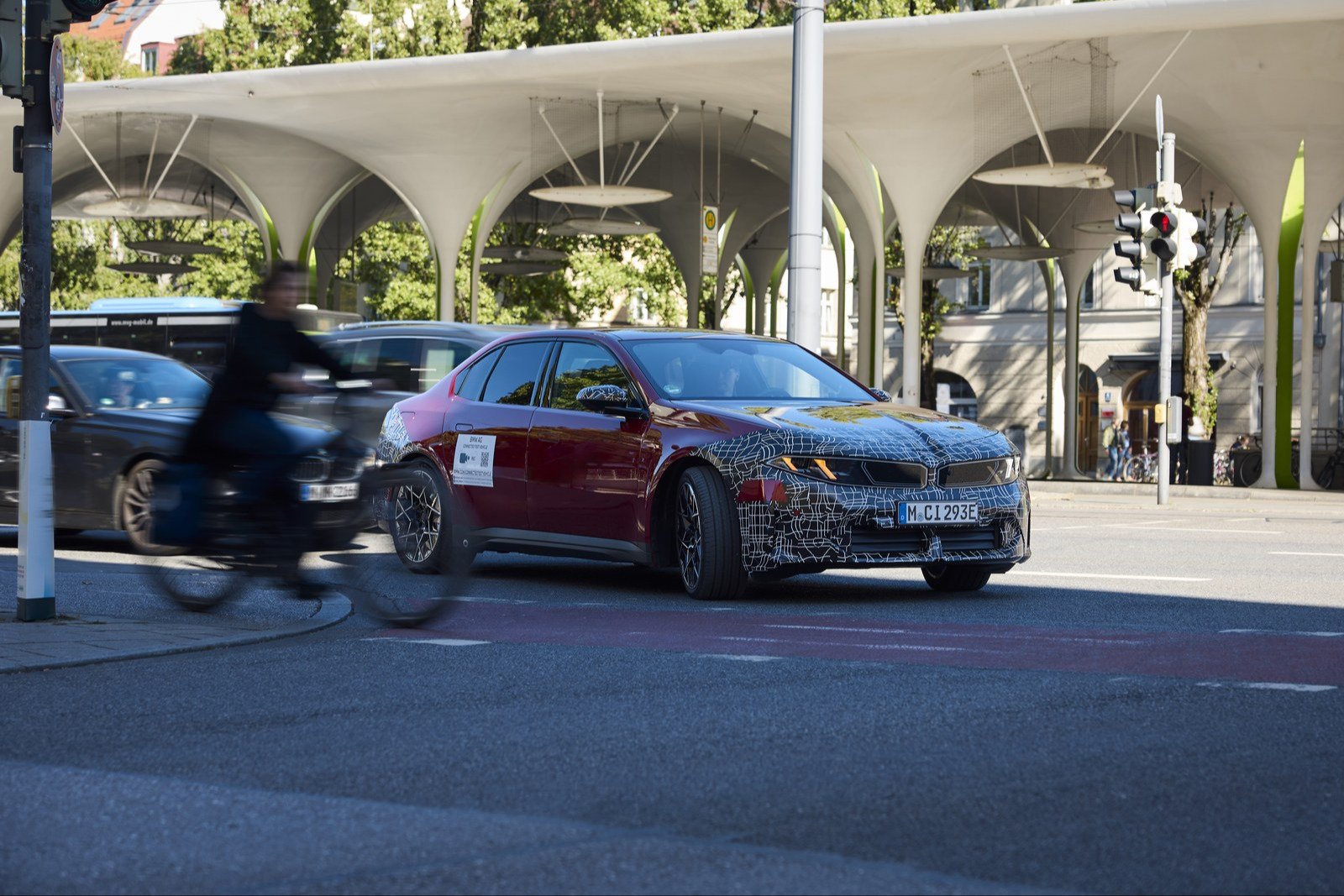
American BMW drivers already have the hands-free part. Highway Assistant on the 2026 iX5 allows attentive hands-free driving at up to 85 mph where conditions and speed limits allow, with lane changes confirmed by a glance at the mirror. In June, BMW said customers had covered more than 200 million kilometers (124 million miles) hands-free, with the previous generation sold in Germany, the US and Canada.
Monday's release says nothing about the US. That silence is telling, because no federal rule stops a Level 2 system from turning at an American intersection; Tesla has been doing it here for years. In Europe, BMW was waiting for permission. In America, it would need confidence about liability and a price customers accept. My read is that the US version arrives after the German launch, and later than many buyers will assume when they sign for a car with the hardware already installed.
The case against my view
The strongest objection is that BMW isn't copying Tesla at all; it is beating Tesla on the terms that matter in Europe. Until DCAS Series 2, UN rules did not let a Level 2 system start maneuvers on its own in cities. BMW will hold a harmonized approval under R171. Tesla's FSD (Supervised) reached Europe through a national exception: the Dutch regulator RDW approved it in April under Article 39 of EU type-approval rules, a route for technology without harmonized standards, and the countries that followed did so provisionally, pending a European Commission decision. On that reading, Level 3 isn't lost, only postponed until lidar gets cheap.
I take the regulatory point seriously. Going through the rulebook is slower but sturdier, and it gives BMW a story for insurers and regulators that an exemption doesn't. But it supports my thesis rather than refuting it. The product BMW chose to push through that rulebook is supervised Level 2, not eyes-off Level 3. Companies spend regulatory capital on what they plan to sell in volume, and "postponed until the cost falls" is what losing on price looks like from inside a company.
What would change my mind
If BMW or Mercedes puts a new Level 3 option on sale in Europe or the US before the end of 2028 for under €3,000, I'm wrong about the price war being over. That would mean the lidar cost problem was solved rather than avoided.
If BMW makes the city functions free on every car that already carries the hardware, the Tesla comparison weakens. Standard hardware without a paid unlock is a safety feature, not a software business.
And if BMW names a US launch date within six months of the German one in 2027, I underestimated how quickly it wants to match Tesla on Tesla's home turf.
My read
BMW's city assistant isn't a leap past Tesla; it's a sensible retreat dressed as progress. The premium brands tried to sell drivers permission to stop watching the road, found few takers at €6,000, and now sell supervised help with factory hardware and an activation switch. That is the Tesla model, done with paperwork. Buyers should read "hardware fitted as standard" as a hint about future pricing, not a promise of a future feature.