Nissan's 96% Profit Drop Is Mostly an Echo. The U.S. Slowdown Under It Isn't
Most of Nissan's 96% plunge is last year's emissions-penalty windfall falling away. The real warning is U.S. growth stalling just as incentives started costing money.
Contents · 6 parts
Nissan made ¥2.1 billion in operating profit between July and September, about $13 million at its own average rate of ¥159 to the dollar. A year earlier the same quarter brought in ¥51.5 billion. That is the 96% drop in the headlines.
Here's what the headlines miss: most of that drop is an echo, not a new hole. A year ago, Nissan's second quarter got a one-time ¥36 billion lift from lighter U.S. emissions penalties, and as I read this year's numbers, the bridge simply shows that lift going away. The number I'd worry about sits elsewhere in the same deck. Nissan's U.S. growth went from roughly 10% in the spring to 1.4% in the summer, and that is the quarter in which U.S. incentives turned from a tailwind into a cost.
Nissan's first half looks healthy only until you count the one-timers
On paper the six months to September look like a turnaround. Revenue rose 8.8% to ¥6,072.0 billion and operating profit swung to ¥80.0 billion from a ¥27.7 billion loss, according to Nissan's first-half financial statement. The bottom line is still red: a net loss of ¥39.7 billion. The full-year forecast of ¥200 billion in operating profit, a 1.5% margin, was left unchanged.
The one-off items in Nissan's results presentation tell a different story than the headline swing. The year-over-year bridge has three of them: "US Emission" at minus ¥36.0 billion, a warranty change in estimates at minus ¥28.9 billion, and "US Tariff" at plus ¥61.1 billion. Only the emissions line landed in the second quarter. The other two were booked in the first, which is why that quarter showed ¥77.9 billion.
Now look at last year's deck. In the November 2025 presentation script, the same two numbers appear with a plus sign: ¥28.9 billion from lower warranty costs and ¥36.0 billion from what management called lighter emissions penalties. In my reading, this year's two negatives are the base effect of last year's windfalls, not fresh charges. Nissan hasn't spelled that out in this year's documents, and its call transcript wasn't available to check, so I flag it as an inference. The figures match to the decimal, though.
The timing of that windfall is no mystery. Congress set the maximum civil penalty for missing federal fuel economy rules to $0 in July 2025, in the middle of the quarter Nissan booked its relief. I covered what that rollback means for buyers in an earlier column on CAFE.
Strip out the extras and the half earned about ¥19 billion
The tariff line deserves the same scrutiny. Nissan describes the ¥61.1 billion as one-time gains related to FY2025 U.S. tariffs, and its own walk to the full-year target removes about ¥60 billion of it from the second half. Take it out of the first half and operating profit falls to roughly ¥18.9 billion on ¥6 trillion of revenue. That is a 0.3% margin.
| FY26 Q1 (Apr–Jun) | FY26 Q2 (Jul–Sep) | FY26 H1 | FY25 H1 | |
|---|---|---|---|---|
| Reported operating profit, ¥ billion | 77.9 | 2.1 | 80.0 | −27.7 |
| One-time items booked, ¥ billion | +61.1 | 0 | +61.1 | +64.9 |
| Operating profit without them, ¥ billion | 16.8 | 2.1 | 18.9 | −92.6 |
| Margin without them | 0.6% | 0.1% | 0.3% | −1.7% |
| U.S. retail sales, change vs. year earlier | +9.5% | +1.4% | +5.5% | — |
The same arithmetic, quarter by quarter, shows why I don't read the second quarter as a fluke caused by one charge. Without one-offs, the first quarter earned about ¥17 billion and the second about ¥2 billion. Nissan does say roughly ¥30 billion of second-quarter-specific items will help the third quarter, but it doesn't say what they were.
The U.S. growth story slowed exactly when it got expensive
The U.S. is the part of this report Nissan is proudest of, and with reason. Retail sales rose 5.5% in the first half to 469,000 units against a market that was roughly flat. Rogue sales were up 31%, Frontier 36%, and Pathfinder 12%.
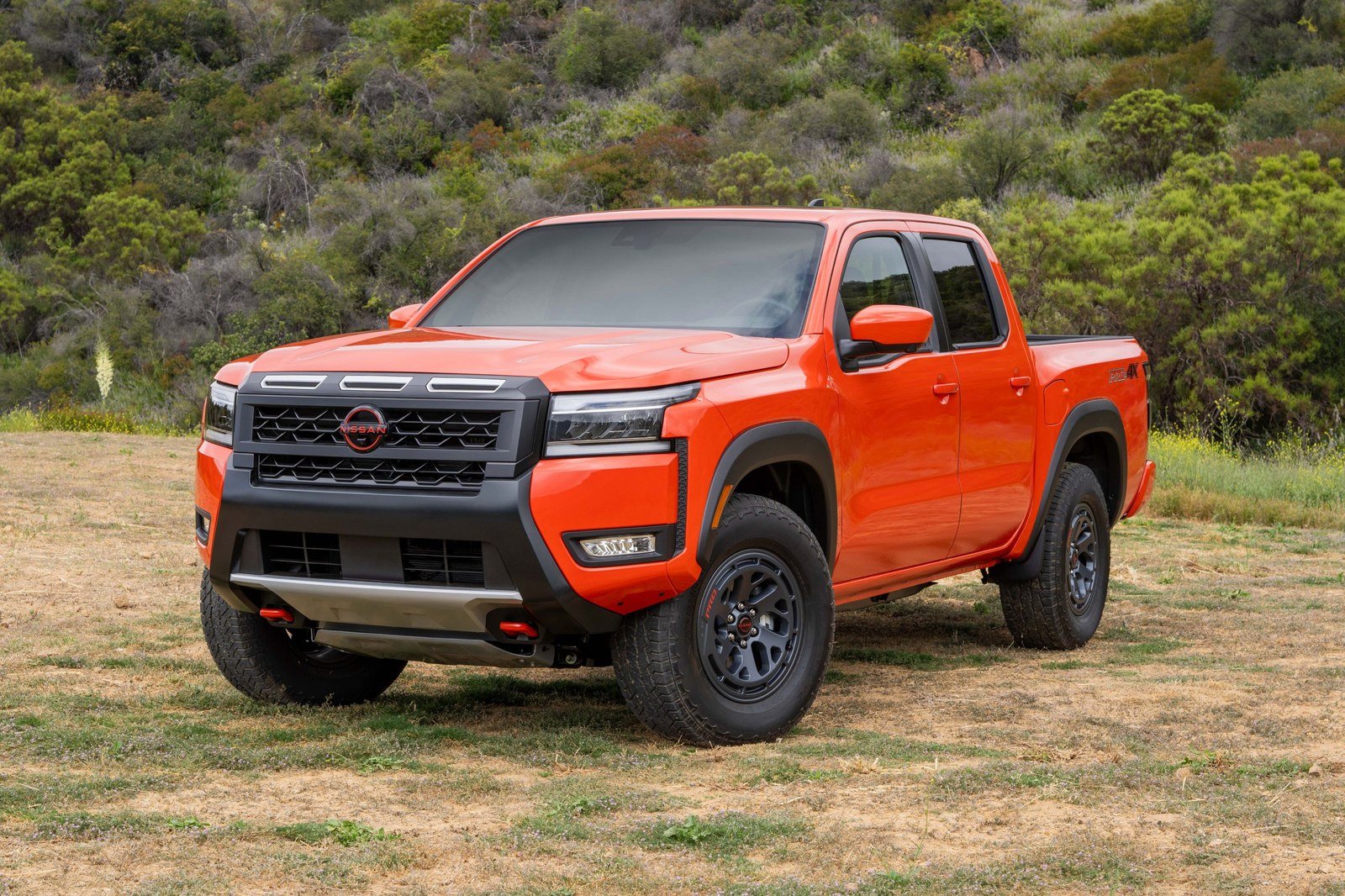
Split the half in two and the momentum fades. The first quarter sold about 243,000 U.S. vehicles, up roughly 9.5%. The second sold 226,000, up 1.4%. Volume and mix still added ¥25.3 billion in the U.S. that quarter, but incentives tied to that volume cost ¥17.9 billion. The per-unit line turned too: incentives and pricing subtracted ¥12.0 billion in the second quarter after adding roughly ¥24 billion in the first.
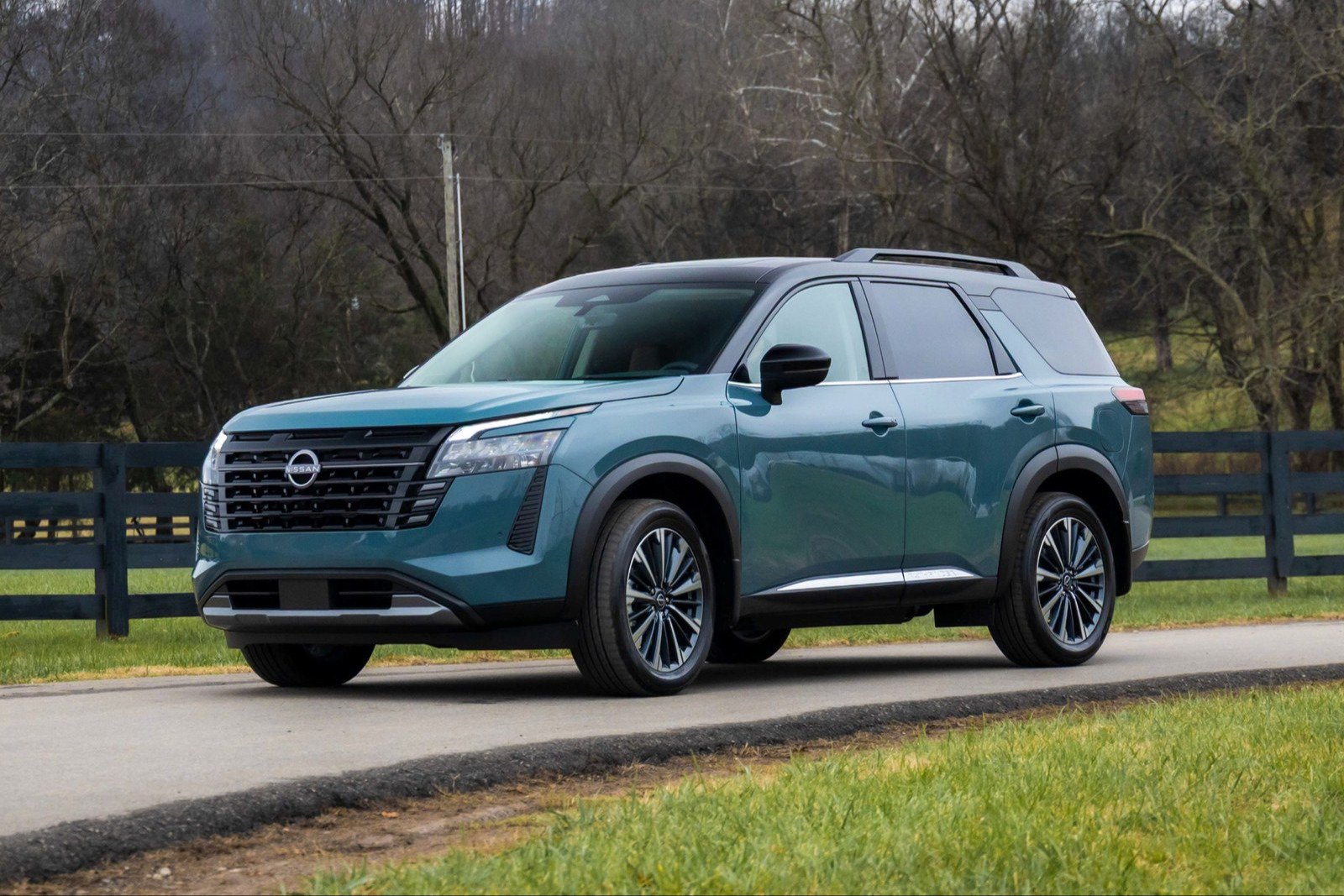
This is the context for Nissan's offer of $1,500 to RAV4 owners who switch to a Rogue Hybrid through January 4, which I looked at in my column on the conquest bonus. My bet is that the bonus isn't a sign of strength. It is a company buying volume in the third quarter after seeing U.S. growth stall in the second, and it lands in the half where Nissan needs ¥105 billion from sales performance and seasonality to hit its target.
The case against my view
The strongest counterargument is that I'm reading a turnaround as a warning. Strip the one-offs from both years and the first half improved by about ¥111 billion: from roughly minus ¥92.6 billion a year ago to plus ¥18.9 billion now. That is almost exactly the ¥110 billion Nissan says Re:Nissan saved in the half. Cost cuts are real, the North American segment earned ¥114.0 billion versus ¥2.5 billion a year ago, and management reaffirmed every financial target.
I accept most of that. The savings are real, and a company that was losing money on cars a year ago now covers its costs. My answer is that the cost cuts have done the heavy lifting while sales did less. That leaves the growth engine exposed: raw materials alone took ¥46.4 billion out of the second quarter compared with a year earlier. Meanwhile, the warranty provision in the income statement nearly tripled, to ¥72.6 billion from ¥24.4 billion, and the U.S. retail credit-loss ratio at Nissan's finance arm rose to 1.01% from 0.86%. None of that says recovery is impossible. It says the margin for buying growth with discounts is thin.
What would change my mind
If Nissan's U.S. sales for October through December come in above 5% growth without a visible rise in incentive spending in the third-quarter bridge, due in February, I was too pessimistic about the slowdown.
If the third quarter shows the promised ¥30 billion of second-quarter items reversing and operating profit back above ¥50 billion without another one-time gain, the summer was an accident of timing, not a trend.
And if Nissan's February 2027 business plan shows a U.S. margin path that doesn't rely on conquest cash, I'll take the RAV4 bonus as a tactic rather than a symptom.
My read
The 96% plunge is mostly Nissan lapping last year's emissions-penalty windfall, and that part deserves less alarm than it got. The part that deserves more is quieter: underlying profit is close to zero, and U.S. growth slowed to 1.4% the moment incentives started costing money. A company in that position can afford a $1,500 bonus, but it can't afford many of them.