Toyota Is Making Money in America Again. Your Next RAV4 Is Paying for It
Toyota's North American business is profitable again on flat sales. By Toyota's own account, price revisions did the work, and six days of hybrid stock leave buyers nothing to negotiate.
Contents · 7 parts
Toyota's North American business swung from a ¥134.1 billion operating loss to a ¥132.0 billion profit in the six months through September, and it did it while selling 3,000 fewer vehicles in the region than a year ago.
The headlines this week credit hybrids. I think that's the wrong half of the story. Hybrid demand gave Toyota pricing power; pricing power is what put North America back in the black. Toyota says so itself, and the American buyer is the one paying for it.
Toyota names prices first, and volume isn't on the list
In its second-quarter results presentation on November 5, Toyota reported first-half operating income of ¥2.19 trillion, up ¥185.4 billion, and raised its full-year forecast by ¥500 billion to ¥3.9 trillion. Electrified models made up 55.6% of Toyota and Lexus retail sales, and hybrid sales rose 8.3% to 2.45 million.
The regional slide is where it gets interesting. Consolidated sales in North America went from 1,533,000 to 1,530,000. Operating income improved by about ¥262 billion. Toyota's prepared remarks in the annotated transcript say North America returned to profitability "largely due to price revisions and the reduced impact of U.S. tariffs." Not volume. Not mix. Price, and a smaller tariff bill.
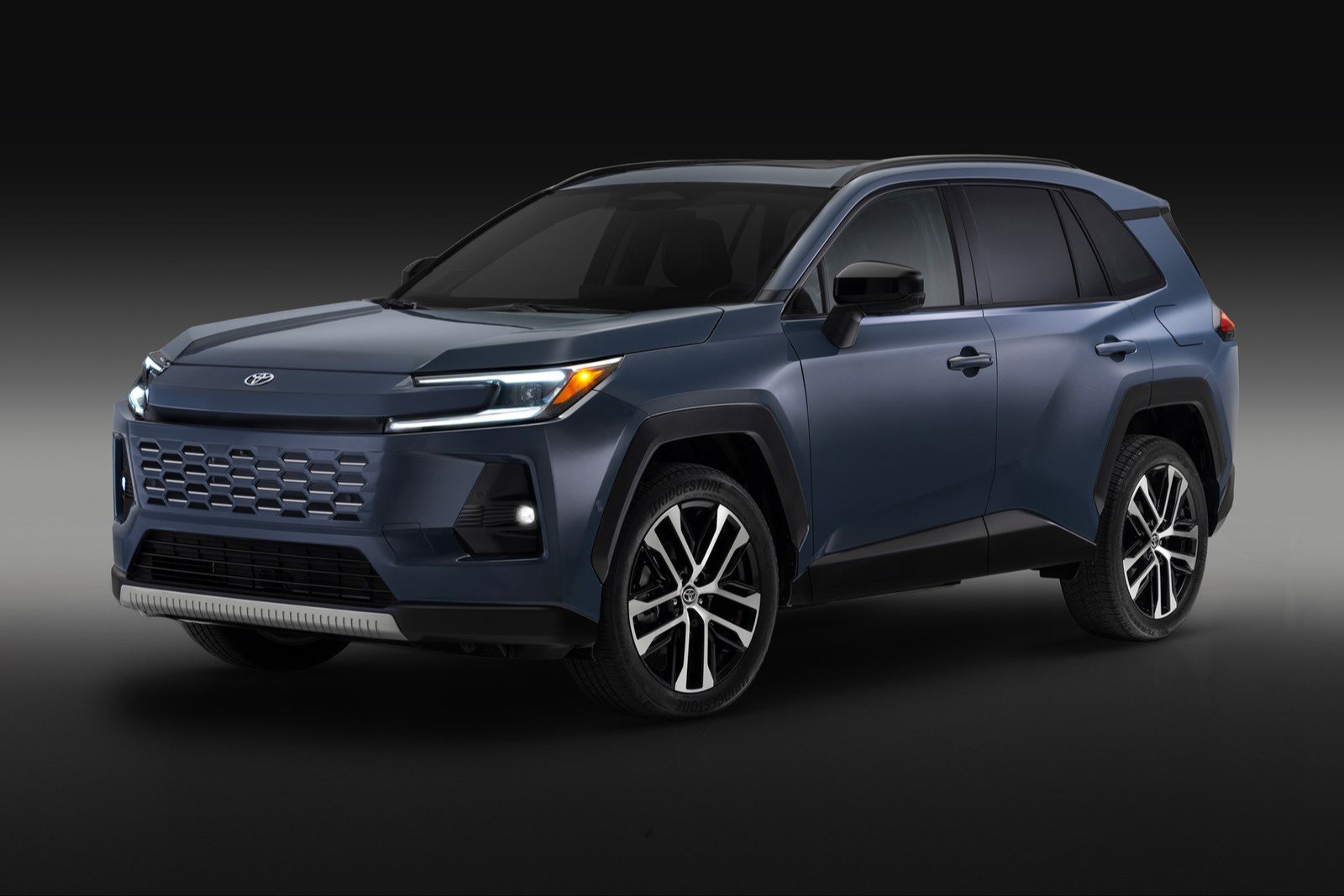
Flat volume means every car carries more of the bill
When a company sells the same number of cars and earns a quarter-trillion yen more, the money has to come from somewhere on each unit. Here is the half-year in Toyota's own numbers.
| Apr–Sep 2025 | Apr–Sep 2026 | |
|---|---|---|
| North America operating income | −¥134.1 billion | +¥132.0 billion |
| North America margin | −1.3% | 1.1% |
| North America vehicle sales | 1,533,000 | 1,530,000 |
| Japan margin | 10.6% | 10.7% |
| Average exchange rate | ¥146 per $1 | ¥159 per $1 |
Toyota doesn't split the North American gain between price increases and tariff relief; it only breaks out factors for the whole company. Globally, "marketing efforts," the line where Toyota books pricing alongside volume and mix, added ¥165 billion even after an ¥85 billion hit from the Middle East, and that is with volume and model mix subtracting ¥115 billion. The single biggest tailwind was the weaker yen, worth ¥685 billion. Hybrids are selling. They are not what moved the needle in yen.
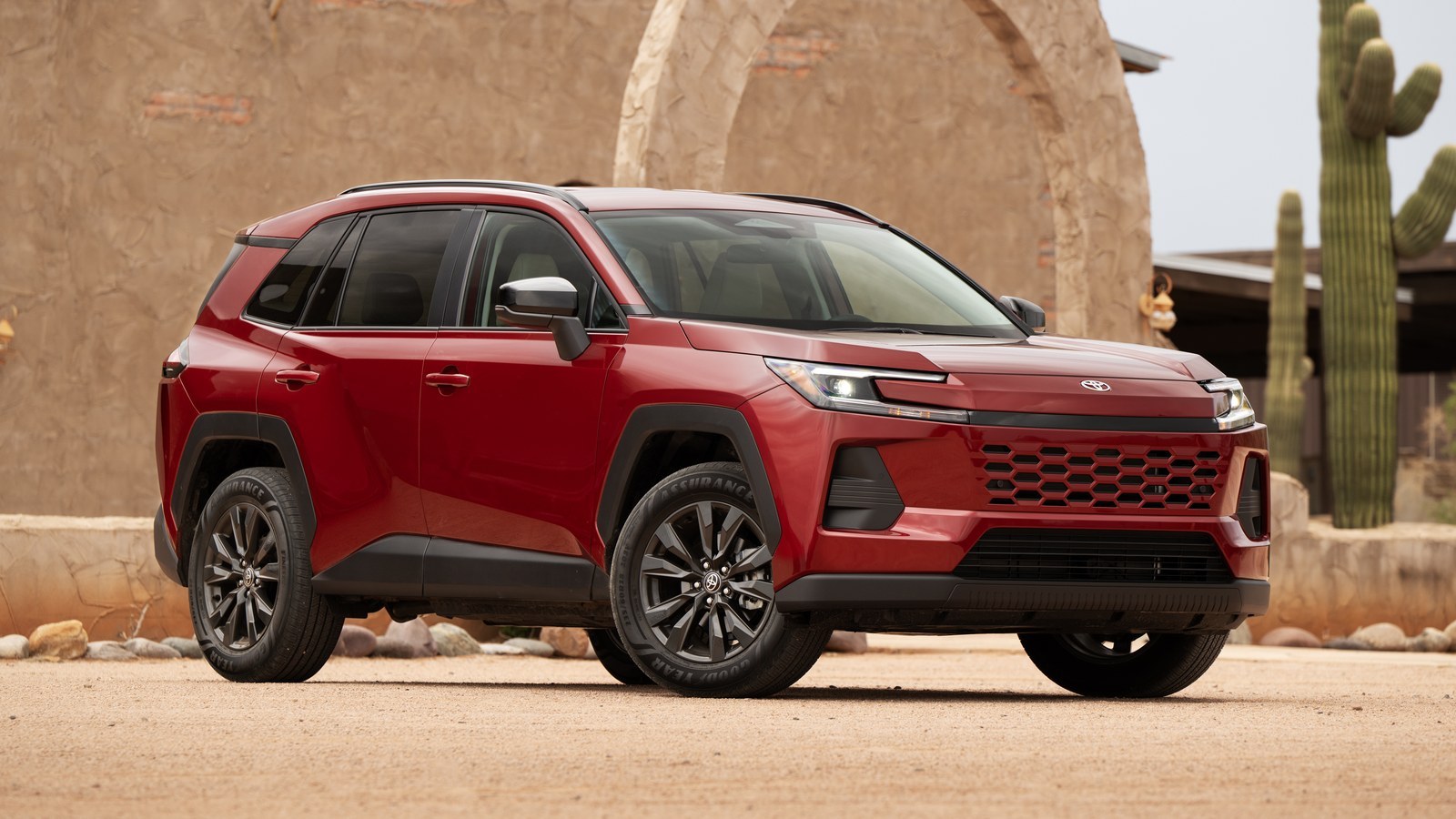
On the American side, the price moves are not a secret. A senior Toyota Motor North America executive said in February to expect three increases across the lineup in 2026 instead of the usual two, Carscoops reported, citing Car Dealership Guy. And the cheapest RAV4 you can buy is now a hybrid that started at $33,350 with destination when the 2026 model launched, because the gas version is gone, a point I made yesterday.
Six days of hybrids leaves nothing to negotiate
The most useful slide for a shopper is Toyota's North America strategy page. At the end of September, Toyota had 11 days of inventory across its U.S. lineup and six days of hybrids. At the end of 2019, it had 42. Incentive spending per vehicle in the fiscal year that ended in March 2026 was 60% below the level of fiscal 2020, by Toyota's own index. The company calls these "the industry's lowest incentive levels and inventory days," and it lists them as a strength.
From Toyota's chair, they are. From the buyer's chair, they mean there is no rebate to wait for and no aged unit on the lot to haggle over. The same slide shows why demand is so firm. Toyota's chart has the hybrid share of the U.S. market rising from 12.7% to 15.6%, set against an EIA average gas price that went from $3.10 in 2025 to $3.82 over the first nine months of 2026. Expensive fuel pushed people toward hybrids, and Toyota charged accordingly.
Where the money goes next
Toyota used the same presentation to raise its share buyback authorization by ¥300 billion, to as much as ¥1.3 trillion this fiscal year, lift the full-year dividend to 100 yen, five more than last year, and cancel 1.2 billion treasury shares. Total shareholder return for the year is projected at 69.4% of profit.
I'm not claiming a RAV4 invoice in America is wired to a buyback in Tokyo. Cash is fungible, and most of Toyota's profit is still made in Japan. My point is simpler: a company with a 1.1% margin in its biggest overseas region chose to send more money to shareholders, not to soften prices in that region. That tells you how comfortable it is with where American pricing sits.
The case against my view
The strongest objection is that Toyota is the victim here, not the beneficiary. Tariffs pushed North America to a ¥298.6 billion loss in the year that ended in March 2026. A 1.1% margin is barely above water, against 10.7% at home. The same Toyota executive said in February that the company would not pass the full tariff cost on to consumers and would follow competitors on price rather than lead. And a big slice of the yen improvement is simply a weaker yen making dollar profits look larger. Plenty of RAV4s sold in the U.S. are built in Ontario, which is why the Canada tariff fight lands on this model in particular.
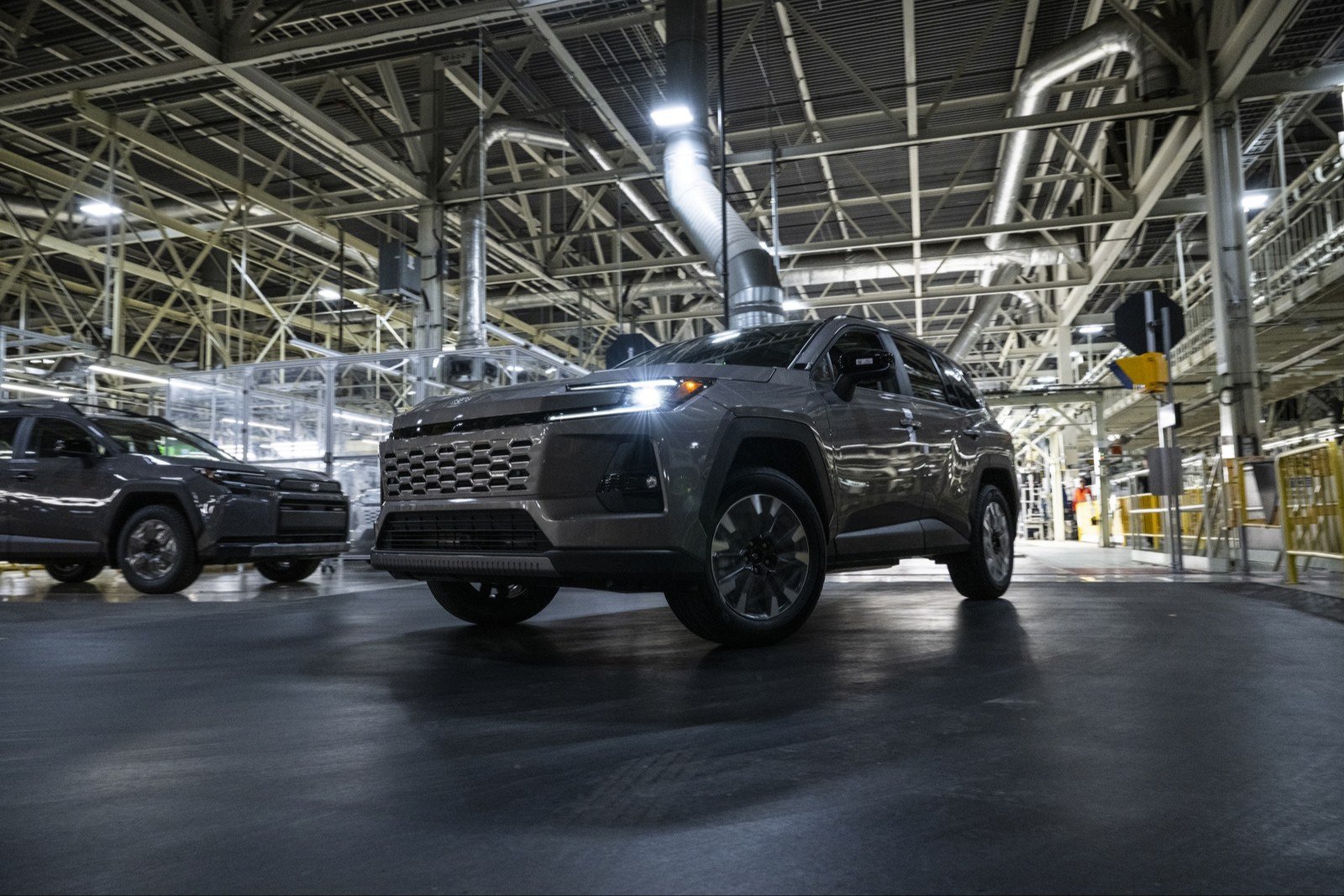
All true, and it's why I don't call this gouging. But it doesn't change the direction of the cash. If volume was flat and the tariff bill shrank, the rest of the recovery came from the buyer's side of the transaction, and Toyota itself put price revisions first. "We absorbed some of it" and "you paid more" can both be correct. With six days of hybrid supply, Toyota has room to raise prices further. It just hasn't needed to.
What would change my mind
If Toyota's third-quarter results in early February 2027 show North American volume rising and the company attributes profit growth to sales rather than pricing, my framing is too harsh. The same goes if hybrid inventory climbs past 30 days and Toyota answers with real incentives on the RAV4 and Camry this winter.
A cut in the 2027 RAV4's starting price, or tariff relief that Toyota visibly passes through to window stickers before its full-year results in May 2027, would also tell me the buyer is getting a share of the recovery. Until one of those shows up, I read the turnaround as priced in.
My read
Toyota didn't sell its way out of the tariff hole in North America; it priced its way out, and it says so in its own words. Hybrids gave it the leverage, low inventory protects it, and the surplus is going to shareholders. If you're shopping for a RAV4 Hybrid this winter, assume the sticker is the price and plan around it.