Honda Is Killing the Gas CR-V. Here's What the $31,000 Buyer Loses
Nearly half of CR-V buyers still choose the gas LX. Going hybrid-only won't hurt the car, but it will almost certainly raise the price of getting in.
Contents · 6 parts
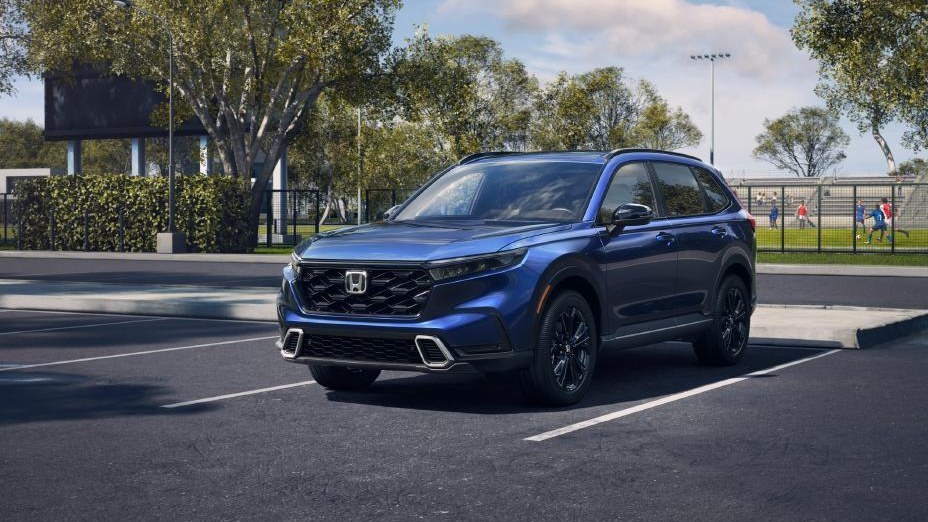
Honda said on Nov. 12 that the next-generation CR-V, a 2028 model arriving next year, will be sold only as a two-motor hybrid. That ends the cheapest way into America's best-selling SUV: today a gas CR-V LX starts at $31,520, and the least expensive CR-V Hybrid starts at $36,030.
Here's what the headlines miss. Nearly half of CR-V buyers still choose the gas car. I don't think Honda is retiring the turbo four for the planet. Its announcement doesn't mention emissions once. What it changes is the price of the front door.
My bet is that the 2028 CR-V starts higher than today's LX. The open question is by how much, and the answer decides whether this is good news for buyers or just good news for Honda.
Honda's announcement leaves out the number buyers need
According to Honda's release, the seventh-generation CR-V gets an all-new platform, the fifth generation of Honda's two-motor hybrid system and a new electric AWD unit. Honda says it is aiming to improve fuel efficiency by more than 10% and to "greatly increase" standard power. The car will still be built in East Liberty, Ohio, in Indiana and in Alliston, Ontario, while the hybrid units come from Honda's transmission plant in Ohio, where hybrid-system capacity is set to rise 250%.
The stakes are large. Honda says the CR-V is the best-selling light-duty vehicle in the U.S. through October 2026 and is on track to top 400,000 sales for a third straight year. Hybrids already make up about 30% of Honda brand sales.
What the release doesn't include: price, horsepower, trim structure, or whether a front-drive hybrid will anchor the lineup. For a car that sells on value, that's the whole story.
Half of CR-V buyers are about to lose their trim
In October, Honda sold 34,815 CR-Vs, and 18,534 of them were hybrids, per Honda's October sales report. That leaves 16,281 gas CR-Vs in a single month, or 47% of the total. If that mix held across a 400,000-unit year, roughly 190,000 people a year would be choosing the turbocharged CR-V. That's my extrapolation, not a Honda figure, but the scale is the point.
These people aren't confused about fuel economy. They are buying a payment. Here's the choice in front of them on the current car, using Honda's 2027 price sheet, today's AAA national average of $3.91 a gallon and my assumption of 15,000 miles a year:
| CR-V LX 2WD (gas) | CR-V Sport Hybrid 2WD | |
|---|---|---|
| 2027 MSRP | $31,520 | $36,030 |
| With $1,550 destination | $33,070 | $37,580 |
| EPA combined | 30 mpg | 40 mpg |
| Fuel per year at $3.91 | about $1,950 | about $1,470 |
| Years to recover the $4,510 gap | — | about 9 |
The hybrid isn't a bad deal. It makes 204 hp, more than the turbocharged LX, and is the better car to drive every day. It's just a more expensive car, and nine years is longer than most people keep one.
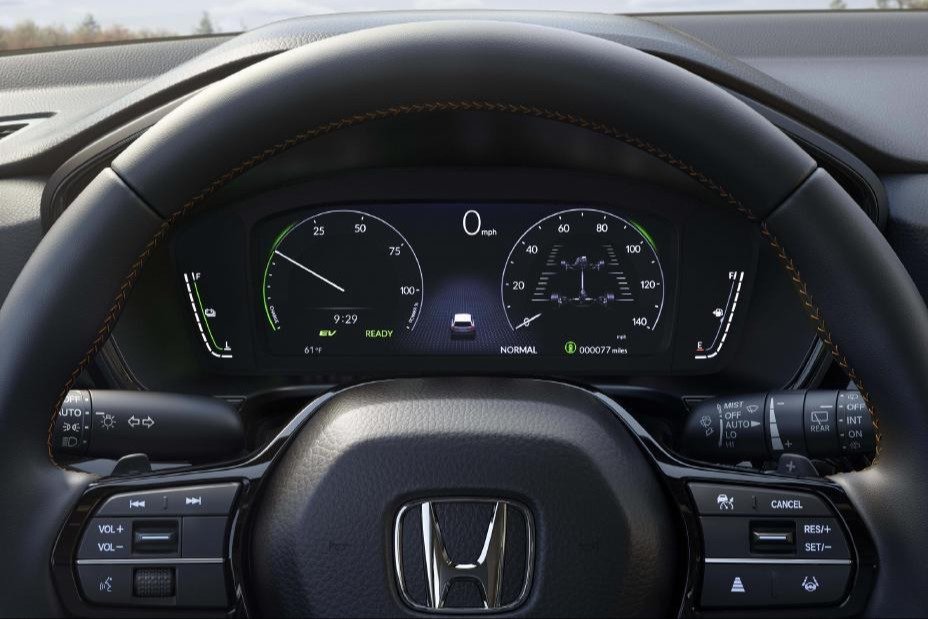
Notice what Honda already did for 2027. On the 2026 model, the LX started at $30,920 and the Sport Hybrid at $35,630. For 2027, the LX went up $600 and the hybrids $400, and the destination charge climbed from $1,395 to $1,550. The gas entry point was already being walked upward before anyone said the word "hybrid-only."
Toyota already showed how this goes
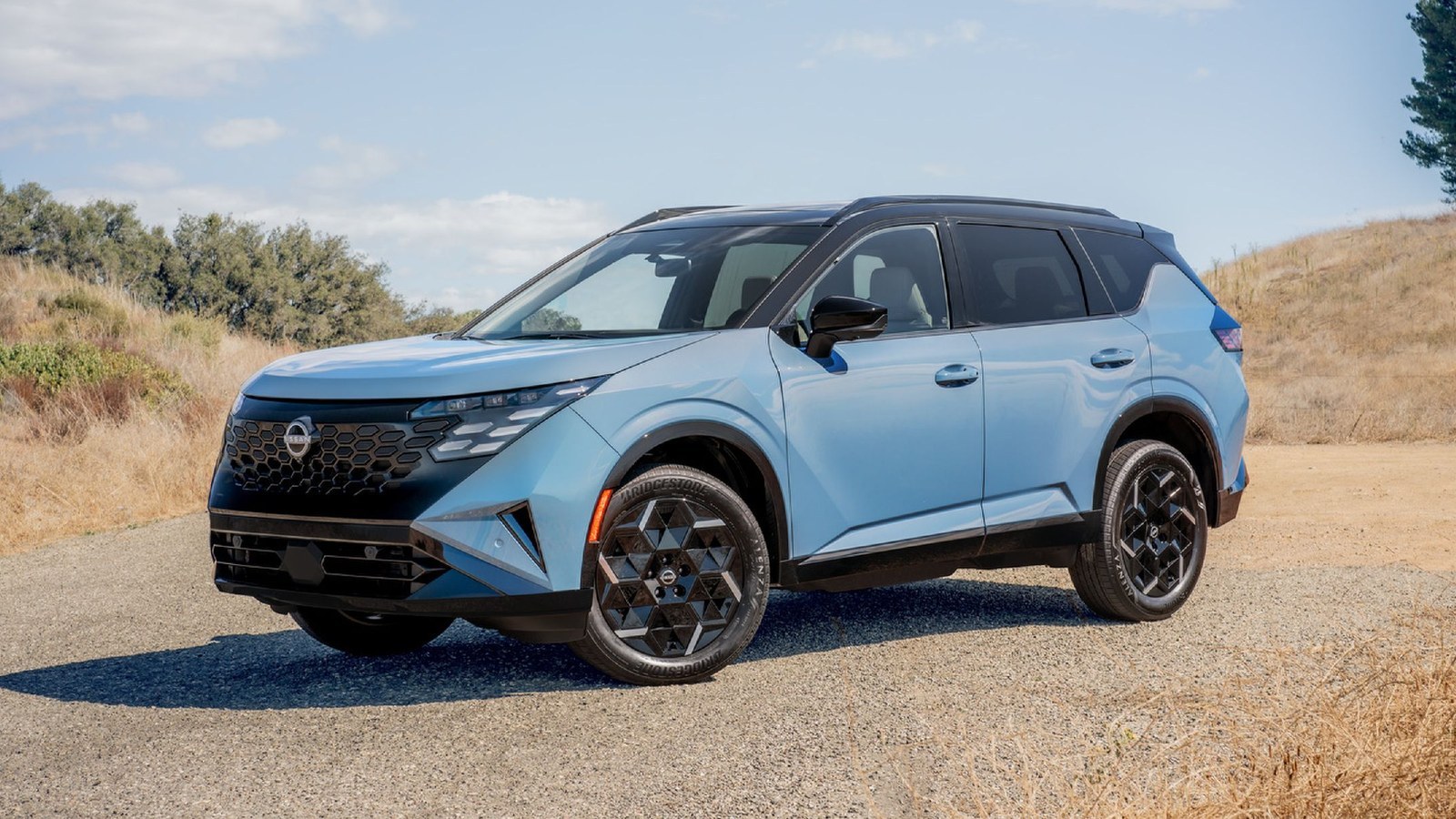
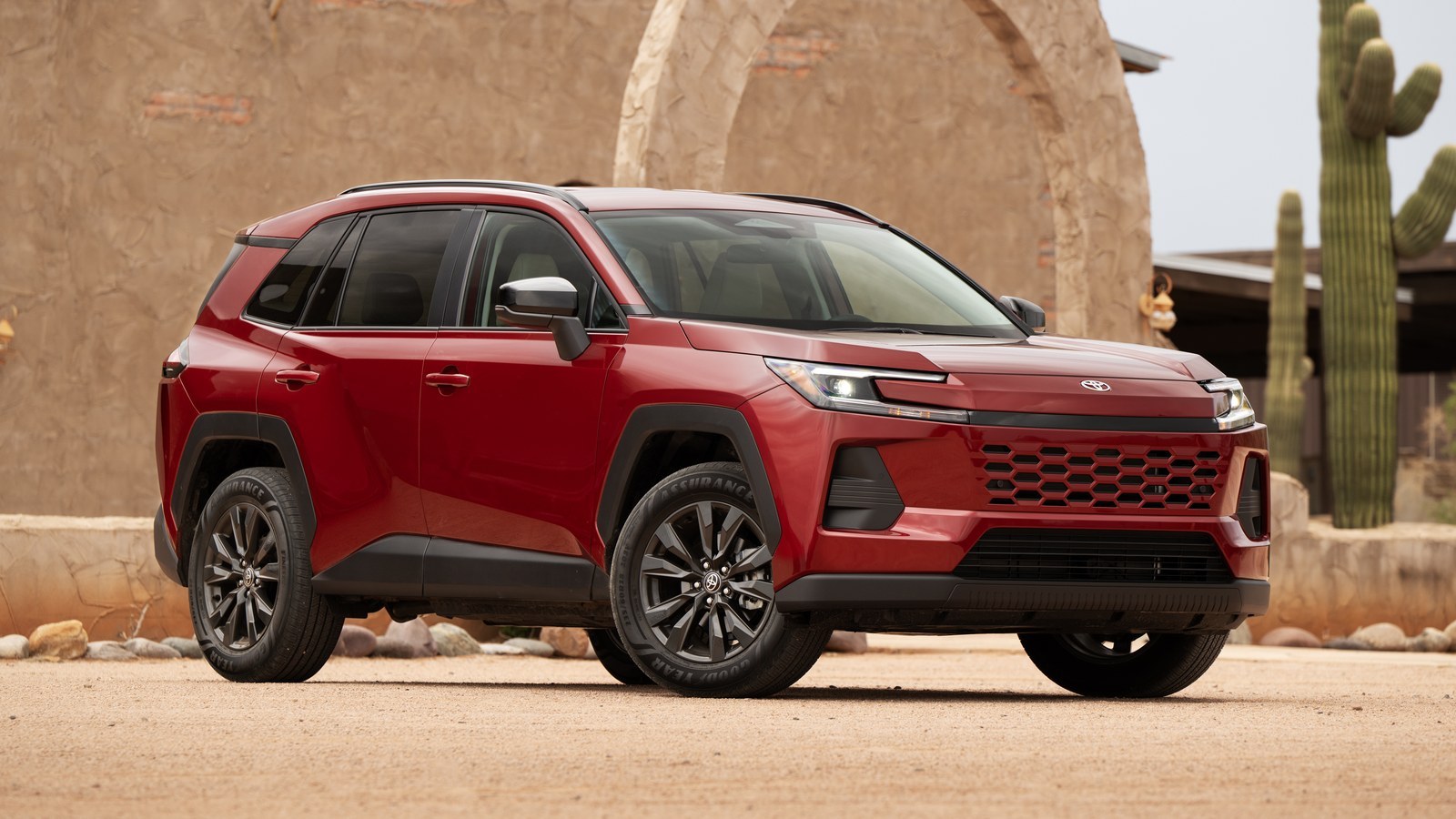
The comparison everyone reaches for is the RAV4, which dropped its gas engine for 2026. The common read is that Toyota pulled it off without punishing buyers. The numbers say something more specific.
The 2025 RAV4 started at $28,850 for a front-drive gas LE, and the cheapest hybrid, the AWD LE, was $31,900. The all-hybrid 2026 RAV4 started at $31,900 for a new front-drive hybrid. Toyota held the hybrid's price and added a cheaper drivetrain, which is a smart move. But the cheapest RAV4 still got $3,050 more expensive overnight, a 10.6% jump at the bottom of the lineup. For 2027 it went up another $400, to $32,300, according to Toyota.
That is the template Honda is now following, and Toyota's version is the gentle one. I looked at what happened to RAV4 volume after the switch in an earlier column. Rivals noticed too: Nissan is now paying RAV4 owners to switch.
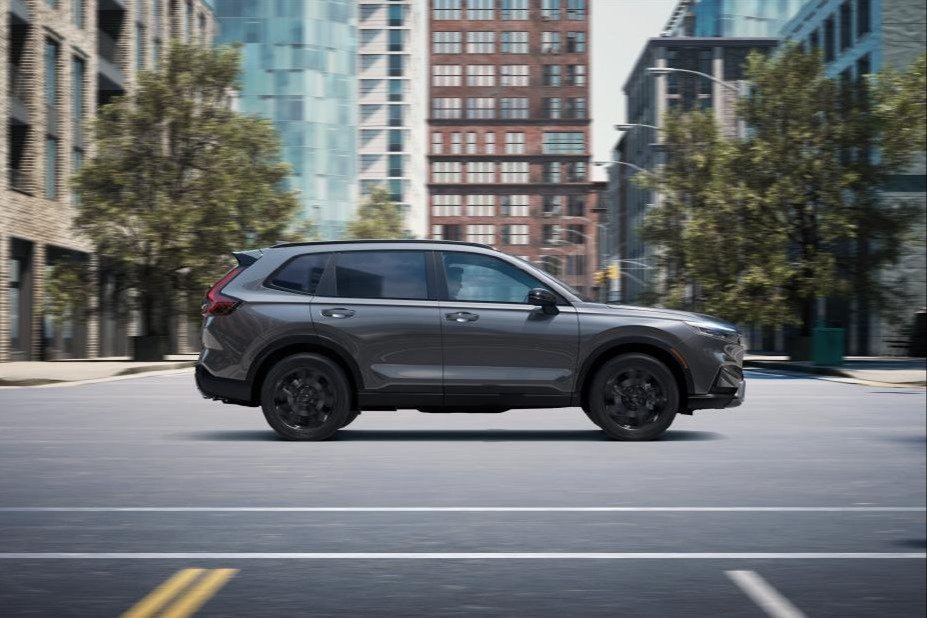
The way I see it, Honda gets two things out of this. One powertrain for its highest-volume vehicle simplifies the plants it is pouring money into, from Ohio's hybrid-system lines to the retooling in Alliston. And the average transaction price on its best-seller rises without a sticker that reads like a price hike.
The case against my view
The strongest argument against me is that the RAV4 has already set Honda's ceiling. A 2027 RAV4 Hybrid LE costs $32,300, only $780 more than a CR-V LX. Honda can't launch its new base hybrid $3,700 above the RAV4 hybrid and expect to keep the sales crown. Market pressure alone should push a 2WD base CR-V Hybrid somewhere near $32,000 to $33,000.
In that world the gas buyer comes out ahead. If Honda delivers its 10% efficiency gain, by my math the new hybrid lands somewhere around 44 mpg. A $1,500 premium over today's LX then pays for itself in about two and a half years at current gas prices, and the buyer gets more power on top. Honda building its own hybrid systems in Ohio, at much higher volume, is exactly what makes that price possible.
I take that seriously, and I think it describes the best case, not the likely one. Even then the cheapest CR-V costs more than it does today, the same way the cheapest RAV4 does. Payback math assumes a buyer who can stretch the monthly payment in year one, and many LX buyers chose the LX because they can't. And a car with a new platform, a new hybrid system and a new AWD unit carries launch costs. My bet is that the first year of a new generation is rarely when an automaker leaves money on the table.
What would change my mind
When Honda publishes 2028 CR-V pricing, likely shortly before the 2027 launch, a base hybrid at or below about $32,500 MSRP would prove me wrong. That's within $1,000 of today's LX and in line with the RAV4. At that price, the gas car's exit costs buyers almost nothing.
A cheaper Honda hybrid below the CR-V would also blunt my argument. If Honda puts a hybrid HR-V or similar model in showrooms by the time the gas CR-V disappears, the $31,000 door has moved rather than closed.
Fuel prices could settle it on their own. If the AAA average stays above $4.50 through 2027, the payback window shrinks enough that a few thousand dollars of premium stops mattering to most households.
And if CR-V hybrid share in Honda's monthly reports climbs past two-thirds before launch, then gas buyers were leaving on their own, and Honda is following them rather than pushing them.
My read
Going hybrid-only is the right call for the car, and the CR-V Hybrid is the better CR-V. But this is a price story dressed up as a powertrain announcement. If your budget starts with a three, the 2027 LX at $31,520 is probably the cheapest new CR-V you'll see for a long time, and I'd buy it now rather than wait for a 2028 price sheet that Honda hasn't shown anyone.