Audi Ended the A8 and Priced Its Halo Car at $700,000. Only 182 Americans Need Apply
182 Nuvolaris bring in about what a year of A8 sales did. The money adds up; what Audi gives up is the S-Class buyer.
Contents · 6 parts
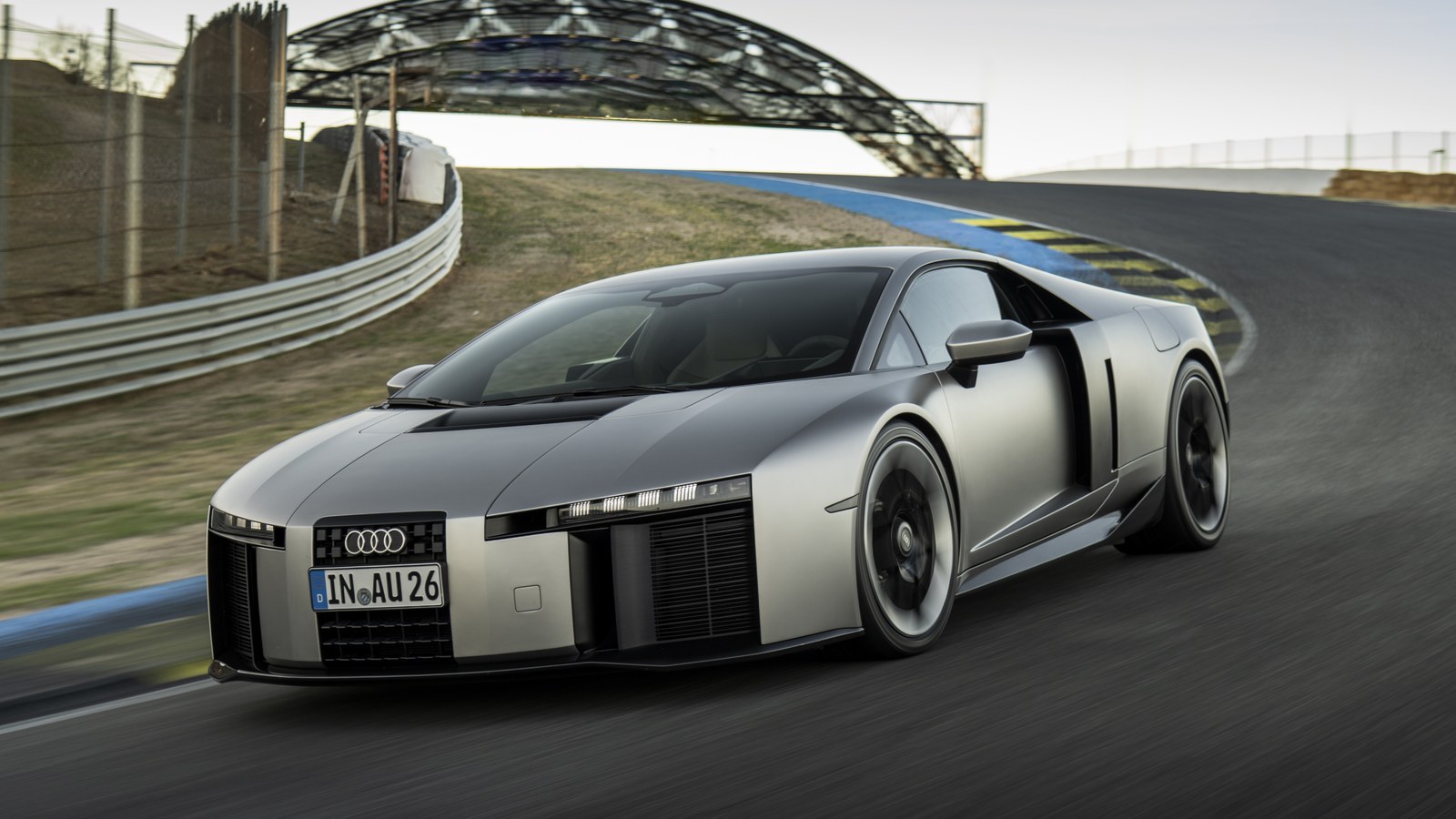
Audi of America will sell 182 Nuvolari supercars in the U.S. at a starting MSRP of $700,000, with deliveries beginning in the first half of 2028. A month earlier, the last A8 rolled off the line in Neckarsulm, and Audi has not named a successor.
Put those two facts side by side and you get the most revealing pricing move Audi has made in years. Here's what the headlines miss: on paper, 182 Nuvolaris bring in about as much as a full year of A8 sales did. The money is not the problem. The problem is that Audi no longer has a car for the person who buys an S-Class.
A $700,000 Audi arrives as the A8 leaves
The Audi of America release puts the Nuvolari's estimated system output at 987 hp. A twin-turbo V8 makes 789 hp at 9,000–9,750 rpm, and three axial-flux electric motors add the rest. Audi quotes an estimated 0–60 mph time of 2.5 seconds and a top speed above 217 mph, and it labels all of those figures preliminary. Production is capped at 499 cars worldwide. The U.S. gets 182, sold through regular Audi dealers, with orders open "for a limited time."
The A8 ended quietly. According to Auto Motor und Sport, the last car left Neckarsulm in mid-October, the hall now builds the A5 sedan and A5 Avant, and Audi has no plans there for a next generation. There is no official Audi statement on the A8's end. There is, however, an official answer to who inherits the title: CEO Gernot Döllner calls the Q9 SUV "the new flagship of the Audi portfolio." It is built in Bratislava and reaches U.S. dealers this quarter at a starting MSRP of $87,700.
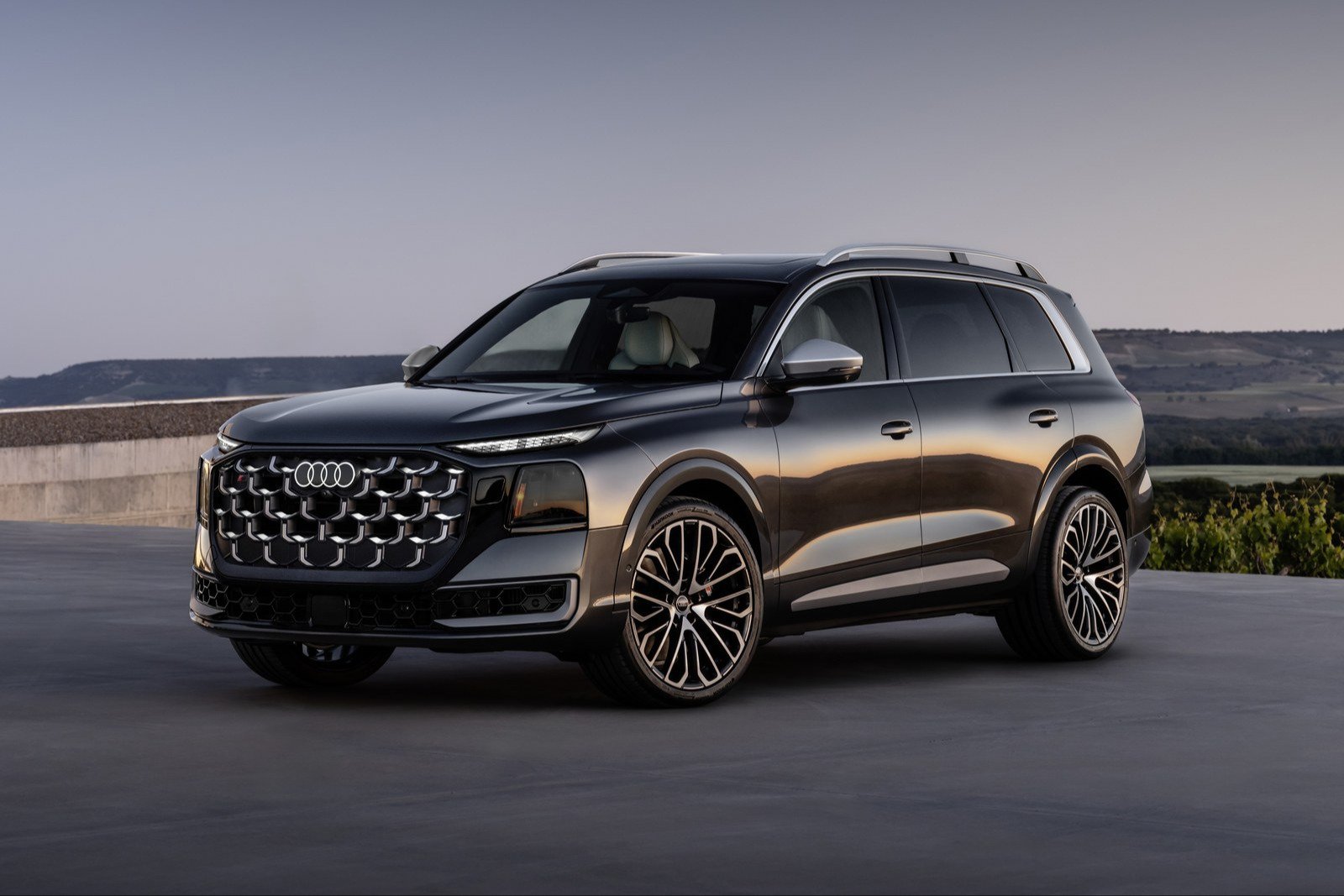
Why 182 buyers can replace a year of A8 sales
Start with the arithmetic. 182 cars at $700,000 is $127.4 million in base MSRP. Audi of America's 2025 year-end sales report shows 1,406 A8-family cars sold last year, a count that includes the S8 and the A8 L plug-in hybrid. At today's A8 L base price of $95,100, that is $133.7 million.
| Audi A8 family, 2025 | Audi Nuvolari | |
|---|---|---|
| U.S. units | 1,406 in one year | 182 (of 499), one allocation |
| Starting MSRP | $95,100 (A8 L, MY2026) | $700,000 |
| Top line at base MSRP | ~$133.7 million | ~$127.4 million |
| Cars per U.S. dealer (300+) | under 5 | under 1 |
Both columns are rough. MSRP is not Audi's revenue, and the dealer keeps a slice either way. The S8 at $130,000 pushes the real A8 number up. Customer credits push it down: Houston-area Audi stores currently list $10,000 off remaining 2026 A8 L cars. The Nuvolari moves the other way, because Audi Exclusive paint and trim only add to a $700,000 base.
What strikes me is not that the two numbers match. It's what each one costs to earn. The A8 needed a production line, a full model-year cycle, and incentives to move fewer than five cars per dealer per year. The Nuvolari needs one allocation and a waiting list. The way I see it, Audi swapped a flagship it had to sell for one it only has to hand out.
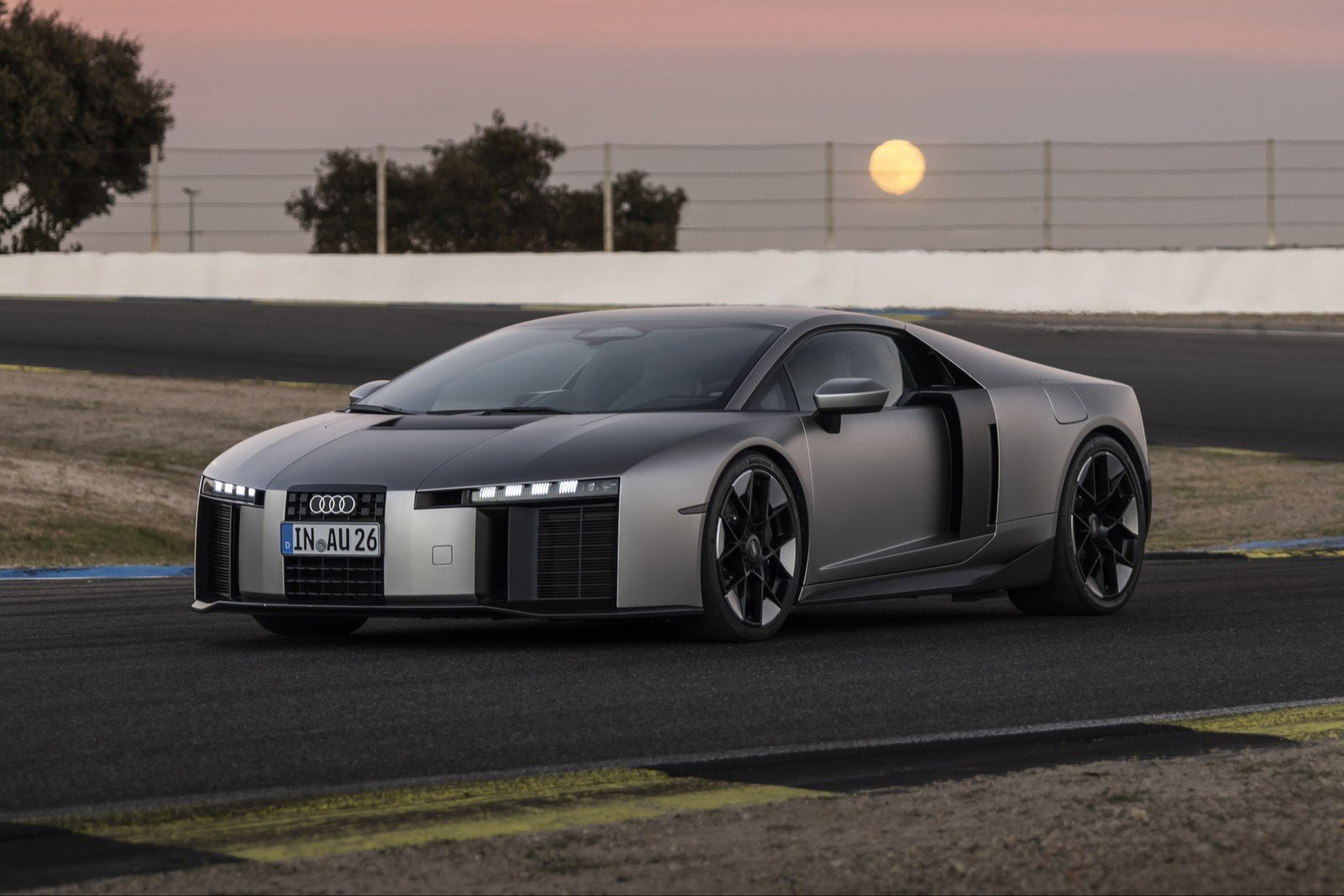
The sedan was losing long before the supercar showed up
None of this happened overnight. Carscoops, citing sales data, puts the A8's U.S. peak at more than 6,000 cars in 2013. Audi's own reports show 1,628 in 2024 and 1,406 in 2025. Over the same year, BMW of North America reported 11,393 7 Series sales, up 6.3%, and Mercedes sold 7,408 S-Class sedans, according to Carscoops. Audi was a distant third in a segment its rivals still grow.
The end was a sell-down. In the third quarter of 2026, U.S. A8 deliveries rose 30% to 464 cars, and the nine-month total reached 977. Rising sales in a model's final quarter usually mean a dealer lot being cleared, not demand coming back.
Then look at where the "flagship" label went. The Q9 starts $7,400 below the A8 L. Audi's top car by name is now bigger and cheaper, and it lines up against the BMW X7 and Mercedes GLS, not the 7 Series and S-Class. In my view, that is the real strategic decision here. Audi has stopped fighting for the chauffeured-sedan buyer in America and is betting that the same money now buys a three-row SUV.
The most expensive job, being the car that makes the badge look expensive, now belongs to the Nuvolari. That role used to be split between the A8 and the R8. The R8 is already gone: Audi sold 330 in the U.S. in 2024 and five in 2025.
The case against my view
The strongest objection is about cause and effect. The A8 did not die because of a halo car. Its fourth generation dates to 2017, while the current S-Class launched in 2020 and the current 7 Series in 2022. Buyers in this price range have been moving to SUVs for a decade. The Nuvolari is a successor to the R8 and a showcase for Audi's Formula 1 program, and nothing public suggests it took a single dollar from an A8 replacement. Comparing a one-time allocation with an annual sales line is, on this reading, a category error.
I accept most of that. The Nuvolari did not kill the A8; age and SUVs did. But my argument is about what Audi chose to put at the top once the A8 was gone. It funded a 499-car hybrid supercar and a Slovak-built SUV. It did not fund a new sedan for the U.S. The only successor talk on record is a Manager Magazin report, relayed by Auto Motor und Sport, that Audi is considering a luxury sedan built in China, possibly with Huawei. Audi has not confirmed it, and nothing in that report points at American showrooms.
The one-time objection cuts both ways, too. A sedan that brings in roughly $130 million a year with a $10,000 credit attached is not a business Audi was going to fight for. If the Nuvolari sells out, it keeps the brand in conversations for two years, and that is cheaper image than another A8 generation.
What would change my mind
An official Audi announcement of an A8 successor for the U.S., on any platform, with a launch date before 2030, would tell me the sedan gap is a pause rather than an exit.
The Nuvolari's own order book is the second test. Audi still describes U.S. orders as open for a limited time. If the 182 cars are not spoken for by the time deliveries begin in the first half of 2028, the halo math weakens, and the A8 trade looks worse in hindsight.
The third test is the Q9. If the Q9 and SQ9 together fail to outsell the 7 Series' roughly 11,000 cars in 2027, their first full year, Audi will have lost the sedan buyer without catching him in an SUV. Audi of America reports quarterly, so that verdict will be public by January 2028.
My read
Audi made a rational trade: it stopped carrying a sedan that sold fewer than 1,500 cars a year and put its name on a $700,000 car that needs only 182 buyers to match it. The bill comes later. A luxury brand without a car for the S-Class buyer is a brand that sells large SUVs and one very loud poster, and posters do not come back for service or trade up.