Gas Hit $4 and Hybrids Boomed — Mostly Where the Gas Option Disappeared
October's hybrid records look like buyers fleeing $4 gas. Honda's numbers say otherwise: where shoppers could still choose, the gas versions grew faster.
Contents · 6 parts
Regular gas averaged $4.15 a gallon on Wednesday morning, according to AAA's national average, up from $3.04 a year ago. Right on cue, October sales at Toyota, Honda, Hyundai and Kia were read as one big hybrid story.
The easy story writes itself: expensive gas is pushing Americans into hybrids. I don't buy it, at least not in that form.
Here's what the headlines miss: where buyers can still choose between a gas and a hybrid version of the same car, the gas versions grew faster in October. Where hybrid share looks spectacular, it's largely because the plain gas engine was taken off the order sheet. The hybrid boom is real, but a big part of it is being decided in product planning, not at the pump.
October looked like a hybrid month on every press release
American Honda sold 119,952 vehicles in October, up 8.0% and its best October since 2020, according to Honda's sales release. The Honda brand alone delivered 109,162, up 9.1%. Hybrids set an October record at 32,519 units. The CR-V rose 9.8% to 34,815, with hybrids at 53% of the mix.
Toyota brand sales rose 5.7%, and the RAV4 posted its first year-over-year gain of 2026, Automotive News reports. The RAV4 gain was thin: 39,888 units, up 0.6%, by CarBuzz's count. Toyota's own October release had not appeared on its newsroom as of Wednesday morning, but in September electrified models made up 58.2% of everything Toyota Motor North America sold, per its September release.
Hyundai sold 73,452 vehicles, up 5%, with hybrids at 29% of sales, and Kia posted a record 80,008 with hybrid sales up 114%, InsideEVs reports.
Honda's buyers picked gas faster than hybrids
Honda is the cleanest test, because almost every Honda hybrid has a gas twin on the same lot. Working backward from the growth rates in Honda's release, the Honda brand sold roughly 76,600 non-hybrid vehicles in October, up about 11%. That is my estimate from Honda's percentages, not a figure Honda published. Either way, hybrids grew at half that pace.
By the same math, the hybrid share of Honda brand sales slipped from about 30.9% last October to 29.8% this October. Gas got 37% more expensive, and Honda buyers moved slightly toward gas.
| October 2026 | Change vs. 2025 | |
|---|---|---|
| Honda brand, total | 109,162 | +9.1% |
| Honda hybrids | 32,519 | +5.1% |
| Honda non-hybrids (my estimate) | ~76,600 | ~+11% |
| Honda CR-V | 34,815 | +9.8% |
| Toyota RAV4 (hybrid and PHEV only) | 39,888 | +0.6% |
| RAV4 vs. CR-V, January–October | 293,552 vs. 371,659 | −26.2% vs. +9.6% |
The math explains why. A 2027 CR-V LX starts at $31,520 before destination and the cheapest CR-V Sport Hybrid at $36,030, per Cars.com, a $4,510 gap (the hybrid does bring more equipment). The EPA rates the front-drive versions at 30 mpg and 40 mpg combined. At 15,000 miles a year and $4.15 gas, the hybrid saves about $520 a year, which takes close to nine years to earn back the gap. At last year's $3.04, it is closer to 12. A buyer with a calculator can reasonably pick the gas CR-V, and plenty of them did.
Toyota's hybrid share is a product decision
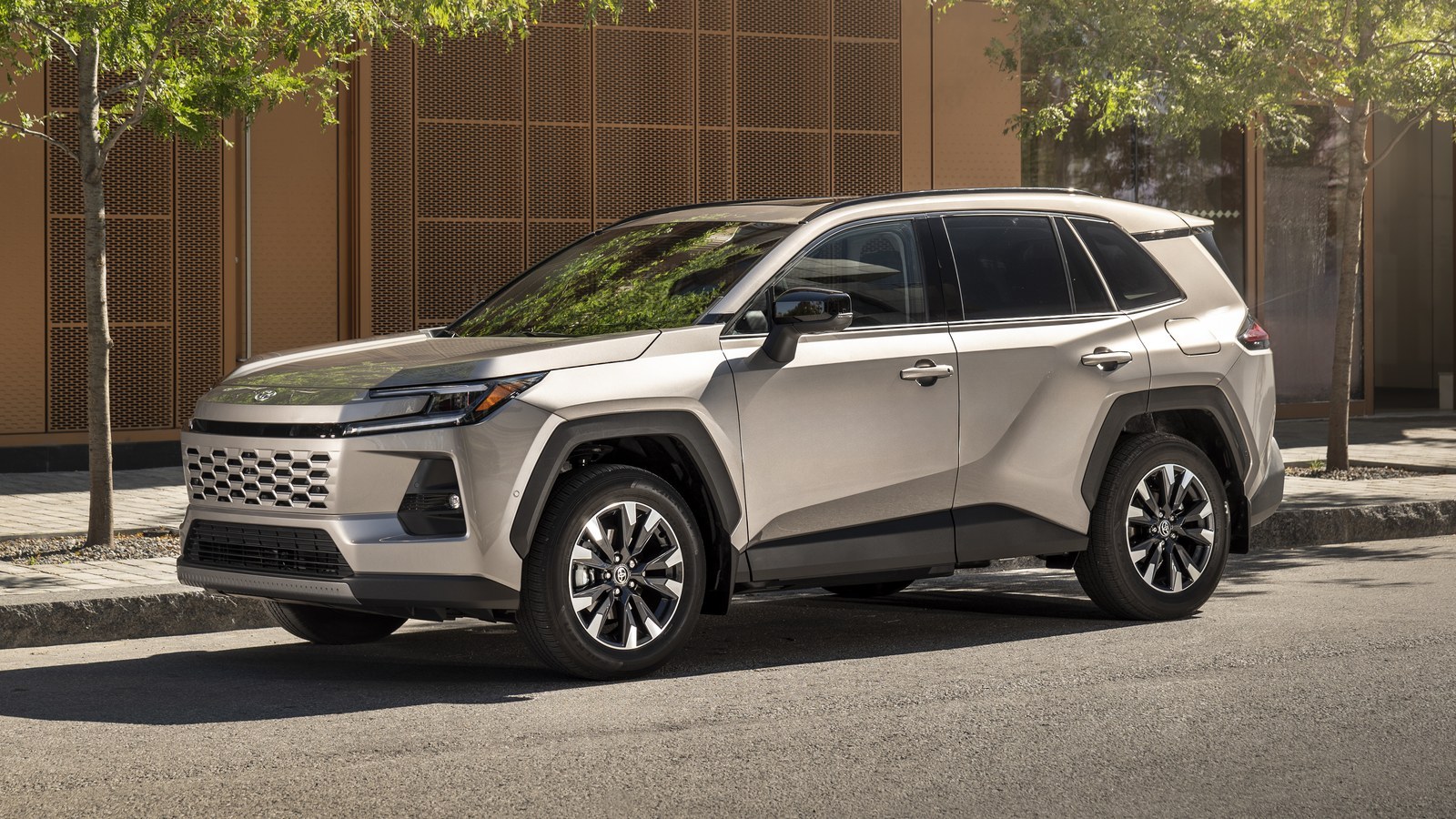
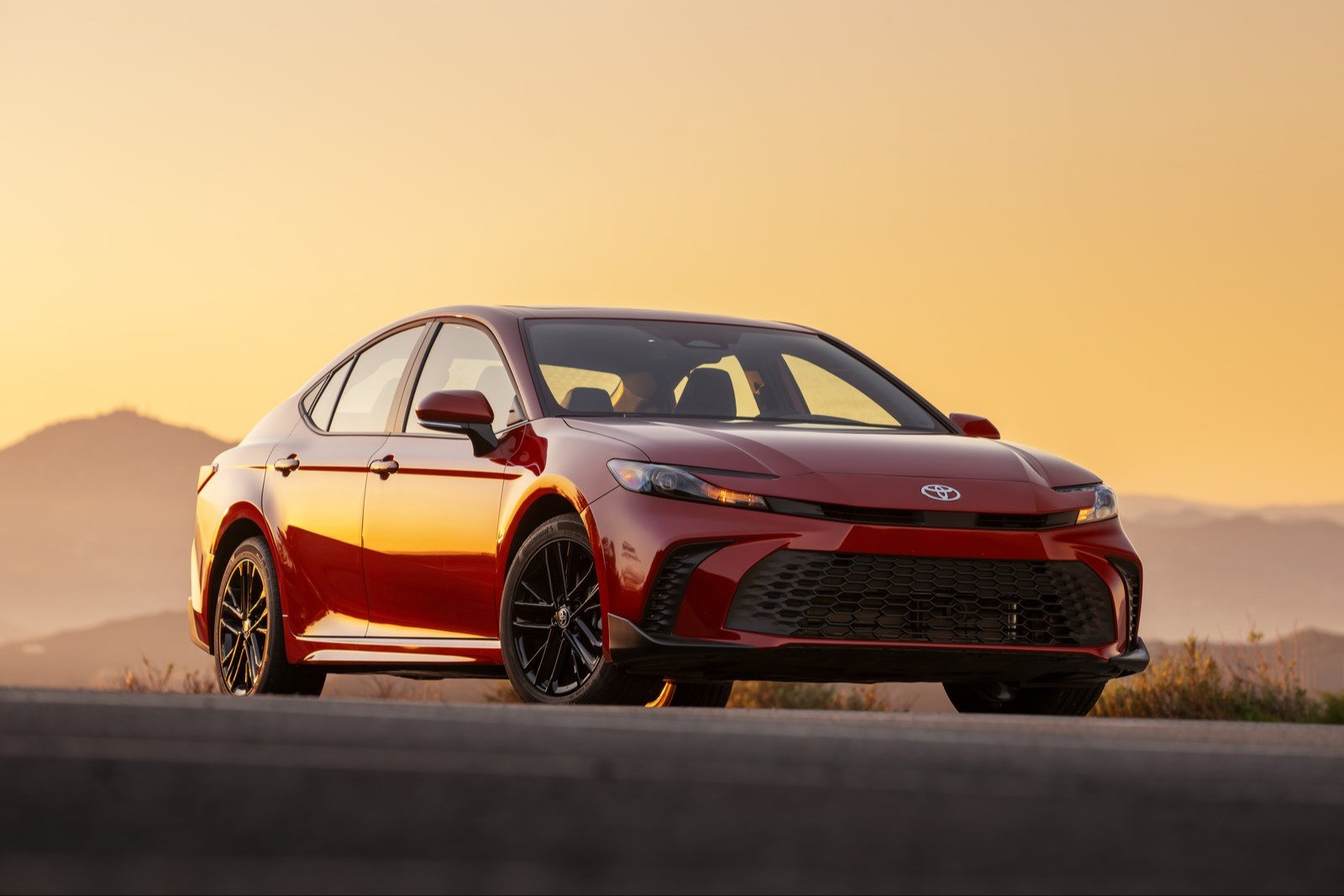
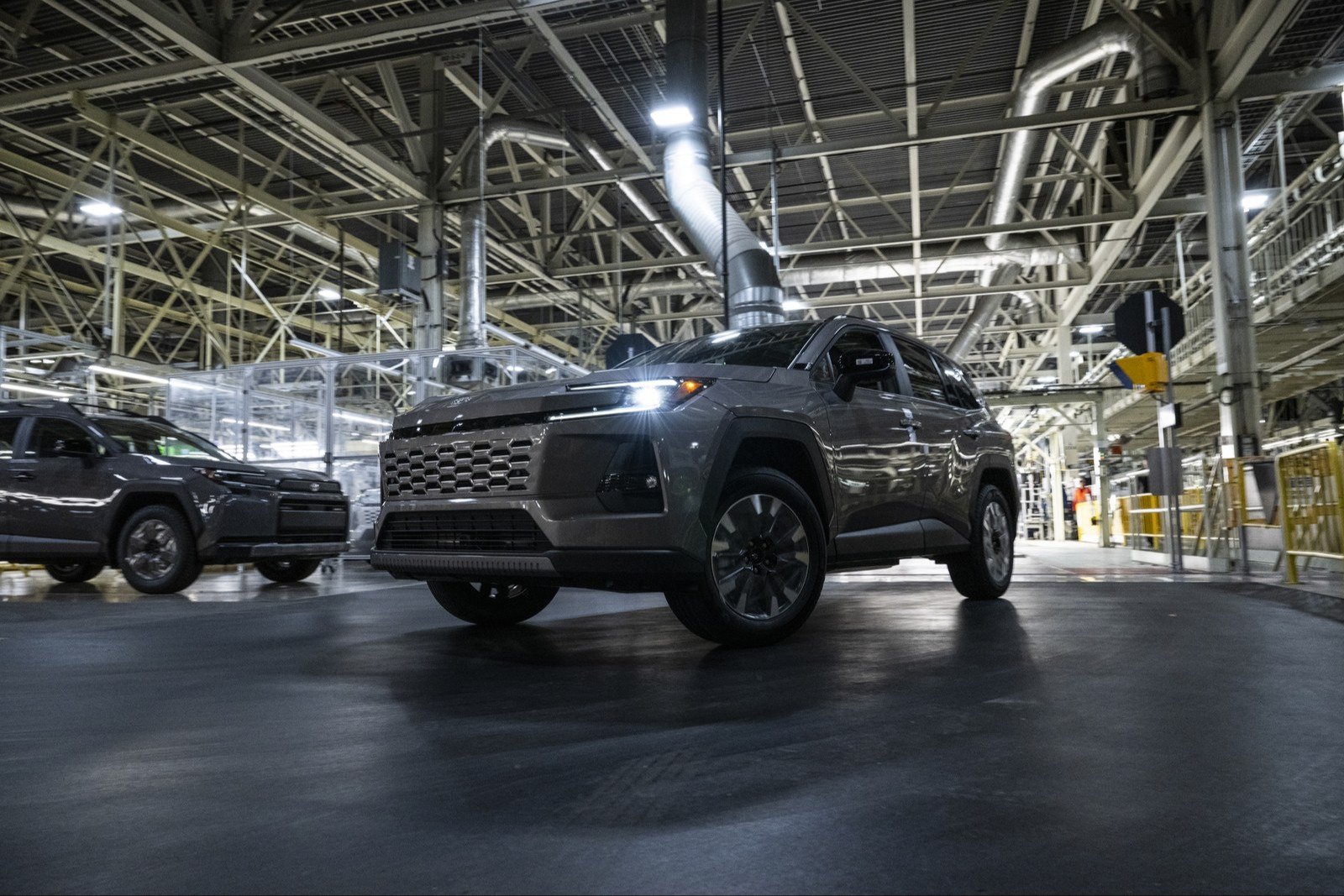
Toyota's numbers tell a different story only because Toyota removed the question. The sixth-generation RAV4 comes only as a hybrid or plug-in hybrid, and the Camry has been hybrid-only since the 2025 model year. When your two best-sellers have no gas version, a hybrid share near 60% is arithmetic, not a verdict from buyers.
That decision has a price, and buyers pay it whether they drive 5,000 miles a year or 25,000. The 2026 RAV4 starts at $31,900 on Toyota's consumer site. The 2025 gas RAV4 LE listed at $29,800, according to iSeeCars, so the entry ticket rose about $2,100 before destination.
It has a price for Toyota, too. Through October, RAV4 sales are down 26.2% to 293,552, while the CR-V is up 9.6% to 371,659 and, by Honda's account, is America's best-selling SUV this year. I covered the Canadian tariff threat hanging over both of these SUVs last week; on the sales chart, the bigger swing came from Toyota's own product plan.
The case against my view
The strongest objection is timing. The new RAV4 hybrids only began reaching dealers last winter, so a launch ramp explains much of the slump early in the year. Honda's hybrid growth might also be capped by how many hybrid powertrains it can build, not by how many people want them. And Hyundai and Kia, which still sell gas versions of most of their hybrids, keep setting hybrid records. If buyers with a free choice are piling into hybrids, the demand is real and Toyota is just ahead of it.
I take the ramp seriously, but it doesn't cover the whole year. RAV4 sales trailed 2025 in every month from May through September, by 26% in May, 21% in July and 7% in September, per monthly figures compiled by GoodCarBadCar. Hyundai's 29% hybrid share matches the share it already reported in August, so it did not climb as gas spiked. Kia's 114% jump leans on hybrid versions that barely existed a year ago, such as the new Telluride Hybrid. That is new supply landing on dealer lots, not a measure of switching.
And if Honda is supply-limited, that cuts my way: the hybrid share is still being set at the factory. The regulatory push is fading as well. The CAFE rollback removes much of the compliance reason to go hybrid-only, so whatever Toyota does next with gas engines will be a choice about margins and image, not rules.
What would change my mind
If Honda's November report in early December shows hybrids outgrowing the rest of the brand while gas stays above $4, buyers are switching on their own and I'm wrong about who is driving this.
If Honda says its hybrid inventory is running well below its gas models, demand is outrunning supply, and the October split says more about production than preference.
If the RAV4 beats its November and December 2025 volumes of 39,463 and 42,028, buyers have accepted hybrid-only at Toyota's price. And if gas drops under $4 this winter while Hyundai's hybrid share climbs past 29%, the pump was never the main driver in the first place.
My read
Expensive gas helps hybrids, but October shows how little it takes for a gas version to win when it is still on the menu. Toyota's hybrid share is high because Toyota decided it should be, and the RAV4's 26% slide is what that decision has cost so far. My bet is that rivals will copy the hybrid-only playbook anyway, because it sells well on a slide deck. Buyers will be the ones covering the difference at the bottom of the price list.