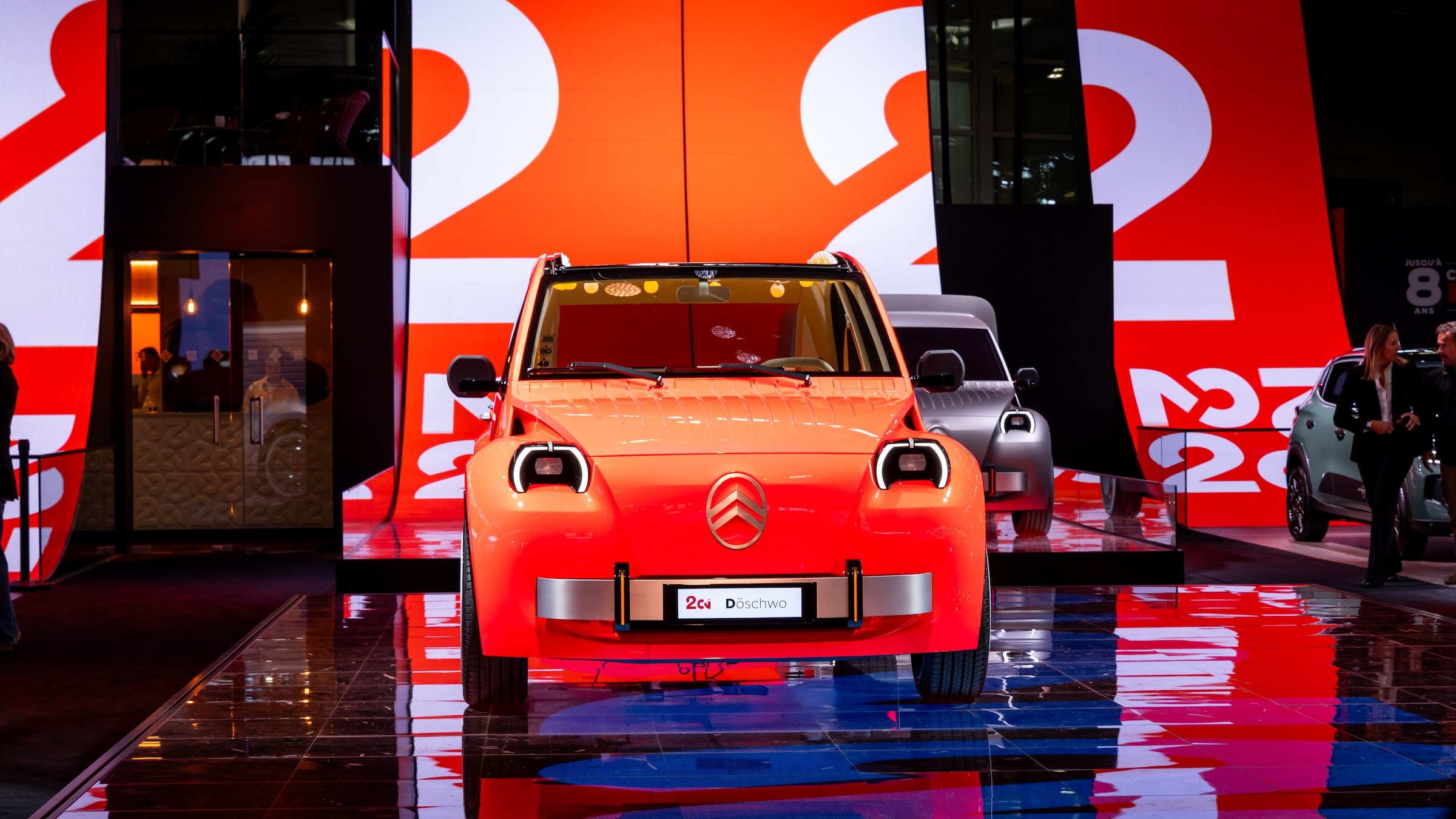
Ford's Truck Buyers Aren't Ignoring $4 Gas. They're the Ones Who Can Afford It
Ford's CFO says $4 gas hasn't dented F-Series demand. She's right on volume, but the buyers left are the ones who can afford it, and Ford is pricing for them.
Contents · 6 parts
Ford earned $2 billion in the third quarter and raised the floor of its full-year profit outlook to $10.5 billion, while regular gas sits at $4.23 a gallon and diesel at $6.33. Its CFO says truck buyers haven't flinched.
On volume, she is mostly right. Here's what the headlines miss: the people still buying F-Series aren't ignoring the pump. They are the buyers who can afford it, and Ford is pricing for exactly them, while the cheap, efficient Fords that served everyone else have quietly left the lineup. If you're waiting for a $4 gas discount on an F-150, I don't think it's coming this winter.
Fewer vehicles, the same profit
Ford's third-quarter results show global wholesales of 1.049 million vehicles, down 9% from a year earlier. Revenue slipped 2% to $49.5 billion. Adjusted EBIT still edged up to $2.7 billion from $2.6 billion, and the adjusted margin rose from 5.1% to 5.4%. The Ford Blue gas-and-hybrid unit earned $1.4 billion, down 10%, which Ford pins mainly on discontinued products, the Middle East conflict and higher commodity costs.
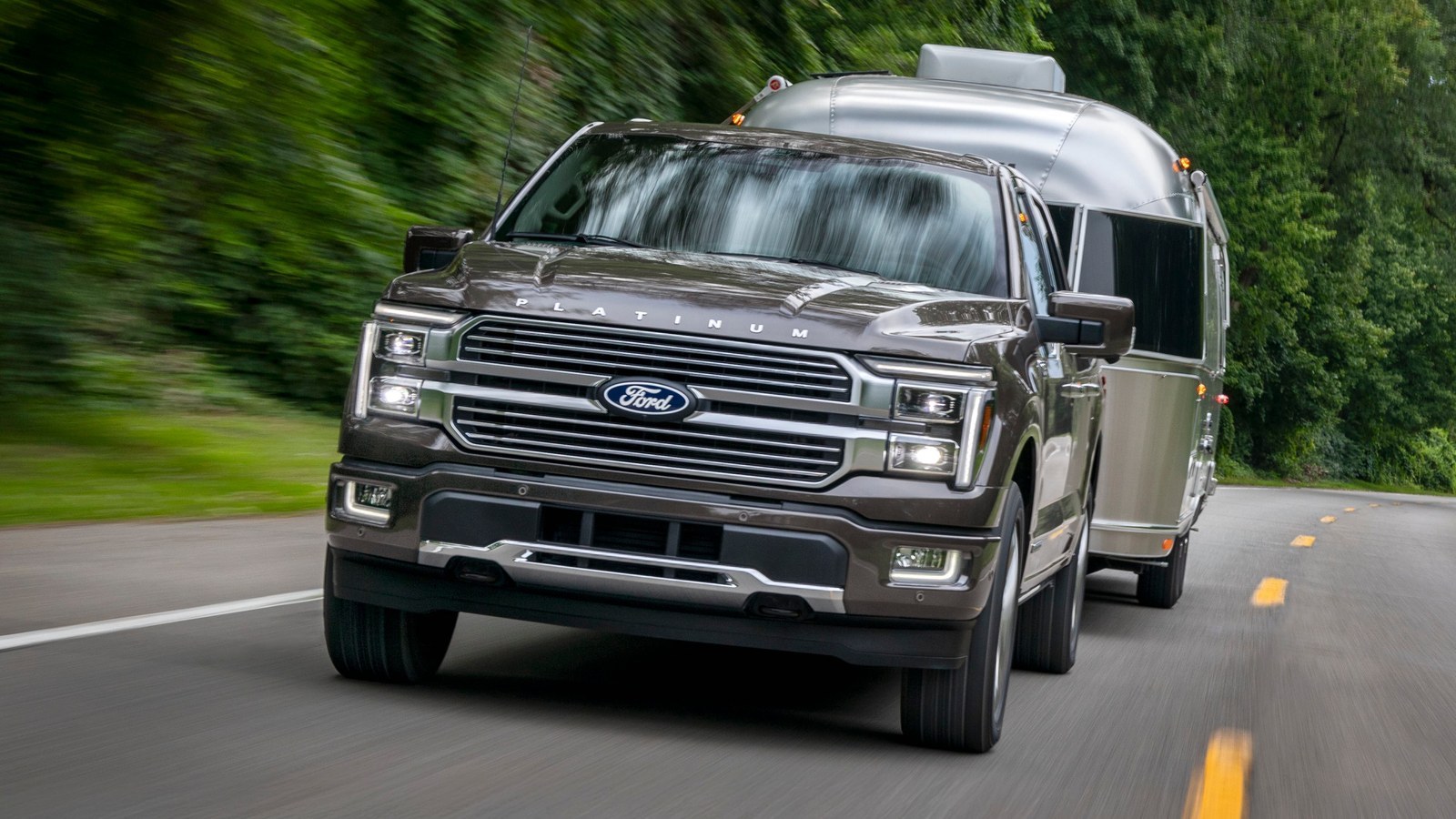
On the truck question, CFO Sherry House told Automotive News that Ford has "not seen any (sales) decreases in the F-Series," as quoted by The Drive. Fuel is not abstract here. AAA's national averages put regular at $4.2258, up from $3.0384 a year ago, and diesel at $6.3347 against $3.6826. Diesel hit its all-time record of $6.5276 on September 22.
The F-Series number Ford didn't headline
Ford's U.S. sales release leads with September, when F-Series rose 2.4%, and with year-to-date totals. The quarterly table sits on page eight. It shows 203,707 F-Series sold in the third quarter against 207,732 a year earlier, down 1.9%.
That small decline is almost entirely the electric F-150 Lightning, which fell from 10,005 trucks to 289. Strip it out and gas and hybrid F-Series rose from 197,727 to 203,418, or about 2.9% by my math. So the honest reading of the CFO's line is narrower than her quote: the combustion F-Series grew, and the EV version disappeared.
| Q3 2025 | Q3 2026 | Change | |
|---|---|---|---|
| F-Series, U.S. sales | 207,732 | 203,707 | −1.9% |
| F-Series excluding Lightning | 197,727 | 203,418 | +2.9% |
| All Ford and Lincoln, U.S. sales | 545,522 | 509,764 | −6.6% |
| Ford and Lincoln hybrids, U.S. | 55,177 | 44,308 | −19.7% |
| Global wholesales | 1.156M | 1.049M | −9% |
| Adjusted EBIT | $2.6B | $2.7B | +$0.1B |
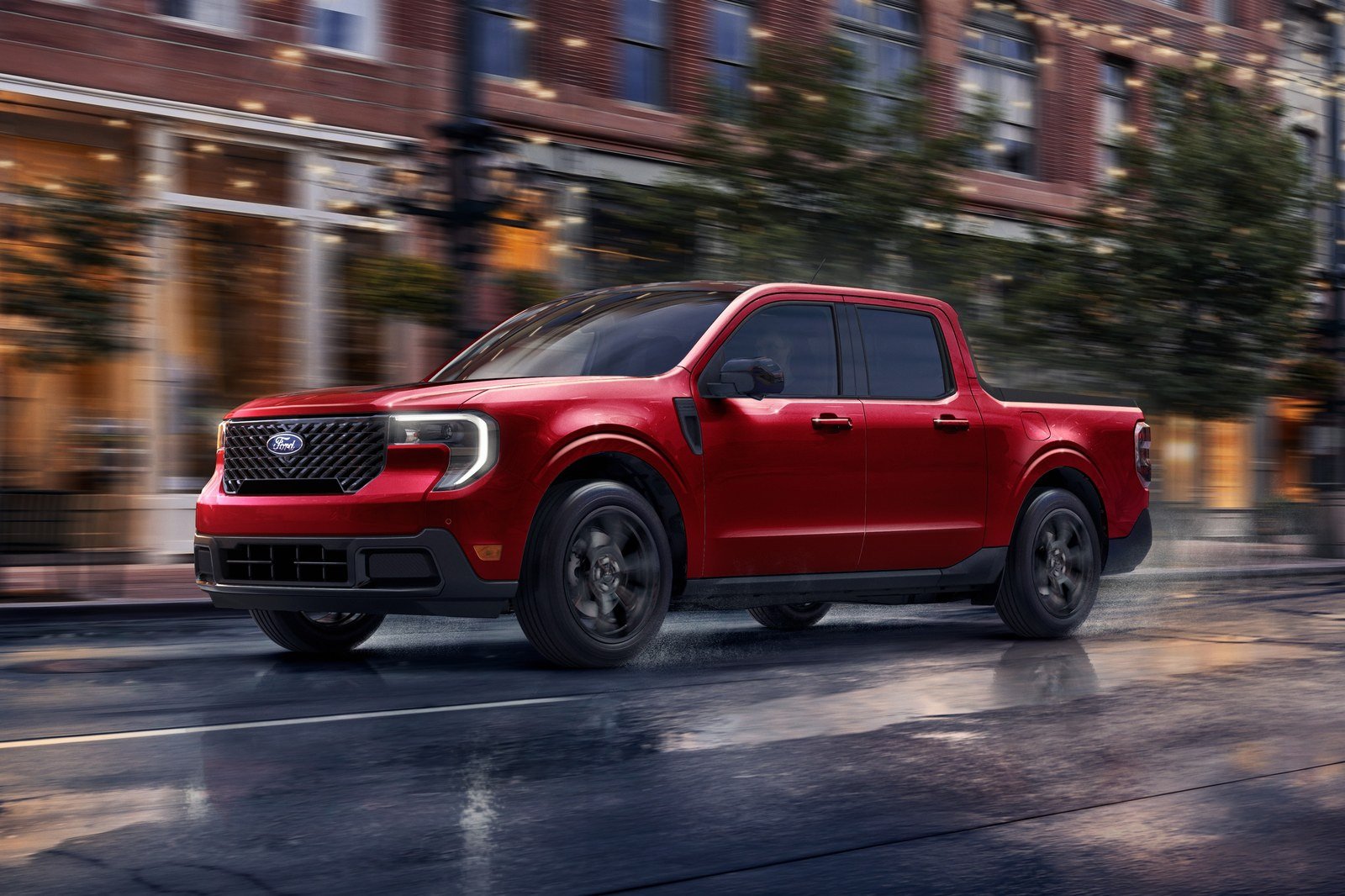
Look at the hybrid row. With gas up roughly 39% year over year, Ford and Lincoln sold about a fifth fewer hybrids. Maverick Hybrid set a record at 27,793, up 59.6%. Take it out and every other Ford hybrid combined fell by more than half, which is mostly the phased-out Escape and Corsair. The cheapest efficient Ford SUV left showrooms in the same year fuel prices jumped.
Who actually absorbs $4 gas
The math explains the resilience better than any claim about indifference. Take a truck averaging 20 mpg over 15,000 miles a year: that's 750 gallons, and at this year's $1.19 increase, roughly $890 more annually. A diesel truck at 15 mpg on the same miles burns 1,000 gallons, and the $2.65 jump adds about $2,650. These are my illustrative assumptions, not EPA figures for a specific model, but they show the scale. For how that compares with charging, see our gas-versus-EV cost breakdown.
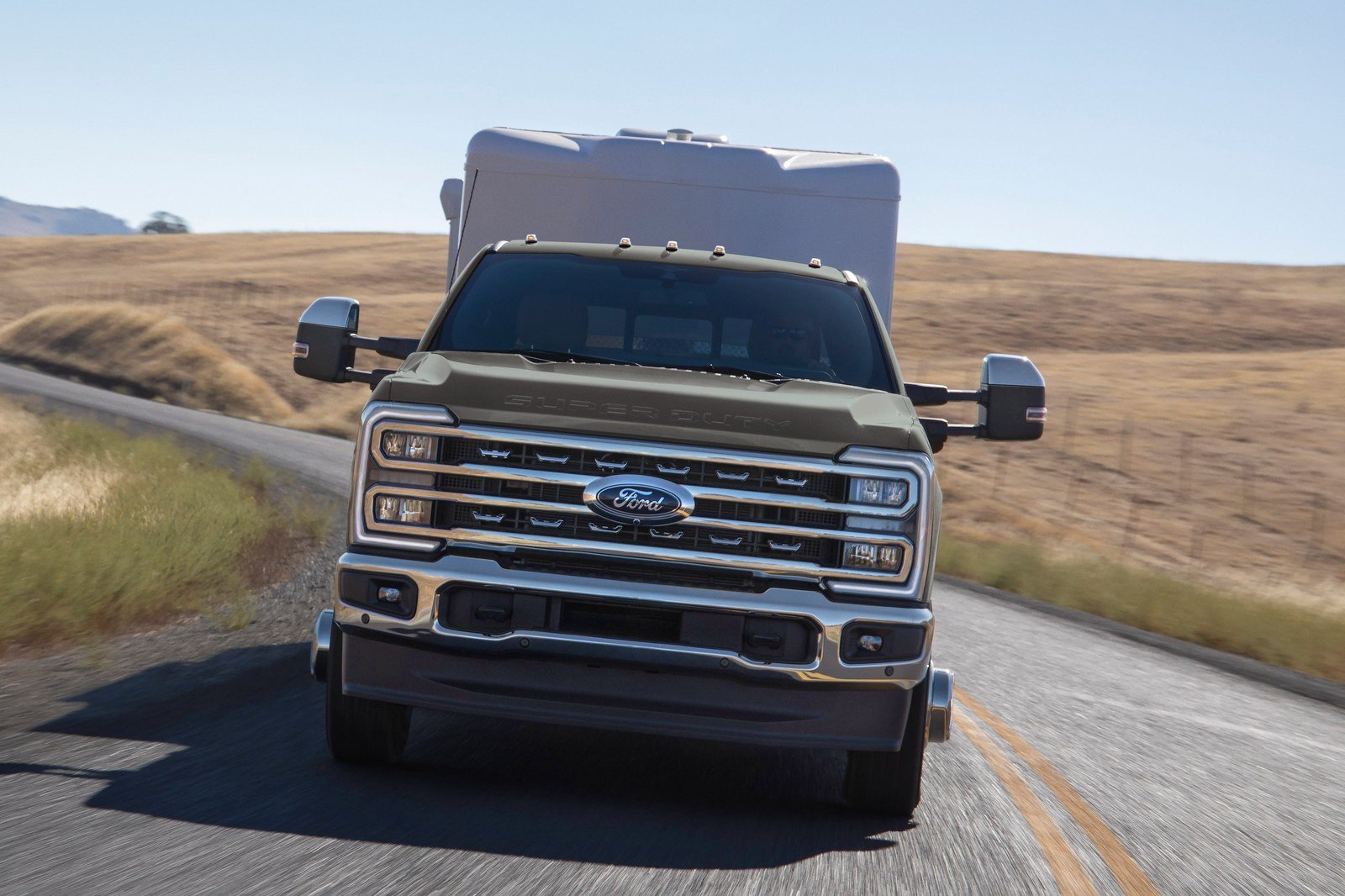
For a household or a contractor already paying a full-size pickup's monthly note, $75 a month in extra fuel is irritating, not decisive. My guess is that a large share of Super Duty owners also run them through a business that passes fuel costs on to customers. Super Duty production hit 110,275 in the quarter, its best in 19 years. In my view, the buyers fuel costs would push out were never likely to be shopping for an F-250 in the first place.
Ford isn't fighting for the marginal buyer, either. Its own release says F-Series had the lowest incentive spending among full-line truck brands in the quarter. Ford's outlook assumes U.S. industry pricing about 1 percentage point higher than last year. And CBT News reports Ford is targeting a 55- to 60-day supply of F-150s, well below the typical 80 to 100 days. Tight stock and thin incentives are how you protect transaction prices.
The money also comes from the other end of the deal. Ford Credit earned $803 million before taxes, up 27%, helped by derivative gains, healthy financing margins and what Ford calls a supportive used-vehicle pricing environment. Expensive used trucks keep lease residuals high and trade-ins valuable. Meanwhile, price-sensitive shoppers are drifting elsewhere: Cox Automotive's September EV Market Monitor shows used EVs at a record 3.3% of used-vehicle sales, while used gas and hybrid sales fell 4.4%. The same pattern showed up at GM, where truck buyers paid for the profit jump.
The case against my view
The strongest objection is that this is simply loyalty. Gas and hybrid F-Series grew, September sales rose 2.4%, Maverick Hybrid set a record and Super Duty output is at a 19-year high. Ford says that, excluding Escape and Corsair, its total U.S. volume was essentially flat while the industry fell about 1%. On that reading, buyers aren't being priced out; they're staying with Ford and choosing a thriftier truck when they need one, and the 9% wholesale drop is about discontinued models, not fuel.
I accept the loyalty part. Where I disagree is on what it proves. The third-quarter gain also reflects restocking. CBT News reports that CEO Jim Farley said Ford is building F-150s well above its normal pace to refill supply, after a fire at aluminum supplier Novelis disrupted output last year. Through June, gas and hybrid F-Series were down roughly 12%, so one strong quarter against a supply-starved base is not proof that $6 diesel is irrelevant. And "they choose a thriftier truck" is only true for the Maverick buyer. For someone who wanted a cheap, efficient Ford SUV, the answer this year was mostly "not anymore."
What would change my mind
If Ford's fourth-quarter sales release in early January shows gas and hybrid F-Series still growing while incentive spending stays the lowest in the segment, the demand story is stronger than I'm giving it credit for, and the restocking explanation weakens.
If F-Series stock grows well beyond the 215,400 trucks Ford reported at the end of September and Ford responds with bigger incentives instead of trimming production, my no-discount call is wrong, and buyers have more leverage than I think.
And if diesel falls back below $5 by spring while Super Duty demand stays flat, fuel was never the filter I describe here. In that case the "resilient customer" is simply a loyal one, and the CFO's framing holds.
My read
Sherry House is right that F-Series buyers haven't walked away, and wrong if anyone takes that to mean $4 gas doesn't matter. Ford is selling fewer vehicles and making the same money because the customers left are the ones who can absorb the pump, and Ford is pricing, stocking and financing for them. My bet is that F-150 prices don't soften before spring unless inventory forces Ford's hand.