The Cybertruck Backlog Is Real. It Was Built at a Price Tesla Abandoned
Musk is probably right that Cybertruck orders exceed production. The catch: the queue was built at $59,990, a price Tesla dropped in ten days.
Contents · 7 parts
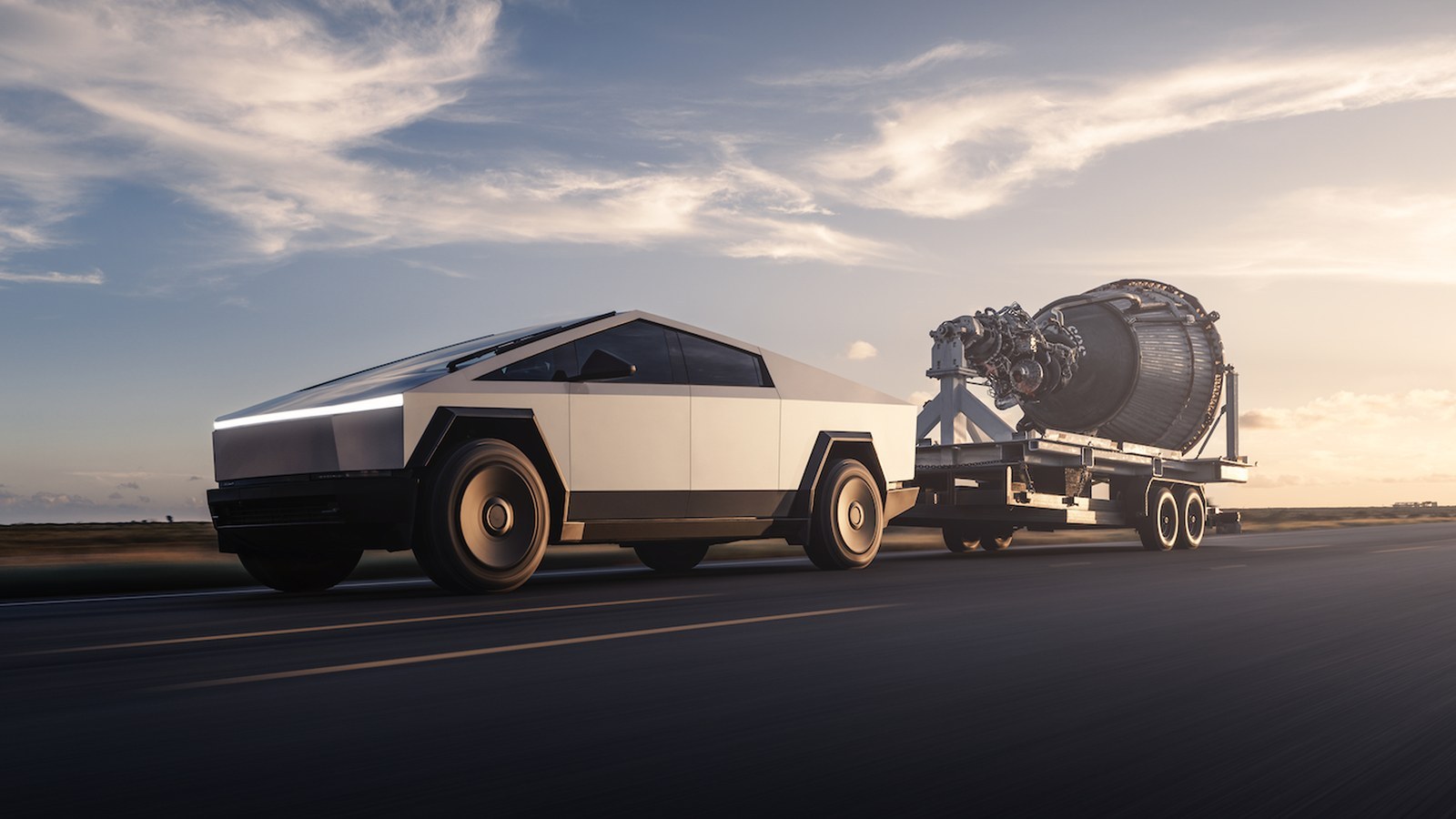
Elon Musk said early Monday that Cybertruck orders "far exceed" Tesla's production rate, and that the company will have to return deposits to "a lot of people" before the line shuts down in about eight months.
Most of the reaction has been disbelief. I think the backlog is probably real, and that is the part buyers should worry about. It was built in ten days in February at $59,990, a price Tesla dropped on March 1 and has since raised by more than a third. The demand Musk is pointing to exists at a price Tesla no longer charges. The deposits it "has to" return tell you which orders it would rather not build.
Three reasons in four days
On Friday, November 6, Musk said Tesla would wind down Cybertruck production at Giga Texas around the middle of 2027 to make room for more Cybercab output. The same day, Tesla raised prices by up to 10% and stopped taking orders for the cheapest trim. On Saturday he added that the backlog was "far more" than Tesla could build before dismantling the line around June or July, promised an extra shift, and explained the decision by a shortage of "smart, dedicated people."
Then came Monday's version, in a post on X: orders outrun production, the truck is not unprofitable, and the real reason is that the "opportunity cost of the complexity of Cybertruck" is outweighed by more Cybercabs. He posted it as a quote of a Tesla fan telling people to "get it while you can." Floor space, then people, then opportunity cost. The common thread is not the reason. It is the deadline.
The backlog was bought at $59,990
Tesla listed the Dual Motor AWD at $59,990 on February 19, and Musk said the price would last ten days. Within a week, delivery estimates for new orders slid from June 2026 to April 2027. That queue never cleared. In July, according to Electrek, Tesla told a court in its fight with a casting supplier that it had several thousand trucks already committed to customers that it could not build without its tooling.
Since then the price of that same truck went to $69,990 in March, $74,990 in August and $82,490 on November 6, when Tesla also greyed it out in the configurator. The Premium AWD now starts at $92,490. So when Musk says orders exceed production, my bet is that a large share of those orders carry a price roughly $22,500 below what Tesla now lists for the same configuration.
Tesla has not said whether February orders will be built at their original price, or which orders will be refunded. That silence is the most important fact in this story for anyone holding one.
A line at a fifth of capacity is a choice
Tesla's own filings make the demand claim hard to read as a statement about the market. Its third-quarter update lists installed Cybertruck capacity at more than 125,000 a year. The delivery report shows what came out of it.
| Figure | Source | |
|---|---|---|
| Installed Cybertruck capacity | >125,000 a year | Tesla Q3 2026 update |
| "Other Models" built, Q3 2026 | 7,004 (~28,000 a year) | Tesla delivery report |
| "Other Models" delivered, Q3 2026 | 8,295 | Tesla delivery report |
| US Cybertruck sales, Jan–Sep 2026 | 11,586 | Cox Automotive estimate |
| Dual Motor AWD price, Feb 19 → Nov 6 | $59,990 → $82,490 | Tesla configurator |
"Other Models" now consists almost entirely of Cybertrucks, with leftover Model S and X units and the first Semis on the margins. Even on generous assumptions, the line ran at roughly a fifth to a quarter of what Tesla says it can do. Part of that was the casting dispute, which disrupted output for weeks. But the extra shift Musk just promised is an admission that the line could have run harder. A company sitting on a backlog it wanted to fill had idle capacity to fill it with.
The profitability point cannot be checked. Tesla does not break out Cybertruck margins, so "not unprofitable" is a claim nobody outside the company can test. What can be observed is the pricing. The way I see it, you raise prices 10% and pull the cheapest trim on the day you announce the end because you want each remaining build slot to earn as much as possible. That is a margin decision, which is consistent with the truck being marginal, not with it being a hit.
What a deposit is worth now
If you placed an order in February, you are in the queue Tesla has the least financial reason to build first. That is my reading, not a Tesla policy, but every move since November 6 points the same way. Tesla's support page says the order fee is non-refundable, yet Musk is now promising refunds, as Tesla did when it canceled the truck for Australia and New Zealand. Being refunded $250 is the low-cost outcome. Being asked to convert to a $92,490 Premium to keep your slot is the expensive one.
My advice to holders is practical. Get the price on your order confirmed in writing in the Tesla app before you are offered a VIN, and do not sell or trade your current vehicle until you have one. A delivery estimate is not a commitment, and Tesla's own terms say timing is subject to change.
For someone thinking about ordering today, the math is less friendly. You would pay at least $92,490 and join the back of a line that the CEO says already exceeds the remaining output. I already argued that owners will carry the cost of this exit through resale and parts. A "last chance" pitch does not change that calculation. It only shortens the time you have to make it.
The case against my view
The strongest objection is that a last-call rush is real and does not need a history of demand. When a vehicle is announced as ending, buyers who hesitated for years show up, and collectors want the final run. Tesla also delivered about 1,300 more "Other Models" than it built in the third quarter, which is what inventory drawdown looks like when orders outpace output. And the casting dispute was a genuine constraint, not a choice.
All true, and none of it contradicts my point. "Far exceeds production" is a statement about production, not demand. At the third-quarter build rate, eight months yields roughly 19,000 trucks. Even if the extra shift doubled that, a backlog of 50,000 orders would "far exceed" output. For a truck once planned at 250,000 a year, that is not strong demand. It is a small number measured against an even smaller line, with a large share of it booked at a discount Tesla has since withdrawn.
What would change my mind
If Tesla discloses the number of open Cybertruck orders before the line closes in mid-2027, and it shows a majority placed at current Premium and Cyberbeast prices, my reading of the backlog is wrong.
If Tesla builds and delivers February orders at $59,990 before it refunds anyone who ordered later at higher prices, it is honoring the queue rather than filtering it, and I would say so.
And if Tesla reopens orders before June at a higher price and the new slots sell out, that would be genuine demand at today's prices. I would take that over any post, including Musk's.
My read
Musk is likely telling the truth about the backlog and avoiding the question that matters: at what price was it built. Tesla found real demand for the Cybertruck exactly once, at $59,990, and walked away from it in ten days. The deposits it returns will show which customers it decided not to serve. If you hold one, assume the queue is being sorted by margin until Tesla says otherwise in writing.