Volvo Lost China on Price. Washington Took Apart Its American Plan
China cost Volvo its sales. Washington cost it the plan: a CAFE credit write-down, lost EV incentives, tariffs and an underused US plant that now has to carry the fix.
Contents · 7 parts
Volvo Cars lost SEK 5.6 billion at the operating line in the third quarter, on revenue that fell from SEK 86.4 billion to SEK 66.9 billion, according to its Q3 2026 results release. It will cut about 2,500 more jobs, 2,000 of them in Sweden.
Almost every headline today is about China, and fair enough: Volvo's revenue there fell by almost half. Here's what the headlines miss. China took Volvo's volume. America took its plan.
The strategy that was supposed to carry Volvo to 2030 rested on three American pillars: sell electrified cars, bank the compliance credits they earn, and build a US plant around that future. In my view, Washington knocked out all three in about fifteen months, and this is the first quarter where the damage shows up in a write-down rather than a forecast.
Volvo blames two markets, and names them in order
Excluding joint ventures and one-off items, Volvo posted an operating loss of SEK 3.7 billion, a margin of -5.6% against +6.7% a year earlier. Free cash flow was negative SEK 8.9 billion, double last year's burn. The company says the result reflects market developments "in China and the US." Both are named in the opening paragraph, and both are blamed for the cash.
The fix is more cost cutting: another SEK 5 billion out of indirect spend and variable costs, and a product push of 13 new cars by the end of 2030, split into separate lineups for Europe, the US, and China.
China explains the revenue. It doesn't explain the write-down
Volume tells the first half of the story. Volvo's Q3 sales release shows Europe holding up and China collapsing. The Americas sit in between.
| Q3 2025 | Q3 2026 | |
|---|---|---|
| Revenue | SEK 86.4 bn | SEK 66.9 bn |
| Adjusted EBIT margin | 6.7% | -5.6% |
| Free cash flow | SEK -4.3 bn | SEK -8.9 bn |
| Retail sales, Europe and RoW | — | 90,548 (+2%) |
| Retail sales, Americas | — | 30,777 (-14%) |
| Retail sales, Greater China | — | 20,284 (-40.6%) |
If you stop at that table, China is the whole story. Chinese brands out-teched and out-priced the legacy premium players, and Volvo answered with a plan for six China-specific cars built with Geely and a Chinese tech stack. That's a painful but conventional problem: you lost on product and price, so you build a better, cheaper product.
The American problem is different in kind. Volvo didn't lose the US on product. It lost the rules its US product was designed for.
Washington turned a Volvo asset into a write-down
The clearest line in the report is a negative revaluation of SEK 1.1 billion in CAFE credits "due to legislation changes in the US." That traces back to the One Big Beautiful Bill Act, signed July 4, 2025, which reset the civil penalty for missing fuel economy targets to $0. The standards still exist on paper. Missing them just costs nothing, so the credits that automakers bought from cleaner rivals to avoid fines lost most of their buyers.
For Volvo, those credits weren't a side hustle. They were the financial reward for selling electrified cars in a market that bought mostly gas trucks. The same release lists the other two American hits: continued tariff costs, and "the removal of consumer incentives for electrified cars," which pressured margins. Read together, that's three separate policies landing on one bet. The incentive helped sell the plug-in. The credit paid Volvo for selling it. The tariff taxed the Swedish- and Belgian-built cars that made up almost all of its US lineup.
What strikes me is how neatly this hits the company that leaned furthest into electrification among European premium brands in the US. A German rival with a big V8 and a deep US plant footprint feels these changes as a tailwind or a wash. Volvo feels them as a strategy write-off.
Charleston was built for a different America
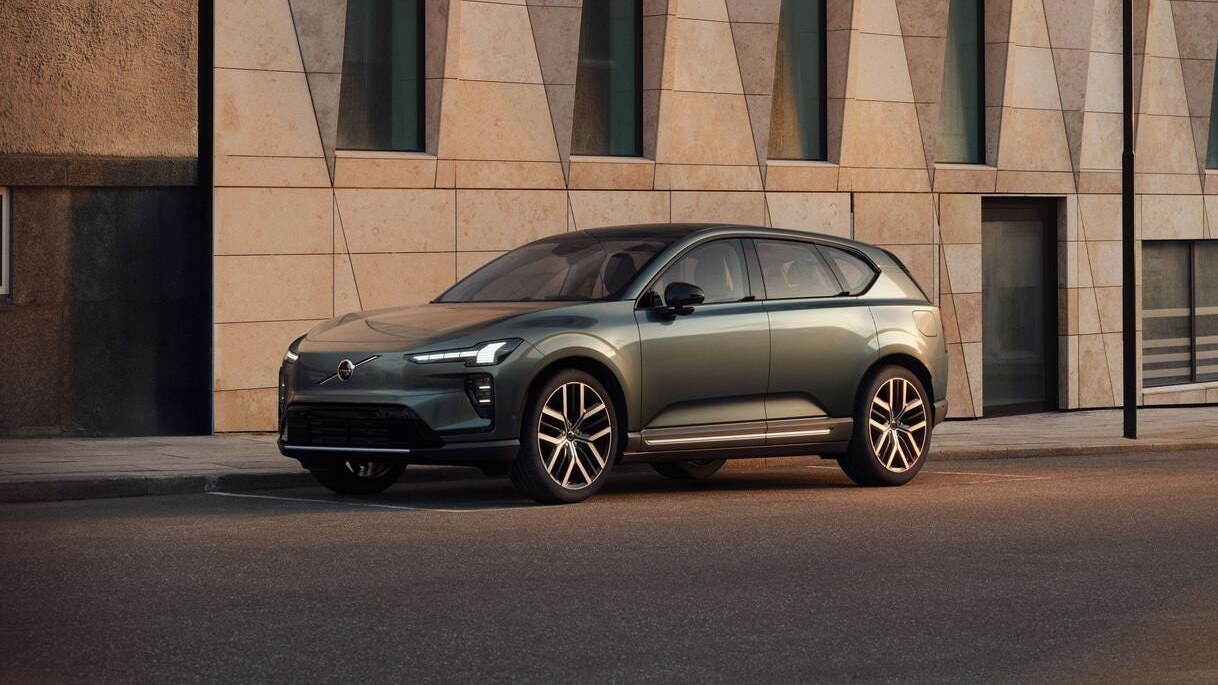
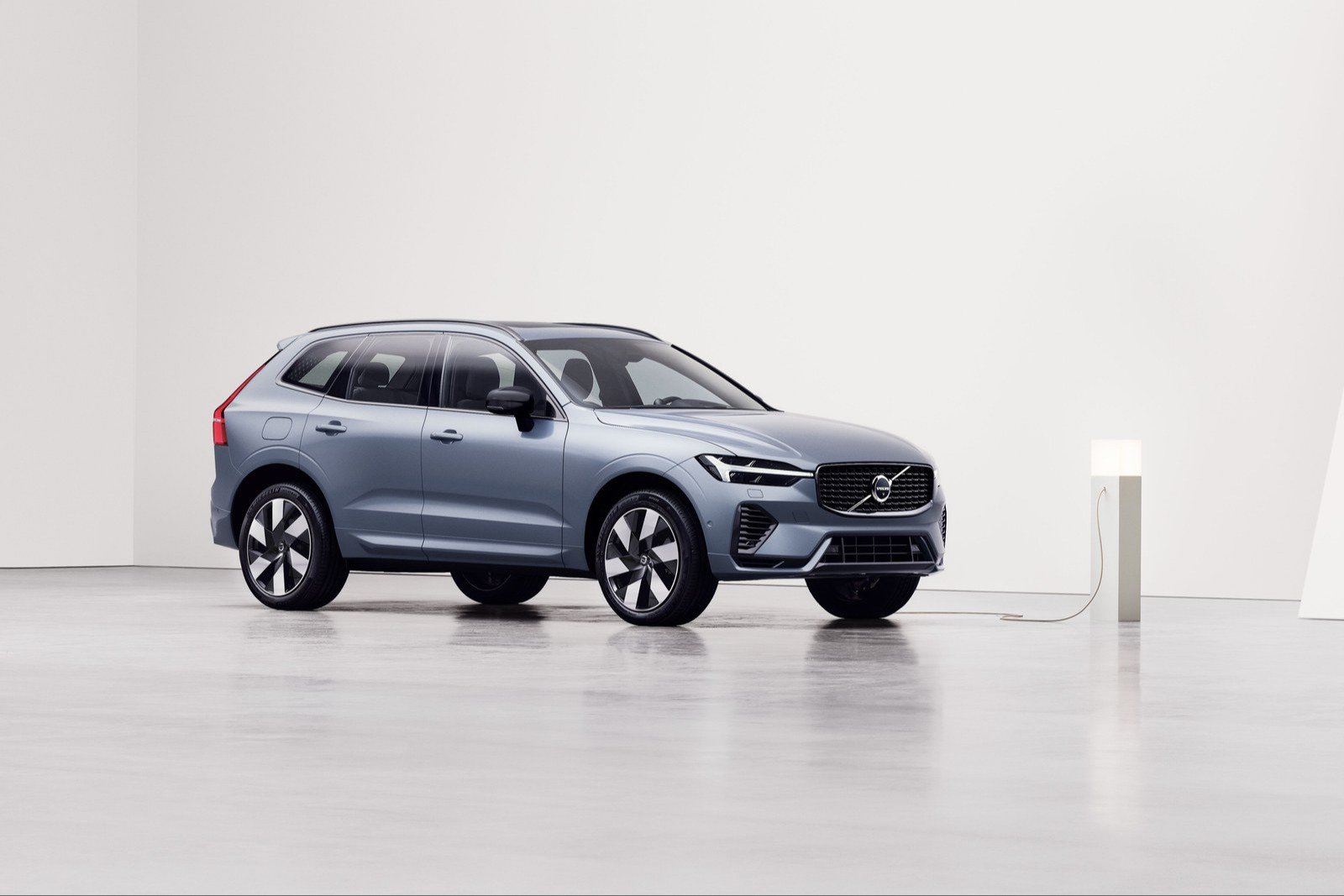
Volvo's US answer is now hybrids and localization. It is fast-tracking long-range plug-in hybrid versions of the XC90 and XC60 for the US, splitting the American market into four regions, and moving XC60 production to its Charleston, South Carolina, plant in Q1 2027.
That plant is the best illustration of the gap between the plan and the reality. It can build 150,000 vehicles a year but has been running at about 20% of capacity, and it produced less than 5% of Volvo's US sales volume, according to the SC Daily Gazette. Its main product is the electric EX90. A year ago, the XC60 was due there by late 2026. Today's release says Q1 2027. That slip is small on a calendar and expensive on a tariff bill.
The EX60, Volvo's most important new car, makes the same point. Volvo says it has more than 50,000 European orders and calls it one of its most profitable models. But ramp-up is slower than planned. Electrek reports that only about 5,000 have been built, that Volvo once expected around 7,000 US sales this year, and that a company spokesperson says US availability will stay limited until early 2027.
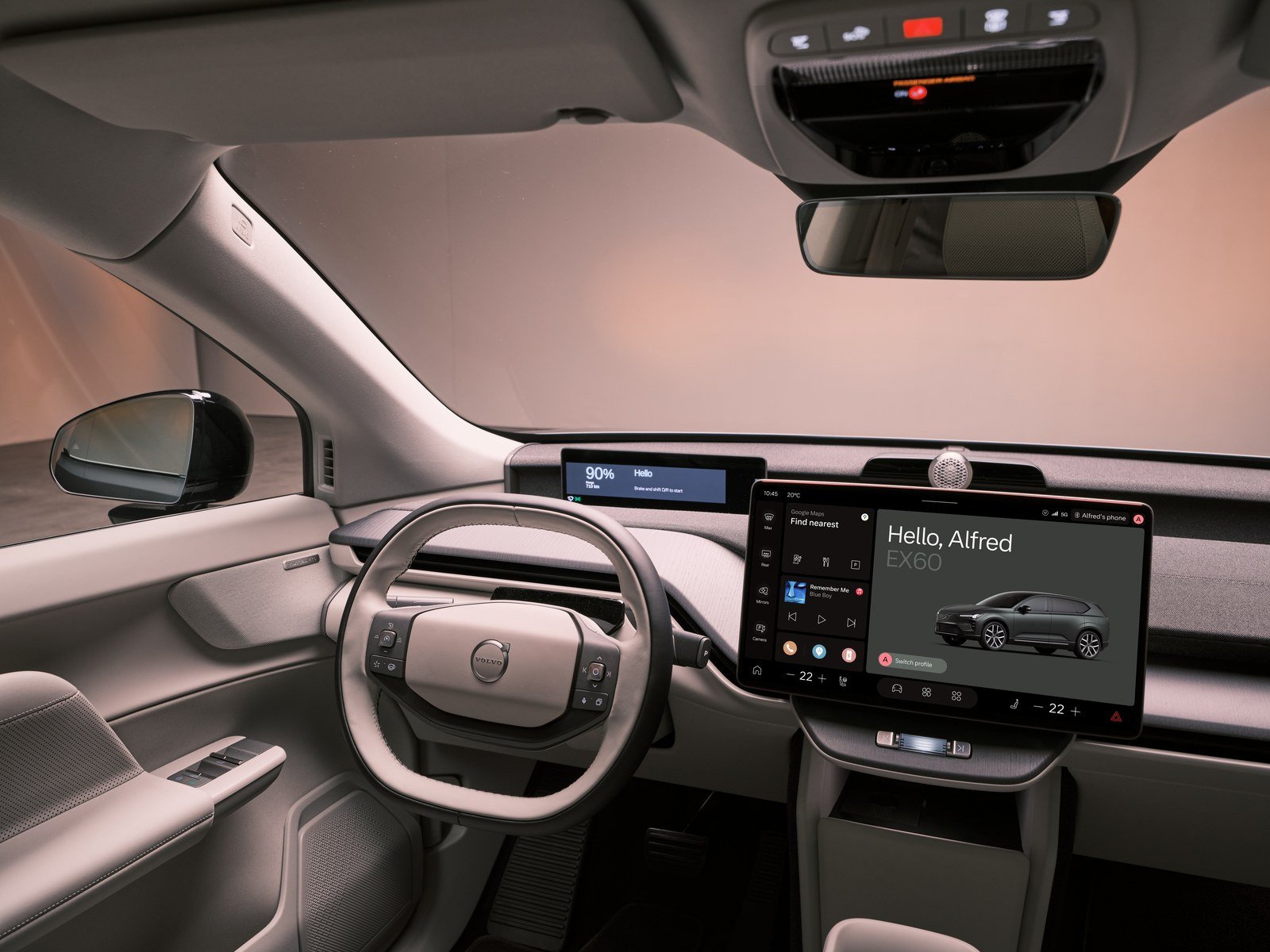
For a US buyer, my bet is this: the XC60 is the Volvo whose price is most likely to stabilize once it's built in South Carolina, the plug-in XC90 and XC60 are where Volvo will push its incentive money, and anyone waiting for an EX60 should plan around 2027 and assume it gets no federal help.
The case against my view
The strongest objection is arithmetic. Greater China volume fell 40.6%, the Americas 14%. With Chinese revenue down by almost half, China likely accounts for the biggest share of the revenue decline. The CAFE write-down is SEK 1.1 billion of a SEK 5.6 billion operating loss, and Volvo doesn't quantify the tariff cost at all. On that reading, America is a footnote and I'm overweighting it because it's my readers' market.
I take the numbers seriously, but I think they measure the wrong thing. The China loss is a revenue hole, and Volvo has a credible if slow plan to refill it with China-built cars from 2027. The American damage is to the business model: a compliance asset that won't regain its value, a plant still running far below capacity, and a lineup that has to be rebuilt around hybrids for the one big market where Volvo was supposed to grow. Revenue can come back with a hit product. A strategy designed around rules that no longer exist doesn't come back.
What would change my mind
If Volvo's full-year report early next year shows its Americas business back near breakeven without a fresh round of price increases, the US damage was a one-quarter accounting event, not a structural one.
If XC60 production starts in Charleston in Q1 2027 as promised and US volume grows by mid-2027, the plant is working as a tariff shelter, and my "plan is broken" reading is too harsh.
And if the EX60 sells in volume in the US in the first half of 2027 with no federal incentive, Volvo's electric bet survives Washington, and the write-down was the price of being early rather than wrong.
My read
China is where Volvo lost the sales, and that hole can be filled. America is where it lost the logic of its strategy, and that one has to be rebuilt from parts. The SEK 1.1 billion CAFE line is small, but it's the first hard number showing that the European premium model of selling electrified cars in America and getting paid for it by the rules is over. Every brand that copied Volvo is now running the same math.