A Model Y With No Steering Wheel Isn't for Families. It's for Regulators
Musk's driverless six-seat Model Y is aimed at NHTSA's open rulebook and Tesla's fleet, not at families. The family Tesla still comes with a steering wheel.
Contents · 6 parts
Elon Musk told the New York Times DealBook Summit on Wednesday that Tesla will build a Model Y with no steering wheel and no pedals, a driverless six- or seven-seater. He gave no date, no price and no factory.
The easy take is that this is a car nobody asked for. I think that misses who the announcement is for. A wheel-less Model Y is not a product pitched at families. It is a volume claim on a federal rulebook that NHTSA is rewriting one standard at a time, right now.
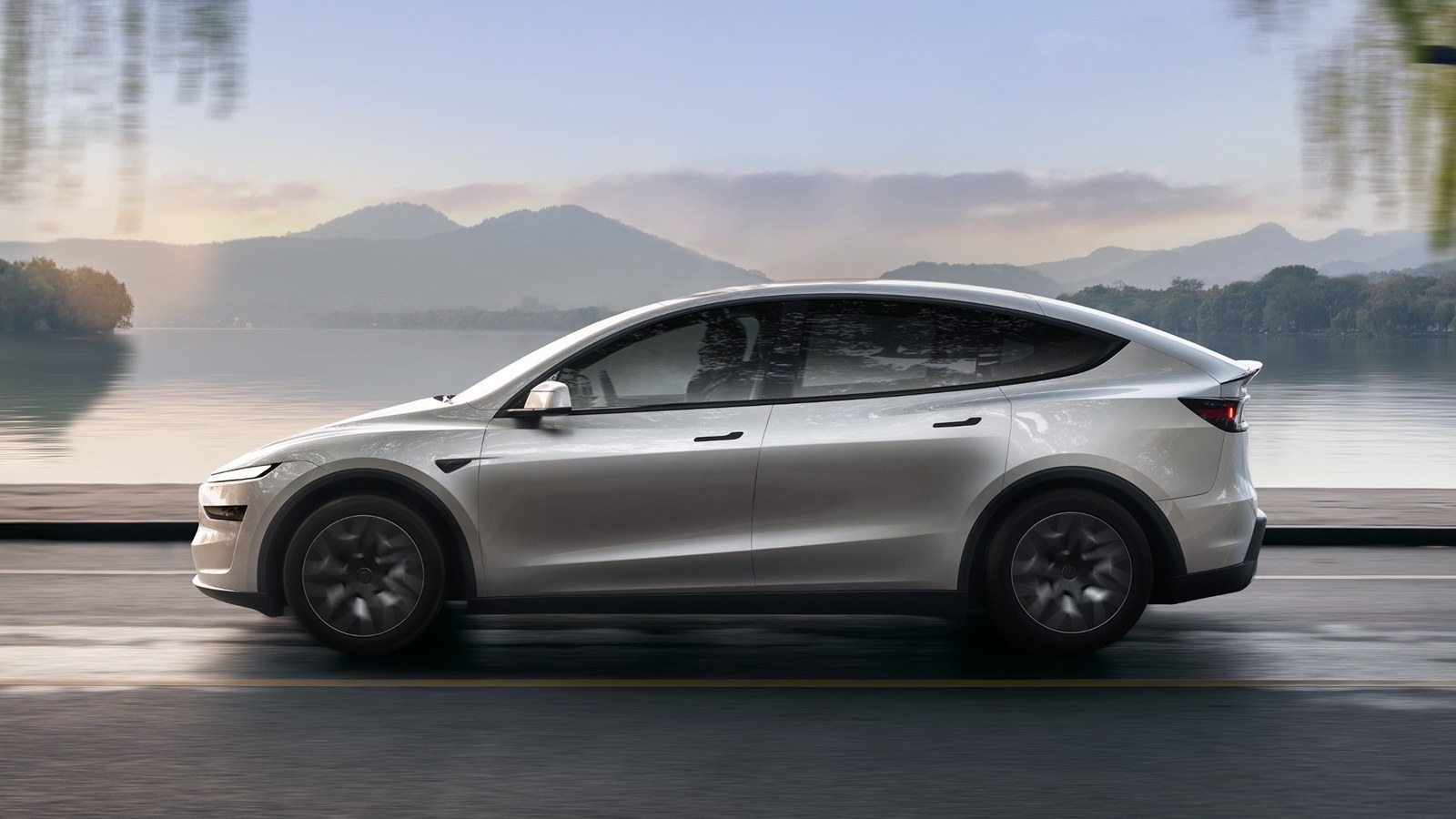
For anyone shopping for a three-row Tesla, the takeaway is simpler: the family car is the Model Y L you can already order. The version without a wheel, if it arrives, will be sold as rides.
Musk promised a driverless people-mover, not a product
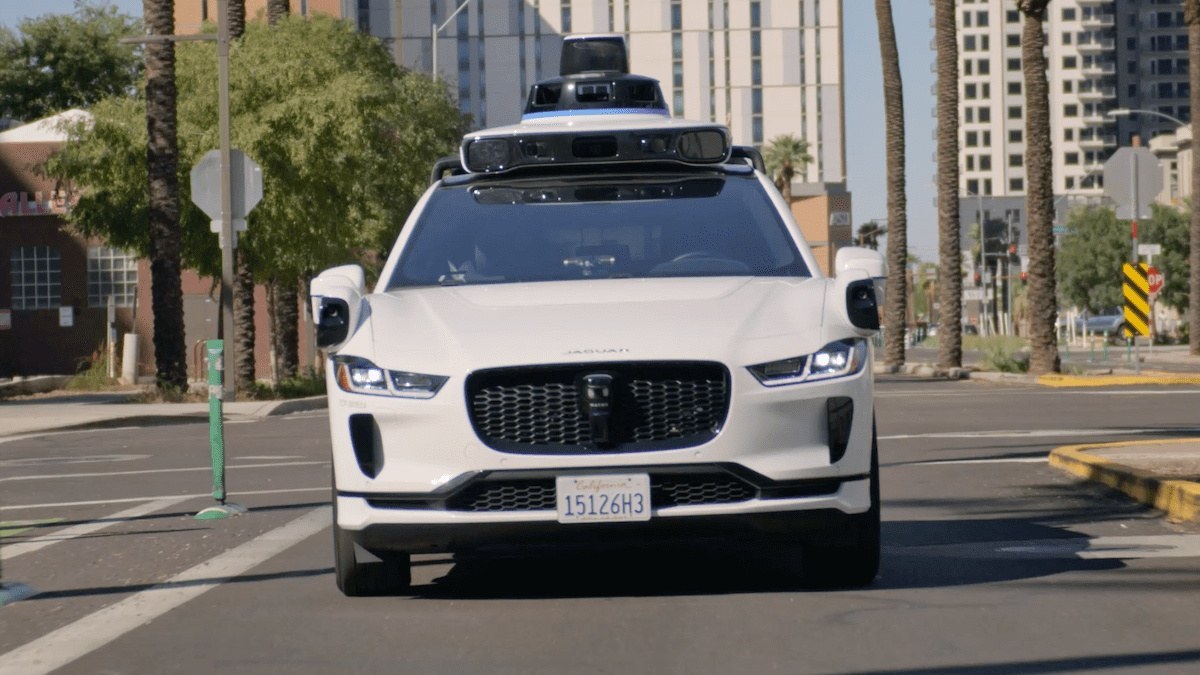
On stage, Musk framed the idea as a fix for the Cybercab's two seats. He said Tesla plans "an autonomous version of the Model Y that won't have steering wheels or pedals," one he described as good for groups of 6 or 7 people, according to InsideEVs' account of the session. He also claimed the two-seat Cybercab covers about 90% of passenger miles.
That is the whole announcement. Tesla has issued no release, no specification and no word on whether private buyers could order one. Until that changes, this is a CEO's statement from a stage, and I treat it that way.
Why the timing points at Washington, not the showroom
Musk said this while NHTSA's rewrite of the safety standards for vehicles without manual controls is in full swing. In 2026 alone, the agency has proposed changes to FMVSS 102 and 103/104 in March, FMVSS 110 in April, FMVSS 135, the brake standard, in June, and FMVSS 108, the lighting standard, in October.
The FMVSS 108 proposal would limit the rules for manual turn-signal, hazard and beam switches to vehicles that have manual driving controls. It would also allow cyan ADS marker lamps. Comments were due November 25. On November 16, NHTSA extended the deadline to December 10 at the request of the Alliance for Automotive Innovation, SAE International and Gatik. The rulebook is still open. That is exactly when a second no-controls vehicle helps an argument.
The argument is about volume. A manufacturer whose car does not meet the standards can ask for a Part 555 exemption, but federal law caps that at 2,500 vehicles a year. Zoox got the first commercial robotaxi exemption on July 30, covering parts of eight standards for two years, according to NHTSA's grant notice. That is fine for a fleet in one city. It makes no sense for a car built on the Model Y line.
Tesla chose a different route with the Cybercab: it self-certified the car as compliant with every applicable standard. NHTSA answered with a Special Order on September 10, asking how a car with no foot brake meets FMVSS 135. Electrek reports that Tesla has replied and asked the agency to keep the reply confidential. That fight is the backdrop for the cyan-lights proposal as well. A mass-market Model Y without controls only works if the standards themselves change, not through a 2,500-car waiver. Announcing one tells NHTSA, and investors, that the volume is waiting.
Families still buy a wheel
The consumer data says the same thing from the other side. In Cox Automotive's 2026 Autonomous Vehicle Study, only 10% of U.S. consumers picked fully driverless Level 5 as the most appealing autonomy level for a vehicle they own, down from 17% in 2016. The top pick, at 28%, was Level 4 with the option to drive. Yet 55% say they are open to using a robotaxi. People will accept a car with no driver when they ride in it. They don't want to own one.
Tesla's own lineup reflects that split. The Cybercab is sold to private buyers, but only as a car that needs a $299 monthly subscription and works only inside Robotaxi service areas. In other words, you buy access to rides, not a car you can take anywhere.
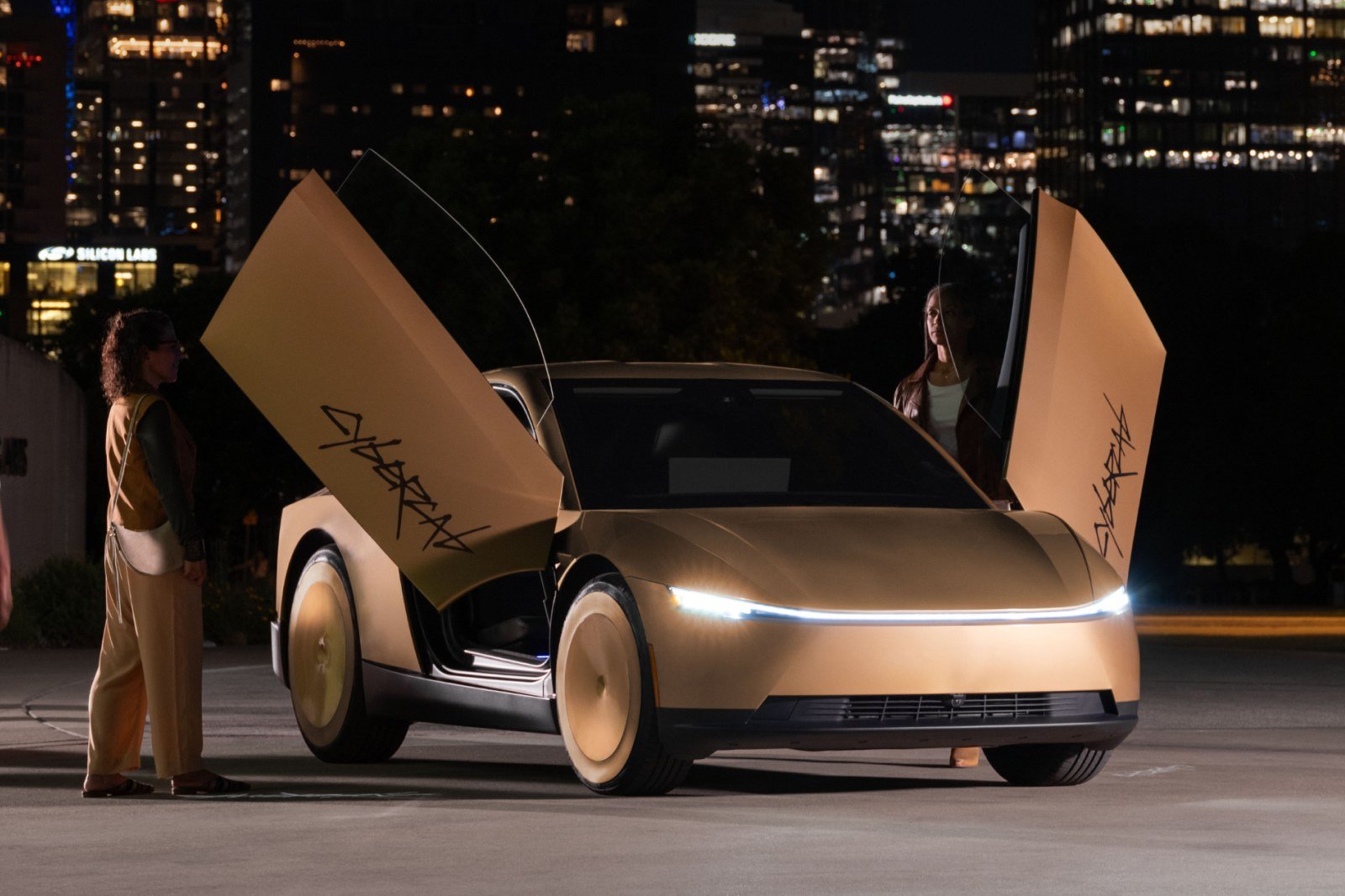
| Cybercab (private order) | Model Y L Launch Series | Driverless Model Y (announced) | |
|---|---|---|---|
| Seats | 2 | 6 | 6–7 |
| Steering wheel and pedals | No | Yes | No |
| Price | $29,990 + $299/month | $61,990 | Not announced |
| Where it can drive | Robotaxi service areas | Anywhere | Not announced |
| Status | Orders open | On sale since July | Statement on stage |
The Model Y L is the real family product, and its history matters here. When it launched in China in August 2025, Musk suggested it might never come to the U.S. because of self-driving. In July 2026, Tesla launched it in the U.S. at $61,990, built at Giga Texas. Autonomy did not remove the need for a big family car, so Tesla sold one, with a steering wheel.
That matters more now that the lineup is shrinking. Model S and Model X production ended this year, and the Cybertruck is on its way out. Once it goes, the Teslas that family buyers can drive themselves are the Model 3 and Model Y. My read of Wednesday's comment is that Tesla sees the next growth in seats sold by the mile, not in new models sold by the unit.
The case against my view
The strongest objection is that Musk delivers late, but he does deliver. The Cybercab was mocked as vaporware for years, and in 2026 it carries paying riders without a wheel or pedals. A fleet that only has two-seaters loses families, airport runs and groups of friends, so a six-seat driverless vehicle is a real operational need, not a lobbying prop.
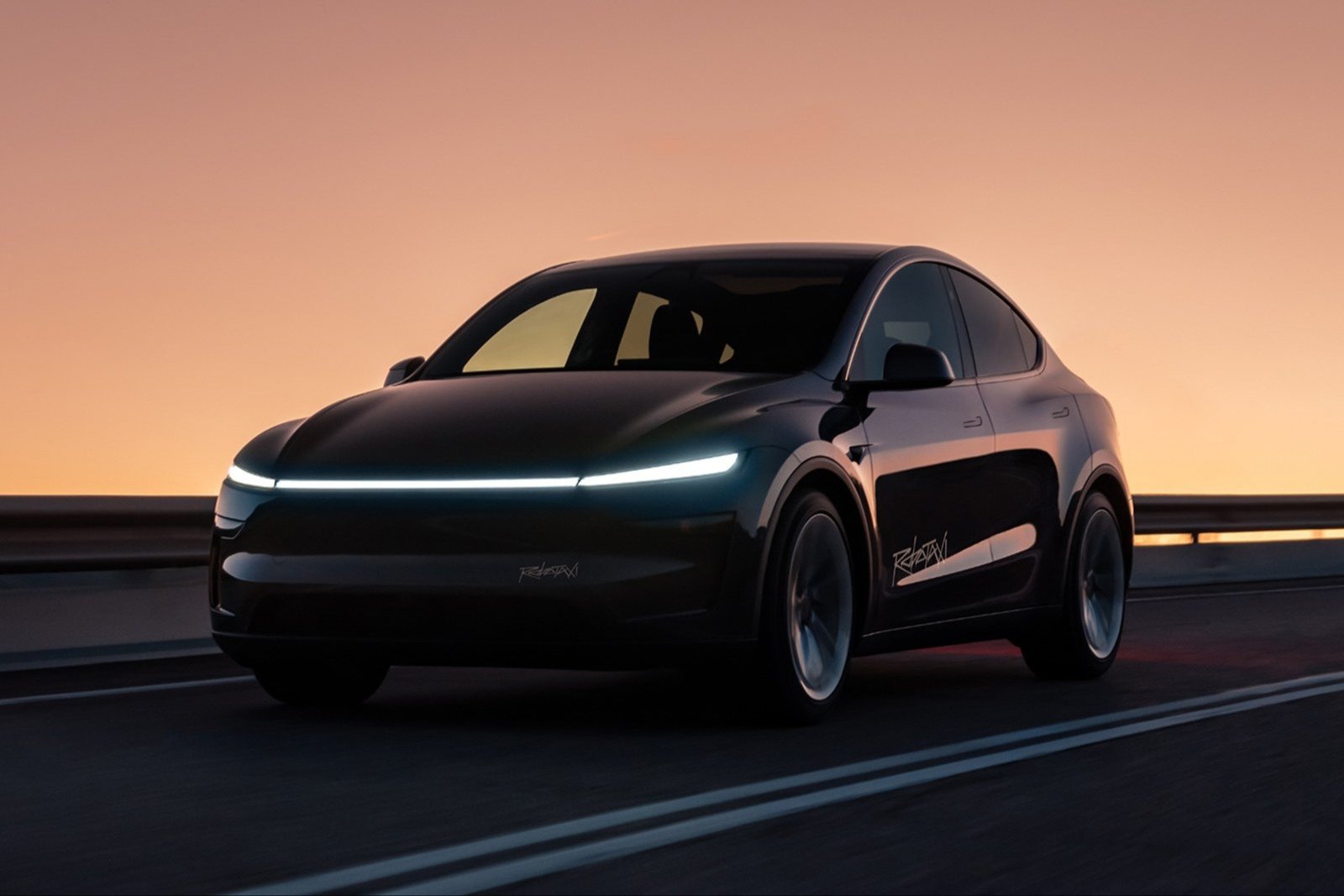
I accept most of that, and it still supports my point. If the vehicle exists because the fleet needs it, it is a fleet product. Tesla's Robotaxi service already runs mostly on Model Ys that keep their steering wheel and pedals. The wheel is not what stops a fleet Model Y from driving itself. Removing it saves a few parts and costs the car its use outside a geofence. The only big payoff from removing it is regulatory: once the standards accept vehicles without controls, Tesla can build them at full Model Y volume instead of inside an exemption cap.
What would change my mind
If Tesla opens private orders for a wheel-less Model Y without a mandatory service subscription and without a geofence limit, then it is a consumer car, and I am wrong about who it is for.
If NHTSA closes its Special Order and accepts the Cybercab's self-certification before the FMVSS 135 and 108 rules are final, the rulebook was never Tesla's bottleneck. Then Wednesday's remark was product talk, not leverage.
And if Tesla's fourth-quarter results in January 2027 give a factory, a start date and a volume for this vehicle, regardless of where the rules stand, I will take it as a committed product plan rather than an opening position.
My read
A Model Y without a steering wheel is aimed at NHTSA's open dockets and at a fleet business, not at the family weighing a three-row EV. If you need six seats now, the product is the Model Y L with a wheel. The driverless version, if it comes, will be sold the way the Cybercab is: as rides inside a map, not as a car you own outright.