Tesla's $29,990 Cybercab Isn't a Car Purchase. It's a $299-a-Month Contract
Tesla's cheapest car won't move without a $299 monthly subscription that Tesla can reprice. By year nine, the subscription costs more than the car.
Contents · 7 parts
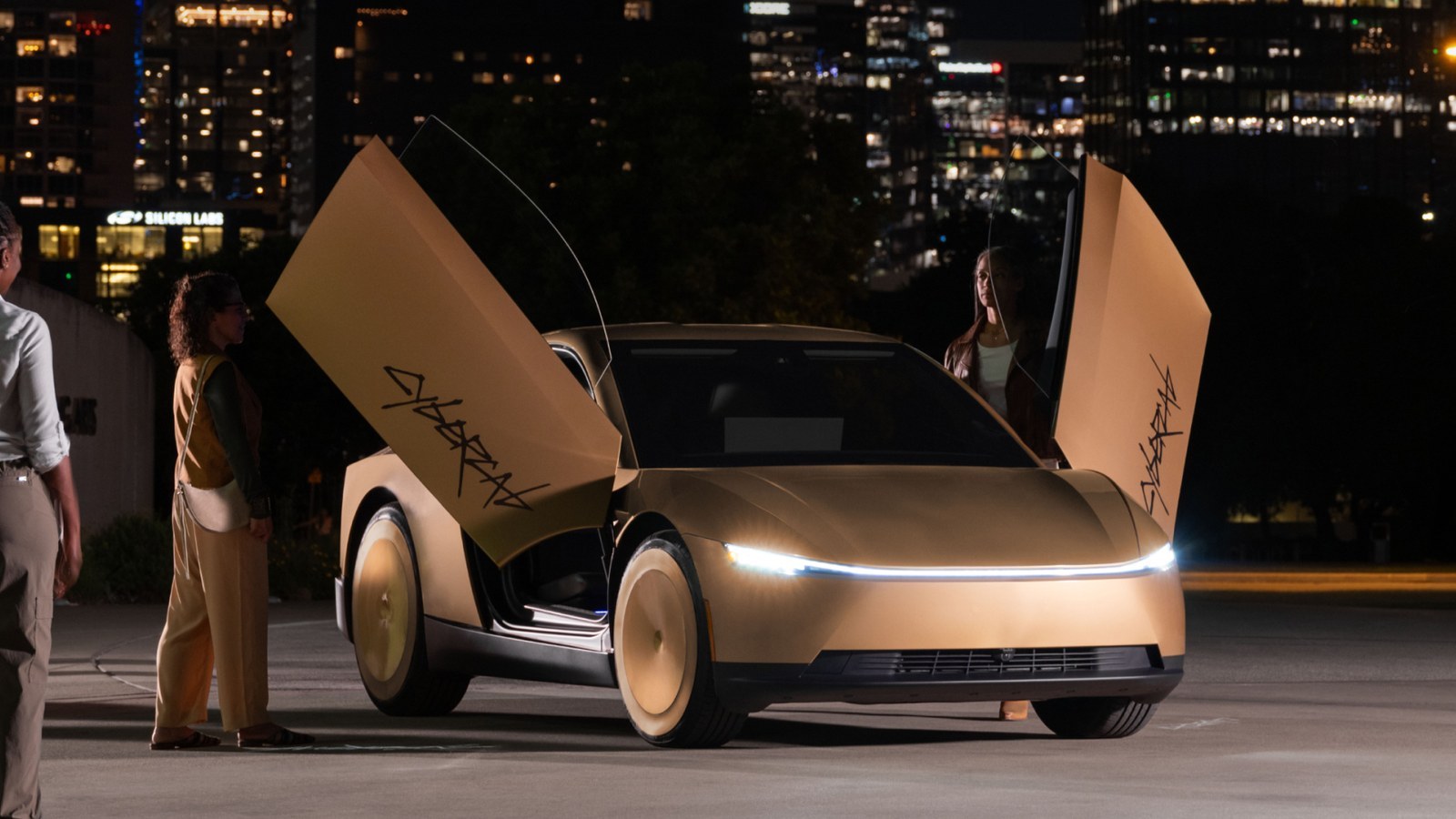
On Nov. 13, Tesla's Robotaxi account on X said select customers can now buy a Cybercab for personal use. The price is $29,990, which makes it the cheapest Tesla ever sold. One line lower on the order page comes the catch: a $299-a-month Autonomy Subscription, without which the car will not move.
Here's what the headlines miss. I don't think $29,990 is the price of this car. I think it is the down payment on the most expensive contract Tesla has ever written, one in which Tesla, not the owner, sets the monthly rate, draws the map, and holds the off switch.
The Cybercab isn't Tesla's cheapest car. In my view, it is the first car sold as a service with a hardware deposit attached.
Tesla is selling access, and the car comes with it
According to InsideEVs, Tesla is inviting hand-picked buyers for now, and it is unclear whether sales will ever open to the general public. Tesla's configurator lists December 2026 delivery in Austin, a $1,000 non-refundable order deposit, and one month of the subscription included with purchase. After that, the $299 is billed every month until the owner cancels.
The terms live in the Cybercab Autonomy Subscription Agreement, version 20261112, linked from the order page. I read all six pages. The first operative line sets the tone: "Your Cybercab will not operate without an active Autonomy Subscription." The second matters more: "Tesla may change these terms from time to time." Keep using the subscription after a change, and the new terms apply.
The rest follows from there. The price can change on one month's notice. The car runs only inside Tesla's Robotaxi geofences, which Tesla may expand, reduce, or relocate at any time, and driving outside them may be blocked. Tesla can remotely restrict the car or put it in a safe state, and a suspension gives the owner no remedy beyond what the agreement provides. Disputes go to individual arbitration under Texas law unless the buyer mails an opt-out letter within 30 days.
None of those clauses is unusual for a software subscription. All of them are unusual for a car.
The subscription outgrows the car early in year nine
I ran the numbers at today's price, with the included first month. My five-year total matches the $47,631 that Electrek calculated. Insurance, registration, parking, charging, and cleaning come on top, and the agreement makes all of them the owner's job.
| 3 years | 5 years | 10 years | |
|---|---|---|---|
| Car + subscription | $40,455 | $47,631 | $65,571 |
| Of which subscription | $10,465 | $17,641 | $35,581 |
| Average per month | $1,124 | $794 | $546 |
| Subscription share of total | 26% | 37% | 54% |
Around month 102, cumulative subscription payments pass the sticker price. From then on, most of what the owner has paid Tesla bought services and access, not anything that stays with the car. The car's resale value depends on the next owner signing the same contract.
For scale, take Tesla's cheapest lease. In July, Carscoops calculated that the base Model 3 Rear-Wheel Drive leased at $379 a month plus $4,024 due at signing, or about $481 a month over 36 months. The Cybercab's first three years cost more than twice that. The usual answer is that you own the Cybercab at the end and hand the Model 3 back. I'm not convinced the difference is as big as it sounds. A leased Model 3 goes back to Tesla. An owned Cybercab stays in your garage, but it moves only on Tesla's terms. Without the subscription, all that is left is touchscreen controls for nudging it a few feet at up to 2 mph, and the agreement says those aren't meant for public roads.
And all of this assumes $299 stays $299. The contract says it might not: "Your subscription price might change in the future."
FSD owners have already seen how Tesla reprices
Tesla has been selling Full Self-Driving since 2016, and owners paid up to $15,000 for it, per Electrek. In February, Tesla stopped selling it outright and moved to a $99-a-month subscription that still requires the driver's constant attention. Musk then said the $99 price would go up as FSD's capabilities improve.
That history matters because it is the same software. On the Q3 earnings call, Tesla AI chief Ashok Elluswamy said the Cybercab and the Model Y robotaxis already run the same software, Electrek reports, and both use the AI4 computer found in the current Model Y.
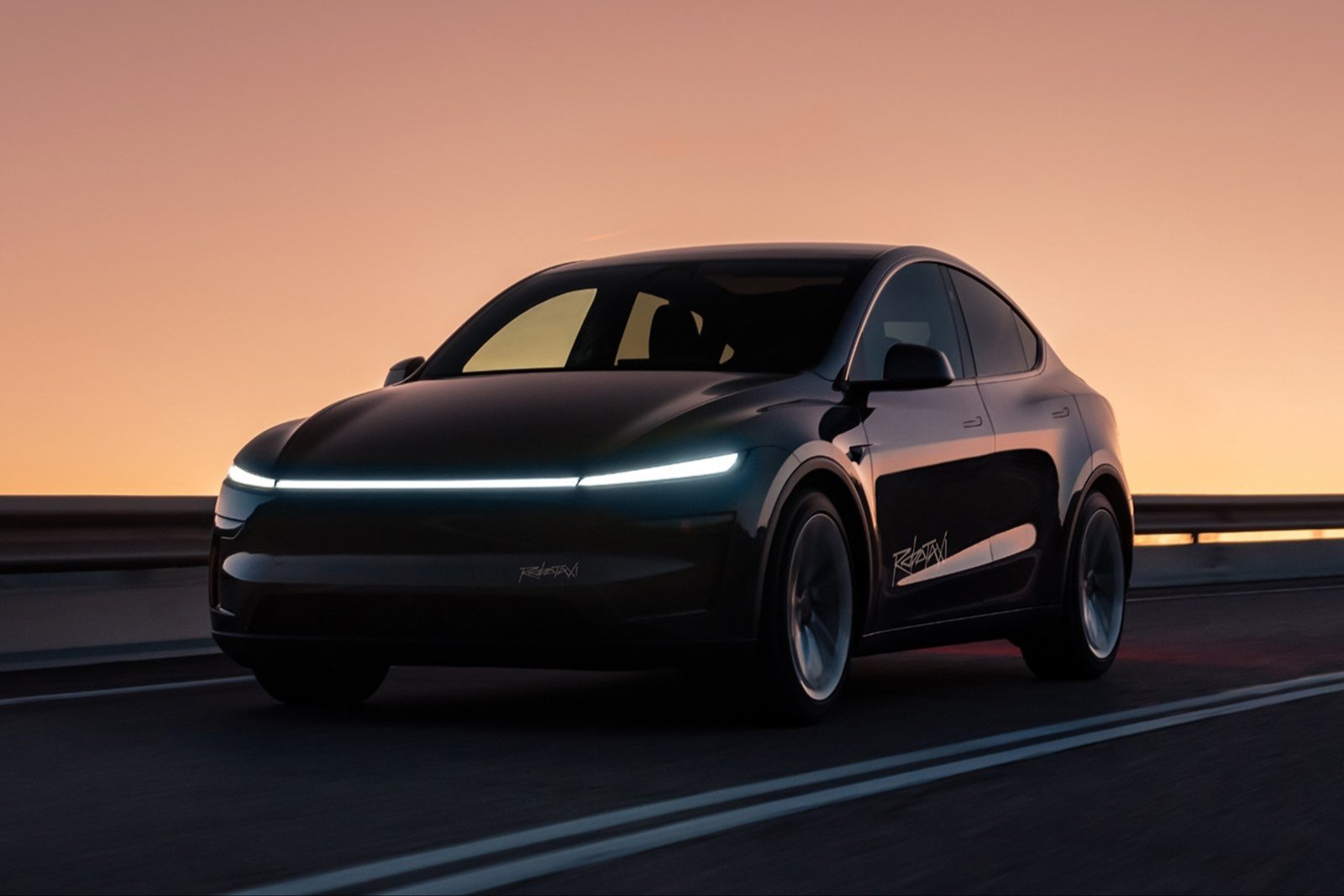
So Tesla already sells one software stack three ways: $99 a month supervised on a Model Y, $299 a month unsupervised on a Cybercab, and a per-ride fare on the Robotaxi network. My bet is that the Cybercab rate follows the FSD script and climbs as Tesla adds cities and features, because the contract allows it and the owner has no cheaper fallback. A Model Y owner who balks at a higher FSD fee can still drive the car. A Cybercab owner who balks has a parked car.
The owner doesn't control the asset or the income
The early robotaxi pitch was that your car would earn money while you sleep. The agreement says the opposite for now: the Cybercab is for personal, non-commercial use, and it can't go on Tesla's Robotaxi Network, Uber, a delivery app, or a rental platform unless Tesla authorizes it in writing or enables it in the product. Elluswamy suggested customer cars might join the network around Q2 2027. Until then, the car only costs money.
Tesla never claimed customers were the main market anyway. On the same call, vehicle engineering VP Lars Moravy said Tesla was trying to get Cybercabs to customers by the end of 2026, while Musk said the vehicle would mainly be Tesla-owned and used for ride-hailing. That's a deadline being met, not a consumer strategy.
The regulatory ground isn't settled either. NHTSA opened an inquiry into how Tesla determined the car complies with federal safety standards that require manual controls, and those standards stay in force while the agency works through its proposal for vehicles without steering wheels. A buyer takes on that uncertainty too.
The case against my view
The strongest argument for the deal is better than "it's cheap." The $299 is not pure software. The agreement bundles connectivity, remote support, roadside assistance with towing up to about 50 miles, and a list of covered services that includes tire replacement and rotations, windshield replacement, wipers, cabin filters, and inspections. Tires and a windshield over a few years aren't a rounding error. Part of every payment is a maintenance plan.
Now picture someone in Austin who lives and works inside the geofence and doesn't own a car. For the deposit plus $299 a month, they get a private, driverless car on their own schedule with most upkeep covered. That can beat a second car's payment and repairs plus ride-hailing on top. And Waymo doesn't sell cars to anyone. Tesla at least offers ownership, while its rivals offer only rides.
I accept that math for that buyer, at today's terms. My problem is that the contract makes today's terms temporary. The covered-services list itself says it "may change." The price can change. The map can change. The whole agreement can change, and continued use counts as consent. A good deal you can't lock in is a bet on the counterparty's restraint.
What would change my mind
If the agreement Tesla hands its first buyers in December caps the subscription or locks it for a fixed term, most of my argument falls away, because the car becomes a known cost.
If, by Q2 2027, Tesla switches on Robotaxi Network access for personal Cybercabs in the product, as the contract already allows, the car becomes an asset that can pay its own subscription, and the comparison with a lease flips.
And if Tesla commits to refunds or compensation when a service area shrinks, and extends the geofences well beyond Austin in 2027, the "ownership" in personal ownership starts to mean something.
My read
The Cybercab is a real milestone: the first car without a steering wheel or pedals that an ordinary buyer can sign for. But the signature buys a deposit, not control. Tesla keeps the rate, the map, the switch, and the right to rewrite the terms, and FSD owners have already watched it reprice what they thought they had bought. Until the contract caps the price, I'd treat $29,990 as the entry fee and $299 a month as the real price.