California Didn't Ban Waymo for a Viral Clip. It Banned a Fix That Failed
The viral I-280 clip isn't why California pulled Waymo off its freeways. A software recall that didn't hold is, and Waymo's safety comparisons never covered freeways anyway.
Contents · 8 parts
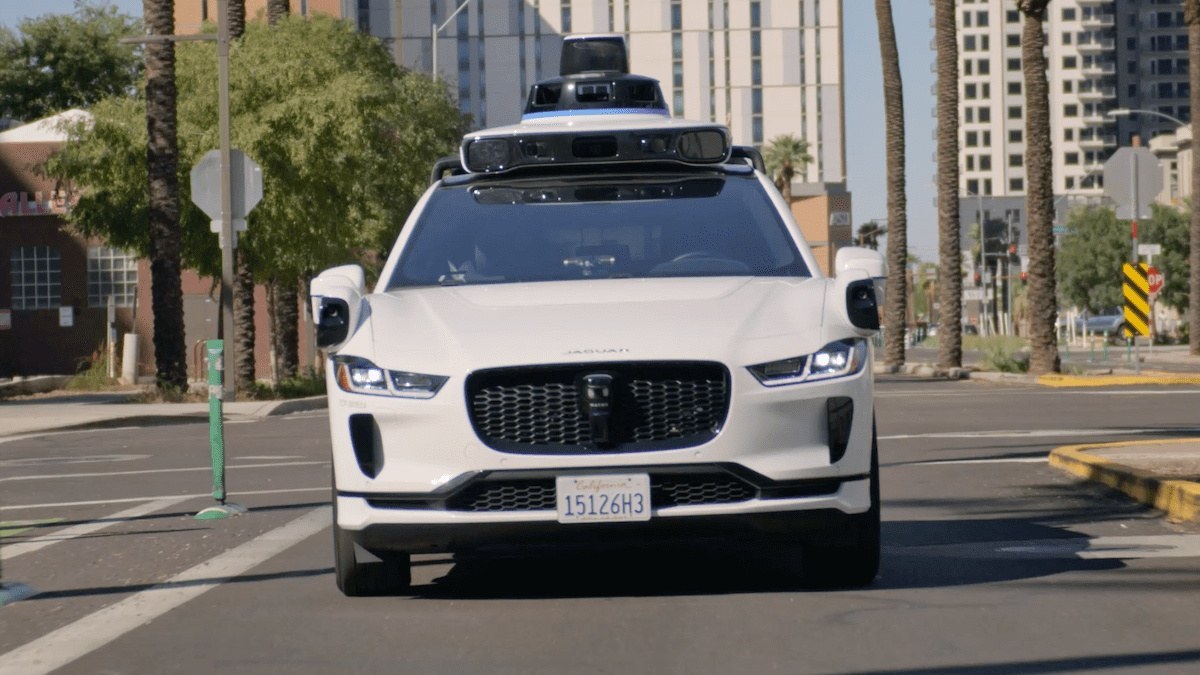
California's DMV has pulled Waymo's driverless cars off every freeway in the state, calling those operations "an imminent hazard to public safety." Waymo then switched off freeway trips in all 15 of its U.S. cities, including places where no regulator asked it to.
Most of the coverage has orbited a viral clip of a Waymo trying to get around a California Highway Patrol traffic break on I-280. Here's what the headlines miss: the clip is the least important part of this story. California didn't punish Waymo for one bad moment on video. It punished a recall fix that didn't hold.
That distinction matters more than the ban itself. In my view, it ends the era when "look at our millions of miles" settled any argument about robotaxi safety. Regulators are now grading repeat failures, not averages.
California's order is about construction zones, not a viral clip
The DMV issued the restriction on November 11. It became public on November 17, when the San Francisco Business Times reported it, and the department still hasn't posted the order on its website. In a statement emailed to reporters, the DMV cited "recurring incursions" by Waymo vehicles into active construction zones, despite an earlier restriction and corrective actions, and pointed back to incidents on May 18.
The latest trigger: three Waymos drove into an active construction closure on U.S. 101 near Burlingame. A separate incident involved CHP vehicles on I-280 in San Francisco. The restriction stays in place until Waymo demonstrates "effective corrective actions." Waymo says the 101 encounters involved no injuries or collisions, and that its service keeps running on surface streets at more than half a million trips a week.
This is the third round of the same failure
Waymo's own recall filing tells the story better than any video. According to recall 26E035, submitted to NHTSA on June 17, the problem first showed up in Phoenix: one event on April 11 and five on April 19, when Waymos drove past ramp-closure signs into planned freeway construction zones. Waymo restricted freeway driving until operational mitigations were in place.
Then, on May 18, seven Waymos in the Bay Area entered freeway lanes with active construction by driving between the cones. The defect description is worth reading twice: the car may enter a work zone and drive through it at speed because it is "inappropriately prioritizing the avoidance of other freeway hazards and/or failing to recognize the construction zone." The recall covered 3,871 vehicles running the fifth-generation driving system, and the remedy was software.
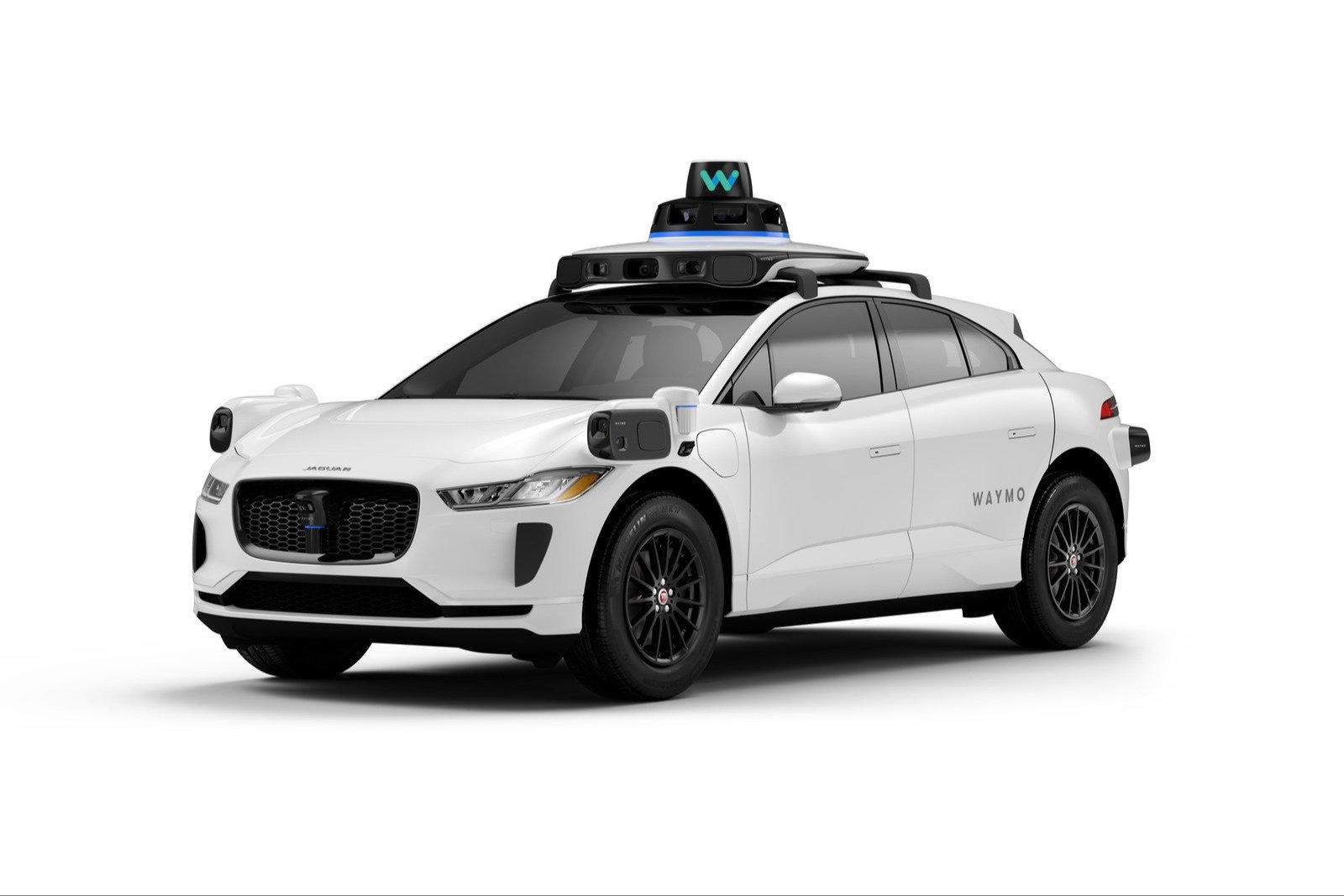
Waymo brought freeway trips back on July 29, starting in Phoenix, after what it described as software updates to improve performance around freeway construction zones. That was Waymo's call, made under its own recall. Before the DMV acted on November 11, three more cars went into a closure on the 101.
| Phoenix | Bay Area | U.S. 101, Burlingame | |
|---|---|---|---|
| When | April 11 and 19, 2026 | May 18, 2026 | Before Nov. 11, 2026 |
| Scale | 6 events | 7 vehicles | 3 vehicles |
| What happened | Drove past ramp-closure signs | Drove between lane-closure cones | Entered an active closure |
| Response | Waymo restricts freeways, adds mitigations | Waymo pauses freeways, files recall 26E035 | DMV restriction, nationwide pause |
| Who decides when it ends | Waymo | Waymo (resumed July 29) | California DMV |
Waymo's safety record was never about freeways
The standard reply to any Waymo incident is the safety record. Waymo's safety hub counts 271.3 million rider-only miles through June 2026 and 82% fewer injury-causing crashes than a human benchmark, or 841 fewer. Those numbers are real, and on city streets they're impressive.
But read the methodology. Waymo says its human benchmarks exclude freeways, and that it has only limited freeway miles, so the comparison covers surface streets alone. In September, Waymo told CBS Austin it had logged more than 1 million fully autonomous freeway miles with riders. Set against 271 million, that is a sliver. The famous safety record says almost nothing about the one environment California just closed.
That's why the averages argument stopped working. A regulator doesn't need to know whether a Waymo is safer than the average driver on I-280. It needs to know whether a defect the company already found and "fixed" came back. It did.
California built the tool for exactly this
Compare this with Cruise in 2023. The DMV suspended Cruise's driverless permits after a pedestrian was dragged under one of its cars and the agency concluded Cruise had misrepresented what happened. It took an injury and a credibility collapse to stop a robotaxi company.
This time nobody was hurt, and nobody accused Waymo of hiding anything. What changed is the rulebook. Regulations the DMV adopted in April let the department impose targeted operational restrictions, including fleet size, location, speed, and weather limits, when public safety requires it. The DMV chose location: Waymo keeps its streets and loses the freeways. That's a scalpel, not a permit suspension.
The precedent reaches beyond Waymo. Federal rules are still at the proposal stage, with NHTSA's robotaxi rulemaking still open for comment, so the sharpest enforcement in the country is a state DMV's. Any company that wants driverless cars on California freeways, Tesla included, now knows the test: does a known failure come back after the fix? Tesla, which is selling the Cybercab to private owners on a subscription, should read this order carefully.
Freeways are where the robotaxi business gets paid
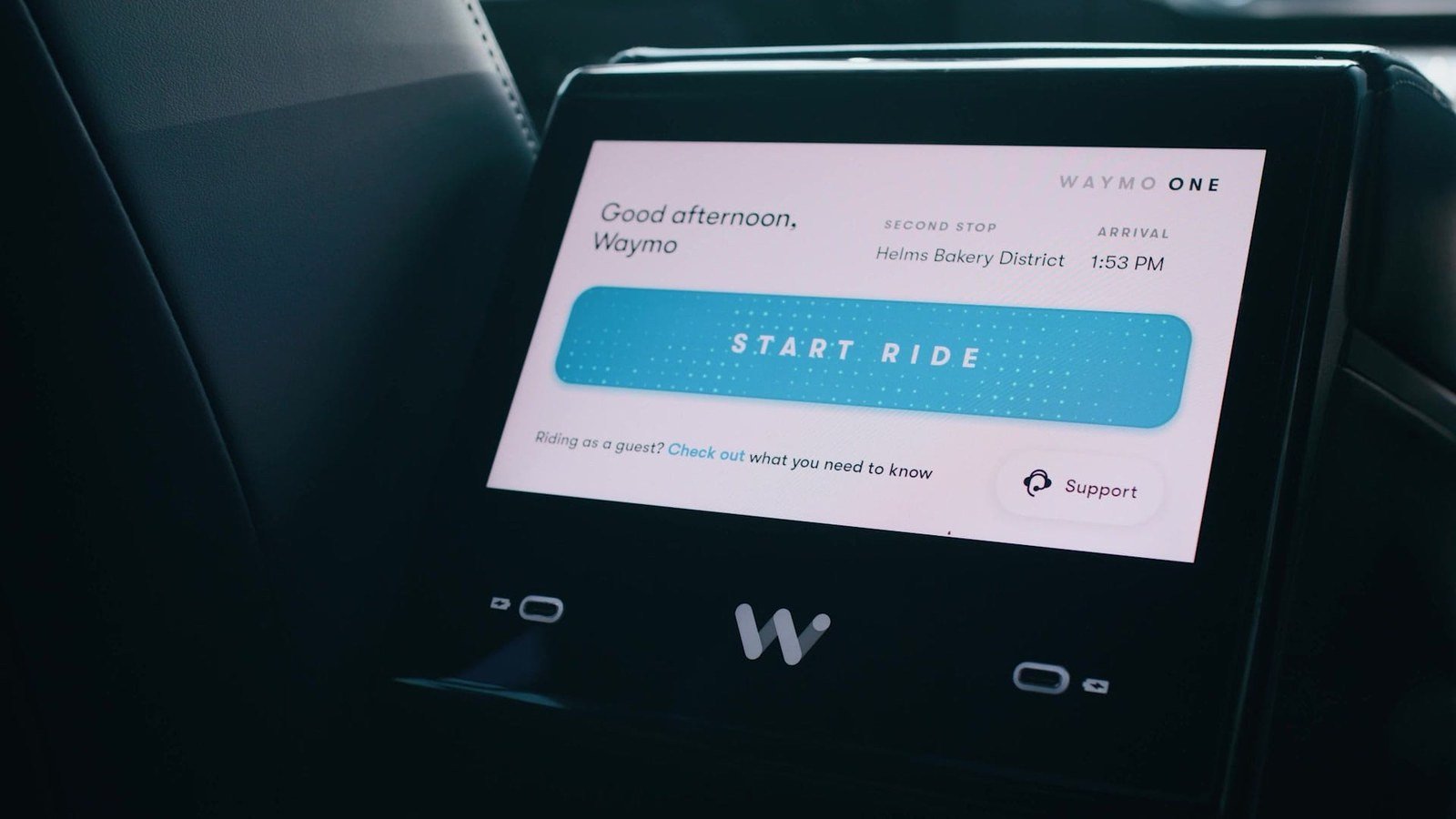
Freeway rides launched in November 2025 in San Francisco, Phoenix, and Los Angeles, then spread to Miami and, in September, Austin. Waymo sold them on airport runs and longer commutes. On the Peninsula, freeway access shortened trips that had taken anywhere from 45 minutes to over an hour on local roads, according to TechCrunch.
My bet is that losing those trips hurts more than the headlines suggest. A robotaxi that crawls to the airport on surface streets ties up a car longer for every fare, and a slow ride is a harder sell against a human driver who simply takes the 101. Fares per car per day is the number that decides whether this business ever makes money.
The case against my view
The strongest objection is simple: the system worked. No one was injured. Waymo didn't wait for Arizona, Florida, or Texas to act and pulled freeway service everywhere on its own. Meanwhile, human drivers are the ones killing people in work zones: 850 people died in U.S. work zone crashes in 2024, according to the Federal Highway Administration. A regulator that grounds a fleet over cones, the argument goes, protects nobody and slows a technology that is safer on average.
I take that seriously, and I agree the nationwide pause was the responsible move. But the human comparison is exactly the one Waymo hasn't published for freeways. And a software defect is not one bad driver. The recall filing lists 100% of the 3,871 vehicles as potentially affected. When a fix fails, it fails across the fleet at once. A human who kept driving into closed lanes after being warned would lose a license. The DMV did something milder.
What would change my mind
If the DMV's full order, once it surfaces, rests mainly on the I-280 CHP encounter rather than the construction-zone pattern, my reading is wrong, and this is a regulator reacting to a viral clip.
If Arizona, Florida, or Texas lets Waymo back on freeways before year-end with no new filing, and NHTSA leaves recall 26E035 untouched through the first quarter of 2027, then judging recurrence over averages is a California posture, not a new national standard.
And if Waymo returns to California freeways within weeks on the strength of one more software update, without the DMV spelling out what "effective" means, the bar is lower than I think.
My read
California didn't ban Waymo for a video; it banned a fix that didn't hold. Waymo's own numbers can't rescue it here, because its published safety comparison was never built for freeways. From now on, the question for every robotaxi operator isn't "are you safer than a human?" but "did your last fix work?" I expect Waymo back on California freeways, but on the DMV's clock, not its own.