Honda's Third Start-Stop Probe Says the Old Fix Doesn't Fit the New Cars
NHTSA's third case on the same Honda failure since 2022 says the newest Pilots and Odysseys break for a different reason. The 2023 playbook doesn't transfer.
Contents · 7 parts
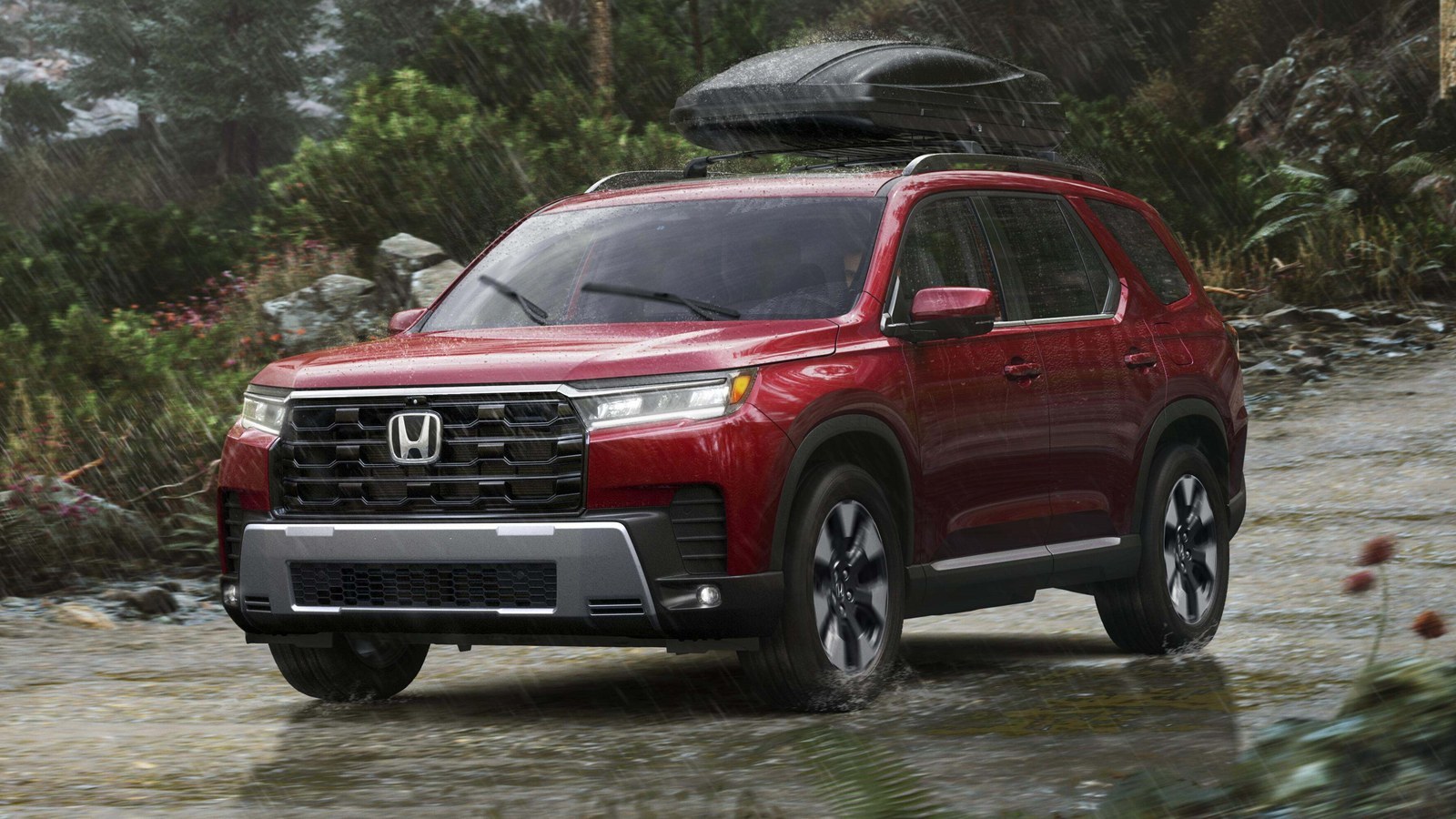
Federal regulators opened an engineering analysis on Nov. 13 into 2024–2026 Honda Pilot, Odyssey, Passport, and Ridgeline models and the Acura MDX after 701 owners reported that the engine shut off at a stop and didn't come back. Reuters, citing NHTSA, puts the population at 1,033,632 vehicles.
Here's what the headlines miss: this is the third federal probe into the same failure on Honda's V6 family haulers since 2022. The most important line in the new file isn't the vehicle count. It's NHTSA conceding that the newest cars appear to have a different root cause and "respond differently to repairs" than the older ones it has been chasing for four years.
I read that as the end of a comfortable assumption. In 2025 the agency treated these newer cars as close cousins of the old ones. They aren't. And Honda keeps shipping a feature that switches itself back on every time you start the engine, nine months after Washington removed the credit that paid for it.
NHTSA split the newest Hondas into a case of their own
The new investigation, EA26007, "No Restart After Auto Start/Stop Engages," covers five nameplates from the 2024 through 2026 model years. The complaint is simple: the system shuts the engine off at a complete stop to save fuel, and the engine is supposed to restart when the driver lifts off the brake. Owners say it doesn't.
The probe sits next to an older one, EA25004, which already covers every vehicle in the new case except the 2026 models. ODI says both groups fail in a similar way, but the newer group seems to have a different cause and reacts differently to repairs. Its description gives no crash or injury count and no vehicle count; the million-car figure comes from Reuters. Honda's position isn't in NHTSA's file.
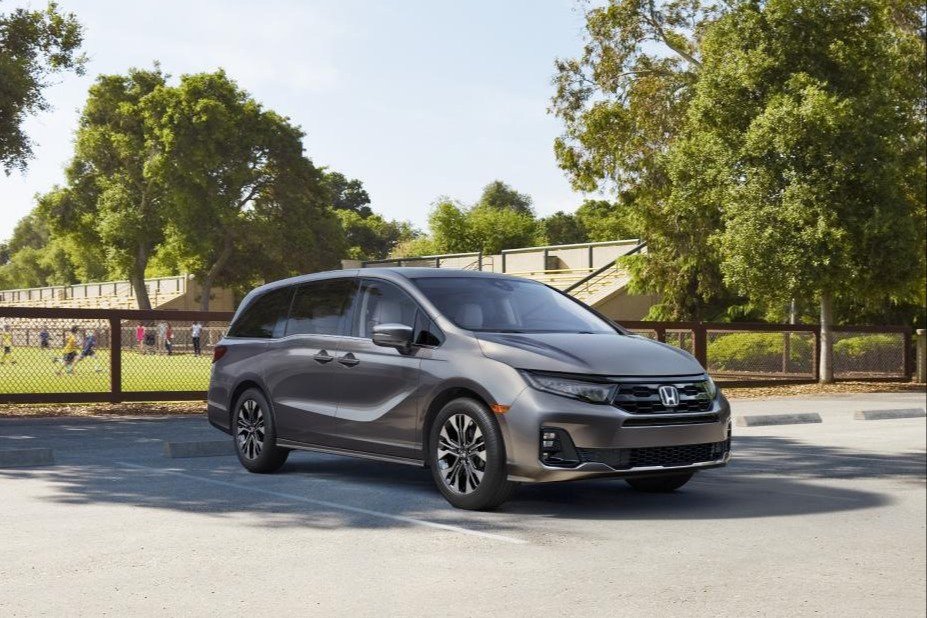
These are not niche vehicles. The Pilot and the Odyssey are the default answer for American families who need three rows of seats, which is exactly the driver who stops at school crossings and left-turn lanes all day.
Three probes, one failure, and a fix that never caught up
The story starts with PE22005, opened in June 2022 and ultimately covering 194,731 Pilots from 2016–2020. In January 2023 Honda released service bulletins 23-008 and 23-009 with a two-stage countermeasure: a fuel-injection software update first, then, only if that failed, a new starter, starter relays, and a valve adjustment, depending on the model. Cars that needed the second stage got a 10-year, unlimited-mileage warranty extension.
It didn't end the complaints. When NHTSA upgraded the case in March 2025, it wrote that it kept receiving reports of failures, many from owners who said the countermeasures had already been done. The new EA25004 asked for data on how well Honda's campaign worked and widened the net to newer model years it called "substantially similar."
| PE22005 | EA25004 | EA26007 | |
|---|---|---|---|
| Opened | June 3, 2022 | March 26, 2025 | Nov. 13, 2026 |
| Model years | Pilot 2016–2020 | Six models, 2015–2025 | Five models, 2024–2026 |
| Vehicles | 194,731 | 2,209,466 (est.) | 1,033,632 (per Reuters) |
| Reports | 1,045 at closing | 1,348 at opening | 701 |
| Crashes or fires | 0 | 4 (2 injuries) | not stated |
| Status | Upgraded after 1,027 days | Open 600 days | Open |
Look at the timeline, not just the totals. NHTSA's own targets are 120 days for a preliminary evaluation and a year for an engineering analysis, according to a 2023 inspector general audit that found the agency routinely missed both. The first Honda case took almost three years to move up a level. The second has shown no new activity in NHTSA's database since the day it opened.
The 2025 shortcut just stopped working
The newer cars were folded into EA25004 on the premise that they were essentially the older cars with a fresh body. Twenty months later, ODI says the 2024–2026 group breaks for another reason. That has two consequences, and neither is good for owners.
First, the 2023 bulletins were written for the older cars, and ODI's wording suggests the repairs dealers have tried on the new ones don't behave the same way. The playbook doesn't transfer. Second, the regulatory clock effectively resets. A fresh engineering analysis means fresh information requests, a fresh root-cause hunt, and, if history is a guide, years rather than months.
What strikes me is how familiar the pattern is. Last week Honda recalled 635,808 vehicles over a software fault that can drop power steering assist, and the fix requires a dealer visit. A company that ships this much behavior in software can't say restart logic is beyond reach until it shows otherwise. Whether this failure is software at all, nobody outside Honda knows yet.
Start-stop no longer earns Honda anything in Washington
Start-stop exists to save fuel. For a decade it also earned automakers an "off-cycle" greenhouse-gas credit. On Feb. 12, 2026, the EPA eliminated every off-cycle credit, start-stop included, along with the federal vehicle greenhouse-gas standards themselves.
Meanwhile, Honda's own manual says the system resets to ON every time you start the engine. So the owner of a Pilot that has failed to restart has one defense, a button, and it has to be pressed on every drive. Forget once, and you are back to trusting the restart.
In my view, that default is now a choice, not a requirement. Honda may still value a slightly better city fuel-economy number. But it is weighing a few tenths of an mpg against an engine that may not fire at an intersection, in the brand's core family vehicles, under two open federal investigations.
The case against my view
The strongest argument is that I'm making a mountain out of a button. A dead engine at a stop is not a lost brake pedal: the car is stationary, and many owners say pushing the start button gets it running. Seven hundred complaints across roughly a million vehicles is a tiny fraction. Engineering analyses often close without a recall, and NHTSA has had this family of cases open since 2022 without ordering one.
All fair. But the agency's own files undercut the "harmless" reading. EA25004 opened with four reported crashes or fires and two injuries, and some owners in the 2022 case said they needed a jump start to keep going. A family van that won't restart in a left-turn lane is not stationary in any comfortable sense. And "no recall yet" after four years says more about the pace of the process than about the defect.
If you own one of these cars, the practical steps are dull: press the Auto Idle Stop off button when you drive in heavy traffic, keep every repair order that mentions idle stop, and report failures to NHTSA, because complaint volume is what moved this case twice already.
What would change my mind
If Honda announces a remedy for the 2024–2026 cars before NHTSA's one-year target for EA26007 runs out in November 2027, and complaints fall afterward, my "fix that never caught up" framing is wrong for the newer group.
If EA25004 closes with data showing the 2023 bulletins actually cut failure rates on the older cars, I'd concede that the first fix worked better than the complaint files suggest.
And if Honda makes the off setting stick, through a dealer update or on 2027 models, the default-on argument goes away. That would be the cheapest move available, and I'd say so.
My read
The million-car headline is the least interesting part of this case. NHTSA has now admitted it misread the newer Hondas once, and the 2023 fix never fully settled the older ones. Until Honda shows a remedy that works on both, a feature that no longer earns it anything in Washington should not be switching itself back on in family cars.