Toyota's New Takata Recall Shows the 2019 'Final Phase' Wasn't Final
Toyota's 314,000-vehicle Takata recall lands seven years after its 'final phase.' In Australia, it covers the replacement parts themselves. A past repair no longer proves anything.
Contents · 7 parts
Toyota is recalling about 314,000 Toyota and Lexus vehicles in the U.S. to replace Takata front passenger airbag inflators, seven years after it called its 2019 Takata campaign the "final phase."
Here's what the headlines miss: in Australia, Lexus filed a parallel recall the same day, and it covers inflators that were installed as the fix under an earlier Takata recall. Toyota hasn't said whether the U.S. population is built the same way. I think owners should act as if it might be, because "my Takata recall was done years ago" no longer proves anything.
What Toyota filed, and what it left out
The Toyota release dated November 12 is short. It says the front passenger airbag made by Takata uses propellant that can degrade over time in certain temperature and humidity conditions, that a degraded inflator can rupture and send metal fragments into the cabin, and that dealers will replace either the inflator or the whole airbag assembly, depending on the model, free of charge.
It does not list a single model or model year. As of Friday, NHTSA's public recalls database didn't show the campaign yet, so there is no Part 573 report to read. Owners are pointed to a VIN lookup at Toyota.com/recall or nhtsa.gov/recalls.
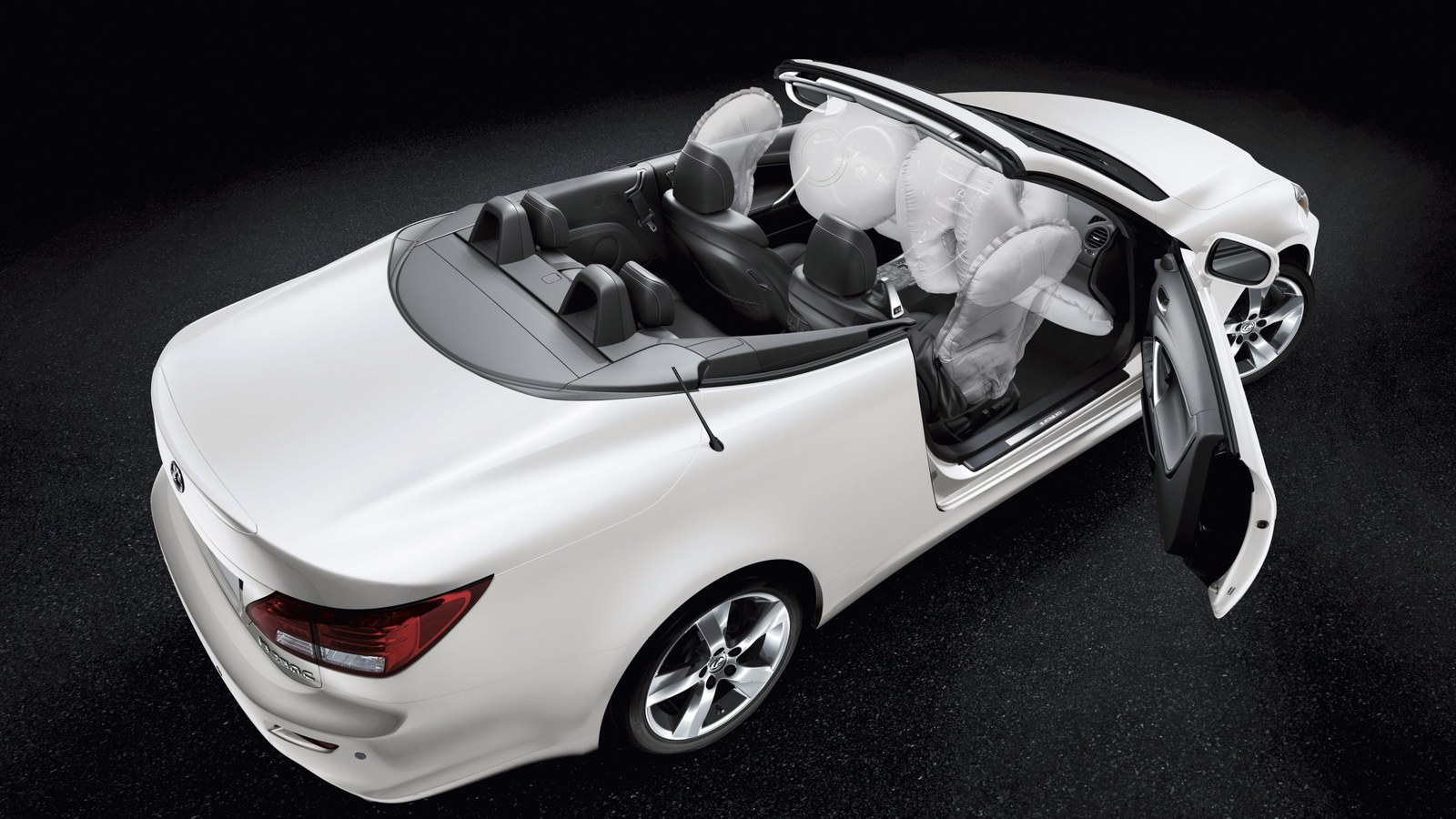
The Australian filing is more specific. According to carsales, it covers about 7,015 Lexus IS 250, IS 250C, IS 350, and IS F models built between 2005 and 2012. The inflators contain desiccated phase-stabilized ammonium nitrate (PSAN), and the campaign includes ones fitted as replacement parts under an earlier recall.
The 2019 "final phase" only cleared one kind of stopgap
To see why that detail matters, go back to October 2019. Toyota's final-phase release covered about 928,000 U.S. vehicles, from the 2003–2013 Corolla and 2010–2016 4Runner to the Lexus ES 350, GX 460, IS, and SC 430. Its target was precise: cars that had been repaired with new Takata inflators without a drying agent, because nothing better was available at the time. Toyota called that a "like for like" repair, and the 2019 campaign swapped those parts for inflators from other suppliers.
That left a second kind of stopgap untouched: Takata inflators that did contain a desiccant. They were installed as remedy parts too, and in 2019 nobody had ruled them unsafe. The Australian recall is the first official sign I've seen of that second group coming due on Toyota and Lexus products.
| U.S., Oct. 2019 | U.S., Nov. 2026 | Australia, Nov. 2026 | |
|---|---|---|---|
| Vehicles | ~928,000 | ~314,000 | ~7,015 |
| Inflators targeted | Takata, no desiccant, fitted as earlier fixes | Takata passenger; desiccant not stated | Takata with desiccant, incl. earlier fixes |
| Models named | 15 nameplates, 2002–2017 model years | None in the release | Lexus IS, built 2005–2012 |
| Degradation found | Risk per Takata's reports | Not stated | None so far, per Lexus |
Notice the wording shift. The 2019 release spelled out "non-desiccated" twice. The 2026 release doesn't use the word at all. That proves nothing about the U.S. population, but if Toyota were simply mopping up leftover non-desiccated parts, I'd expect it to say so, as it did last time.
NHTSA never closed the desiccant question
The regulator has been circling this for a decade. When NHTSA expanded the Takata recalls in 2016, it left desiccated inflators out but required Takata to prove they were safe. In May 2020 the agency decided against recalling about 56 million of them and chose monitoring instead, as the Associated Press reported at the time.
Sixteen months later it opened engineering analysis EA21-002 into non-recalled desiccated Takata inflators, and NHTSA's investigations database still lists it as open. The opening document is blunt. It says desiccated remedy parts went into older vehicles and that none of them were under recall for degradation. It also says "desiccant saturation can occur within the first five years in the worst environments." Once the drying agent is full, the same chemistry that killed people in non-desiccated inflators can, in principle, start again. NHTSA added that it had found no present safety risk and no field ruptures in non-recalled desiccated parts.
So the agency's own position is that these parts are fine for now, and that it isn't sure for how long. Plenty of repairs done in 2016 and 2017 are past that five-year mark.
Why "I already had it done" is the wrong reflex
The bigger risk right now isn't the chemistry. It's owner behavior. Takata recalls became the most familiar safety story in the country, and the public learned one lesson: get it fixed once. NHTSA has confirmed 28 U.S. deaths from rupturing Takata inflators. Consumer Reports, citing Carfax, puts the number of unrepaired Takata recalls at about 4.8 million as of July 2026. Those owners ignored the letters. The ones I worry about now are the ones who did everything right and will throw away a new letter because the car "already had the airbag thing."
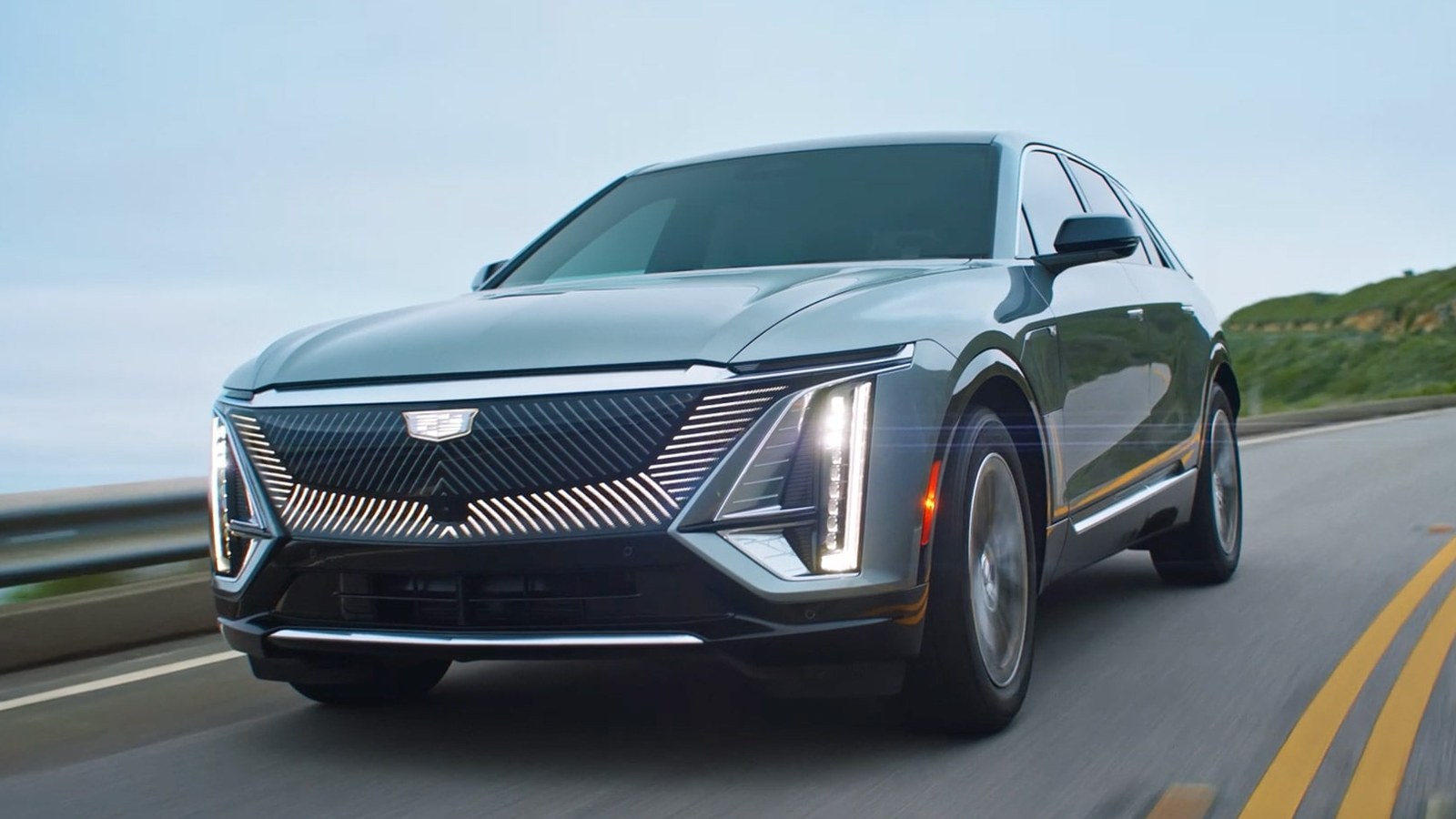
That instinct isn't irrational. Recall letters for 15-year-old cars go to the wrong addresses and read like dealer marketing, as I wrote about recall completion last week. And GM has just re-recalled the Lyriq for a brake fix that didn't hold. The pattern is the same, even if the hardware isn't: "remedied" describes the state of the paperwork, not the car.
The fix for the owner costs nothing but a minute. Run the VIN at nhtsa.gov/recalls once the campaign posts, and again in a few weeks if the result is clean. A completed 2019 repair doesn't exempt the car from a 2026 campaign.
The case against my view
The strongest objection is that I'm reading an Australian detail into an American recall. Toyota hasn't said the U.S. vehicles carry replacement parts at all. The 314,000 cars may be a different group, for example original-equipment inflators that were never swapped, in which case this is a late cleanup of old parts, not a failed fix. And the risk evidence is thin: Lexus says it found no propellant degradation in recovered Australian parts, calls the campaign proactive, and tells owners they can keep driving.
I take that seriously, and I'd say the same thing if I were Toyota's lawyer. But "proactive" is exactly what the desiccant debate calls for. Nobody expects these inflators to fail today. The question is whether the five-year saturation window NHTSA described has started to close on parts installed a decade ago. A recall filed before ruptures appear is the system working. Owners shrugging it off because they've seen this movie before is the system failing.
What would change my mind
The U.S. Part 573 report is the first test. If it shows that the 314,000 vehicles carry original inflators that were never replaced, my "fix needs fixing" reading doesn't hold for America, and this is an overdue sweep of old parts.
The second is NHTSA itself. If the agency closes EA21-002 in 2027 with a finding that desiccated Takata parts stay stable over a full service life, the Australian recall looks like an abundance of caution rather than a warning. If instead other automakers that used desiccated Takata parts as remedies file similar campaigns over the next six to twelve months, the desiccant question is no longer hypothetical.
My read
Toyota's 2019 "final phase" ended one chapter of the Takata recall, not the story. Whatever the U.S. filing shows, the Australian bulletin and NHTSA's still-open investigation say the same thing: a past Takata repair is not a clean bill of health. Check the VIN, even if you've checked it before.