A Third of Recalled Cars Never Get Fixed. A $1.5 Million DMV Reminder Won't Change That
NHTSA is paying states to flag open recalls at registration. Its own data says reminders fix a fraction of cars, and the lever that works is one Washington won't pull.
Contents · 7 parts
One in three vehicles caught in a US safety recall never gets repaired. NHTSA's own report to Congress, published in April, puts the weighted completion rate for vehicle recalls launched between 2012 and 2022 at 65.8%. On November 5, at a public meeting called Recalls Next, the agency announced its response: $1.5 million in grants for states to tell owners about open recalls when they register a car.
Here's what the headlines miss: that reminder has already been tried, the numbers are in, and they are modest. Meanwhile the recall problem is quietly splitting in two. New, connected cars increasingly get fixed in the driveway overnight. Old cars owned by people with the least time and money to spare don't get fixed at all.
In my view, a DMV notice does little for the second group, and the one tool that would work, a registration block, is the one Washington keeps declining to use.
A small grant with a narrow brief
According to NHTSA's November 5 announcement, states can apply for money to build a reliable way of flagging open safety recalls at registration or renewal, to measure how many of those vehicles are repaired afterward, and to document the process so other states can copy it. Applications are due February 4, 2027. Administrator Jonathan Morrison framed the program as a way to keep avoidable hazards off the road.
The meeting drew a long speaker list: Zoox, Waymo, Rivian, and GM on automated vehicles and over-the-air remedies; IIHS, Ford, and the National Automobile Dealers Association on barriers to repair; Stellantis, Maryland's Motor Vehicle Administration, and Experian on state data. NHTSA has published nothing on what was said beyond the release, so I'll stick to the documents.
The DMV reminder has been tested, and it fixes about one car in five
This is not a new idea. NHTSA's April 2026 report to Congress notes that earlier grant programs in Maryland, California, Texas, and Ohio notified owners of 9.5 million open recalls and produced nearly 2 million repairs. That's roughly 21 repairs per 100 notices. Better than nothing, and cheap per repair. It also leaves four of every five flagged cars exactly as they were.
The same report explains why. Vehicle age is the dominant factor. Older cars change hands and addresses often, notices reach the wrong person, many owners read a recall letter as a dealer sales pitch, and about 40% of owners who skip a repair cite inconvenience: work hours, childcare, distance, a car they can't do without for a day. A line on a renewal form solves none of that. It tells someone who already can't take a day off that they ought to.
Then there is the money. If all 50 states applied, $1.5 million works out to $30,000 each, about the price of one new compact SUV. My bet is that a handful of states get funded, publish useful reports, and the national completion rate barely moves.
Recalls are splitting into two classes
Age shows up everywhere in NHTSA's numbers. Vehicles up to three years old have historically completed around 87% of recalls, and the rate falls as they get older. Recalls issued in 2024 averaged 73.4% completion in NHTSA's 2025 annual recalls report, the best figure in its 2014–2024 series. The way I see it, that improvement says more about who gets recalled now (newer, connected, reachable cars) than about any breakthrough in reaching old ones.
| Completion rate | Source | |
|---|---|---|
| US vehicle recalls launched 2012–2022 (weighted) | 65.8% | NHTSA report to Congress, 04.2026 |
| US vehicles 0–3 years old (historical) | ~87% | NHTSA report to Congress, 04.2026 |
| US recalls issued in 2024 | 73.4% | NHTSA annual recalls report, 2025 |
| Earlier US state DMV notice programs (repairs per notice) | ~21% | NHTSA report to Congress, 04.2026 |
| Australia, Takata cars under a registration ban | 99.9% | NHTSA report to Congress, 04.2026 |
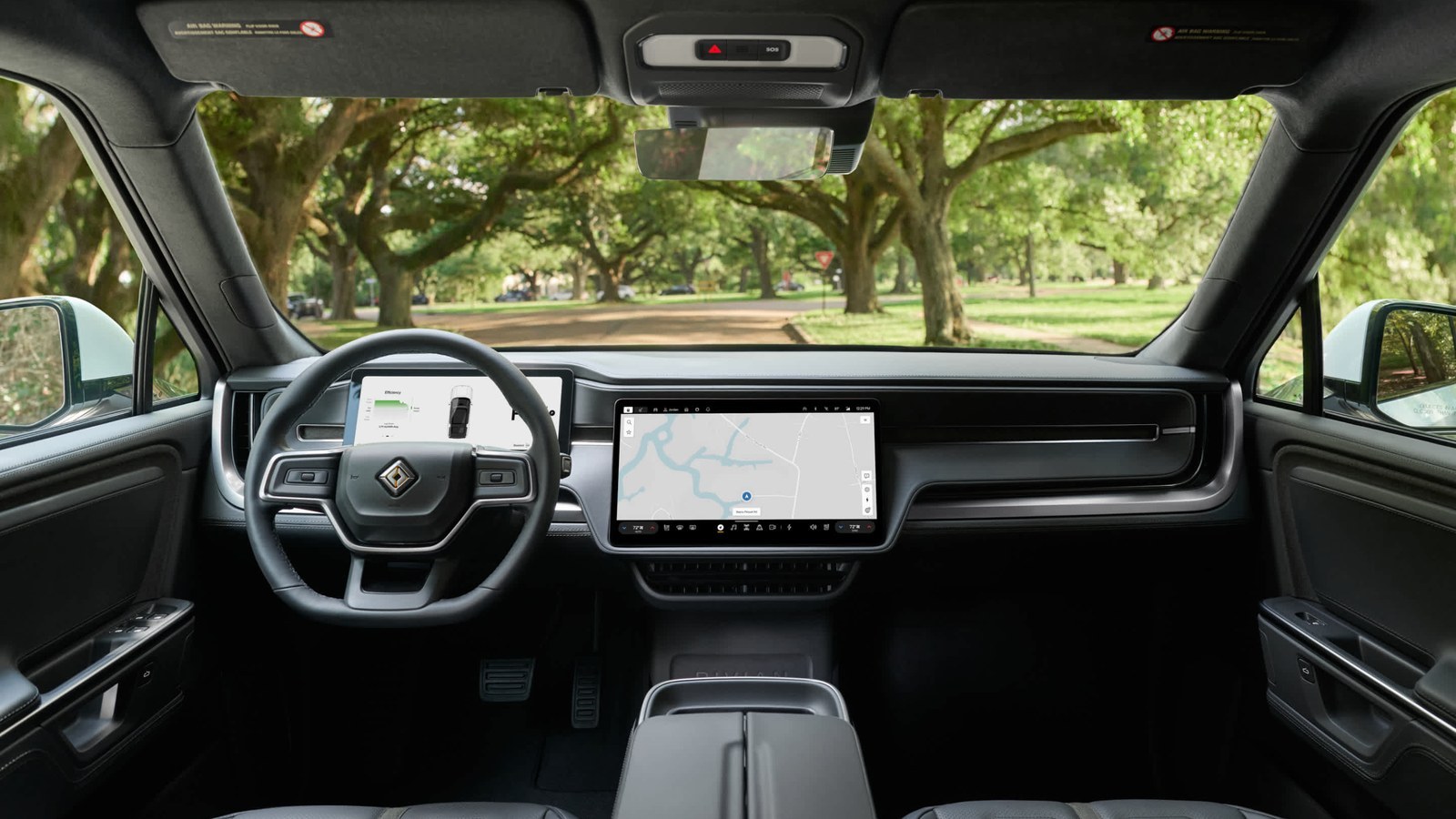
Software is the other half of the story. The annual report now charts recalls remedied partly or fully over the air, broken out by automaker. NHTSA gives no headline share, and I won't invent one. The direction is still clear: when the fix is code, the car downloads it, and the completion problem shrinks to a progress bar. Even the agency's notification ideas lean on the car itself, with startup alerts on the center screen that repeat every seven days on some newer models.
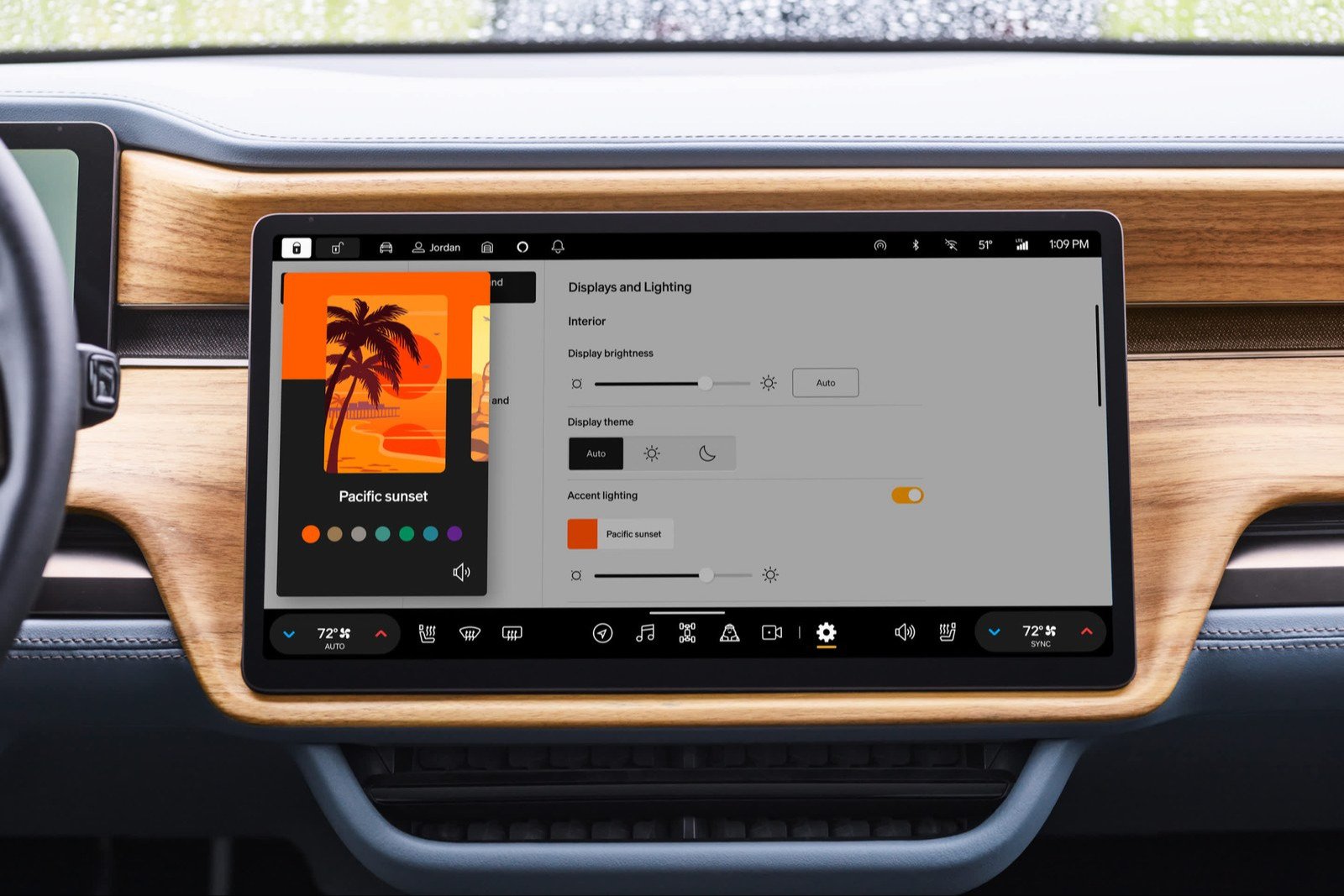
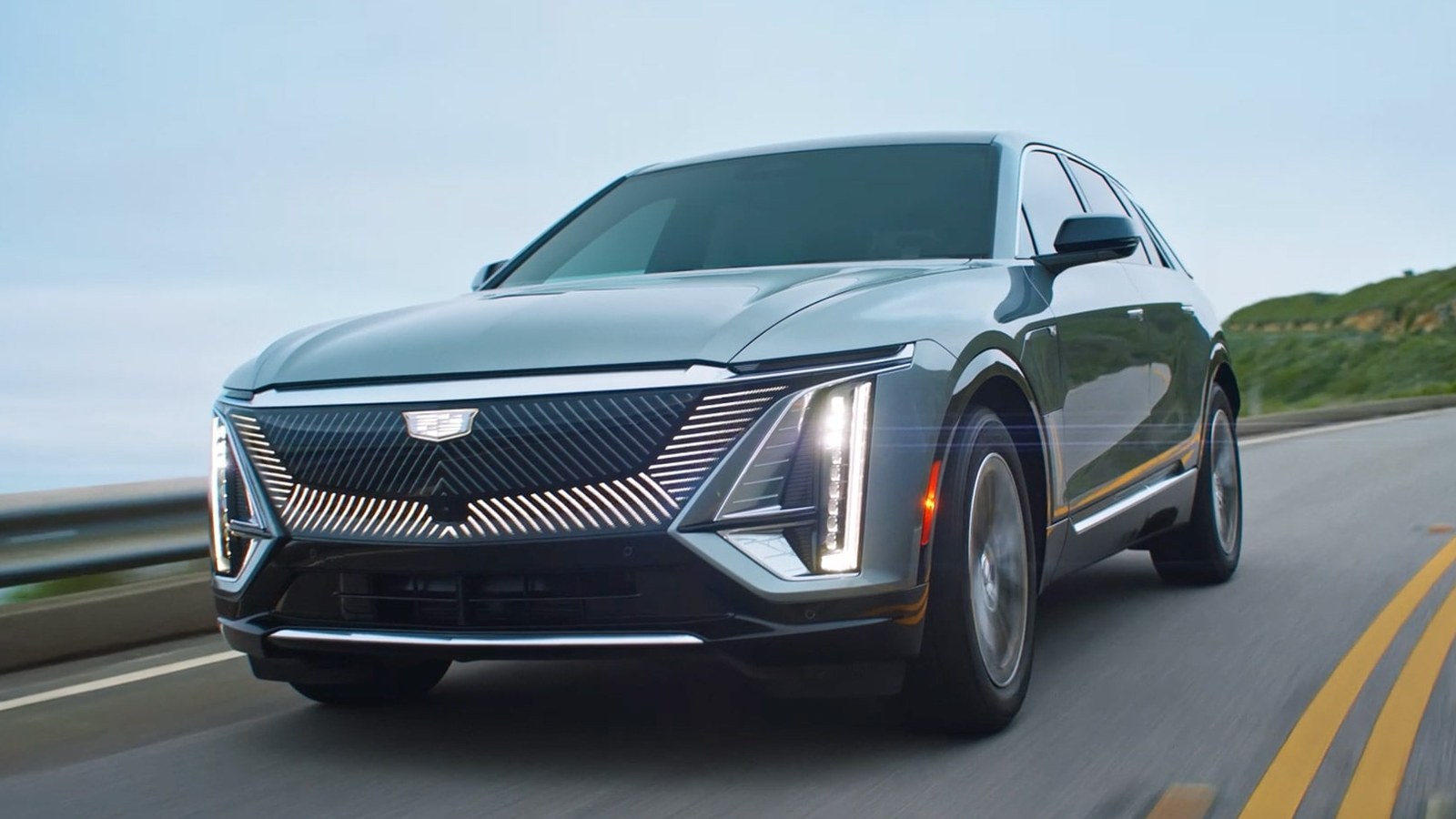
Over-the-air is not a cure. GM's Lyriq brake recall, where the 2024 software remedy didn't hold, shows a downloaded fix can fail like any other. And no update replaces a cracked part or a faulty airbag inflator; Jaguar Land Rover recalling cars before it had a fix is a reminder that hardware recalls still wait on parts and service bays.
So the fleet is dividing. A late-model EV gets patched while its owner sleeps. A 2012 sedan on its fourth owner, registered at an address the automaker has never seen, is where the unrepaired third lives.
The lever other countries pull
The report to Congress lists what works elsewhere. Germany can withdraw a registration over an unresolved recall, and it requires automakers to confirm parts availability before launching a campaign. Australia and Japan imposed temporary registration bans on cars with unrepaired Takata airbags, and Australia reports 99.9% completion on those vehicles. The UK can fine owners £2,500 for driving an unsafe vehicle. Closer to home, California blocks registration renewal over unaddressed emissions recalls, and Maryland bars taxis and rideshare cars with open safety recalls from operating.
NHTSA describes all of this and stops short of recommending it. Its reasoning is fairness: requiring a repair before registration would fall hardest on households with limited transportation options, non-English speakers, and owners of older vehicles, who are more often lower-income. Earlier attempts, a New Jersey bill in 2003 and the federal RECALL Act in 2015, never became law.
What strikes me is the inconsistency. California already refuses to renew a registration over an open emissions recall, which means it has accepted that burden on owners when the issue is the tailpipe. It doesn't apply the same logic to a defect that can injure the driver.
The case against my view
The strongest counterargument is a serious one. A registration block punishes the owner for the automaker's defect and the supply chain's delays. Parts shortages can stretch remedies for months; the report itself lists dealer confusion over part availability as a barrier, and Germany pairs its stick with a parts rule for a reason. Tell a home health aide she can't renew her registration until a part arrives and you haven't made the road safer. You've taken away her way to work, or pushed her to drive unregistered and uninsured.
The soft approach is also improving on its own. Completion on new recalls is at a series high, connected cars fix themselves, and every year the oldest, least-repaired vehicles leave the road. On that reading, notices plus software deliver most of the benefit without the social cost, and attrition does the rest.
I take the fairness point seriously, and I think it argues for designing a block carefully, not for avoiding one. A rule could cover only the highest-risk defects, kick in only once a remedy and parts are confirmed available, come with free towing or mobile repair, and use a grace period rather than an outright refusal at the counter. NHTSA's own recommendations already list loaners, extended hours, and mobile repair. Waiting for old cars to be scrapped is a policy too. It just leaves the risk with whoever drives them, and everyone around them.
What would change my mind
If the states that win these grants report repair rates after notification well above the roughly 21% of the earlier Maryland, California, Texas, and Ohio programs, say above 40%, the soft lever is doing more than I expect. Measuring repairs is a condition of the grant, so that data should surface within a couple of years of the February 4, 2027 deadline.
I'd also concede if NHTSA's next annual recalls reports show completion for older vintages climbing meaningfully with no registration rule anywhere, or if the update to federal owner-notification rules (49 CFR Part 577) that the report says the agency will consider adds texts and email and visibly lifts older-car rates. If instead the older-car gap stays flat while connected-car recalls near full completion, the two-class split is the real story.
My read
NHTSA has diagnosed the problem correctly: old cars and owners who are hard to reach. It has chosen the least forceful tool against it. Connected cars will keep closing the gap at the top of the market, and without a narrowly designed registration requirement for the worst defects, the unrepaired third will settle into the cheapest cars on American roads and stay there.