JLR's Real Recall Problem Isn't the Range Rover Camera. It's Recalling Before the Fix
Land Rover's 93,997-vehicle camera recall is minor. What isn't: half the vehicles JLR recalled in the U.S. this year came with a warning letter instead of a repair.
Contents · 6 parts
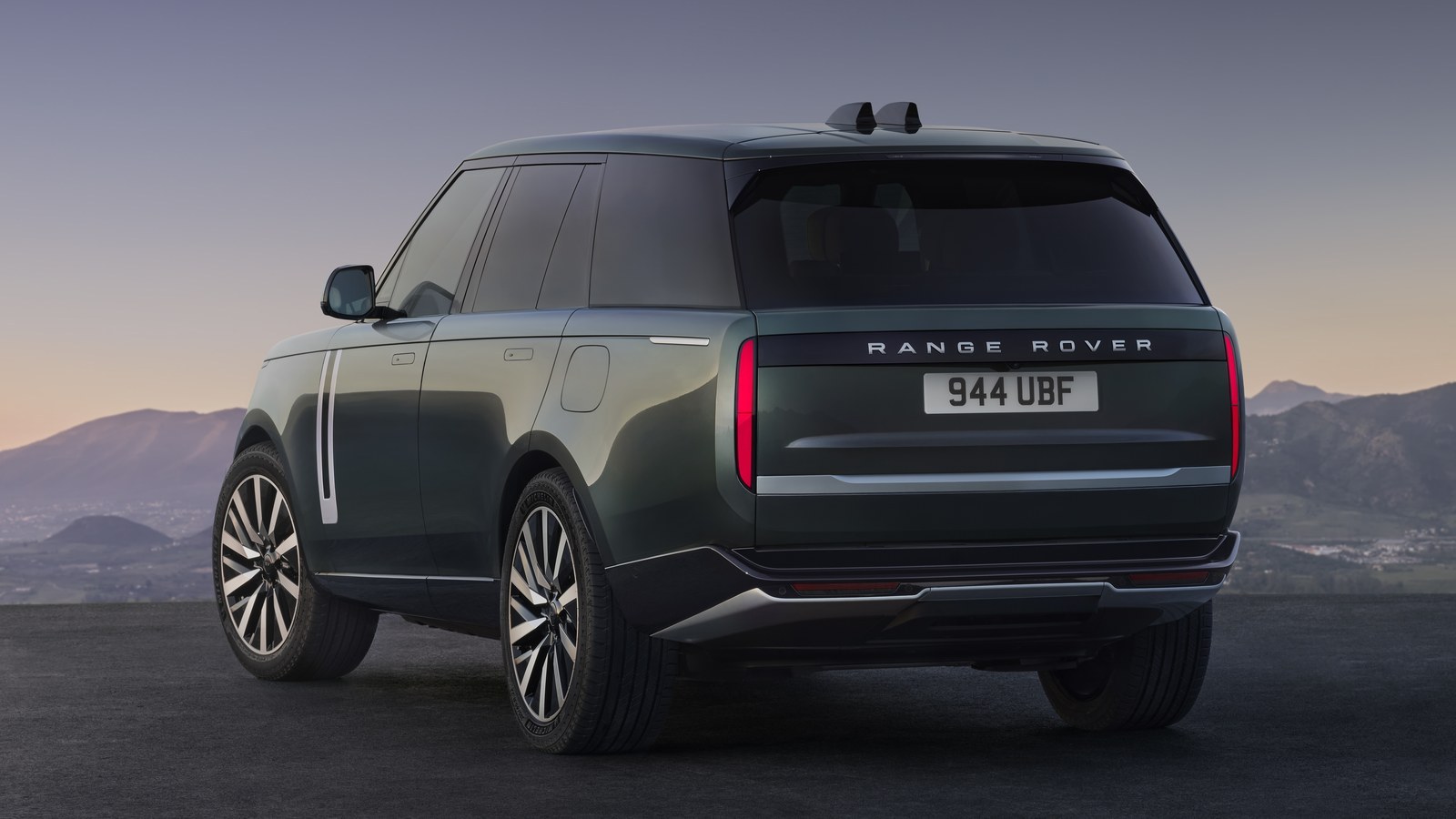
Land Rover is recalling 93,997 Range Rovers in the U.S. because water can't drain away from the rearview camera, and on December 11 owners will get a letter describing a risk the company can't fix yet. On its own, that is a small story: a few extra drain holes, maybe a new camera.
Here's what the headlines miss. This is the seventh JLR recall this year that reached NHTSA before the repair did. By my count of the agency's recall database, those seven campaigns cover 291,566 vehicles, or 52% of everything JLR has recalled in the U.S. in 2026. Across the industry, the same figure is 24%. That gap, not the camera, is the problem JLR has to solve before it asks people to buy an electric Range Rover.
A drill-and-replace fix that still comes with a waiting period
According to NHTSA campaign 26V678, the recall covers 2022–2026 Range Rovers built from July 8, 2021, through June 4, 2026. The report reached the agency on October 15. Too few drain holes let water collect around the rearview camera, which can fail and leave the screen blank when the driver reverses.
The remedy is about as low-tech as recalls get. Dealers will drill additional holes in the underside of the tailgate trim, inspect the camera and replace it if needed. Owners get an interim letter on December 11 and a second one "once the final remedy is available." NHTSA's database lists the recall as manufacturer-initiated.
The odd part is that JLR already knows this fix. In July it filed campaign 26V458 for 15,535 Discovery SUVs from the 2021–2025 model years, with the same defect and the same repair: drill the tailgate trim, check the camera. Discovery owners got letters with a working remedy on September 10.
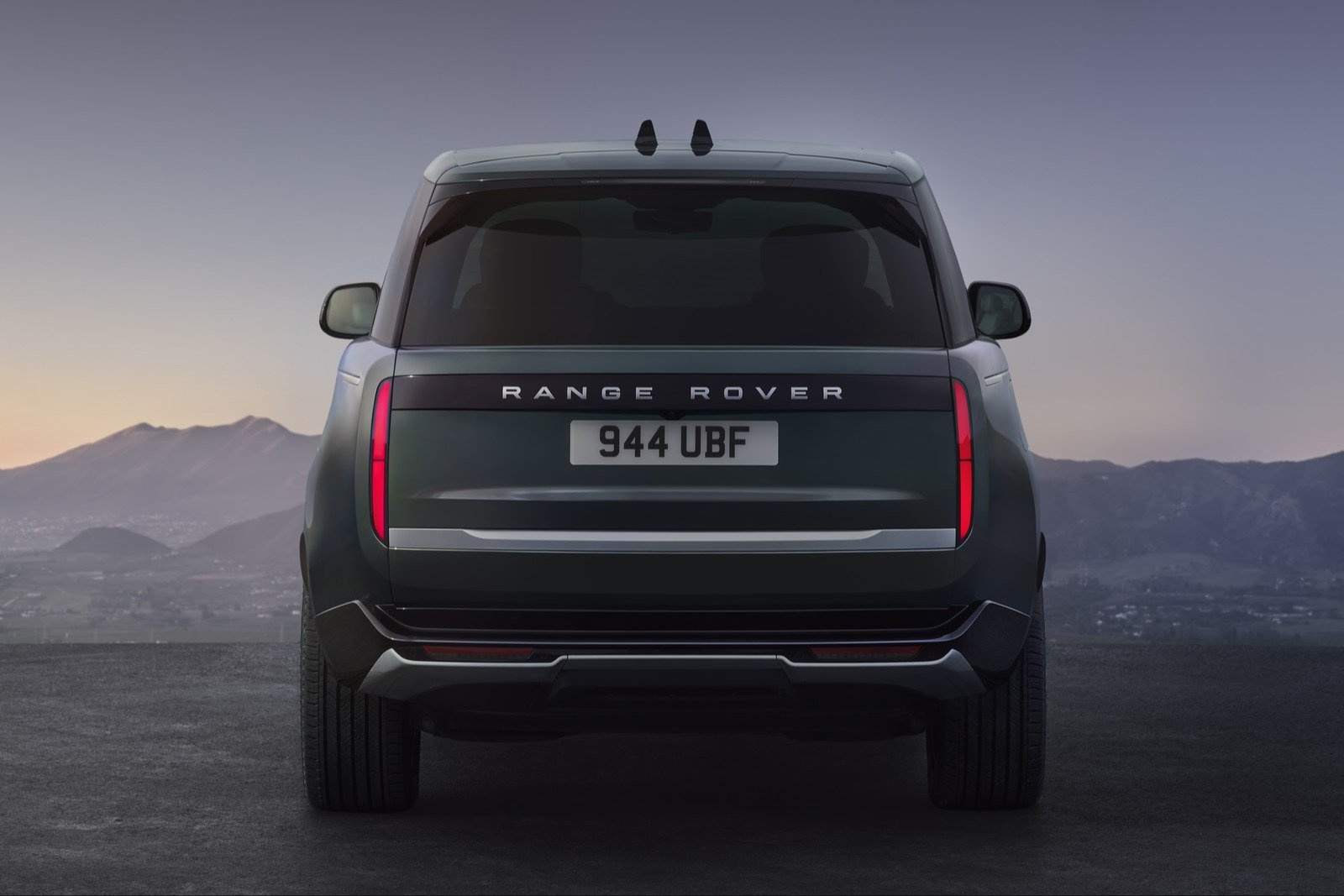
The Range Rover population ends with vehicles built on June 4, 2026, which suggests the line was changed before the Discovery recall was even filed. Why the Range Rover filing waited until October, and why its owners still can't book a repair, the documents don't say. My guess is cameras: the remedy includes replacing damaged units, and this campaign is six times the size of the Discovery one.
Half of JLR's recalled vehicles this year came with an IOU
The camera is not the first time JLR has told owners about a problem before it could fix it. In April it recalled 170,169 mild-hybrid models across nine Land Rover and Jaguar nameplates from the 2019–2024 model years. An overloaded DC-DC converter can stop charging the 12-volt system and, in the worst case, cut drive power and exterior lighting. Interim letters went out June 17. In September a second campaign added 23,677 vehicles with the same converter, again with interim letters, due November 13.
In February, Jaguar told I-Pace owners to park and charge outside and cap the battery at 90% while a final battery remedy is "under development," the same holding pattern Volkswagen chose when it capped the ID.4 at 80%. Three smaller September campaigns, covering a Range Rover Sport rear subframe, Defender rear seat belts and a single Range Rover Sport powertrain module, also arrived with interim letters.
The year looks like this in NHTSA's recall flat file:
| 2023 | 2024 | 2025 | 2026 to date | |
|---|---|---|---|---|
| JLR recall campaigns | 21 | 18 | 10 | 15 |
| Vehicles covered (sum of campaigns) | 85,205 | 122,603 | 191,774 | 558,822 |
| Campaigns influenced by NHTSA's defects office | 1 | 2 | 1 | 3 |
One caveat matters. The 558,822 figure is a sum of campaigns, not a count of different SUVs. A 2023 Range Rover can sit in the airbag, DC-DC and camera recalls at once. For scale, GoodCarBadCar estimates Land Rover sold about 97,000 vehicles in the U.S. in 2025 and roughly 65,600 from January through September 2026. Even after a heavy discount for overlap, this year's campaigns reach back across several years of U.S. sales.
Why this lands harder on the electric Range Rover
JLR opened orders for the Range Rover Electric on September 2. According to the company's launch release, it is built in Solihull on the same architecture as the mild-hybrid, plug-in hybrid and combustion Range Rovers. Same body, same tailgate. In the U.K. it starts at £154,070.
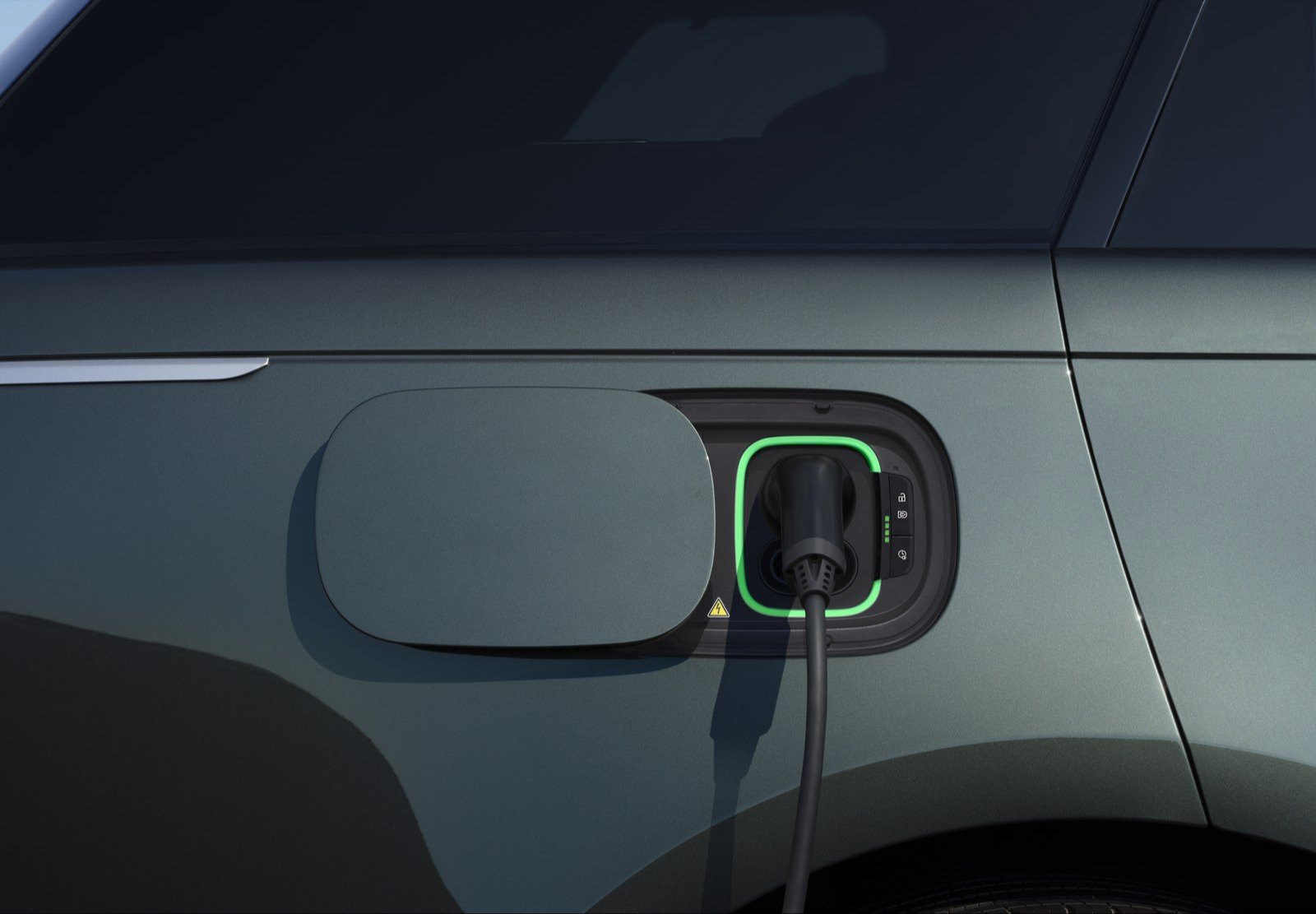
What strikes me is which recalls arrived without fixes. The DC-DC campaigns are about managing electrical load in mild hybrids, and the I-Pace campaign is about a battery. That is precisely the engineering an electric Range Rover lives on. A luxury buyer pays, among other things, for not having to think about the car. A letter that says "we'll tell you when there's a repair" is the opposite of that promise. Mass-market brands do it too; Ford's F-Series speedometer recall sends interim letters this week, with the repair expected in December. But a pickup buyer and a Range Rover buyer are not paying for the same thing.
The case against my view
The strongest objection is that interim letters are a sign of compliance, not sloppiness. Federal rules require a manufacturer to file a defect report within five working days of deciding a defect is safety-related, whether or not parts exist. A company that files early and fixes later may simply be honest. The camera defect is cheap, it doesn't disable the vehicle, and JLR raised it itself. The largest JLR campaign of the year, 250,857 vehicles for corroding airbag connectors, came with a remedy and owner letters on August 3.
I take that seriously, and it's why I don't treat this as a safety scandal. But the five-day rule applies to every automaker, and by the same count the industry still files about three quarters of this year's recalled vehicles with a repair ready. JLR had the camera repair ready for the Discovery in July. And the two DC-DC campaigns, the biggest fix-later recalls of the year, are flagged in NHTSA's data as influenced by the agency's defects office, which is not how a company ahead of its problems looks. A year is a small sample; the pattern is still a pattern.
What would change my mind
If JLR files a final remedy for the camera recall before the December 11 letters go out, or by the end of the first quarter of 2027, the Range Rover delay looks like a parts hiccup rather than a habit. The same goes for the DC-DC campaigns: a final repair notice there, more than six months after the first interim letters, would close the biggest open item.
The bigger test is 2027. If JLR's share of vehicles recalled without a fix falls to roughly the industry's quarter, and the Range Rover Electric gets through its first year in the U.S. without an interim-letter recall, I'll concede that 2026 was a bad year rather than a bad system.
My read
The camera recall is minor; the way JLR handles recalls is not. Half of what it recalled in the U.S. this year came with a promise instead of a repair, twice the industry rate, and some of it in exactly the electrical systems its EVs depend on. My bet is that residual values on recent Range Rovers will tell this story before JLR does, unless the final fixes arrive soon.