VW Will Cap Your ID.4's Range by Default Unless You Opt Out
Capping a battery Volkswagen can't yet fix is defensible. Applying that cap remotely, by default, with days to refuse sets a precedent owners shouldn't accept.
Contents · 6 parts
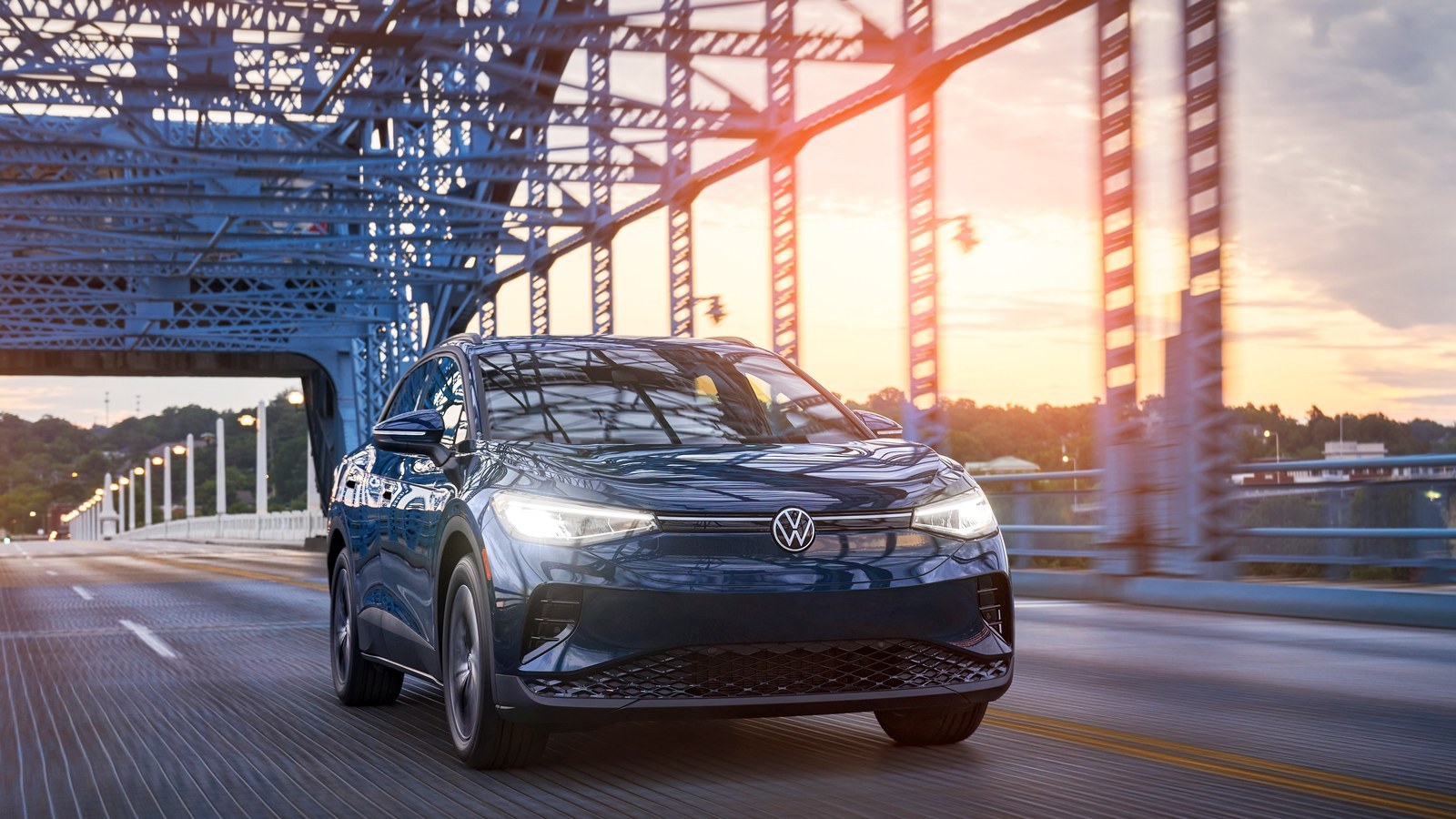
Volkswagen is recalling 22,524 ID.4 crossovers in the U.S. because certain batteries charged above 80% can overheat, and the company has told regulators it still doesn't know why. Until it finds a repair, the answer is a ceiling: no charging past 80%.
Here's what the headlines miss. The ceiling is defensible. The way it arrives isn't. According to the notice owners are getting in the myVW app, as reported by InsideEVs, Volkswagen will apply the limit remotely to connected cars unless the owner opts out by October 21. In my view, that turns a safety advisory into a precedent: the automaker decides, by default, how much of a battery you paid for you get to use, and you get a few days to object.
What Volkswagen filed with NHTSA, and what it left out
The Part 573 safety recall report, submitted October 1, covers 2023–2026 ID.4s built between January 1, 2023, and February 1, 2025, with high-voltage batteries from SK Battery America in Commerce, Georgia. Volkswagen estimates that 0.1% of those vehicles have the defect. It counts 22 claims in the U.S. between January 18, 2024, and August 7, 2026. The filing calls them claims and doesn't say how many involved an actual fire.
The defect description opens with an admission: the root cause is unknown. Certain charging profiles combined with a state of charge above 80% may trigger thermal propagation inside the pack. Volkswagen's product safety committee ordered a field study in June, reviewed the results on September 21 and decided to recall on September 23. The final remedy is still under development, and interim owner letters are due November 27.
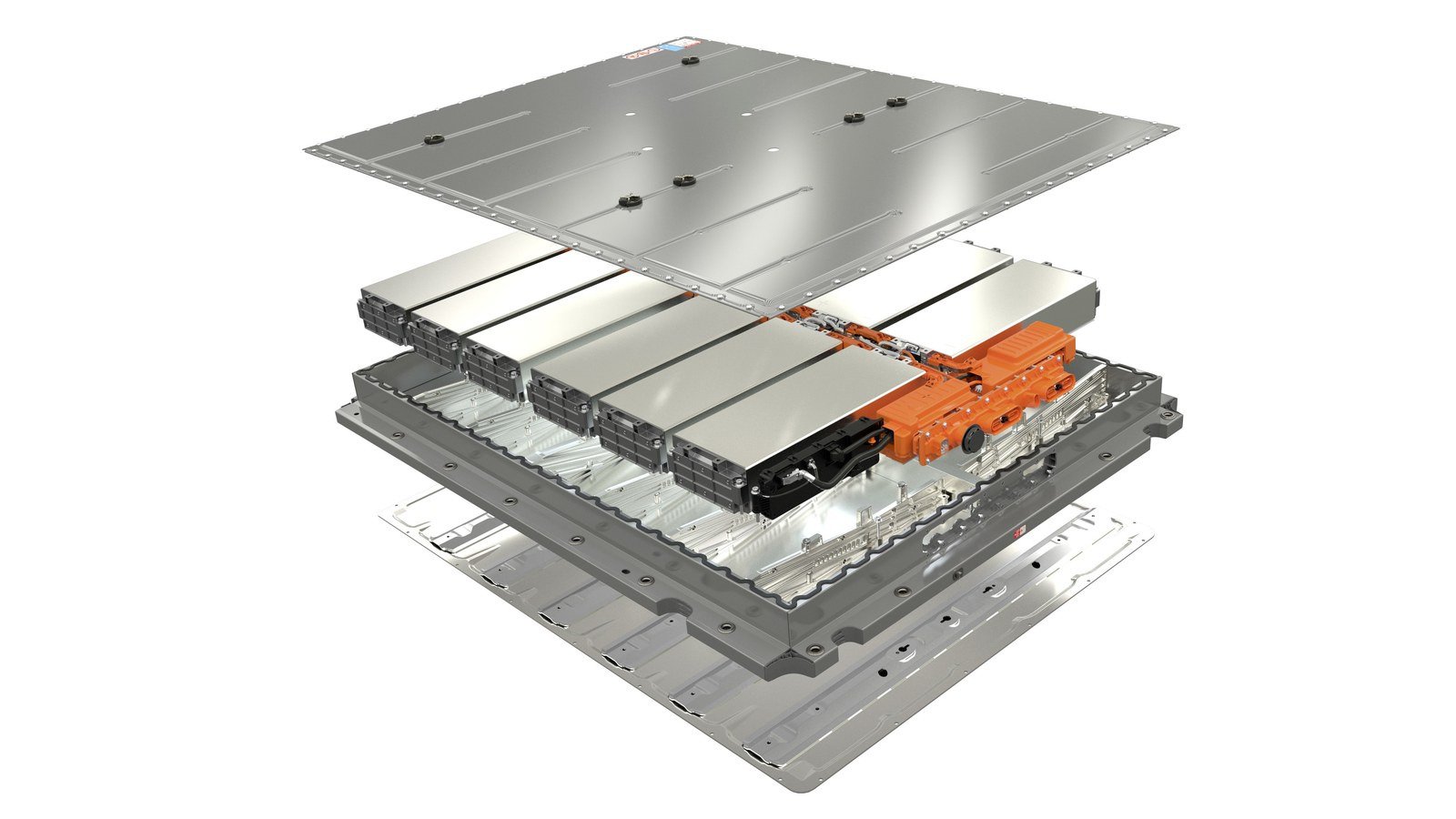
Now look at how the filing describes the remote limit. Every owner gets a warning sticker. Depending on configuration and connectivity, the report says, some vehicles may be set to stop at 80%. That is the whole description. The federal record says nothing about the limit being switched on by default or about an opt-out window, and NHTSA's public summary simply advises owners to charge to 80%. The default-on decision lives in an app notification, not in the document the regulator holds.
Volkswagen already knows how you charge
The most revealing passage in the report isn't about chemistry. It explains how Volkswagen decided which cars to recall: assembly records, battery traceability, supplier production records and available vehicle charging data. A car was left out if its cells came from outside the suspect production range, or if Volkswagen had recent, complete data showing its charging stayed below a defined threshold.
So the company can already see, car by car, how owners charge, and it used that view to shrink the recall. That's good engineering. It also means a narrower cap was possible: limit the cars whose history looks like the risky profile and ask everyone else. What strikes me is that Volkswagen chose a blanket default instead and handed owners the job of saying no.
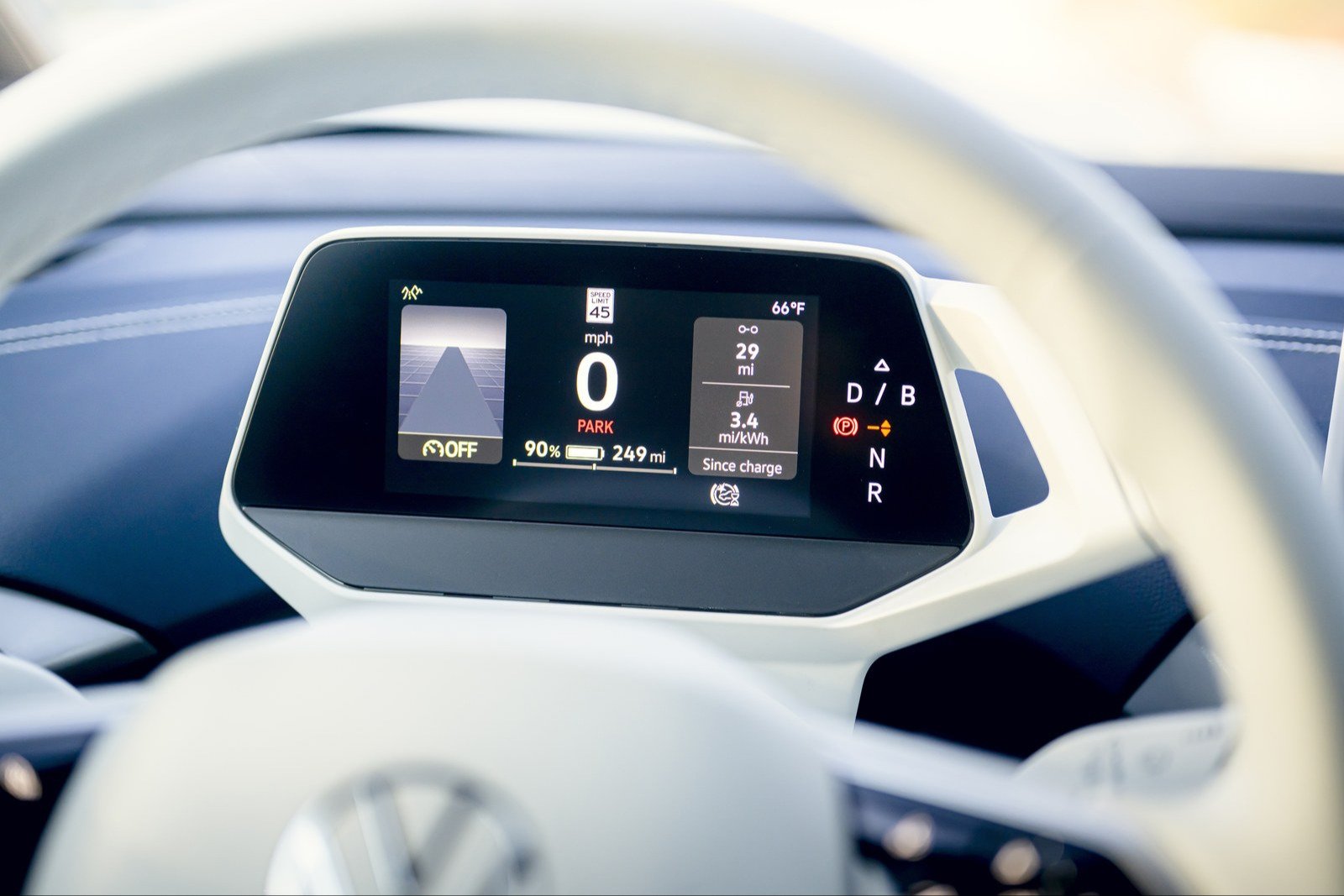
The cost is not abstract. EPA rates the 2025 ID.4 AWD Pro at 263 miles and the rear-drive Pro at 291. At 80%, that's roughly 210 and 233 miles, before cold weather takes its share, and the cap lands just as winter does. The base ID.4 with the smaller battery, rated at 206 miles, drops to about 165.
Six years ago, GM sent Bolt owners to a dealer
This isn't the first EV recall built around a charge cap. When Chevrolet Bolt batteries came under suspicion in 2020, GM's interim remedy, set out in its own Part 573 report, was software that limited a full charge to 90%. Dealers installed it. Until then, owners were told to set a 90% limit themselves on the infotainment screen, and to park outside if they couldn't or didn't want to.
| Chevrolet Bolt, 2020 (20V701) | VW ID.4, 2026 (26V630) | |
|---|---|---|
| Vehicles potentially involved | 50,932 | 22,524 |
| Estimated share with defect | 1% | 0.1% |
| Interim charge cap | 90% | 80% |
| How the cap is applied | Dealer reprograms the car | Remotely, on by default unless the owner opts out (per VW's app notice) |
| Final remedy at filing | Owner notices planned for April–May 2021 | Repair not yet identified |
Volkswagen's recall is smaller and its estimated defect rate is a tenth of GM's. Its cap is tighter anyway, and its process is more automatic. Both filings decline a reimbursement plan for the same reason: the cars are still under warranty. That clause covers repair bills owners paid before a recall, not lost range, so it shouldn't be read as an answer on compensation. Nothing I've seen from Volkswagen addresses compensation for the miles owners give up.
The case against my view
The strongest argument for Volkswagen is simple. Twenty-two claims across 22,524 cars lines up almost exactly with the company's 0.1% estimate, and heat spreading through a battery pack is not a risk anyone should negotiate over. A default protects the owner who never opens the app, never reads the letter and keeps charging to 100% in an attached garage. An opt-in cap protects only the attentive.
The alternatives are worse. Hyundai is telling owners of nearly 95,000 Genesis sedans with a fire risk and no repair to park outside. A range haircut beats that, and a remote cap is faster than any dealer campaign.
I agree with most of this. Where I part ways is the precedent. A safety default is fair only if it is narrow, temporary and accountable. Volkswagen has no repair date, so temporary has no end point. The default isn't described in the federal filing, so it isn't accountable the way the recall itself is. And it isn't narrow, even though the company holds data that could make it so. Once owners accept that a manufacturer can reduce a sold car's capability while it hunts for a supplier's defect, the next temporary limit gets easier, whether on power, fast-charging speed or anything else software controls.
What would change my mind
If Volkswagen amends its NHTSA filing to describe the remote cap and the opt-out, with an end date tied to the final remedy, the process becomes accountable and most of my objection falls away.
If the November 27 owner letters bring a repair timeline or an offer for lost range, the temporary part becomes real.
If Volkswagen narrows the automatic cap to cars whose charging data matches the risky profile, it would be using the data it already has in the owner's favor.
And if Volkswagen or NHTSA shows that the 22 claims include fires in cars whose owners ignored a voluntary 80% advisory, the case for an automatic default becomes stronger than mine.
My read
Volkswagen is right to limit these batteries and wrong to make the limit something owners have to refuse. It can already see how each car charges, yet it chose a blanket default with no end date and no mention in its federal filing. Unless regulators start asking for consent in writing, I expect this to become the template for unexplained battery defects. If you own a 2023–2025 ID.4, check your VIN at NHTSA and make the call yourself before the opt-out window closes.