Ford's F-Series Speedometer Recall Took 20 Months. The Fix Takes Two More.
The first complaint about stuck F-Series speedometers reached Ford in January 2025. The recall came 20 months later, and the fix won't arrive before December.
Contents · 7 parts
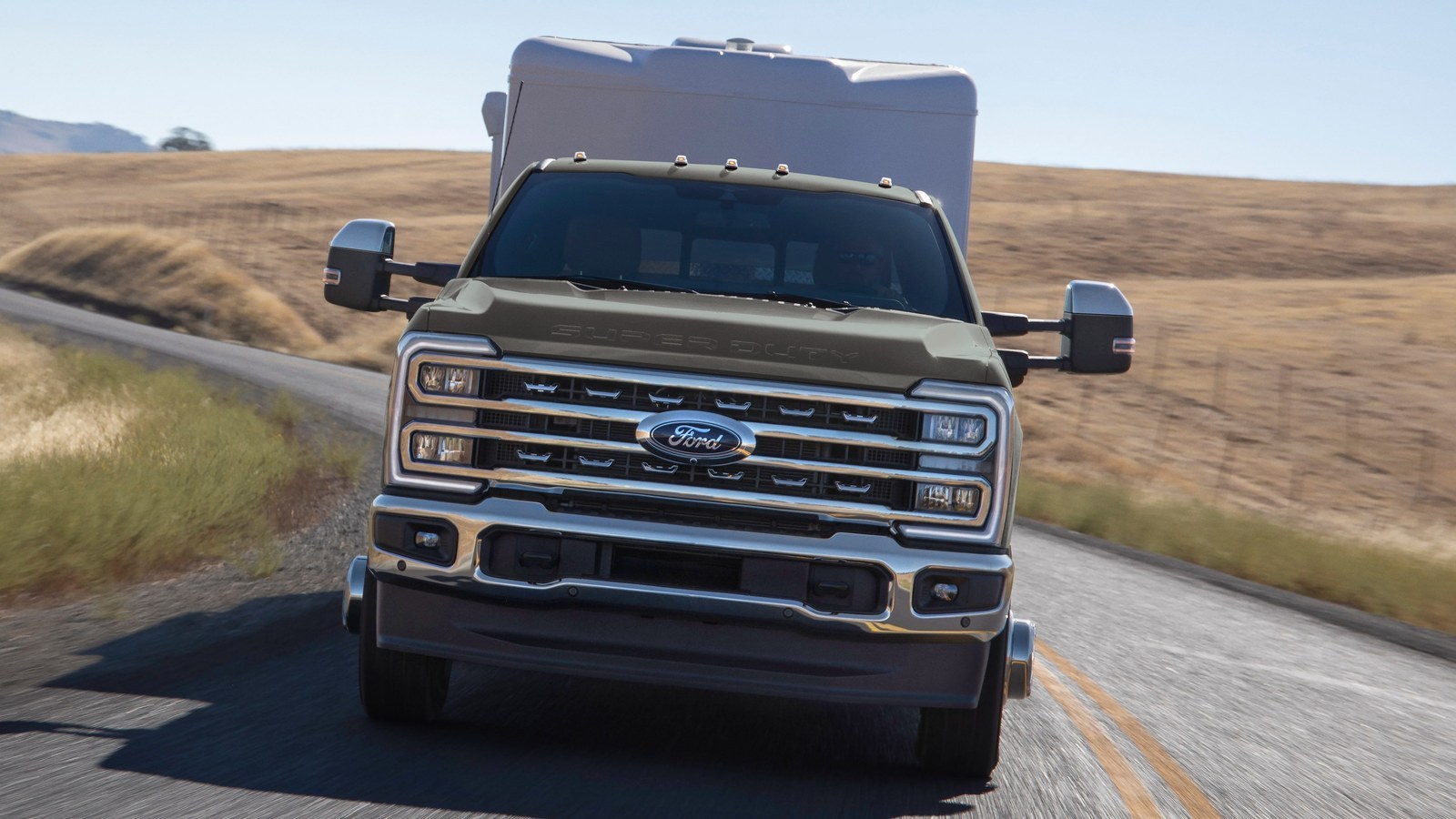
Ford is recalling 102,159 F-Series trucks because the needles on their analog speedometers and tachometers can freeze or jump around. Owners will get a warning letter starting October 26. The actual fix, a new instrument cluster, isn't expected until December.
The headlines treat this as one more line in Ford's long recall list. I think the more useful story is in Ford's own filing. The first complaint about these gauges reached Ford on January 29, 2025. The recall was filed on October 6, 2026. That's 20 months, and the same supplier was behind a cluster recall that Ford closed in seven.
What Ford told NHTSA about the stuck needles
According to the NHTSA record for campaign 26V653, the recall covers certain 2025–2026 F-250, F-350, F-450, F-550, and F-600 Super Duty trucks, 2026 F-150s, and a single 2026 F-750. These trucks have an analog gauge cluster whose needles can stick or swing erratically. NHTSA treats it as a failure to meet FMVSS 101, the federal standard for controls and displays.
Ford's Part 573 safety recall report adds the details the news coverage skipped. The part is an analog cluster module from Visteon, made at its plant in Chihuahua, Mexico. Ford blames "supplier process deficiencies" and says tool maintenance at the supplier on January 15, 2026, resolved them, although the exact cause is still not fully understood. As of September 16, Ford had 18 warranty claims and 93 field reports tied to 79 trucks. It estimates that about 1% of the recalled population is defective and says it knows of no crashes, fires, or injuries.
Of the 102,159 trucks, 91,588 are Super Duty models built between December 14, 2024, and April 17, 2026. Another 10,570 are 2026 F-150s built between August 22, 2025, and May 12, 2026. Ford says the trucks weren't built in VIN order, so a VIN lookup is the only reliable check.
Same supplier, same week, very different speed
In August 2025, Ford recalled 355,656 Super Duty and F-150 trucks because the digital cluster could go blank at startup. That Part 573 filing for recall 25V540 names the same Tier 1 supplier, Visteon. Its first warranty claim arrived on January 30, 2025, one day after the first report behind today's recall.
Both problems surfaced in the same week, from the same supplier, in the same truck lines. Here is how differently they played out.
| 25V540 (blank screen) | 26V653 (stuck needles) | |
|---|---|---|
| First complaint to Ford | Jan. 30, 2025 | Jan. 29, 2025 |
| Recall filed with NHTSA | Aug. 22, 2025 | Oct. 6, 2026 |
| Months to recall | about 7 | about 20 |
| Trucks covered | 355,656 | 102,159 |
| Share Ford expects to fail | 100% | 1% |
| Remedy | Software update, dealer or over the air | New cluster, letters Dec. 7–11, 2026 |
The defects aren't the same. The 2025 fault was a software memory error, and Ford could push a fix over the air. The new one is physical. A software patch can't free a stuck needle, and a hardware recall needs parts that take time to build and ship. That explains part of the gap. It doesn't explain why the issue reached Ford's Critical Concern Review Group only on May 28, 2026, sixteen months after the first complaint and more than four months after the supplier had already changed its tooling.
The production dates tell the real story
Read the dates in Ford's filing in order. The supplier fixed its process on January 15, 2026. The affected Super Duty trucks were built until April 17, and the F-150s until May 12. My read is that clusters made before the tooling fix kept going into new trucks for another three to four months. Ford's report doesn't say that outright, but the production windows leave little other explanation.
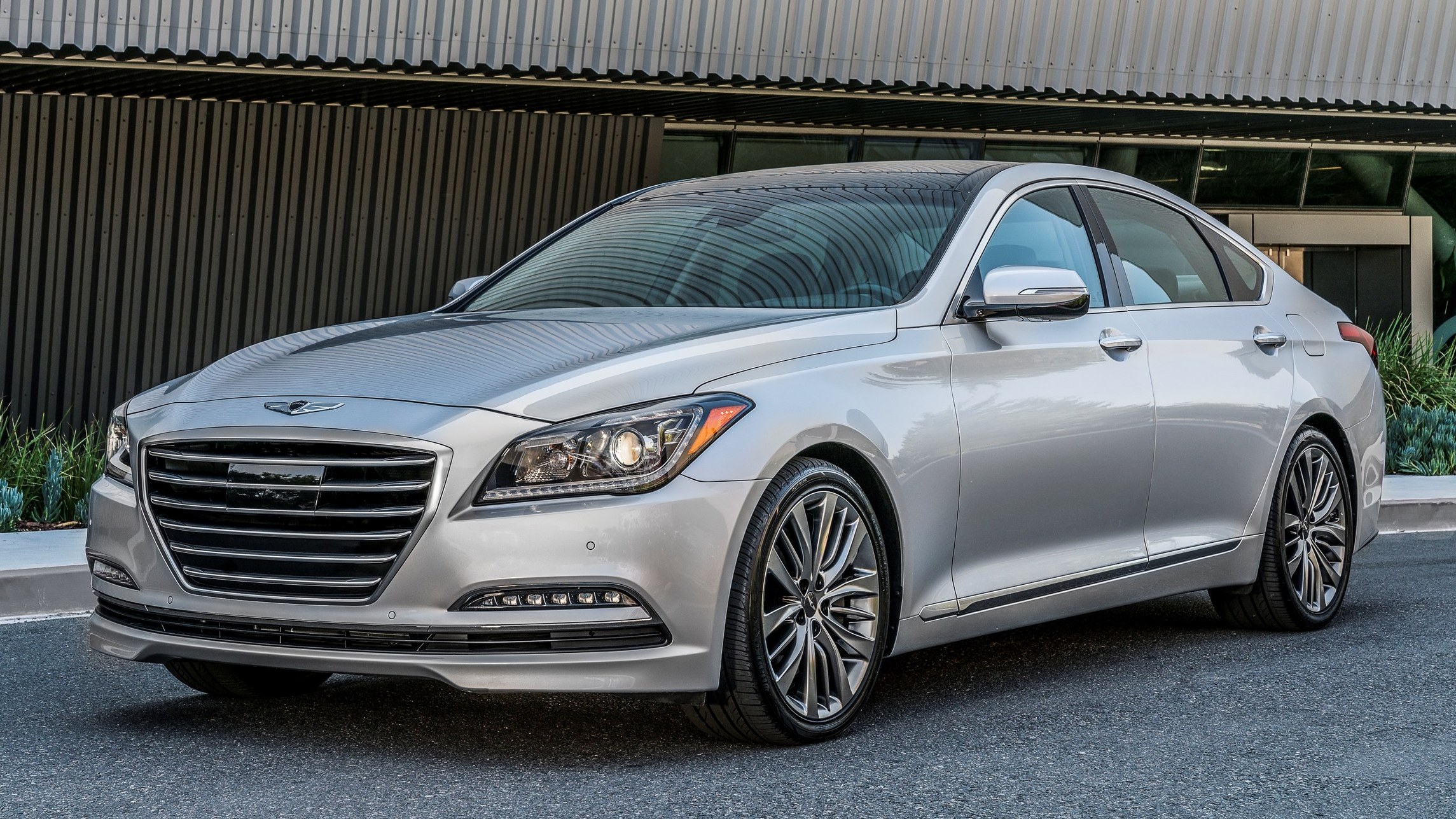
That matters for buyers. A truck bought this spring could carry a part the supplier had stopped making the old way months earlier. Its owner hears about it in late October and gets the repair in December at the earliest. Long gaps between the first warning and the fix aren't unique to Ford; the Genesis G80 seat recall followed a similar arc this month.
It also fits a pattern in Ford's cluster repairs. In June 2026, Ford recalled 4,445 2017 F-150s that had been repaired incorrectly under a cluster recall from 2017. Their cluster can lose power after a cold start, which can leave the gear indicator dark. That fix took nine years to get right.
Fewer Ford recalls this year, but bigger ones
The figure circulating today, roughly 80 Ford recalls in 2026, holds up. By my count of NHTSA's public recall data file, Ford filed 78 vehicle recalls between January 1 and October 6, 2026. The same file shows 147 vehicle recalls in 2025, the year Automotive World and others called a record at 153 campaigns once equipment recalls are counted.
The count is falling. The scale isn't. Adding up the vehicles named in each 2026 filing gives about 14.2 million, already above the 12.9 million for all of 2025. Some vehicles appear in more than one campaign, so that sum overstates the number of individual trucks and cars. The direction still holds: Ford is filing fewer recalls this year, and they are larger.
The F-Series is where that hurts most. Ford sold 203,707 F-Series trucks in the third quarter alone, according to its quarterly sales figures as reported by autoevolution. In a program that size, every month of delay leaves more trucks on the road with a part nobody trusts.
The case against my view
The strongest objection is that I'm connecting things that aren't connected. Ford's filing lists no related recall number. The 2025 fault was software; this one is mechanical. The 2017 case was a botched repair, not a new factory part. Three different failures don't make one problem.
There's more. Only about 1% of these trucks are expected to fail, there are no reported crashes, and Ford concluded the trucks technically meet the speedometer requirements of FMVSS 101. It took the issue to NHTSA anyway, because stuck needles may not meet the intent of the rule, and the agency agreed. Under Jim Farley, who has called Ford's quality problems self-inflicted, according to Automotive World, the company has been recalling earlier and more often. On that reading, a high recall count is evidence that the system works.
I accept most of that. I'm not claiming one root cause. My point is narrower: the same supplier delivered two cluster problems to the same trucks in the same month, and Ford's process caught the software fault in seven months and the hardware fault in twenty. A company that recalls early doesn't need sixteen months to put stuck speedometers in front of its own review group. And 79 trucks with reports is a small number, but the speedometer is the one gauge every driver relies on to stay legal.
What would change my mind
If Ford or Visteon shows that the early 2025 reports were too vague to point to the cluster until this spring, the delay looks more like a hard diagnosis than a slow process. I'd also want to see the remedy letters go out on schedule, December 7 to 11, with parts at dealers the same month.
The bigger test is the first half of 2027. If no new F-Series cluster recall appears by the end of next June and Ford's recall count keeps falling, the quality push is working and this case was a leftover from the old system. Another Visteon cluster campaign on these trucks before then would point the other way.
My read
This isn't a crash story, and owners shouldn't panic. It's a timing story. Ford had reports of stuck needles for 20 months before it filed, the supplier changed its process months before anyone told owners, and the fix lands almost two years after the first complaint. Until Ford can move a hardware defect as fast as a software one, its falling recall count says less about quality than it seems to.