GM Already Fixed This Brake Bug Once. That's the Real Problem With Its 67,000-EV Recall
GM's 67,380-EV brake recall repeats a 2024 fix that didn't hold. Over-the-air updates make recalls cheap, and I think that makes them too easy to call finished.
Contents · 6 parts
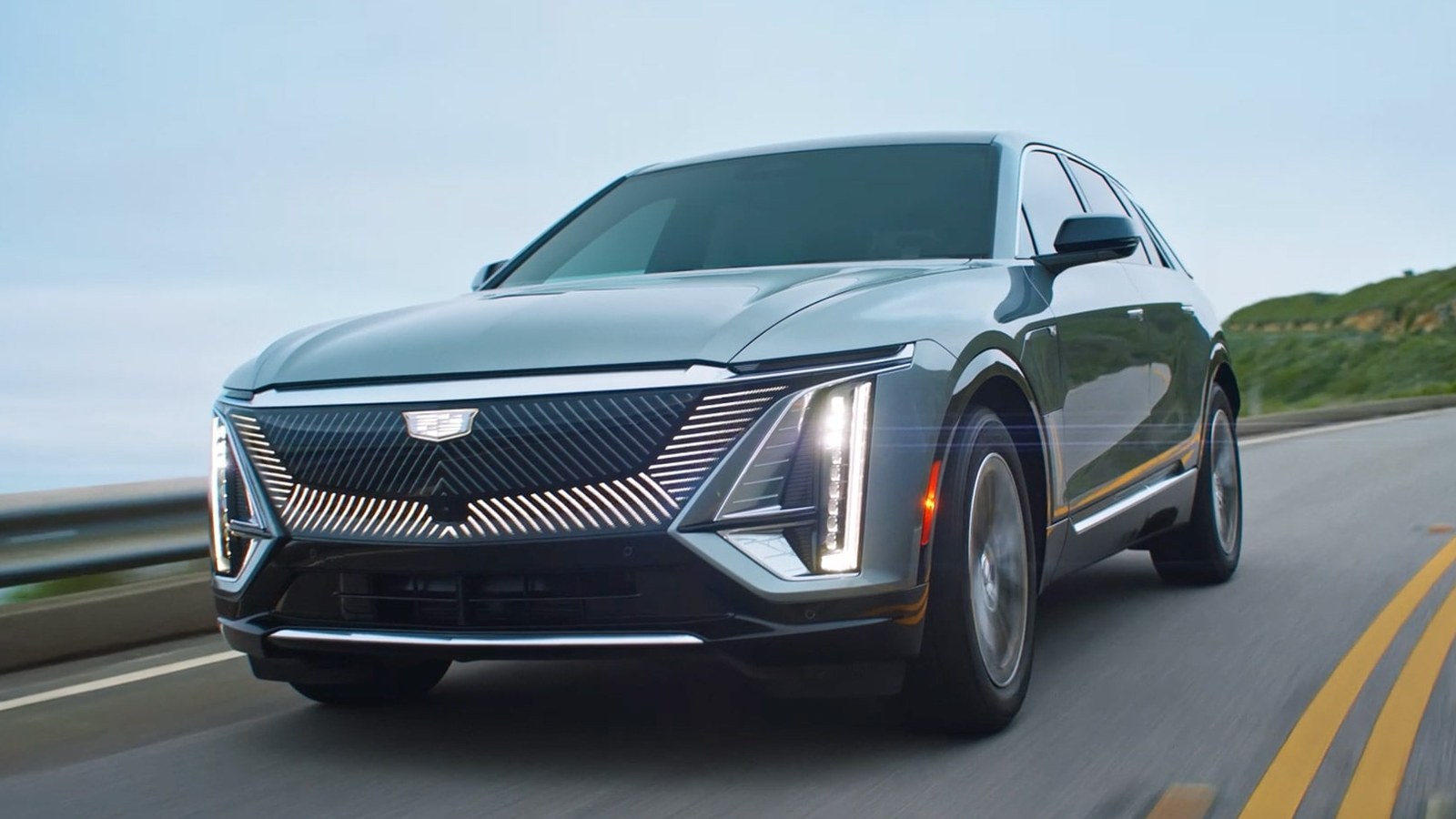
General Motors is recalling 67,380 electric SUVs because a software flaw in the brake control module can briefly cut braking at low speed. The sentence in the filing I can't get past is a different one: the Cadillac Lyriq that triggered this recall had already received GM's fix for the same kind of failure in 2024.
Here's what the headlines miss. This isn't a new-bug story. It's a story about what a recall is worth when the remedy is a download. Over-the-air updates have made recalls cheap to run, and in my view that has made them too easy to declare finished.
A Lyriq with the 2024 fix still hit a garage
GM's Part 573 safety recall report, filed with NHTSA on October 29 as recall 26V717, covers 2023–2027 Lyriq and 2024–2027 Blazer EV SS and PPV models with Performance All-Wheel Drive (RPO X0E), plus the 2025–2026 Celestiq and 2026–2027 Vistiq. GM estimates the defect is present in all of them. The trigger is narrow: light braking at low speed in a sharp turn, then a bump or dip, such as the end of a driveway. The brakes release and reapply for a moment, the software misreads wheel slip, and braking can drop out. Normal braking returns on the next press of the pedal.
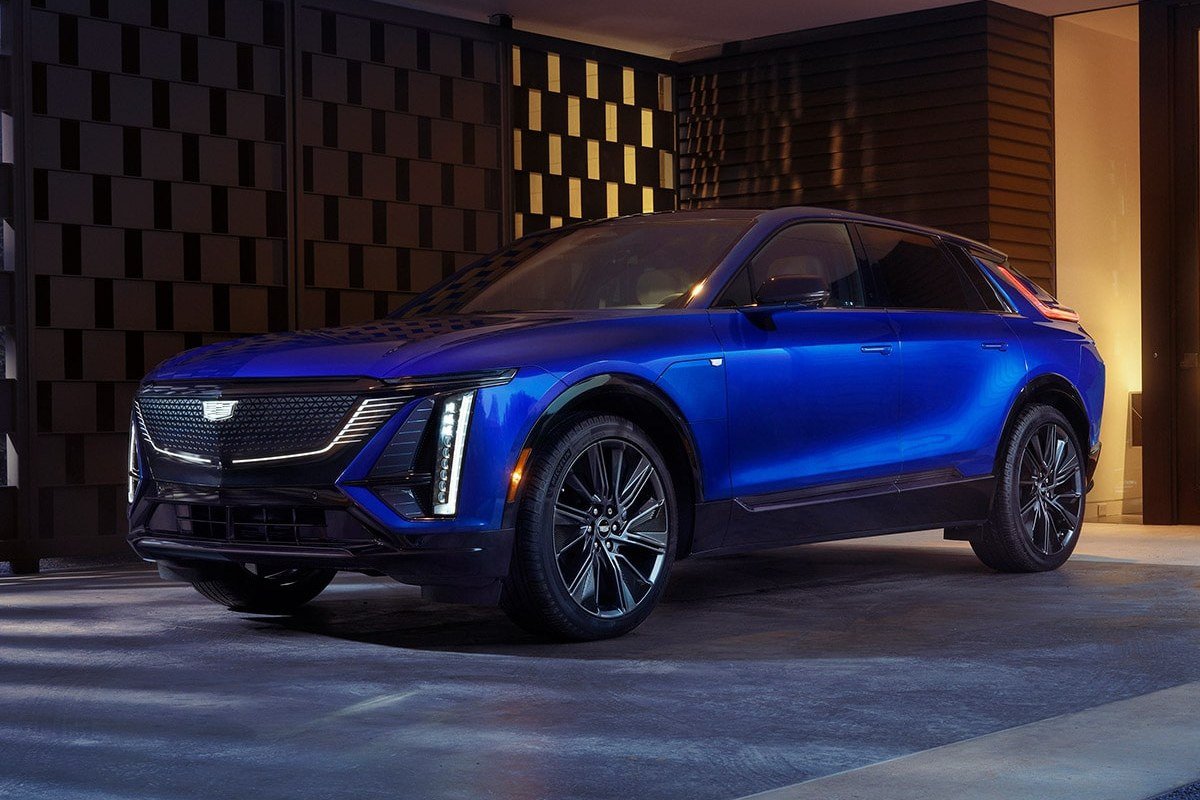
The chronology is what matters. On April 10, 2026, a GM technical expert filed an internal Speak Up for Safety report on a 2024 Lyriq that struck a garage at low speed. That car was built with the software GM shipped as the remedy for recall 24V589 two years earlier. GM now concedes in the filing that this particular set of conditions, tied to some pAWD setups, was never covered by that remedy.
The 2024 recall was sized as a 1% problem
In August 2024, GM recalled 21,469 Lyriq AWD models from the 2023 and 2024 model years for an overly sensitive anti-lock system that could keep releasing brake pressure below 25 mph on dry pavement. It estimated that 1% of those cars had the defect. It cited two minor crashes and one other complaint, and said its review turned up no additional reports. The update went out over the air, and owner letters were mailed on September 3, 2024. The same software part number, 85790899, appears in both filings.
Put the two campaigns side by side, and the first one looks less like a fix than a first draft.
| Recall 24V589 (2024) | Recall 26V717 (2026) | |
|---|---|---|
| Filed with NHTSA | Aug. 8, 2024 | Oct. 29, 2026 |
| Vehicles covered | 21,469 | 67,380 |
| GM's estimated defect rate | 1% | 100% |
| Complaints cited | 3, incl. 2 minor crashes | 24, incl. 20 minor crashes |
| Models | Lyriq | Lyriq, Vistiq, Celestiq, Blazer EV |
| Owner letters | Sept. 3, 2024 | Dec. 14, 2026 (planned) |
One detail deserves more attention than it has received. The 24 complaints GM now ties to the condition, including two claims of minor injuries, were received between February 28, 2024, and June 11, 2026. That window opens more than five months before the first recall was filed. I'm not claiming GM sat on a known second defect, and the filing doesn't say which complaints were reclassified. What it does show is that the data behind the 2024 decision was thinner than the problem.
Cheap recalls change the incentive
In my view, the economics are the point. A dealer campaign means parts, labor hours, and loaner cars, which forces a manufacturer to get the diagnosis right the first time. An over-the-air push mostly costs engineering time. When the remedy is that cheap, the pressure quietly shifts from curing a defect to closing a campaign.
The production timeline fits that reading. After the 2024 recall, GM said containment began at the assembly plant on August 2, 2024. Yet the new filing says corrected software reached Blazer EV production only on August 8, 2026, Lyriq production on September 7, and Vistiq production on October 21. For the Lyriq, that is five months after the internal report and three weeks after GM formally opened its investigation on August 18. In between, the cars kept rolling off the line with the suspect software.
The campaign also grew with GM's lineup. The Lyriq accounts for 44,585 of the recalled vehicles. The Vistiq, which wasn't in production when the first recall was filed, adds 18,802. The Blazer EV adds 3,911 and the Celestiq 82. A defect GM once sized at about 215 cars, by its own 1% estimate, is now a 67,380-vehicle recall across four nameplates.
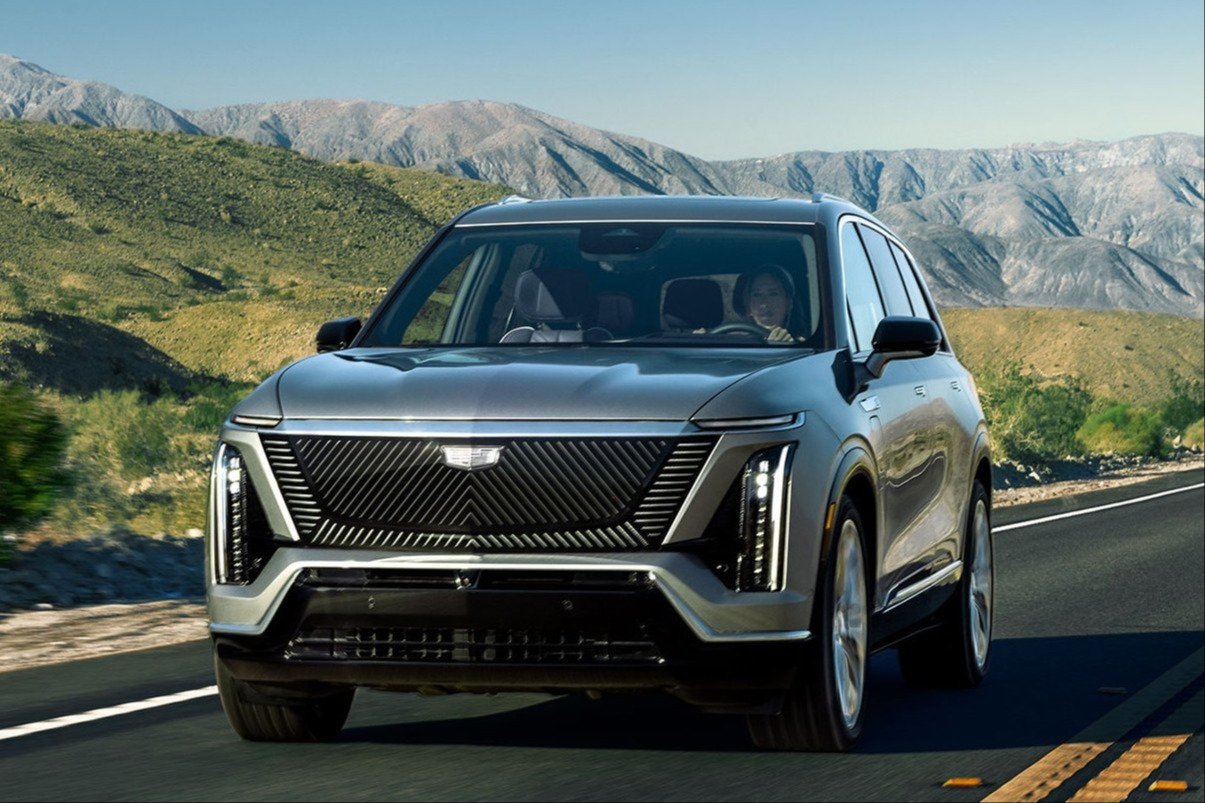
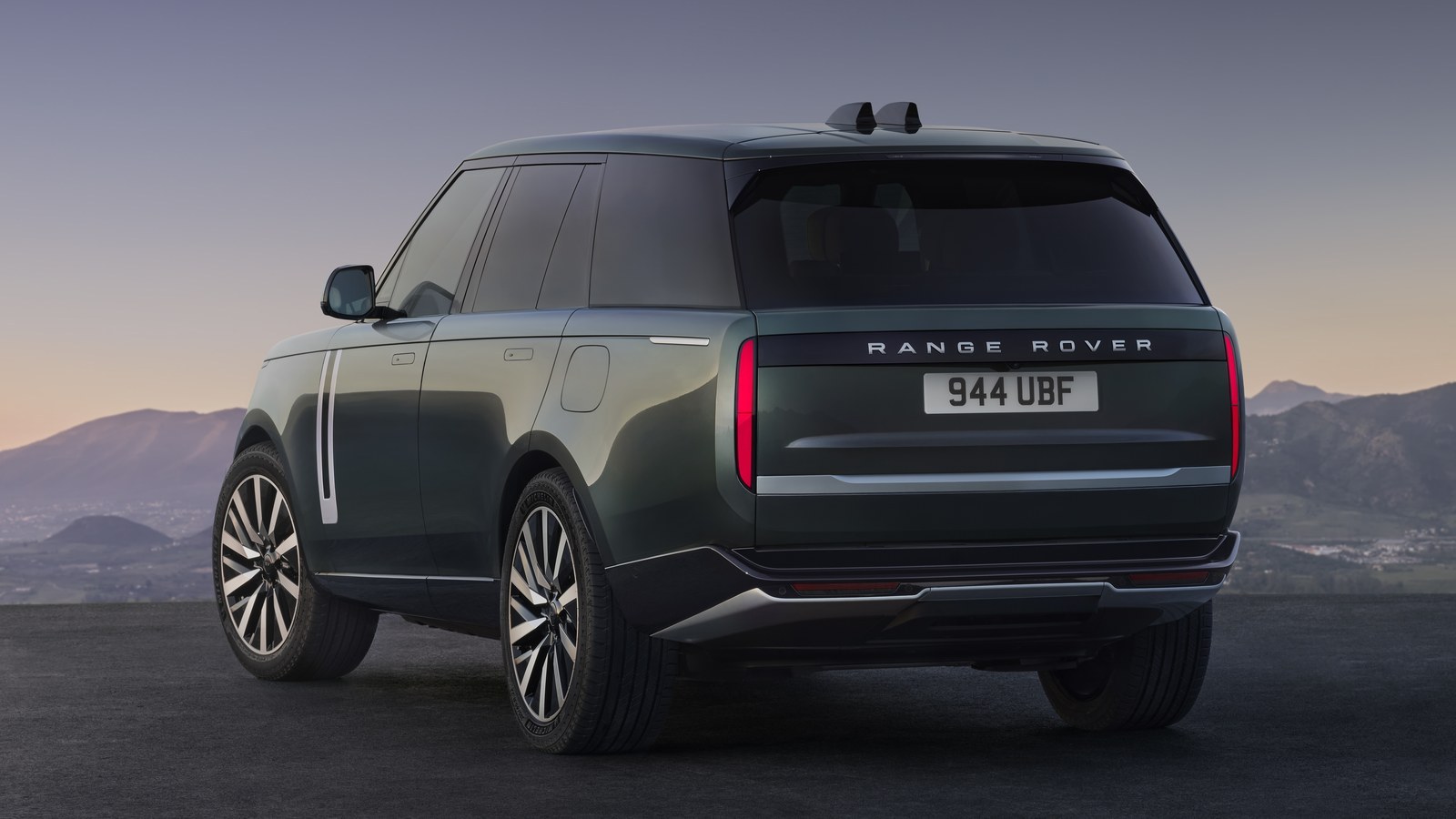
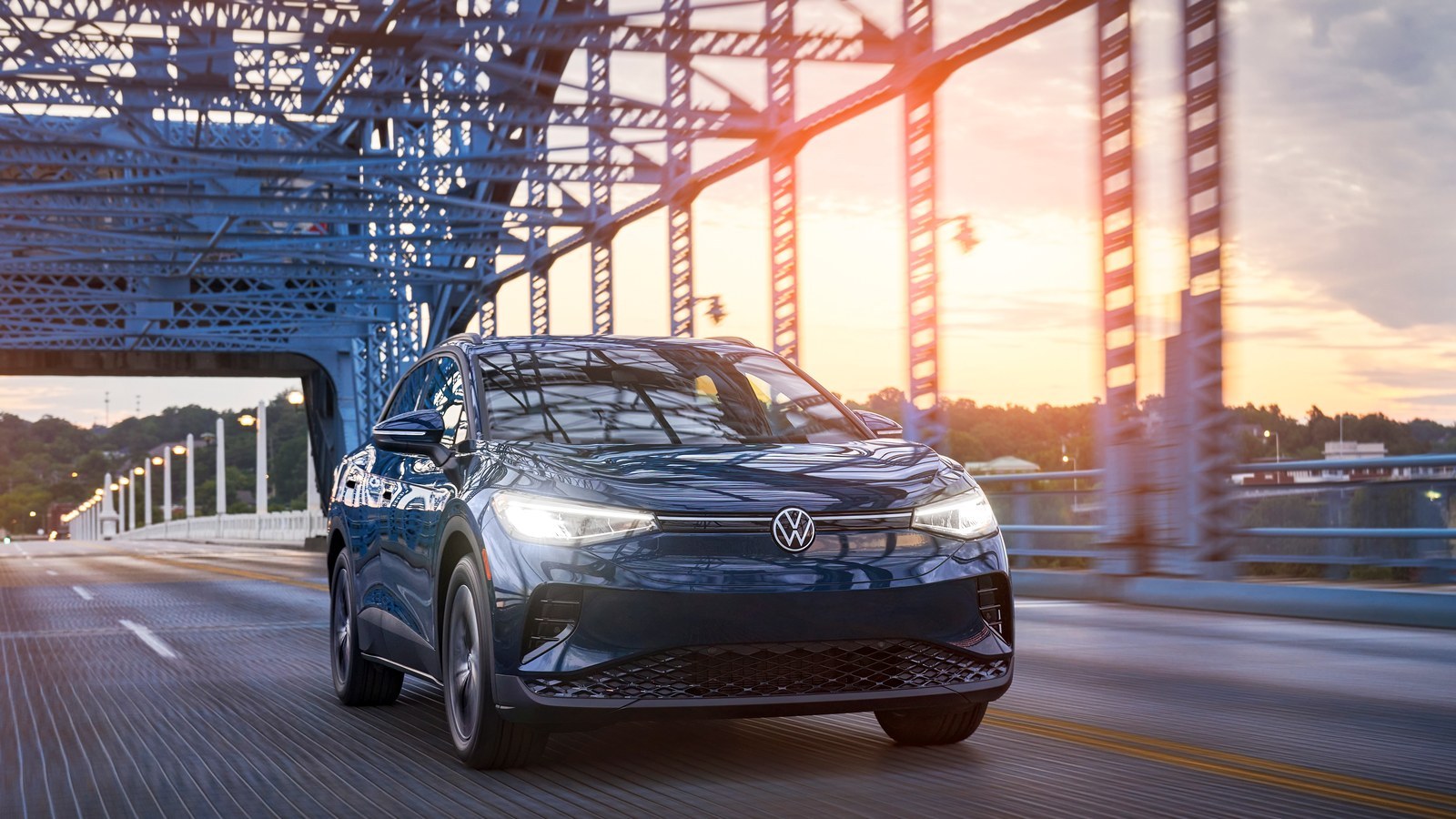
GM isn't alone here. Volkswagen's ID.4 recall that caps charging at 80% and Land Rover's camera recall filed before a fix existed point the same way. Software has turned the recall from a repair into a process that can be revised and reopened. Each round still ends with the same word: remedied.
The case against my view
The strongest objection is proportion. The condition needs a specific sequence at parking-lot speeds, braking returns on the next pedal press, and over more than two years GM counts 20 minor crashes and two claims of minor injuries in a fleet of 67,380. NHTSA didn't force this: its recall database lists both campaigns as manufacturer-initiated rather than prompted by the agency's defect investigators. A GM employee raised the flag, and the company acted. Production has been corrected, and over-the-air delivery means owners can be fixed in days rather than waiting weeks for a dealer slot.
I accept most of that. This is not a highway hazard, and the internal reporting channel worked. My problem is with what "fixed" meant in 2024. Rarity was GM's argument then, too, when it put the defect rate at 1%. Delivery speed doesn't help when the diagnosis is incomplete, and this time the faster channel hasn't even meant faster notice: owner letters are planned for December 14, 46 days after filing, against 26 days in 2024.
What would change my mind
If GM's remedy documents or its quarterly recall reports to NHTSA through 2027 show that the 2026 condition sits in a part of the slip logic the 2024 software never touched, the case that GM misjudged the first fix gets much weaker.
If the completion rate is high by mid-2027 and NHTSA's owner complaint database shows no new low-speed brake reports on remedied vehicles over the following year, I'll concede that the over-the-air model did its job on the second attempt.
And if NHTSA reviews the adequacy of the 24V589 remedy and finds nothing more to ask of GM, that is a regulator's verdict I would weigh above my own.
My read
GM didn't hide this bug; its own engineer found the second one. But the first recall shows how easily a software remedy becomes a box ticked: small population, low estimated defect rate, update pushed, campaign closed. If you own a pAWD Lyriq, a Blazer EV SS or PPV, a Vistiq, or a Celestiq, check your VIN with NHTSA now rather than waiting for the December letter, and accept the update when it arrives. My bet is that this won't be the last recall that exists mainly to fix a previous one.