Honda's 635,000-Car Steering Recall Is a Software Bug You Can't Fix From Your Driveway
The Pilot's recall tally isn't the story. A third of what Honda recalls is now code, and like nearly everyone but Tesla, it still fixes code at a dealer.
Contents · 7 parts
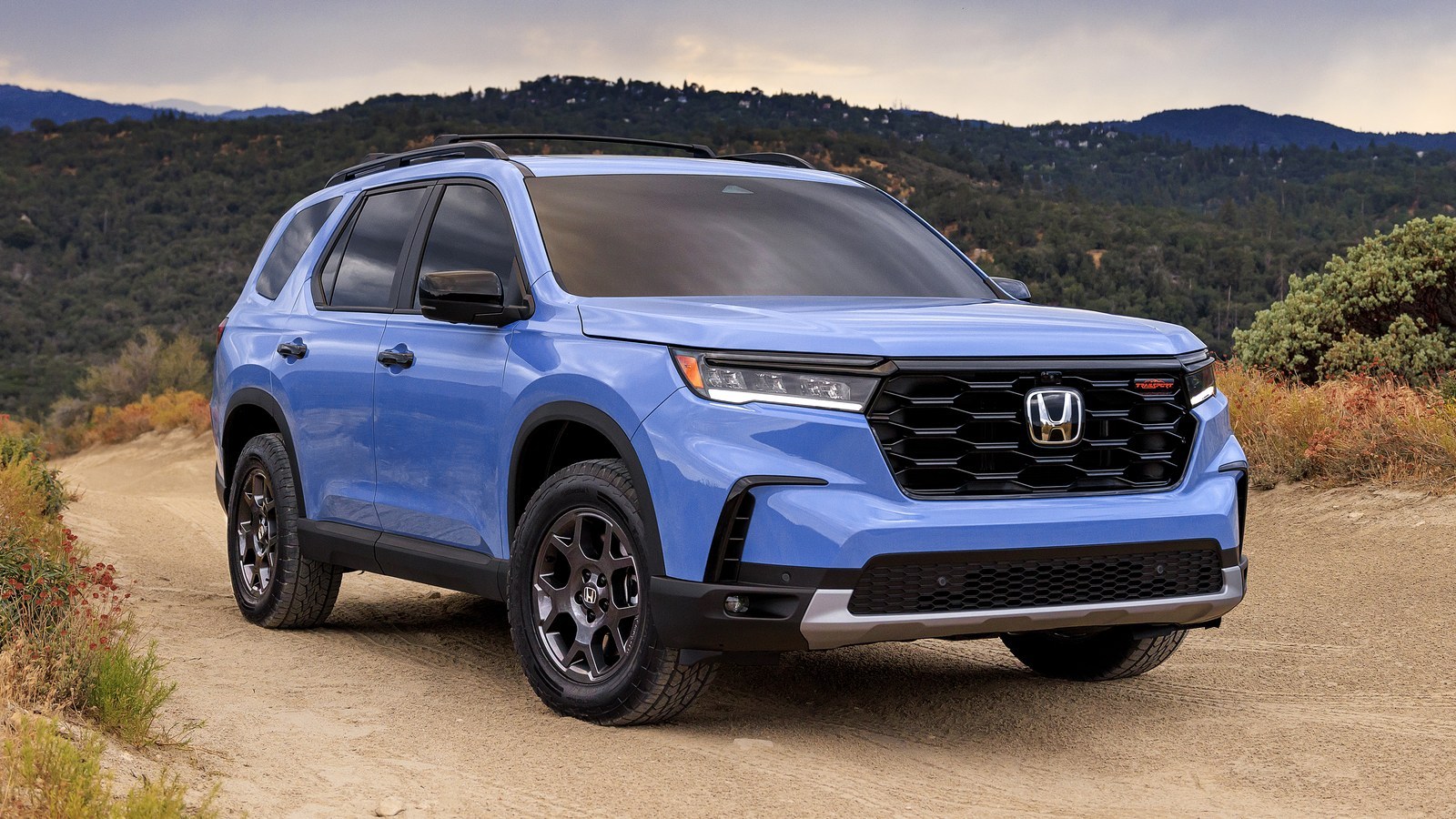
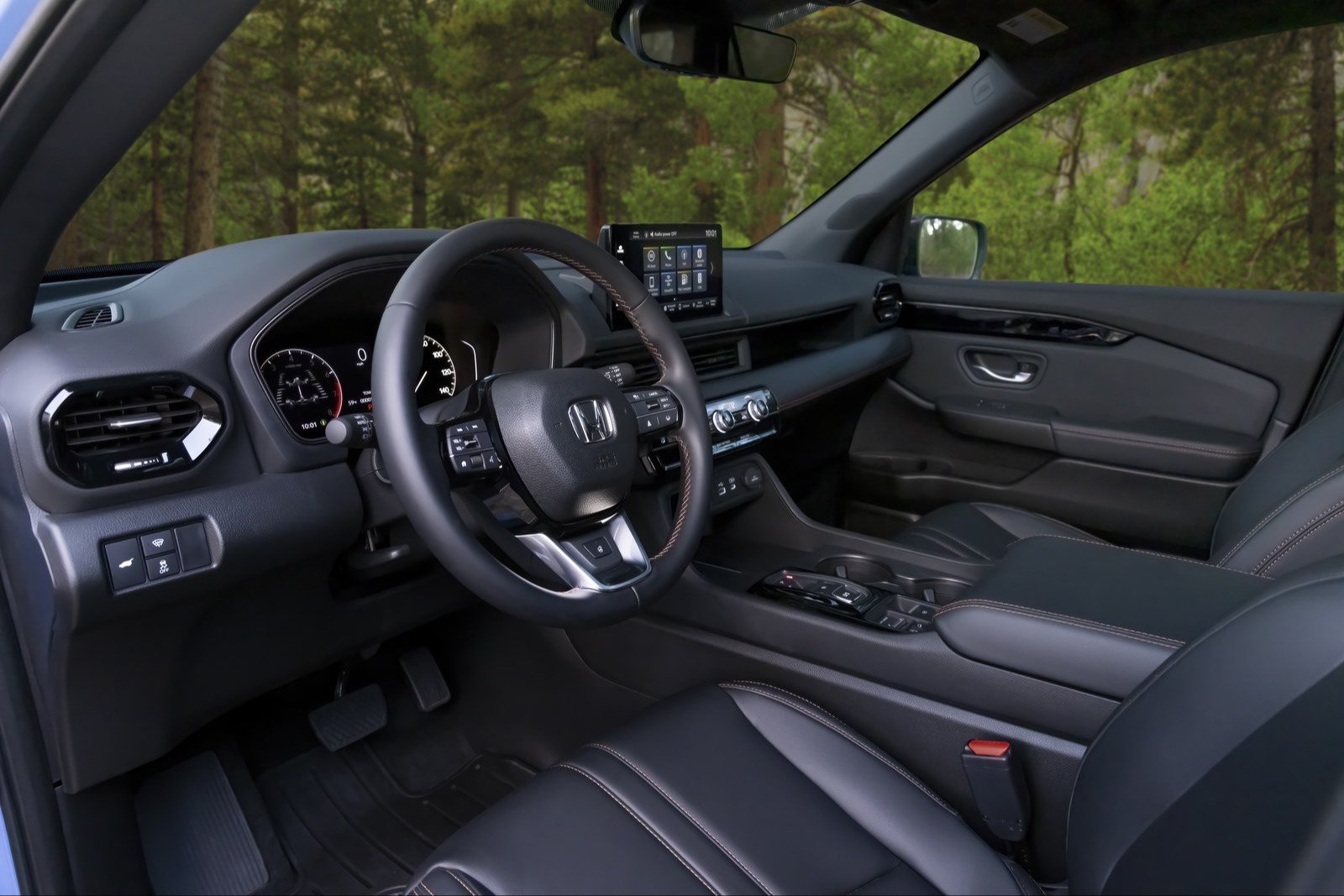
Honda is recalling 635,808 Pilot, Acura MDX, and Acura TLX vehicles because software in the electric power steering can push the system into failsafe mode and cut steering assist. The fix is a reflash of the steering control unit, and it happens only at a dealer.
Here's what the headlines miss. The Pilot's long recall list is not the real story. The real story is that roughly a third of the vehicles Honda recalls are now being recalled for code, and Honda, like almost every automaker not named Tesla, still delivers that code one service appointment at a time.
A software fault, a December letter, and a dealer appointment
According to NHTSA's record for recall 26V721, Honda filed the report on October 29. It covers 2021–2025 Acura TLX, 2022–2024 Acura MDX, and 2023–2025 Honda Pilot models, 11 model-year combinations in all. Dealers will reprogram the EPS control unit for free. VINs became searchable on NHTSA's recall lookup on November 11, but owner letters aren't due until December 14. The record's over-the-air field reads "no."
The affected cars aren't old. NHTSA's recall database lists production running from August 2020 for the TLX to December 23, 2025, for the Pilot.
Losing assist doesn't lock the wheel. The car still steers, but the effort jumps sharply, and that is a problem in a parking lot or a quick lane change. NHTSA's wording is the standard one: a loss of assist "can increase the risk of a crash or injury." Owner complaints filed with NHTSA describe a burst of dashboard warnings followed by heavy steering. The 2023 Pilot has 19 steering complaints on file, as does the 2022 MDX. None reports an injury, and one MDX complaint is marked as a crash.
One more detail stands out to me. NHTSA's database codes this campaign as influenced by its Office of Defects Investigation rather than as a purely manufacturer-initiated filing. The database doesn't say what form that pressure took. But it tells me this was not just Honda volunteering a fix nobody asked for.
The Pilot's recall count is real, but it's the wrong scoreboard
The 2023 Pilot now has six recalls in three years, and the current generation has eight across its model years. That sounds damning until you read the list. Two of the six covered 519 and 121 vehicles: a steering rack with a loose bearing and a driver's seat frame that wasn't tightened.
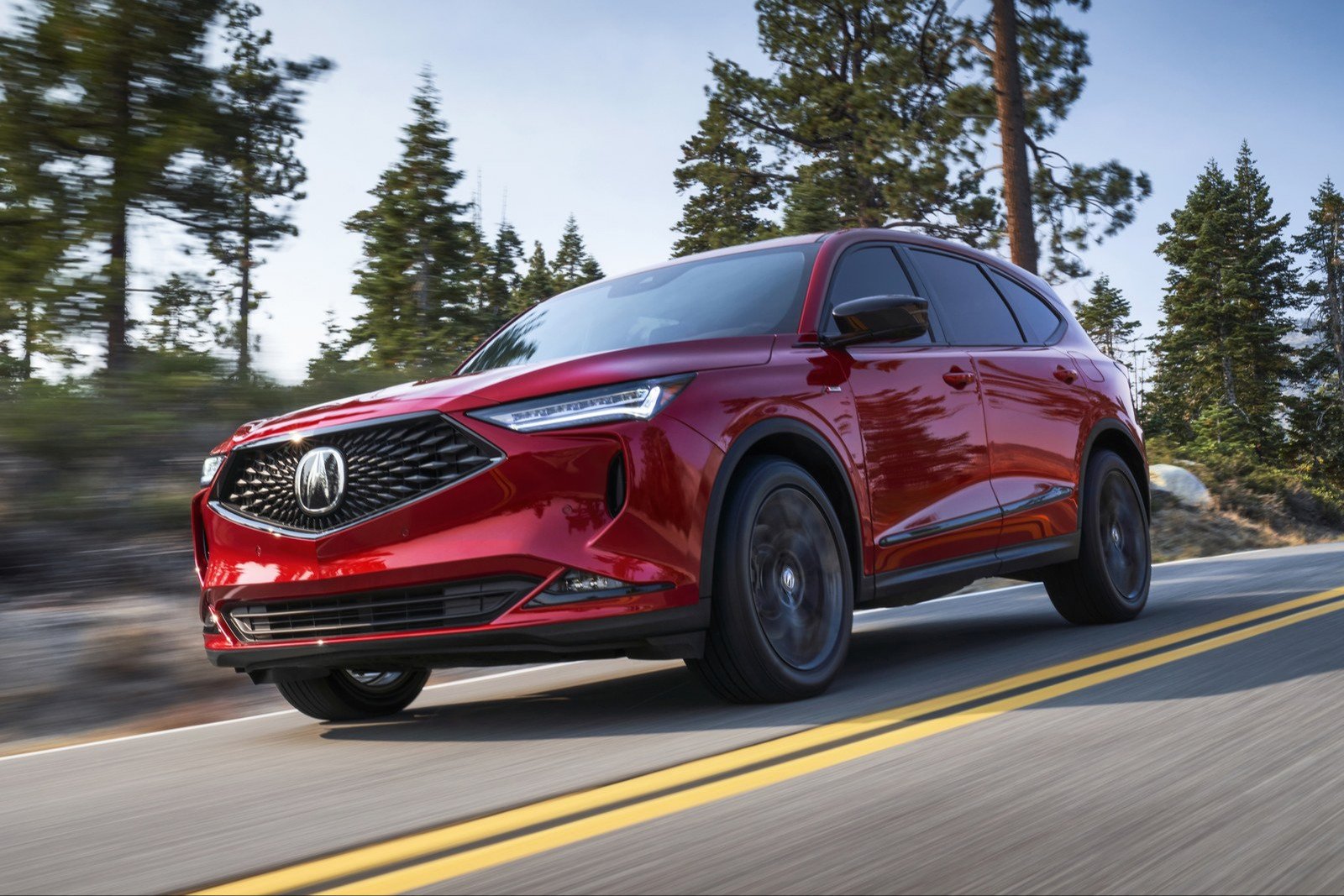
The pattern I care about is narrower. Three of Honda's recent big campaigns hit the same trio of nameplates. In January 2025, it was fuel-injection software that could stall the engine (294,612 vehicles, including the Type S Acuras). In June 2025, it was a brake-pedal pivot pin that wasn't secured (259,033). Now it's the steering software. That's three recalls in 21 months on the same three nameplates, and the two software fixes both require a dealer.
Software is now a third of Honda's recall volume
By my count of NHTSA records, recalls that mention a software fix made up 3% of the vehicles Honda recalled in 2024. In 2025, that was 36%. So far in 2026, it's 31%, or 1.14 million of 3.72 million vehicles. The two biggest pieces this year are the Odyssey side-airbag control-unit reprogramming (440,830 vehicles) and this steering recall.
Of Honda's nine software recalls since the start of 2024, NHTSA marks exactly one as fixable over the air: the 2024 Acura ZDX, an EV that GM builds for Honda. Every other one goes through a service bay.
Before anyone says rivals have solved this, look at the same field across the industry. It covers recalls filed from January 2024 through November 11, 2026.
| Recalls filed | Flagged as over-the-air fix | |
|---|---|---|
| Tesla | 33 | 9 |
| Hyundai | 69 | 3 |
| GM | 90 | 2 |
| Ford | 308 | 1 |
| Honda (incl. Acura) | 58 | 1 |
| Toyota | 59 | 0 |
Automakers fill in that field themselves, and not consistently. Some of Tesla's software fixes aren't flagged either. Even so, the picture is clear enough: outside Tesla, safety-critical software still travels by appointment. Honda isn't the laggard here. It's the biggest current example of a gap the whole legacy industry shares.
The dealer visit is where the cost hides
A reflash may take under an hour of shop time. The expensive part is getting the car there. NHTSA has told Congress that only about two in three recalled vehicles ever get fixed. For 635,808 vehicles, the remaining third is a lot of SUVs driving around with software NHTSA calls a crash risk. Owners also wait a month between the VIN lookup going live and the letter arriving.
Software fixes don't always stick on the first try, either. GM had to recall the Lyriq's brakes a second time after its 2024 remedy didn't hold. Each retry through a dealer costs the same appointment all over again.
The money side shows up in the Subaru numbers. The Drive, citing Automotive News, reports that Subaru's U.S. sales fell 10% in the latest quarter while operating profit tripled to about $466 million, partly on lower warranty payouts. Subaru filed eight U.S. recalls from 2024 to date, and Honda filed 58. Even allowing for Subaru's smaller U.S. volume, that gap is a margin story as much as a safety story.
The case against my view
The strongest objection goes like this. The fix is free and simple. A high recall count partly reflects how seriously an automaker reports, and the alternative is worse: an automaker that sits on defects. Over-the-air capability doesn't make a car more reliable, it only makes the fix cheaper. It also adds a risk of its own, because one bad update reaches every car at once.
Buyers seem to agree. According to Honda's October sales release, the MDX is up 28.1% this year and has already passed its full-year 2025 total. The Pilot sold 9,425 units last month. Nobody is boycotting these SUVs.
I accept most of that. OTA is not a reliability feature, and Honda's cars are not lemons. But two points stand. On this campaign, NHTSA's own coding says the agency had a hand in it, so "Honda is just being diligent" doesn't fully cover it. And the cost argument is exactly my point. When a third of your recall volume is code, the dealer visit becomes the most expensive and least reliable step in the process. That cost falls on owners in time and risk, and on Honda in warranty spending.
What would change my mind
If Honda's defect report, once NHTSA posts it, shows the fault was found and filed within weeks and that real-world incidents were rare, I'd drop the suggestion that this recall was pushed rather than offered.
If Honda offers an interim measure or mobile reflashing before the December 14 letters, or if NHTSA's quarterly completion reports show 26V721 above 80% within a year, the dealer-only bottleneck matters less than I think.
And if Honda confirms that its next-generation vehicles can take chassis-software recalls over the air, this column becomes a story about the old cars, not the company.
My read
Six recalls in three years don't make the Pilot a bad SUV. What this recall shows is that Honda's defects have moved into code faster than its fixes have moved out of the service bay. Until that changes, every Honda software bug will cost a letter, a month of waiting, and an appointment that about a third of owners never keep.