BMW Recalled 720,000 Cars for Fire Risk in 2024. Now It's Telling Them to Park Outside
The 2024 fix assumed fluid was dripping onto the connector. The connector itself was failing, and 291,682 owners who got the shield now have to come back.
Contents · 7 parts
BMW of North America is recalling 720,796 cars and SUVs from the 2012–2018 model years because the electrical connector on the engine's water pump can short-circuit and, in rare cases, start a fire. Owners are told to park outside and away from buildings. There is no repair yet.
Here's what the headlines miss: these are the same 720,796 vehicles, the same part and the same fire risk BMW recalled in August 2024. The new campaign replaces the old one, and every car that already received the 2024 fix has to go back.
I think the 2024 recall was never really a repair. It was a hypothesis with a shield bolted to it, and BMW kept installing it for months after its own field data started saying the hypothesis was wrong. The bill now lands on owners of decade-old cars, in the form of an open-ended instruction to keep them out of the garage.
Same cars, same part, a different story about the cause
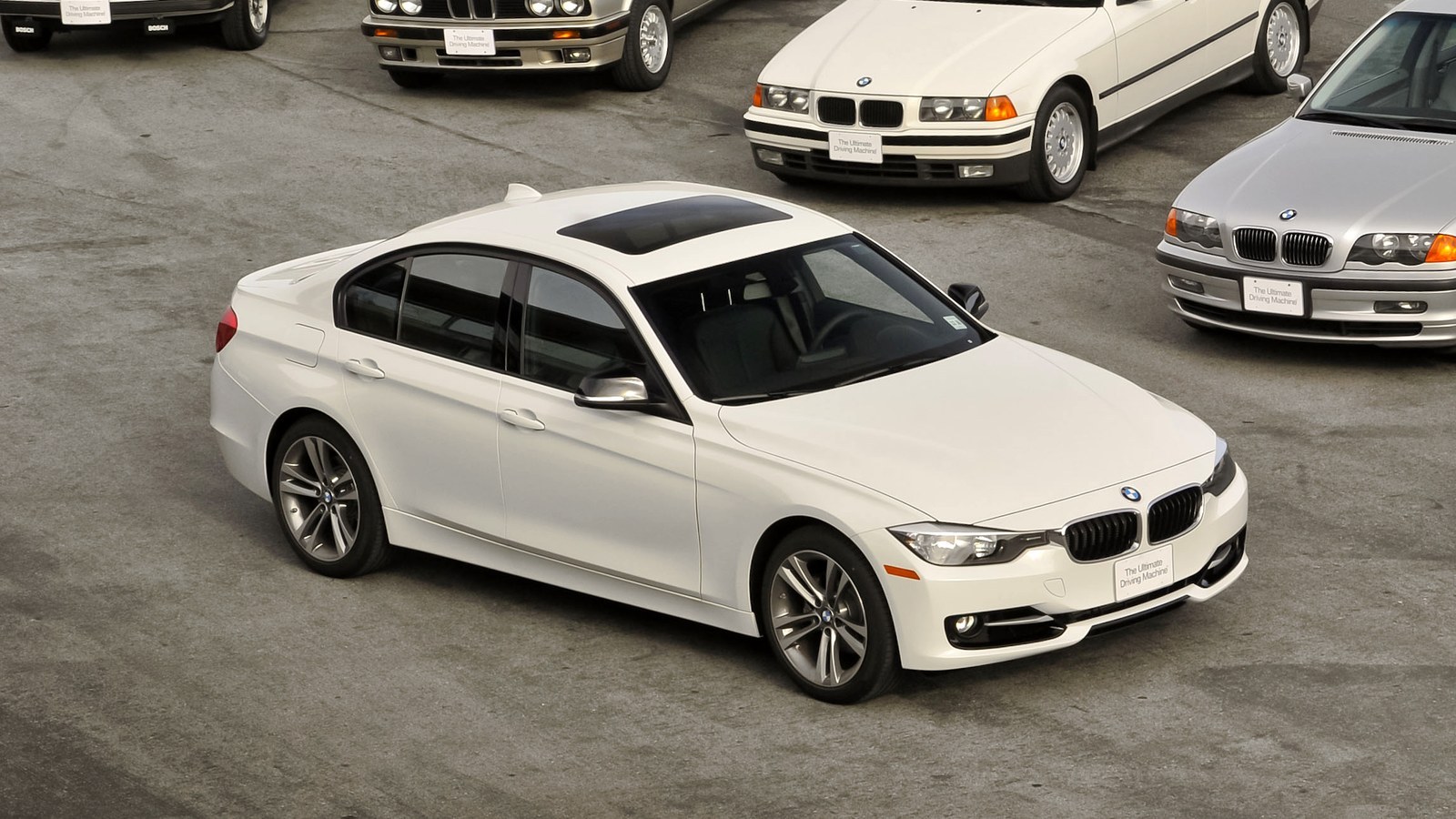
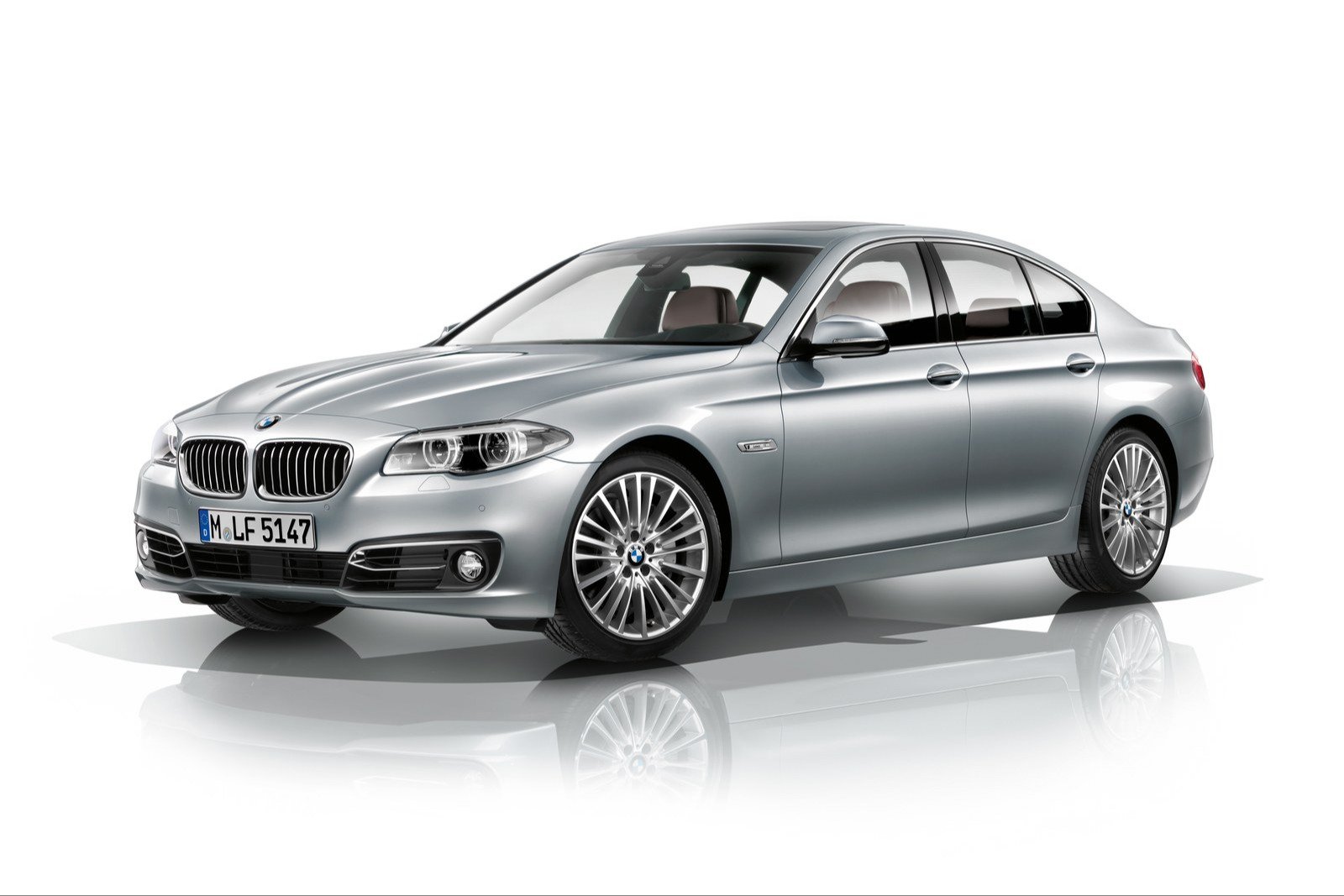
The new campaign, 26V733, reached NHTSA on November 4. It covers BMW's N20 and N26 four-cylinder models: the 2012–2016 3 Series, 5 Series and Z4, the 2012–2015 X1, the 2013–2017 X3, the 2014–2016 2 and 4 Series and 3 Series wagon and Gran Turismo, the 2015–2018 X4 and the 2016–2018 X5 xDrive40e plug-in hybrid. NHTSA's record says the remedy is still under development, interim letters go out in December, and VINs become searchable on December 25.
The mix matters. According to BMW's Part 573 safety recall report, the 3 Series sedan accounts for 236,702 vehicles and the X3 for 163,728. More than half of the recall is two models, the F30 sedan and the F25 X3. The 528i adds another 110,102.
The 2024 fix was built on a single theory
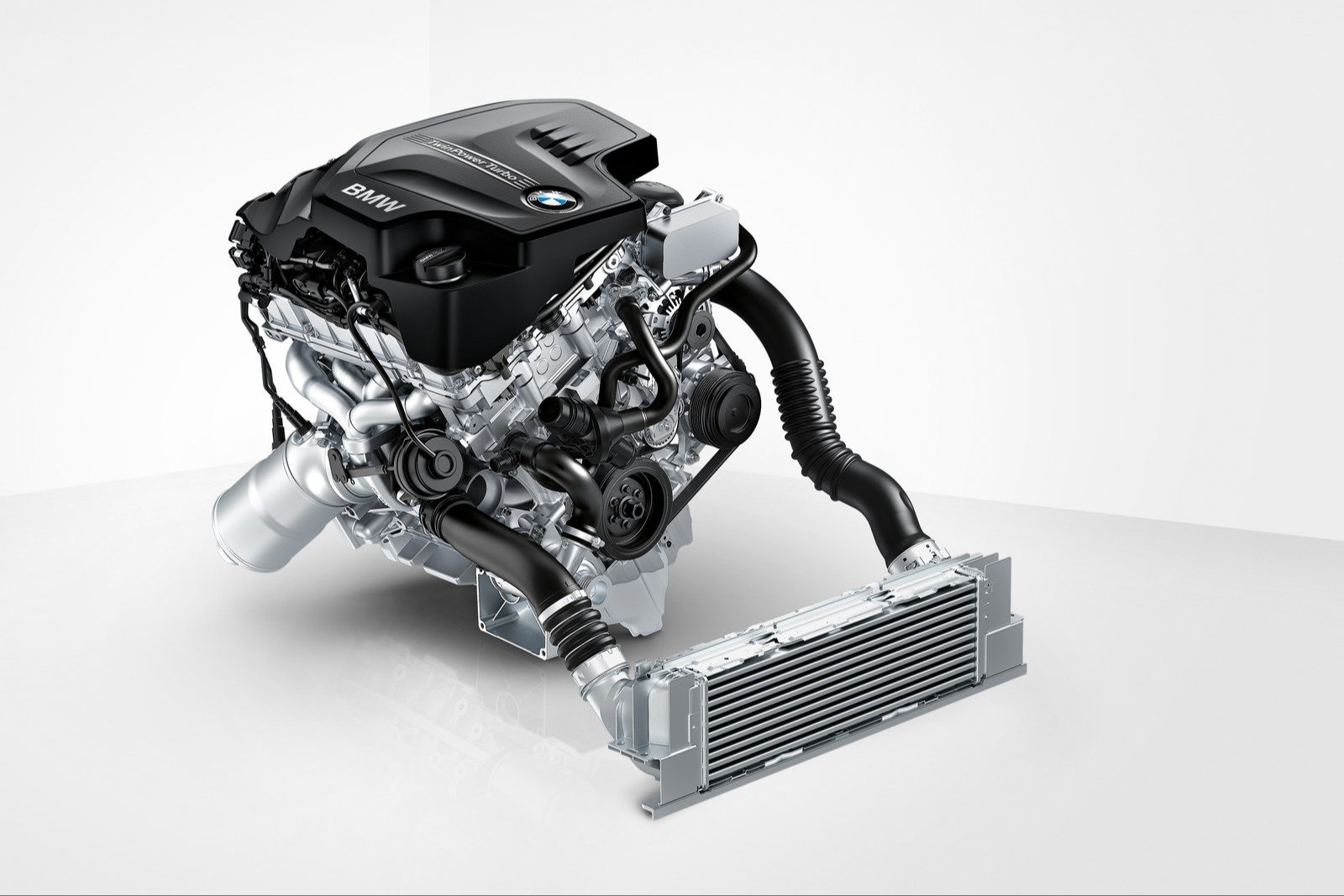
BMW's 2024 chronology traces the case to a March 2024 inquiry from South Korea's transport ministry about a thermal event. Lab work then pointed to blow-by fluid dripping from the crankcase ventilation intake hose onto the pump connector, a hypothesis BMW said one more U.S. incident confirmed. The remedy followed that logic: inspect the pump and plug, replace them if damaged, and install a shield to divert the drips. At the time BMW counted about 18 U.S. complaints or field reports, with no crashes or injuries.
The 2026 filing describes a different failure. The connector itself, molded from PBT plastic, was found to be embrittled and, in places, cracked, which lets moisture into the pump. A shield that keeps drips off a connector does nothing for a connector that degrades on its own. And the new filing never says the root cause has been found. Its latest entries still treat hydrolysis of the plastic as a possibility under study, not a conclusion.
| Recall 24V608 | Recall 26V733 | |
|---|---|---|
| Reported to NHTSA | Aug. 14, 2024 | Nov. 4, 2026 |
| Vehicles | 720,796 | 720,796 |
| Suspected cause | Blow-by fluid dripping onto the connector | Connector plastic embrittles and cracks |
| Remedy at filing | Inspect, replace if needed, add a shield | Under development |
| Park-outside advice | No | Yes |
| U.S. field reports cited | About 18 | About 10 |
Sixteen months between the first warning and the recall
This is the part I can't get past. The 26V733 chronology lists a thermal overload in a previously repaired 5 Series outside the U.S. on April 24, 2025, and a smoldering connector on a repaired U.S. 3 Series on June 24, 2025. BMW's working explanation for both was an improper repair, and a lab analysis that October supported it. Only in January 2026 did a review turn up more overheating cases in cars that had received the remedy. The recall decision came on October 28, 2026.
Meanwhile, dealers kept performing the 2024 fix. BMW's quarterly completion reports to NHTSA show 61,111 cars done by the end of June 2025, 211,553 by the end of 2025 and 291,682 by the end of September 2026, about 40% of the population. That count includes cars inspected without needing parts.
Read those numbers next to the timeline. Roughly 230,000 of the completed repairs happened after a repaired U.S. car smoldered, and about 80,000 after BMW's own January review found more of them. Each of those owners gave up an afternoon at a dealer and drove away with a car the company now says has to come back. I don't think BMW should have recalled on one incident it believed was a botched repair. But by January 2026 the pattern was in its own field data, and continuing to install the shield for nine more months was a choice.
Park outside, with no end date
In 2024, BMW never told owners to keep these cars outdoors. Now it does, until a remedy exists, ships and gets installed, and that clock hasn't started. Two years ago, with the remedy already defined in the first filing, it still took seven and a half months to get from the report on August 14, 2024, to the letters that invited owners in on March 28, 2025. This time the report leaves the remedy notification date blank and describes a phased recall.
My bet is that most owners won't see a repair offer before mid-2027, and some will wait longer if parts arrive in waves. That is a winter, possibly two, of street parking for people in condo garages and townhouses without driveways. BMW's FAQ for dealers says the cars can still be driven, and answers the obvious question about cars already fixed under 24V608 with a single word: yes, they need the new repair too. The same notice reminds dealers not to sell recalled used and Certified Pre-Owned cars until the work is done, which gets awkward when there is no work to do.
None of this is unique to BMW. GM's Lyriq brake recall followed the same script this month, and recalls filed before a fix exists have become routine. The difference here is scale, and the age of the cars: getting owners of older cars back to dealers is hard enough the first time.
The case against my view
The strongest argument is that this is the recall system working. BMW found the problem itself: NHTSA's recall data lists both campaigns as manufacturer-initiated, not the product of an agency investigation. The company says it knows of about 10 U.S. field incidents that relate or may relate to the issue, and of no crashes or injuries. It puts the defect rate below 0.1%. Pinning down why a plastic connector fails on cars up to 15 years old takes lab time, and a second recall built on CT scans and material analysis beats a fast wrong one. Seen that way, park-outside is caution, not alarm.
I agree with most of that, and it still doesn't settle the question. The problem isn't that BMW recalled twice. It's how confidently the first remedy was presented given how little it rested on, and how long the shield kept going on after repaired cars started overheating. Below 0.1% of 720,796 is a ceiling of roughly 700 cars, and nobody, BMW included, has said where under that ceiling the real number sits. The owners carrying the inconvenience now are the ones who did what they were told in 2025.
What would change my mind
If BMW mails remedy letters by the end of March 2027, my timing argument weakens a lot, and I'll say so. The quarterly report due at the end of April 2027 will show whether repairs have started.
If the new remedy turns out to be a full pump replacement with a reformulated connector, and an amended 573 report names a confirmed root cause, then the second recall is a real fix and my complaint narrows to the delay.
And if the incident count stays near 10 through 2027, the park-outside advice will look like caution rather than necessity, which I'd welcome.
My read
BMW's mistake wasn't recalling these cars twice. It was treating a theory backed by a handful of incidents as a remedy, then performing it for nine more months after its own field data pointed elsewhere. The 291,682 owners who already sat through the 2024 repair deserve a confirmed cause and a date this time, not another shield. Until BMW names that date, 26V733 is a warning, not a repair.