Ford's $30,000 Fathom Is Really a Home Battery That Happens to Be a Truck
Ford's new home backup hardware only matches Tesla's price. The bargain is the $29,945 truck attached to it, the cheapest home battery on wheels in America.
Contents · 7 parts
Ford said on Tuesday that the Fathom, its $29,945 electric pickup due in 2027, will push more than 10 kW of AC power into a house without a wall-mounted inverter, and that the equipment around it will cost a fraction of what F-150 Lightning owners paid.
Most of the coverage stopped at the hardware discount. I ran the full bill instead, and here's what the headlines miss: Ford didn't make home backup hardware cheaper than Tesla's. It made the battery attached to that hardware cheap.
The way I see it, that is the real product. The Fathom is shaping up to be the least expensive home battery on wheels sold in America, with a pickup bed thrown in.
Ford moved the inverter from the garage wall into the truck
According to Ford, the inverter that used to hang next to the electrical panel now sits inside the Fathom's E-box, one of five main modules on its new Universal EV Platform. Ford rebuilt its bidirectional system from scratch after buying the startup Auto Motive Power in 2023, Electrek reports.
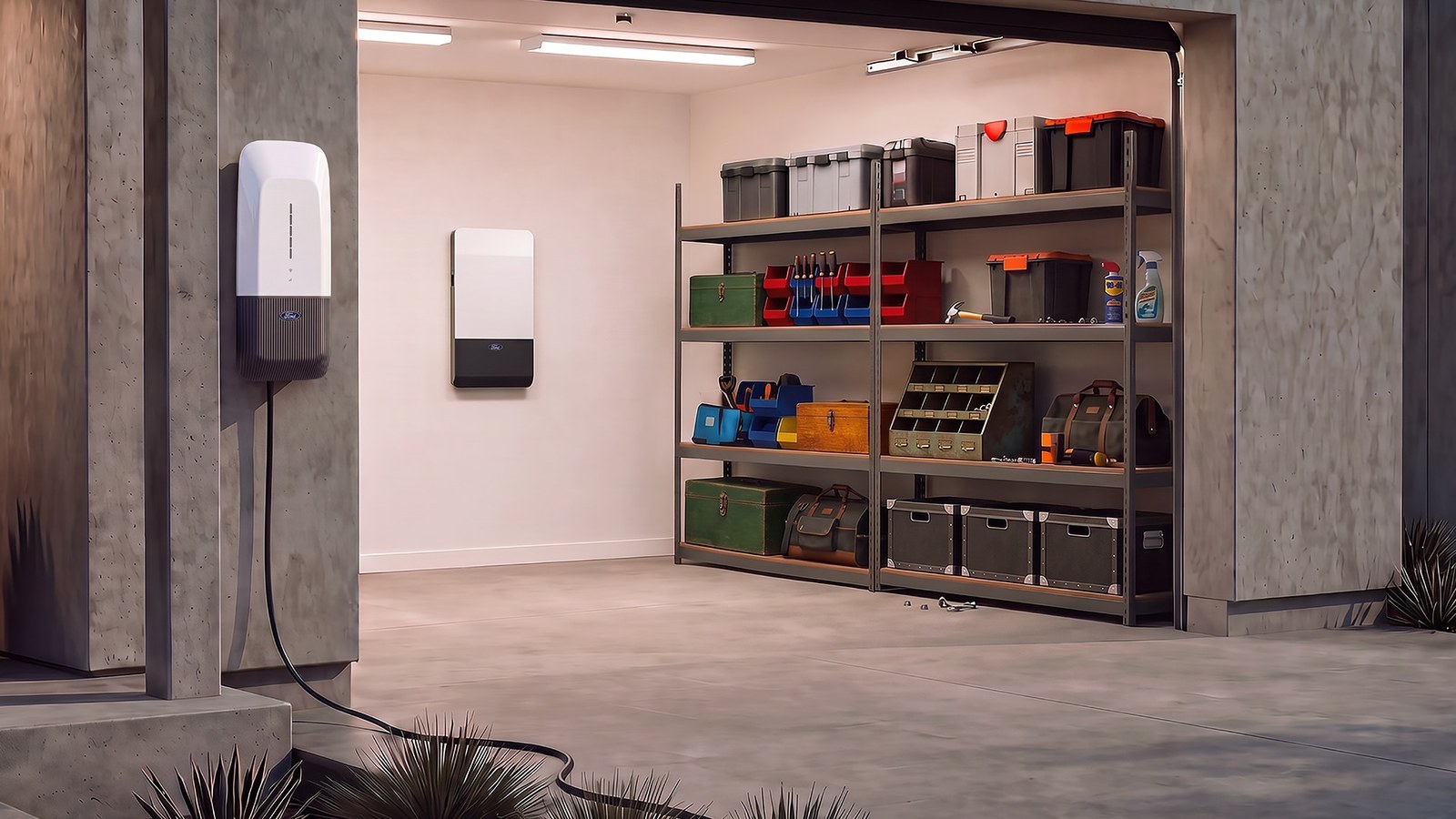
Owners get two modes. Home Power Management charges the truck on cheap off-peak electricity and runs the house from it when rates climb; that needs only Ford's new Home Power Station. Home Backup Power keeps the lights on in an outage and adds a Home Backup Panel.
Ford hasn't priced either piece. It has given relative numbers instead: the station at about half the cost of the Lightning's $1,310 Charge Station Pro, and the backup hardware at least 60% below the $5,205 first-generation system, installation excluded, according to WardsAuto. Pre-orders open in early 2027 for a Kentucky-built truck, with deliveries later that year.
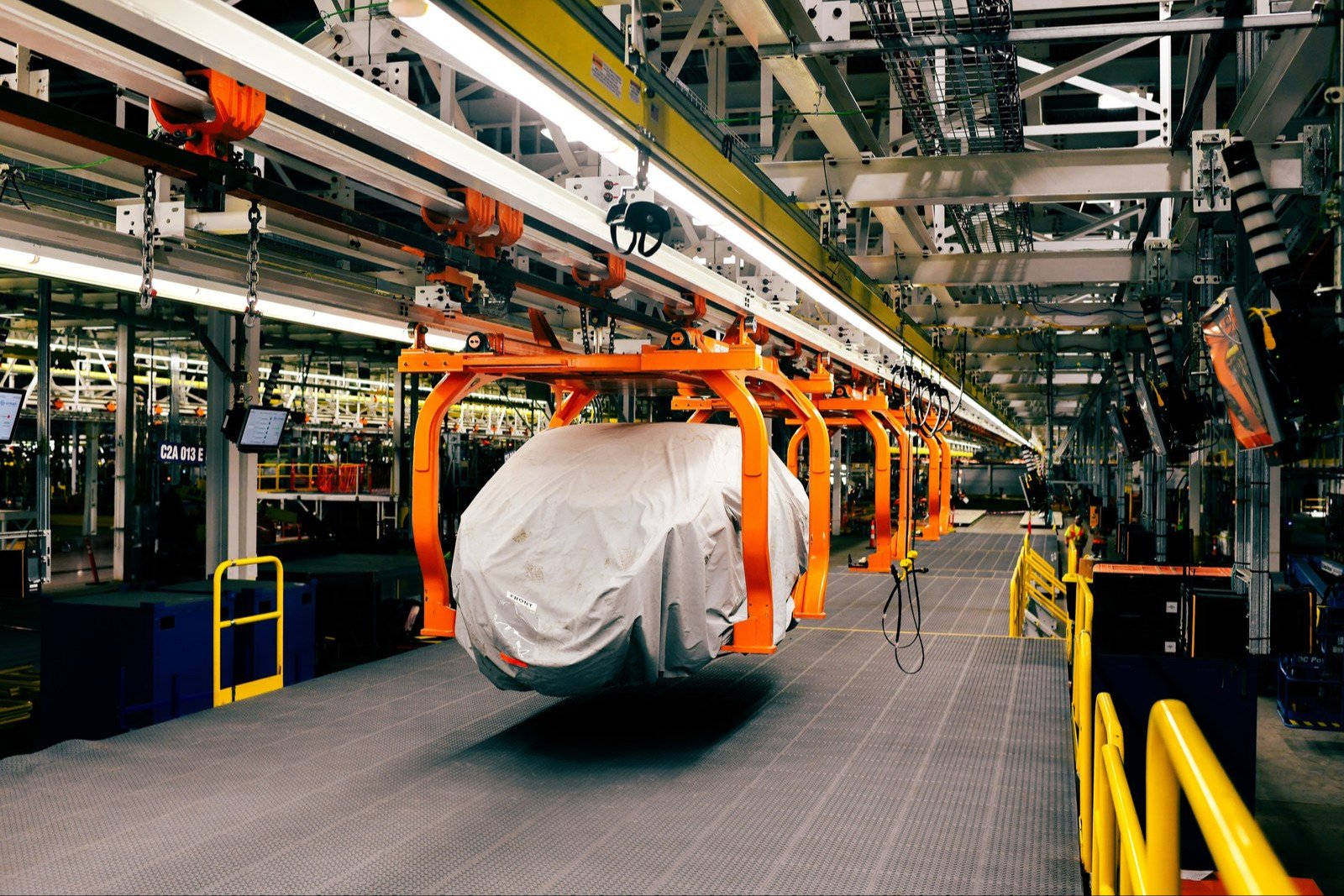
The hardware discount puts Ford level with Tesla, not ahead of it
Do the arithmetic Ford left out. Half of $1,310 is roughly $655 for the station. Sixty percent off $5,205 leaves about $2,080 for full backup, if the discount covers the whole kit, as Ford's wording suggests.
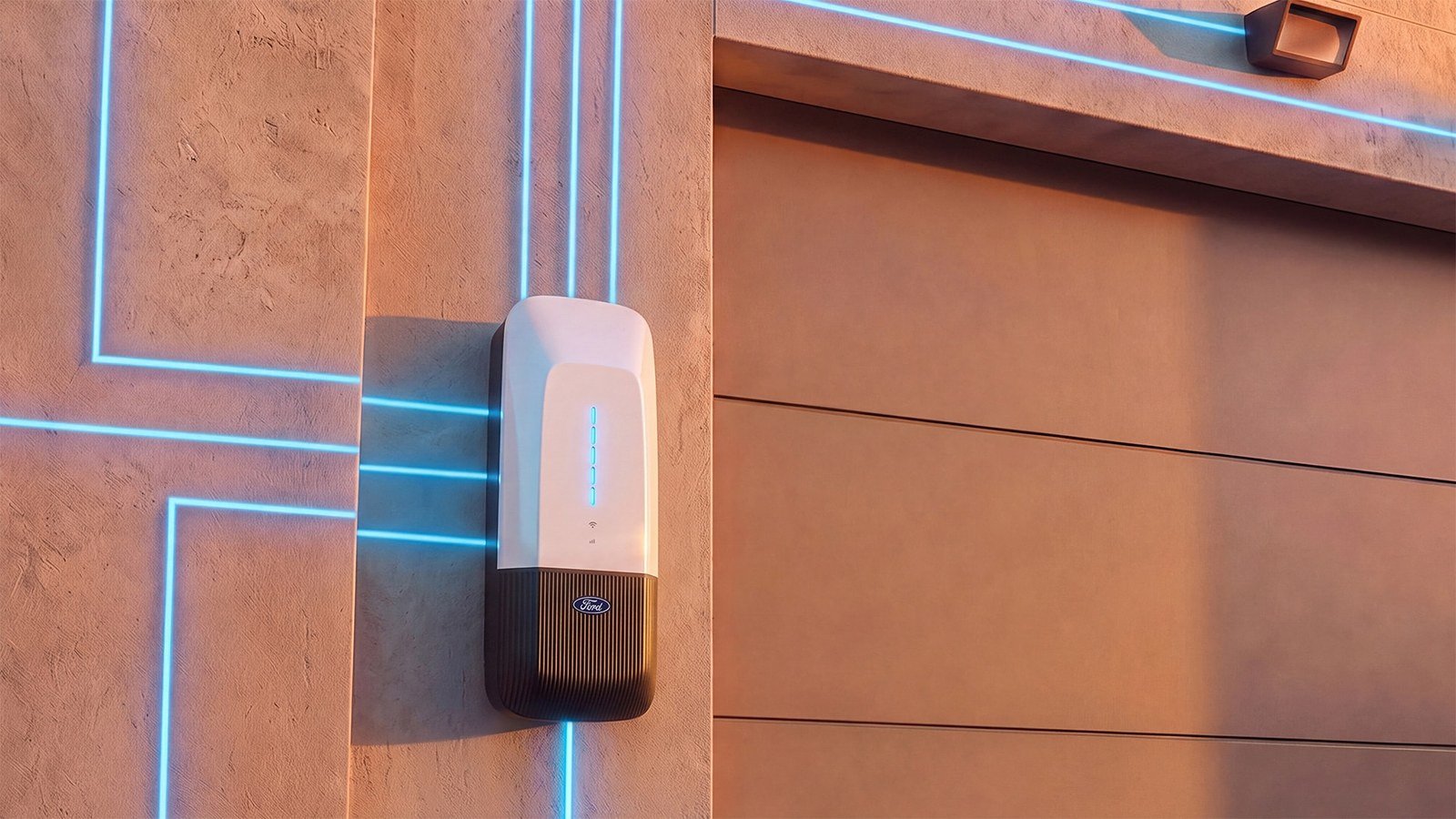
Tesla already sells a Powershare Home Backup Bundle for the Cybertruck at $1,970, WardsAuto notes. So "a lot cheaper" is true against Ford's own past and roughly a tie against the one competitor that ships this capability today. Tesla's system is rated at up to 11.5 kW, against Ford's projected output of more than 10 kW.
Equipment is not where Ford wins. If the story ended here, I'd call the Fathom announcement a catch-up move.
The win is roughly $45,000 of truck
Put the vehicle back into the equation and the picture flips. The Fathom is $28,350 plus a $1,595 destination charge, per Jalopnik. The cheapest retail F-150 Lightning, the 2025 XLT, started at $65,090 with destination, Green Car Reports reported. A Cybertruck Dual Motor has cost $74,990 since Tesla's August 24 price increase, Motor1 reports.
| Ford Fathom | F-150 Lightning XLT (2025) | Cybertruck Dual Motor | |
|---|---|---|---|
| Truck price | $29,945 | $65,090 | $74,990 |
| Full home backup hardware | ~$2,080 or less (my estimate) | $5,205 | $1,970 |
| Truck plus backup hardware | ~$32,000 | $70,295 | $76,960 |
| AC power to the home | over 10 kW (projected) | 9.6 kW | up to 11.5 kW |
Two caveats on the table. The Cybertruck figure excludes destination, and Ford bundled the Charge Station Pro free with Extended Range Lightnings, so the real Lightning hardware bill varied by version. Neither closes a gap of roughly $38,000 to $45,000 before installation.
For the price of one Cybertruck with Powershare, you could buy two Fathoms with backup kits and still have change. In my view, bidirectional power on the Fathom isn't a feature on a cheap truck. It's the reason a household that doesn't strictly need a pickup might buy one.
It also carries Ford's home-energy pitch alone. Ford ended production of the all-electric Lightning in its December 2025 reset, and the next Lightning will be an extended-range model.
The utility working group matters more than the price tag
Hardware was never the only barrier. Ford counts more than 3,000 utilities across the US and Canada, each with its own rules for connecting a vehicle to a home. In July it formed a working group with American Electric Power, BC Hydro, Consumers Energy, Exelon, and PG&E.
Their key principle: a truck that only powers an isolated house during an outage shouldn't face the same interconnection approval as one running in parallel with the grid. Ford says the system is designed to meet UL 1741 and IEEE 1547, and uses the SAE J3068 standard to keep charger costs down.
This is the part I'd watch most closely. A $2,000 kit is worth little if the permit takes four months. Lining up five large utilities a year before launch is Ford treating the Fathom as an energy product, which is exactly my point.
The case against my view
The strongest objection is that I'm pricing equipment Ford hasn't priced. "About half" and "at least 60% less" are targets for hardware that ships next year, and whether the 60% covers the station, the panel, or both is my reading of Ford's wording, not a published price list.
Second, the battery. Ford hasn't disclosed its size, and the figure of about 51 kWh usable that circulates online is unofficial. The average American home bought 10,791 kWh of electricity in 2022, about 30 kWh a day, according to the EIA. Ford said the 131-kWh Lightning could run a house for up to three days. A pack near 51 kWh would cover well under two days of average use. Cheaper per truck is not the same as cheaper per hour of backup.
Third, installation. When Tesla launched Powershare in 2024, it gave Cyberbeast buyers a $4,000 installation rebate, a signal of what it expected the electrical work to cost. Electricians don't bill less because the inverter moved.
All three points are real. None changes the order of magnitude. Even if Ford's hardware lands at Lightning prices and installation adds $4,000, a Fathom with backup comes to about $39,000, still nearly $38,000 below a Cybertruck with Powershare before Tesla's own installation bill. And rationing helps: Ford claimed up to 10 days for the Lightning with reduced loads or solar, and the same logic applies to a smaller pack.
What would change my mind
If Ford prices the Home Power Station and Home Backup Panel together above $3,000 when pre-orders open in early 2027, the hardware half of my argument collapses and the Fathom becomes a cheap truck with an outlet.
If Ford discloses a usable battery below 50 kWh, the backup math gets thin enough that a portable generator starts to look like the better buy for outage-prone households.
And if, by the time deliveries start in late 2027, none of the five utilities in the working group has published a simpler backup-only approval path, the energy pitch stays theoretical for most buyers.
My read
Ford's real news on Tuesday wasn't cheaper hardware; Tesla already sells a backup bundle for slightly less. It was putting a 10-kW home power source into a truck that costs $29,945. If Ford holds the kit near $2,000 and the utilities follow through, my bet is that a meaningful share of Fathom buyers will come for the battery, not the bed.