Rivian Is America's No. 2 EV Brand. Delivery Vans Did Most of the Work
Rivian's jump to second place is a fleet story: vans supplied 97% of its growth, while sales of its consumer models rose just 2%.
Contents · 6 parts
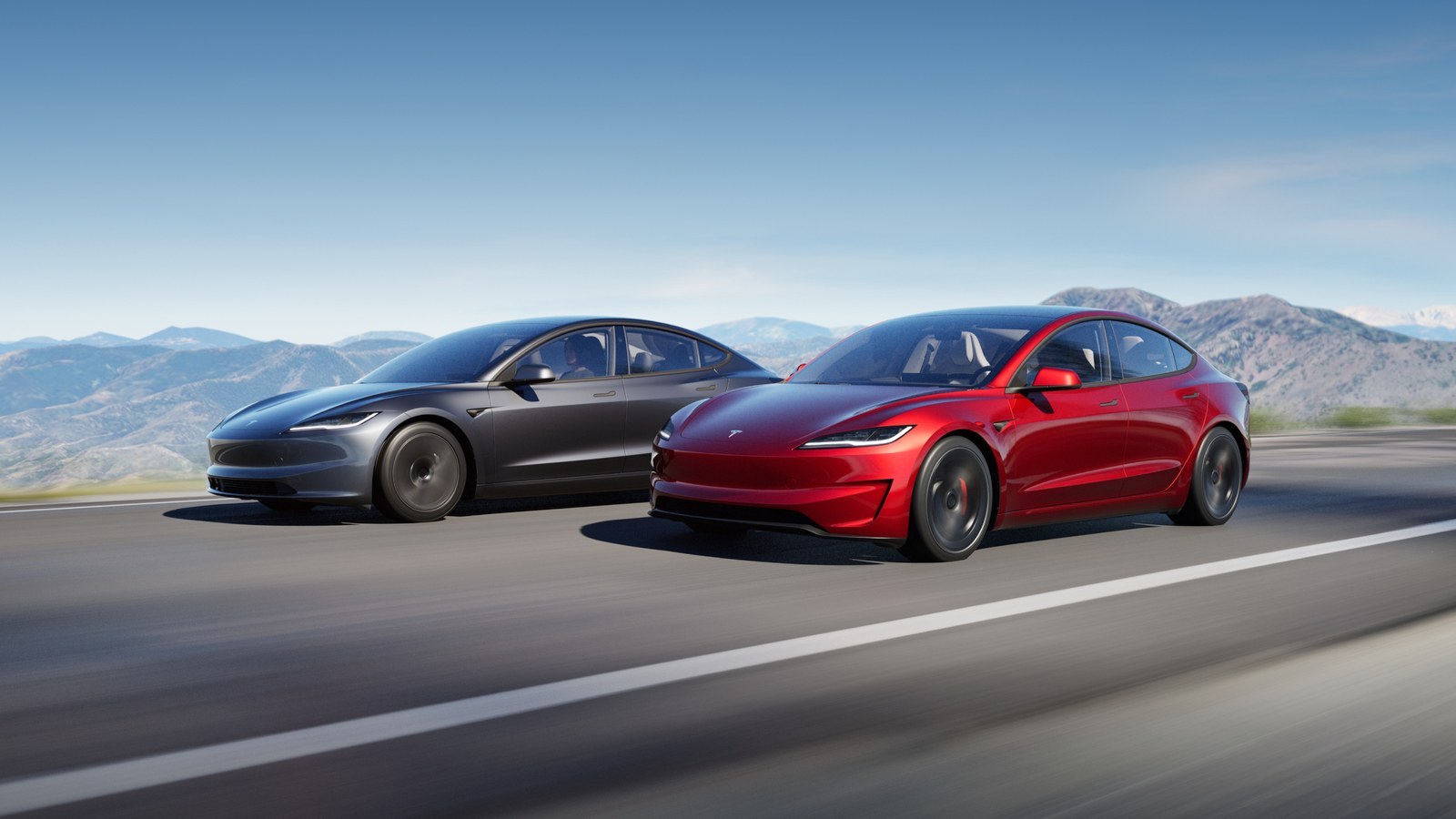
Rivian sold an estimated 19,239 electric vehicles in the U.S. in the third quarter, up 45.7% from a year earlier, and jumped from 10th to 2nd among EV brands, behind only Tesla. Chevrolet, last year's runner-up, fell 74.6% to 10,031.
The headlines call it the R2 effect. I don't buy it. Here's what the model-level data shows: delivery vans supplied almost all of Rivian's growth, the consumer business was flat, and the R1 is shrinking. Rivian's second place is a fleet story first. The consumer test comes in the fourth quarter.
A shrinking market made room at the top
The numbers come from the Kelley Blue Book EV sales report from Cox Automotive, dated October 13. They are estimates, not company filings. The U.S. EV market totaled 262,649 sales in the quarter, down 39.5% from 434,279 a year earlier. Tesla sold 144,094 and held a 54.0% share. Rivian's share rose to 7.2%, from about 3.0% in the third quarter of 2025.
That comparison base matters. The federal EV tax credit of up to $7,500 expired on September 30, 2025, and buyers rushed to beat the deadline. Last year's third quarter was a pull-forward record, so almost everyone looks bad against it.
Rivian's own figures line up with Cox. The company reported 19,248 deliveries and 19,751 vehicles built in the quarter, a total that includes Canada. What Rivian does not publish is a split by model. That split is where the story changes.
Why the vans, not the R2, carried the quarter
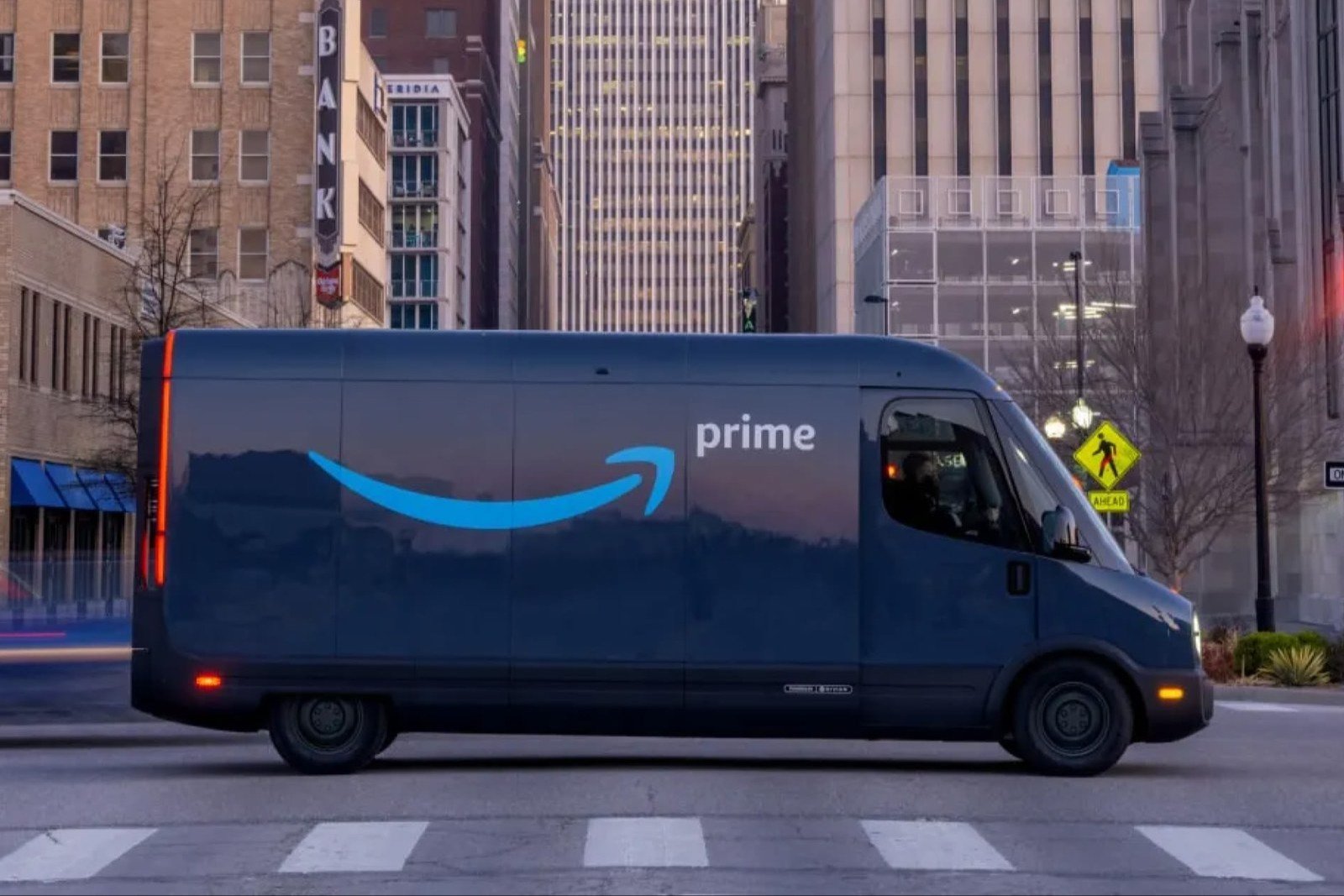
Cox puts Rivian's commercial vans, the EDV 500 and EDV 700, at 8,469 units, up 220.9%. That is 44% of everything Rivian sold in the quarter, against 20% a year ago.
Do the subtraction. Rivian added 6,038 units year over year. The vans added 5,830 of them. In other words, 97% of Rivian's growth came from a product no household can buy. Most Americans meet it only when a package arrives.
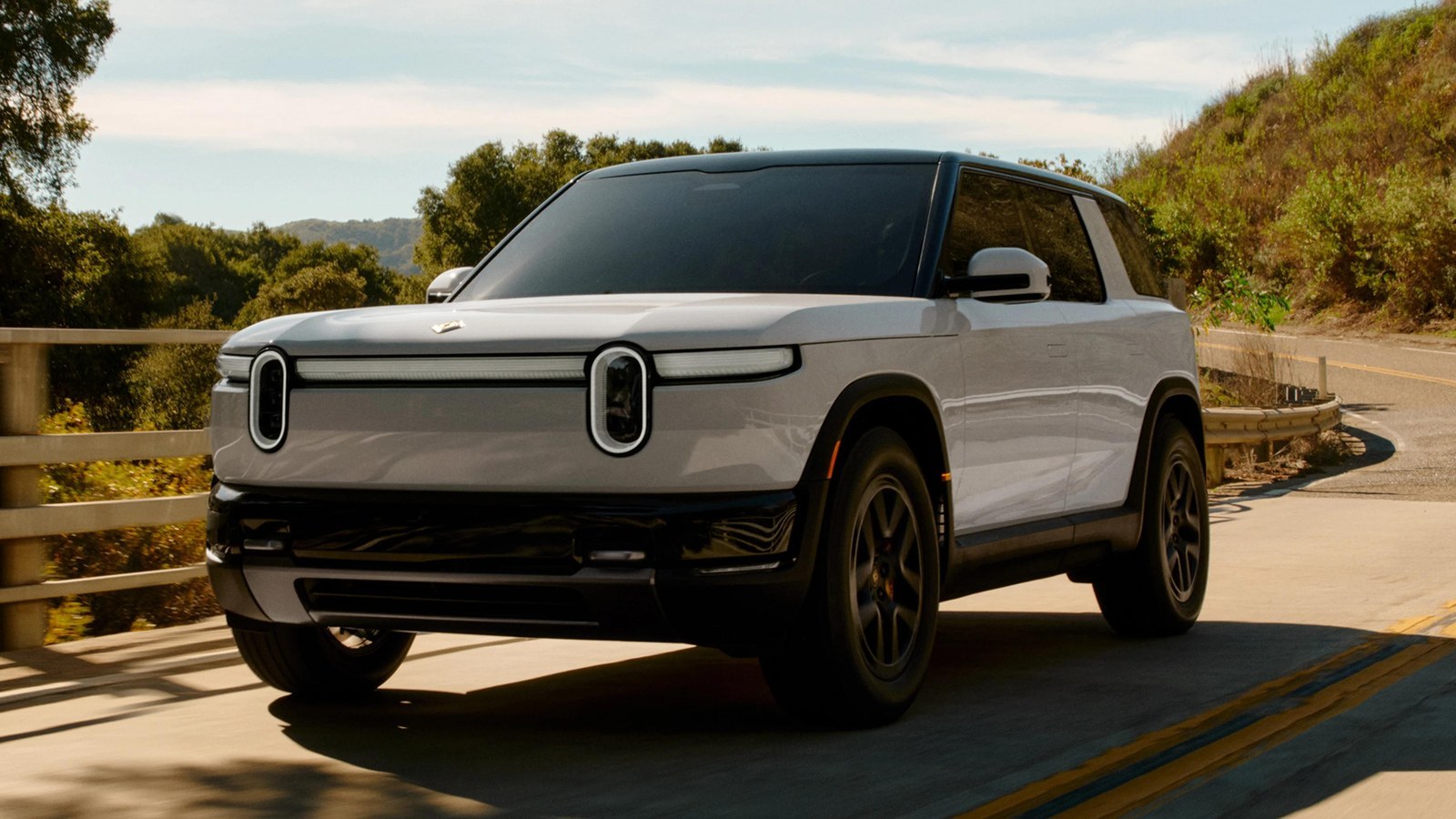
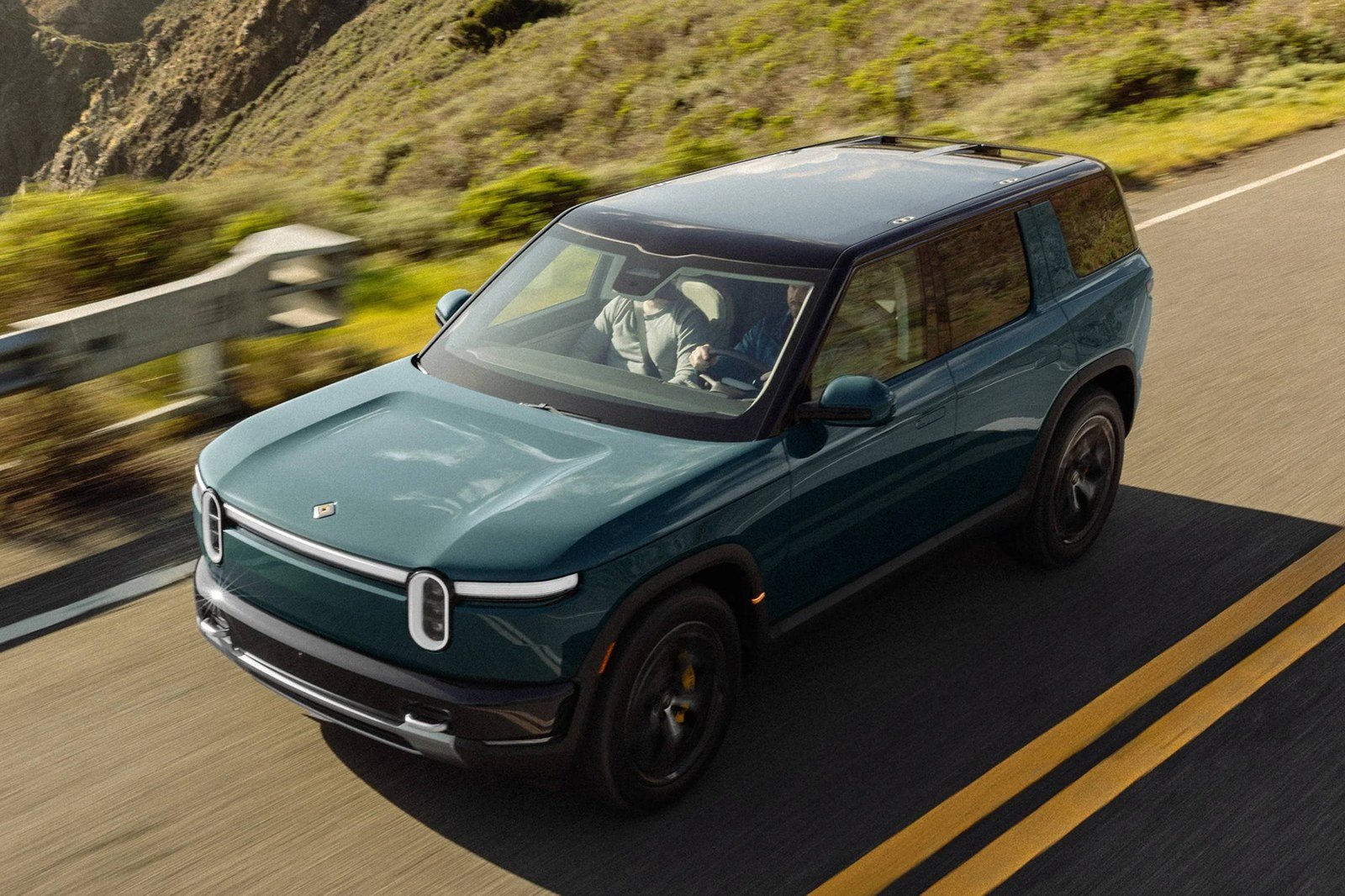
Now look at the consumer side. The R1S fell 31.8% to 5,582. The R1T fell 27.2% to 1,732. The R2 added 3,456. Put the three together and Rivian sold 10,770 of its consumer models, against 10,562 a year earlier. That's growth of 2%.
| Q3 2025 | Q3 2026 | Change | |
|---|---|---|---|
| EDV 500/700 vans | 2,639 | 8,469 | +220.9% |
| R1S | 8,184 | 5,582 | −31.8% |
| R1T | 2,378 | 1,732 | −27.2% |
| R2 | — | 3,456 | new |
| Consumer models (R1S + R1T + R2) | 10,562 | 10,770 | +2.0% |
| Rivian total | 13,201 | 19,239 | +45.7% |
What strikes me is how neatly the R2 replaced the R1. The two R1 models lost 3,248 sales. The R2 brought in 3,456. Some of that is surely the same buyer choosing a cheaper Rivian, and that is not the same thing as new demand. My bet is that a real share of R2 orders came from people who would have bought an R1 a year ago. Rivian itself gives current owners priority in the R2 order queue, according to its launch announcement.
How the rest of the field handed Rivian the No. 2 spot
Rivian didn't climb past Chevrolet so much as Chevrolet fell past Rivian. The Equinox EV, the closest thing America had to a mainstream electric crossover, dropped from 25,085 sales to 1,905. Ford's EV total fell 80.2% to 6,047, and the F-150 Lightning sold 289 units. I argued yesterday that GM now makes its money on trucks, not EVs, and these figures show the other side of that choice.
Two more checks keep the ranking in proportion. Rivian's 19,239 would have placed sixth in the third quarter of 2025, behind Honda. And strip out the vans, and Rivian's 10,770 consumer sales rank fifth, behind Toyota, Cadillac and Hyundai, though still ahead of Chevrolet. Rivian earned a place in the top five. The vans bought it second.
The case against my view
The strongest objection is simple: a van is a sale. Each EDV brings in real revenue, and the EDV 500 started at $79,900 when Rivian opened van sales to all fleets in February 2025. Amazon's 2019 agreement covers 100,000 vans by the end of the decade, electrive reported, which gives Rivian a volume floor no other EV startup has. Calling that a weakness misreads the business.
I agree with most of it. The van contract is the best thing Rivian owns. But it answers a different question. A fleet buyer orders on a multiyear plan and doesn't care that the tax credit is gone. A household does. If you want to know whether Americans will buy electric SUVs at full price, the vans tell you nothing, and the consumer number tells you "barely."
The second objection is that the R2 is early, so 3,456 is a fast start. Partly true. But the R2 is not a late-quarter fragment. Public deliveries began on June 9, so the third quarter was its first full three months. And Rivian is still selling only the $57,990 R2 Performance with Launch Package. The $53,990 Premium trim arrives late this year, and the $48,490 and $44,990 Standard versions follow in 2027. The R2's mass-market price is still ahead of it.
The third objection is the data itself. Cox estimates model splits, and Rivian doesn't confirm them. Fair, and I'd treat any single line as approximate. But Cox's U.S. total lands within nine units of the company's own delivery count, which also includes Canada, and a 220% jump in vans is not a rounding error.
What would change my mind
Rivian reports third-quarter results on October 29. If management breaks out EDV deliveries and the number is well below Cox's 8,469, the whole fleet argument weakens, and I'll say so.
The bigger test is the fourth quarter. Rivian has reaffirmed guidance of 65,000 to 70,000 deliveries for 2026. It has delivered 41,807 through September, so it needs between 23,193 and 28,193 in the last three months, at least 20% above the record it just set. If Rivian hits that range with vans at or below their third-quarter pace, the R2 is doing real work, and I was too skeptical. If the vans fill the gap again, my reading stands.
One more signal to watch is the R1. If R1S and R1T sales stabilize while the R2 grows, the R2 is finding new buyers. If the R1 keeps falling at 30% a year, Rivian is mostly moving its own customers down the price ladder. California, where EV demand has held up far better than the national average, will be the first place to see which one it is.
My read
Rivian's No. 2 ranking is real, and it reflects a strong fleet business in a market where legacy automakers pulled back. It is not proof that American households are buying electric SUVs without a tax credit. The consumer side grew 2%, and the R2 mostly filled the hole the R1 left. The R2 gets its real exam in the fourth quarter, with a delivery target that, in my view, vans are unlikely to cover on their own.