California Sells EVs at 2.5x the U.S. Rate. Its $3,500 Rebate Isn't the Reason
MyFirstEV put 12,000 first-time buyers into EVs, yet California's EV share slipped in the quarter it launched. The state's lead runs on $6 gas and home chargers.
Contents · 6 parts
California's new-car buyers chose a fully electric vehicle 16.3% of the time in the third quarter, according to the California Energy Commission. Nationally, the figure was 6.4%. Over the same stretch, the state's new MyFirstEV program put about 12,000 first-time buyers into EVs with $3,500 off at the dealership.
The easy reading is that the rebate keeps California ahead. I don't buy it. Here's what the headlines miss: in the quarter the rebate launched, California's EV share slipped while the national share rose. The discount is real money, and it clearly moves buyers. But California's lead was built before the program existed, and it rests on two things a rebate can't buy: $6 gasoline and chargers that already sit in people's garages.
A $270 million pool, 13 automakers, and 12,000 takers
MyFirstEV opened on August 3. Any Californian buying a first zero-emission vehicle gets $3,500 off a new EV with an MSRP up to $50,000, or $1,750 off a used one sold for up to $25,000. The state put in $135.5 million, and 13 automakers match it dollar for dollar, for about $270 million in total. The money is paid at the point of sale, first come, first served. The CEC's third-quarter report credits the program with about 12,000 new EVs since launch.
In practice it isn't one pool. Each automaker runs its own allocation, and they are draining at very different speeds. On CARB's list of participating manufacturers, Tesla is marked closed with no funds left, while Mitsubishi doesn't start until November. According to Drive Tesla Canada, Tesla's share was gone in five days, between August 3 and August 8.
The rebate arrived, and California's share went down
Put the third quarter next to the second, and the story changes.
| Q2 2026 | Q3 2026 | |
|---|---|---|
| California ZEV sales | 86,857 | 80,392 |
| California ZEV share | 19.1% | 19.1% |
| California EV share | 16.6% | 16.3% |
| U.S. EV share | 5.8% | 6.4% |
| Gap, percentage points | 10.8 | 9.9 |
| MyFirstEV rebates | Not launched | ~12,000 (through mid-October) |
The figures come from the CEC's second-quarter and third-quarter reports. The gap between California and the rest of the country narrowed by almost a point in the first quarter the state was handing out $3,500 discounts. That is the opposite of what a decisive incentive looks like.
Scale explains part of it. Even if all 12,000 rebates had landed inside the quarter, and they didn't, since the count runs into October, that would be about one in six of California's 68,811 new EVs. My bet is that many of those buyers were already shopping, and the rebate decided which car they bought rather than whether they bought one.
Compare that with the incentive that really did move volume. A year earlier, California sold 108,685 EVs in a single quarter as buyers rushed to beat the end of the $7,500 federal credit on September 30, 2025. This year's third quarter came in about 37% lower in units. A federal credit more than twice the size, open to far more buyers, created a stampede. A $3,500 state program limited to first-timers has not come close.
The pump and the garage do the heavy lifting
The Energy Information Administration put California regular at $6.10 a gallon in the week of October 12, against $4.33 nationally. That is a $1.77 premium, after a year in which California gas rose about $1.65 a gallon. A week earlier, the state average reached $6.23.
Take a 30-mpg car driven 12,000 miles a year, which is my assumption, not a state figure. At California prices it burns about $2,440 a year in fuel, roughly $710 more than the same car would cost at the national average. The rebate is a one-time $3,500, about 17 months of that gas bill. The pump premium shows up every week, and every California driver sees it at every fill-up. I worked through the per-mile math in an earlier column on gas versus charging costs; at $6 gas, the case for an EV barely needs a subsidy.
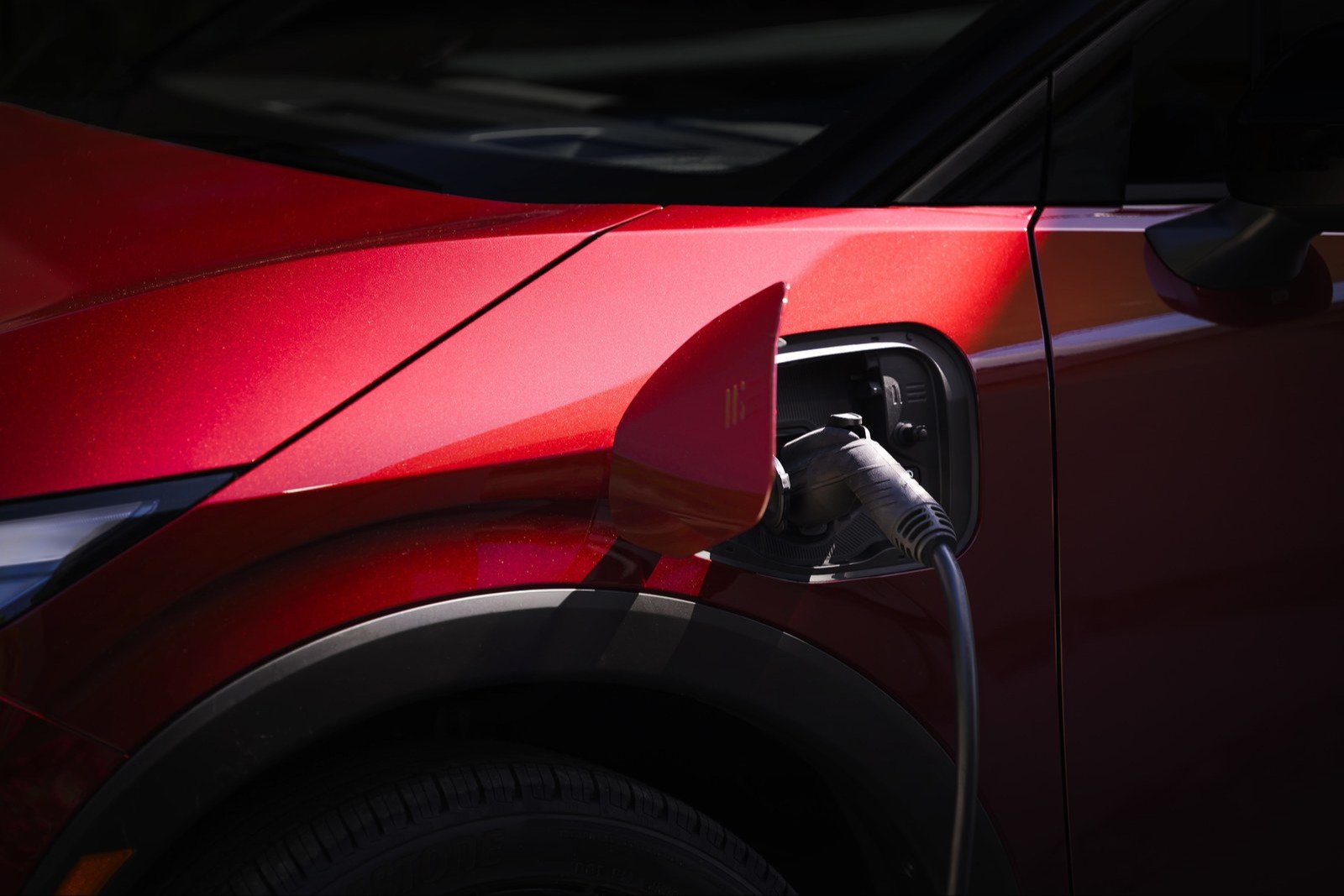
The second leg is charging. California counted 224,438 public and limited-access charging ports as of June 30, about 23,000 of them DC fast chargers. On top of that, the CEC estimates 1,179,497 chargers in homes with one to four units. That home number matters more than any public map. A buyer who can plug in overnight doesn't need the state to persuade them; they need a car that fits the budget.
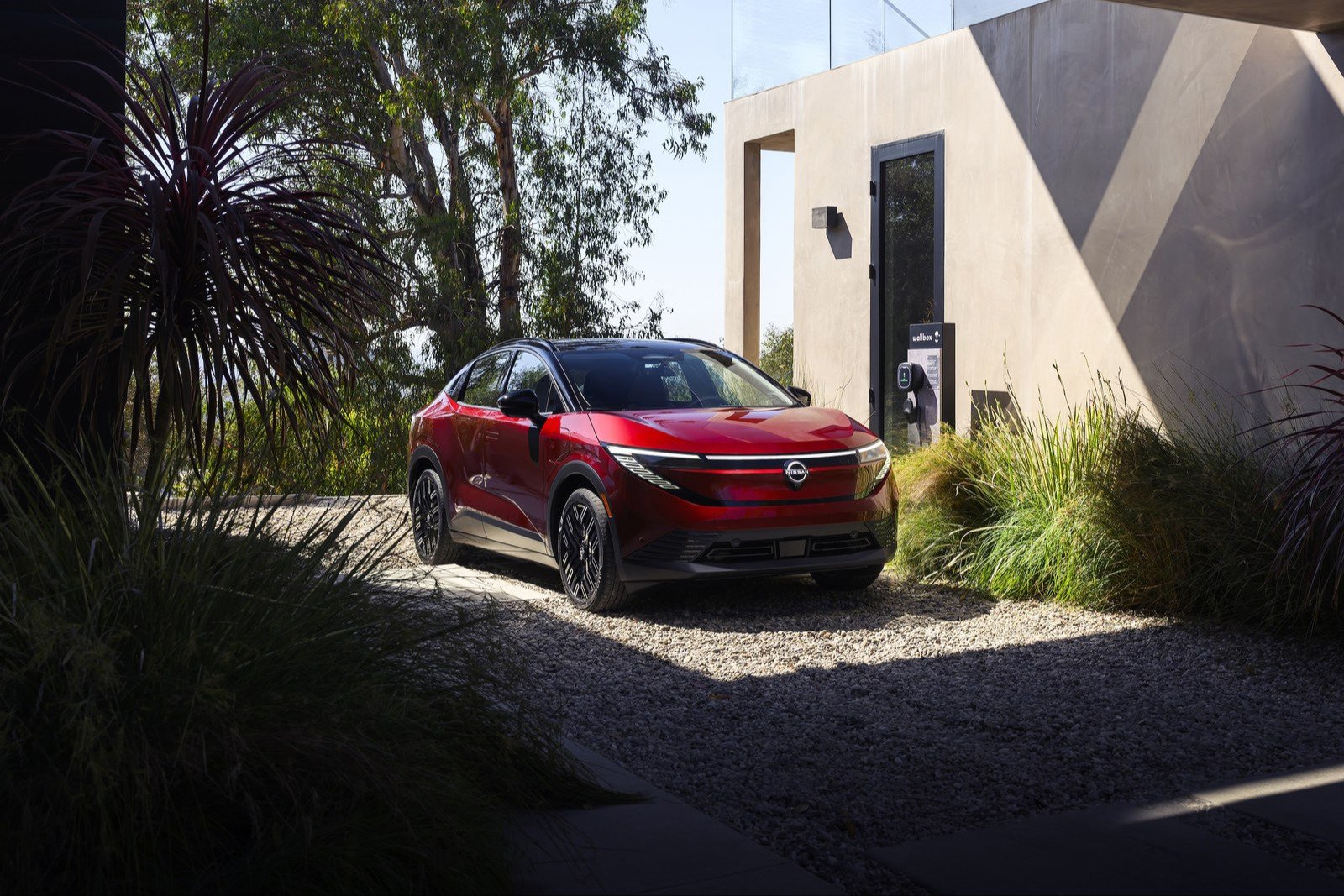
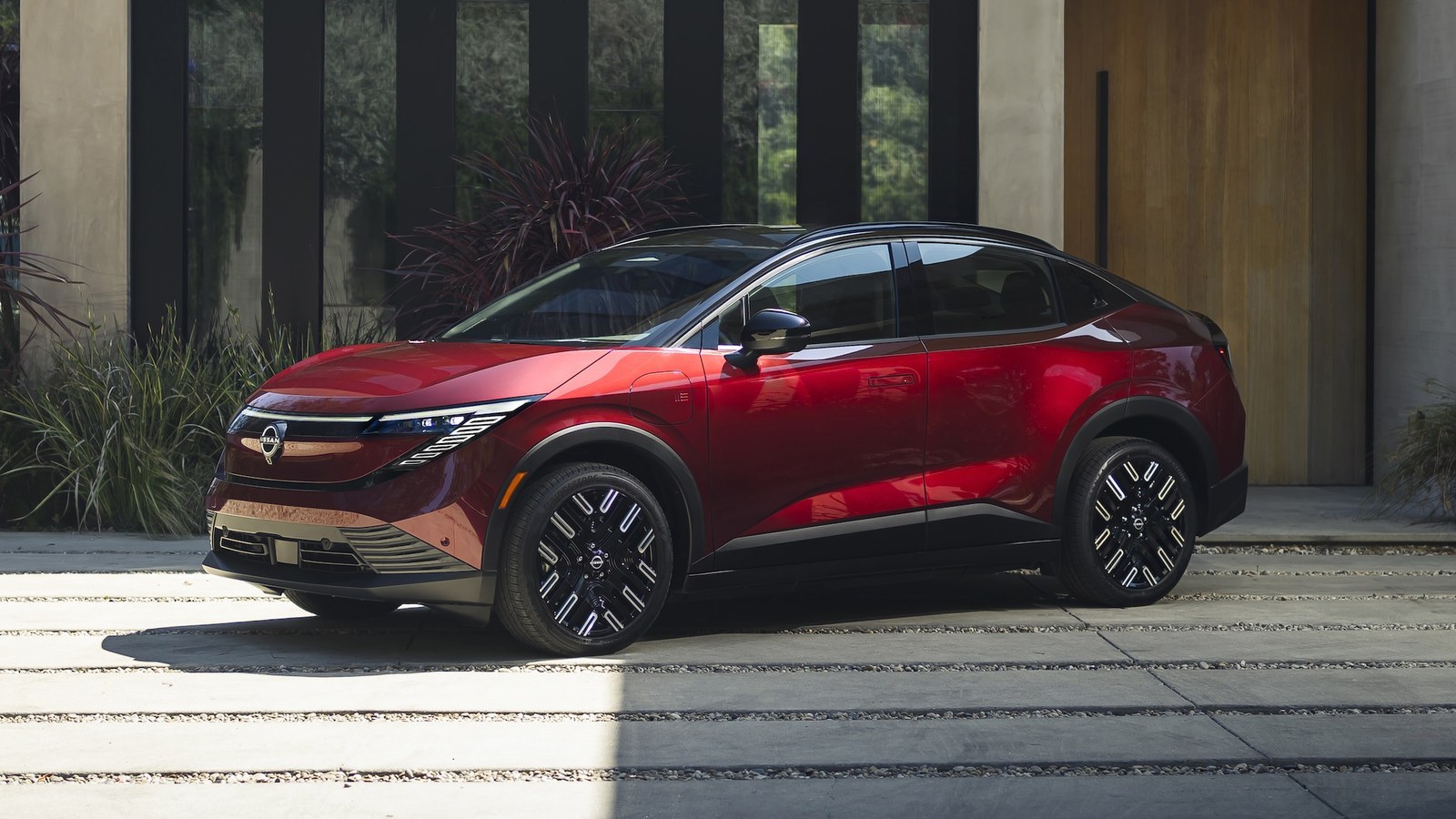
That is where the rebate does useful work. A flat $3,500 lands hardest on the cheapest models. On a 2026 Nissan Leaf S+ listed at $29,990, it is more than a tenth of the sticker. The Tesla allocation vanishing in days says the same thing from the other side: at the right price, demand is there. For other states, that is a better lesson than California's headline share.
The case against my view
The strongest objection is that I'm using the wrong baseline. The CEC notes that higher interest rates and weak consumer confidence held back new-vehicle sales nationally in a quarter that is usually strong. Without 12,000 rebates, California's EV share might have fallen well below 16.3%. The national rise to 6.4% may itself be a gas-price effect that California, already far more electric, had less room to repeat. On that reading, the rebate didn't fail. It held the line.
That's fair, and I can't rule it out: the state hasn't said how many recipients would have bought an EV anyway. But the argument cuts both ways. If 12,000 subsidized sales only kept California flat while the rest of the country gained ground with no state rebate at all, the program bought stability, not growth. And when Tesla buyers lost the discount after the first week, the statewide share didn't fall apart.
What would change my mind
The fourth quarter is the real test. If the CEC's report for October through December, likely due in January, shows California's EV share clearly above 17% while gas eases from its October peak, the rebate deserves more credit than I'm giving it.
The second test is the pool. At the current pace, about 12,000 cars in roughly ten weeks, or around $42 million of the $270 million, the money could last well into 2027, though allocations will run out brand by brand. If the EV share drops a point or more in the quarter after the funds are gone, the rebate was carrying more weight than the numbers show today. And if CARB publishes buyer data showing most recipients weren't considering an EV before the discount, I'll take that seriously.
My read
California's EV lead is a fuel-price and home-charging story, and MyFirstEV is a footnote to it, not the cause. The program's most useful finding is how quickly buyers move on a price cut. For readers in other states, the lesson isn't to wait for a California-style rebate: EVs win where gas is expensive and charging happens at home, and a subsidy mostly speeds up a decision those two things have already made.