Sedans Aren't Back. Cheap Cars Are, and the New Elantra Has to Stay One
The Elantra is growing because it's Hyundai's cheapest real option, not because buyers left SUVs. The redesign adds costly content, and its unannounced price decides the bet.
Contents · 6 parts
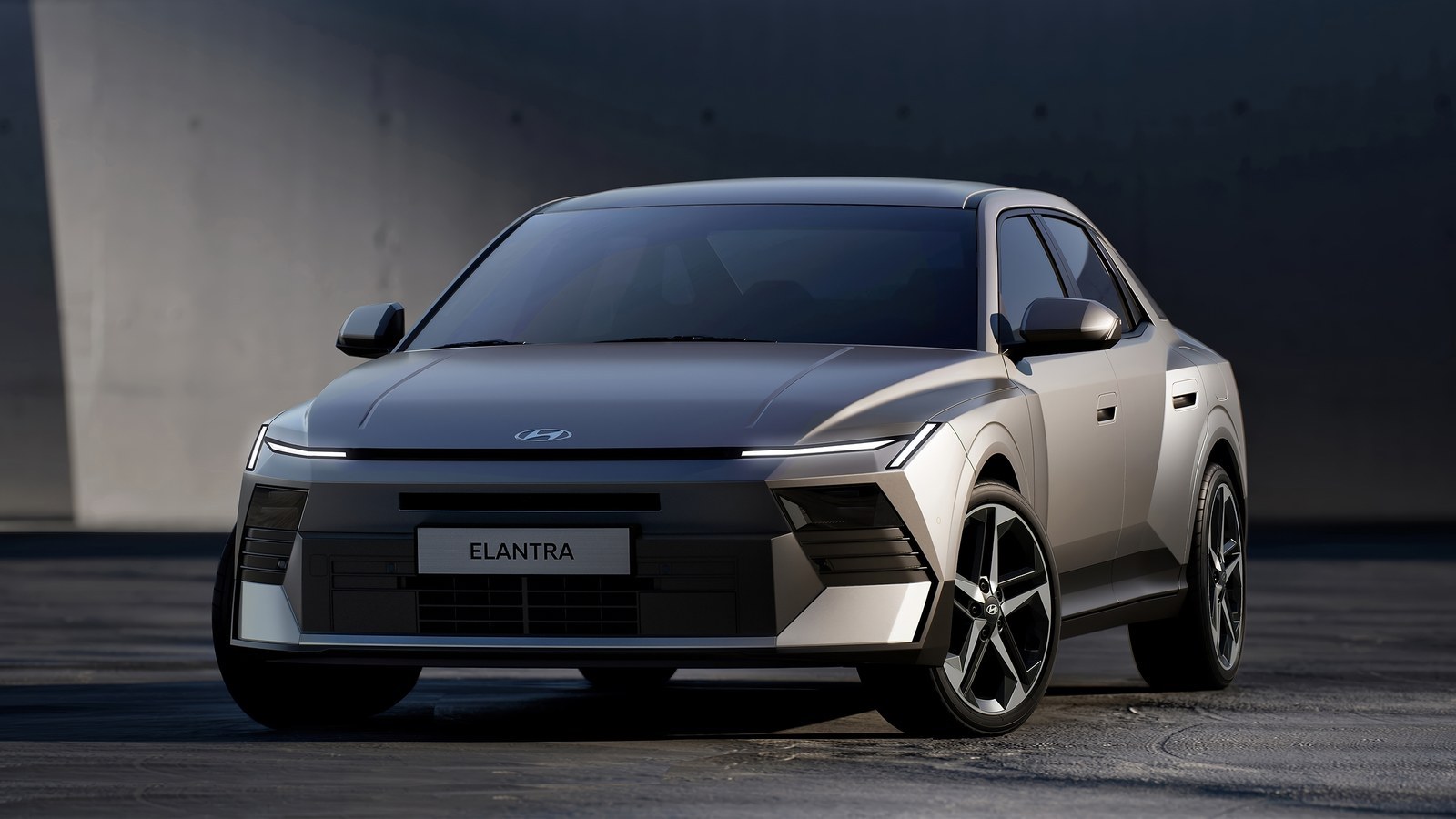
Hyundai sold 140,614 Elantras in the first ten months of 2026, up 11%, and on Nov. 19 in Los Angeles it showed the car that replaces it. Three days later, Hyundai's product chief told The Drive that sedans are worth the investment because buyers squeezed by prices are moving back to them.
I agree with the diagnosis and worry about the cure. Here's what the "sedans are back" headlines miss: Americans haven't fallen out of love with SUVs. They've fallen out of love with $30,000 entry prices. The Elantra is winning because it is the cheapest Hyundai most people would consider, and the new one adds a lot of things that cost money. Hyundai hasn't said what it will charge, and that number decides whether this bet pays.
Hyundai put real money into a car the industry wrote off
The eighth-generation Elantra is not a facelift. According to Hyundai Motor America's release, the body grows 3.4 inches in length and 1.2 inches in width, rear legroom reaches 39.1 inches, and a 12.9-inch screen running the new Android-based Pleos Connect system is standard on every trim. The gas car keeps a 147-hp 2.0-liter engine with a target of up to 35 mpg combined. The hybrid, oddly badged as a 2028 model, rises to 155 hp and targets up to 53 mpg. On-sale timing, pricing, and EPA ratings will be announced "closer to launch."
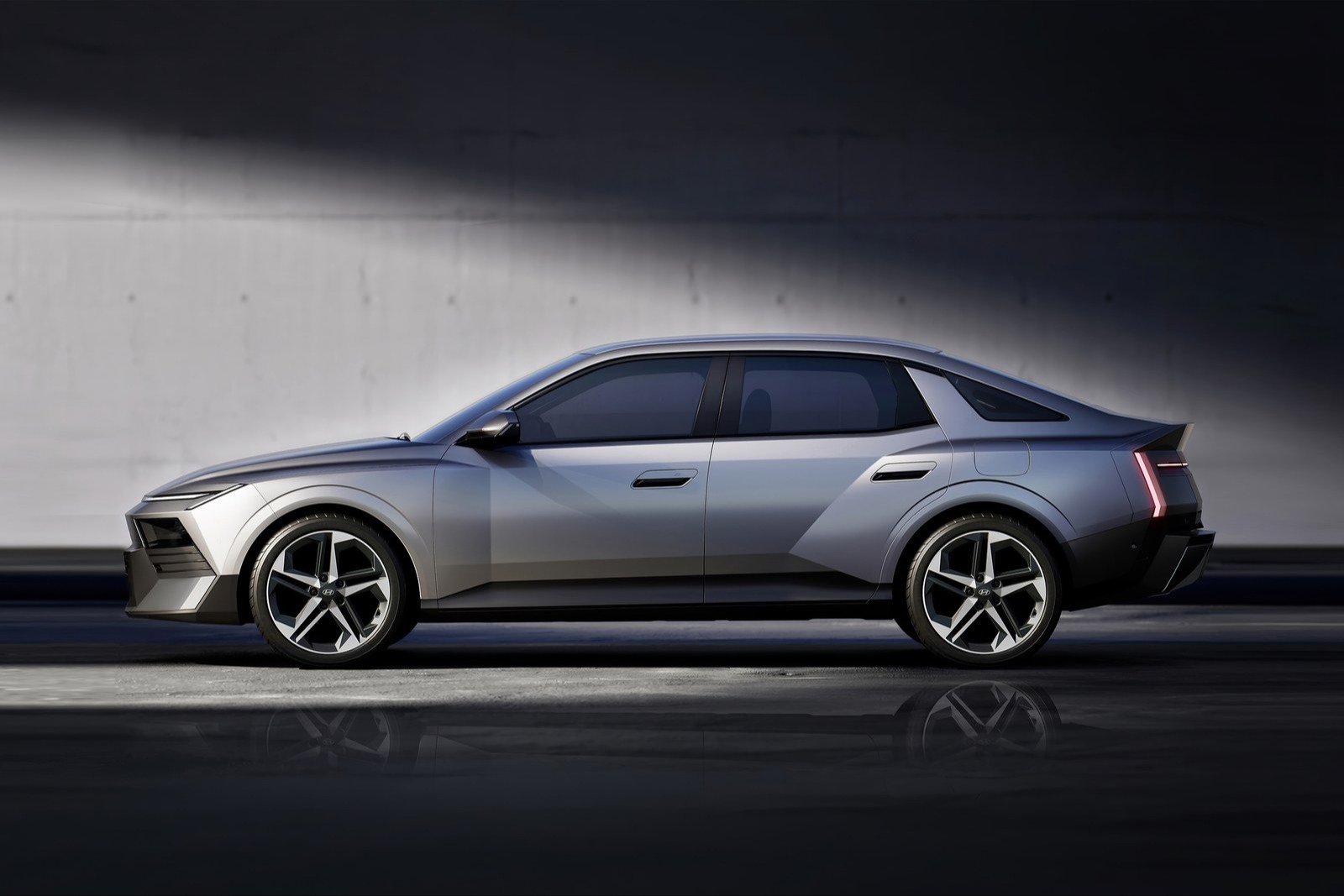
The strategic message came separately. Olabisi Boyle, Hyundai Motor North America's senior vice president of product planning, told The Drive that over the last year, with affordability in focus, some buyers have simply decided to move to a sedan. Asked whether sedans are worth investing in, she said they have been for Hyundai and will consistently be.
The numbers say price, not taste
The tempting story is a seesaw: Elantra up, Tucson down. October looks exactly like that. Hyundai sold 12,011 Elantras, up 17%, and 17,808 Tucsons, down 23%, per the brand's October figures. But I don't buy the seesaw. Hyundai revealed an all-new Tucson on Oct. 1, with U.S. sales starting in early 2027, so the October dip is a changeover month, not a verdict on SUVs. Over ten months the Tucson is still up 6%, and the Santa Fe jumped 52% in October alone.
What the data does show is that the cheapest car grows fastest, even in a year when every Hyundai is growing.
| Elantra | Tucson | |
|---|---|---|
| Starting price, 2026 model (incl. destination) | $23,870 | $29,450 |
| July 2026 sales | 17,115 (+39%) | 19,714 (+20%) |
| October 2026 sales | 12,011 (+17%) | 17,808 (−23%) |
| January–October 2026 | 140,614 (+11%) | 199,495 (+6%) |
| Next generation | Revealed Nov. 19, on-sale date TBA | Revealed Oct. 1, on sale early 2027 |
Sources: Hyundai monthly sales via Motor1 (July), Herald Corp (October), and Just Auto (year to date); prices from Kelley Blue Book and hyundaiusa.com.
The Elantra now accounts for roughly 18% of Hyundai's U.S. volume this year, and in July it came within 2,600 units of the brand's best-seller. The gap that matters is the one in the first row: more than $5,500 between the two cheapest ways into a new Hyundai.
The pattern isn't Hyundai's alone. Bloomberg, as carried by Claims Journal, reported Sonata sales up 34% in the third quarter and Honda posting its best third quarter for cars since 2020, with Hyundai's Randy Parker citing the "cost pressure" consumers face. J.D. Power put the average new-vehicle price above $50,000 in August. When the average car costs that much, a sedan starting in the low $20,000s stops being a compromise and becomes the only door left open. I made a similar point when new-car prices hit a record: the market didn't lose its entry level, it priced it out.
A better car is a more expensive car
This is where the bet gets risky. Almost everything Hyundai highlighted in Los Angeles is content: a bigger body, a standard 12.9-inch display, 100-watt USB-C up front, an LLM-based voice assistant, a multi-link rear suspension on the hybrid, available Bang & Olufsen audio. Hyundai's own framing is ambitious. It calls the rear seat best-in-class and pitches near-midsize space in a compact car.
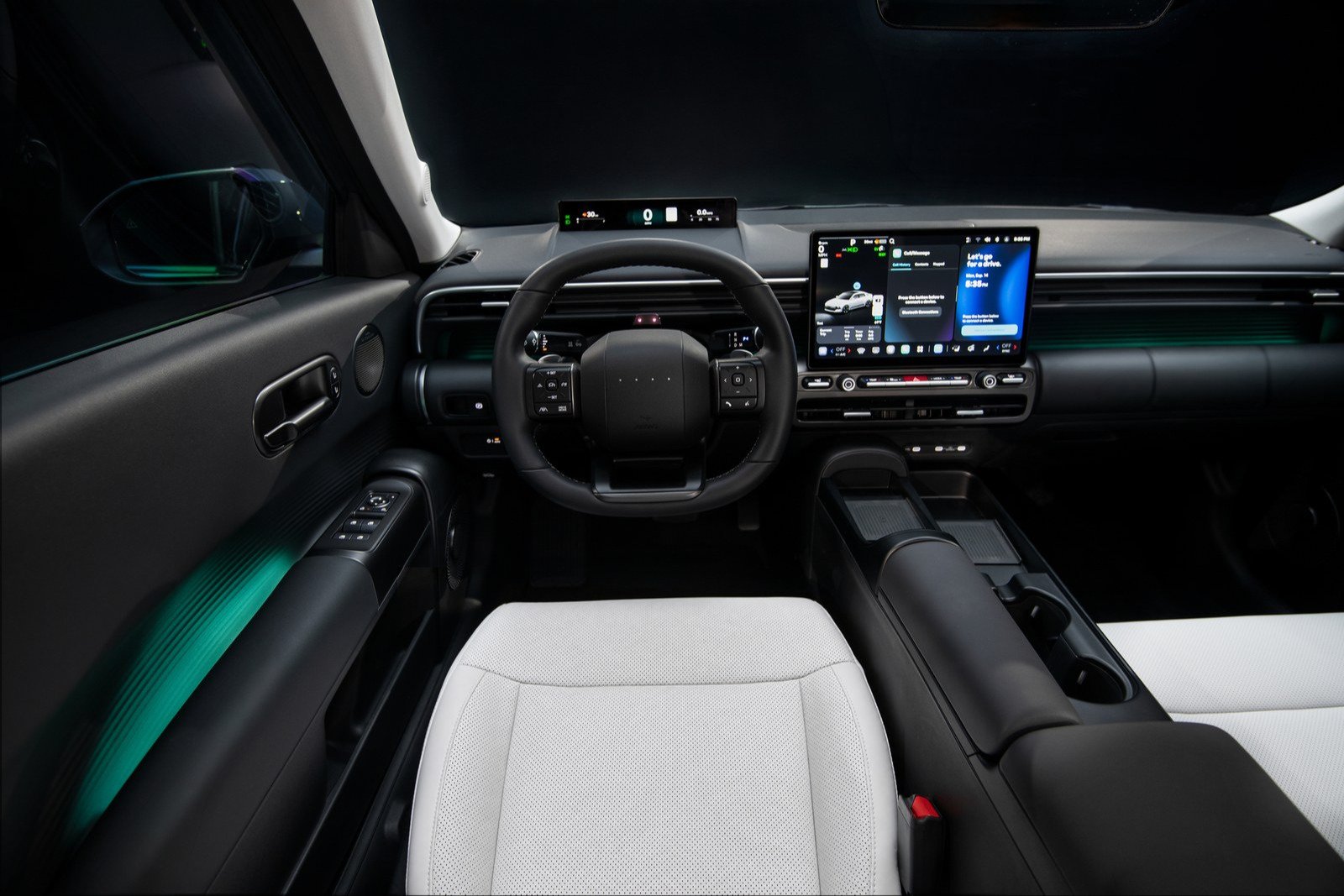
None of that is free. And Hyundai's executives keep repeating the same word. Parker called the new car "an attainable entry point" into the brand; Boyle said the radical move in this market is building a desirable car people can afford. That's the right instinct, but it's a promise, not a price sheet. My bet is that the 2027 Elantra lands above today's car. The real question is how far above, and whether the gap to the new Tucson survives.
The stakes are higher than one nameplate. With the regular Ioniq 6 dropped from the U.S. lineup earlier this year, the Elantra and Sonata are Hyundai's only mass-market sedans. If the Elantra drifts upmarket, Hyundai has no cheaper sedan underneath to catch the buyers it was built to win. It's the same reflex I wrote about with the disappearing cheap gas trims: the cheapest version is the first one a carmaker decides it can live without.
The case against my view
The strongest objection is that I'm reading too much into run-out sales. Both the Elantra and the Tucson are outgoing generations, and dealers move old stock with cash. Some of the Elantra's growth is almost certainly bought with incentives, and I couldn't find a national figure for Hyundai's incentive spend on it to separate the two. Boyle herself added a caveat: at least in the near term, sedans won't sell as well as SUVs. Hyundai is not betting the company on four doors.
My answer is that discounts don't explain the spread. Both cars are in run-out, both get deals, and the cheaper one still grows almost twice as fast over ten months. Honda's cars outgrew its SUVs and trucks this year too, 15.6% to 0.3% by AutoGuide's tally, and Honda wasn't clearing out an old Accord. Price pressure is the common thread. And if incentives are doing more of the work than I think, that strengthens the warning: buyers who need a discount to buy a $24,000 car won't follow it to a higher sticker.
What would change my mind
If Hyundai prices the new Elantra so that the base car still sits more than $5,000 below the base 2027 Tucson when both price lists are out, the content is effectively free, and my worry about the redesign is wrong.
If Elantra sales keep growing in the first quarter of 2027, after run-out stock clears and before any new incentives, that would point to genuine demand for the car rather than its price. Hyundai's April 2027 sales release will show it.
And if the new Tucson arrives in early 2027 and the Elantra still holds about 70% of its volume through mid-2027, as it does this year, then sedans have earned a durable seat, not a temporary one created by sticker shock.
My read
Hyundai is right that sedans are worth the money, but for the wrong reason to celebrate: buyers are coming back because SUVs got expensive, not because sedans got cool. The new Elantra looks like a better car in almost every way that Hyundai showed. If it also becomes a meaningfully pricier one, it will lose the one argument behind its 11% growth this year.