That Record $16,562 Used-Car Discount Is Really a Bill for 2023 Buyers
Three-year-old cars sell a record $16,562 below sticker, yet used prices rose 3.1% in a year. The gap is a bill for 2023 buyers, not a bargain.
Contents · 7 parts
Three-year-old used vehicles sold for an average of $16,562 below their original sticker price in the third quarter, the widest gap Edmunds has on record. The typical one changed hands for $32,039 against an original MSRP of $48,601.
Most of this week's coverage has called that a record saving for used-car shoppers. I don't buy that framing. Here's what the headlines miss: the gap grew on the new-car side of the ledger, and the average three-year-old car actually costs more than it did a year ago.
The record isn't a gift to the person buying used in 2026. It's a bill for the person who bought that same car new in 2023.
Edmunds' own numbers show used prices rising
According to the report, published Nov. 17 under the byline of Edmunds director of insights Ivan Drury, the average three-year-old vehicle sold for 3.1% more than a year earlier, when the figure was $31,067. It slipped slightly from the second quarter's $32,461, which I'd read as a seasonal wobble, not a collapse.
The previous record gap was $16,252, set in the fourth quarter of 2019. Owners now keep 65.9% of the original sticker after three years, the lowest share since early 2021. In the third quarter of 2022, that share peaked at 76.6%.
Every dollar of the record came from the sticker
Edmunds also publishes the four-year comparison, and it settles the question of where the gap came from.
| Q3 2022 | Q3 2026 | Change | |
|---|---|---|---|
| Average original MSRP | $40,826 | $48,601 | +$7,775 |
| Average transaction price | $31,259 | $32,039 | +$780 |
| Gap below MSRP | $9,567 | $16,562 | +$6,995 |
| Share of MSRP retained | 76.6% | 65.9% | −10.7 pts |
The gap widened by $6,995. Original stickers rose $7,775 over the same span. Transaction prices rose $780. So used prices moved against the discount, not with it. Had three-year-old cars simply held their 2022 price, the record would be bigger still.
The record exists because the cars that are three years old today were sold new at 2023 prices. It's the same sticker climb that pushed the average new car to a $51,000 record this fall, seen three years later from the used lot.
And 2023 buyers mostly paid those stickers. Edmunds reported that the average new-vehicle transaction price only dipped below average MSRP in November 2022, for the first time since July 2021, and then by just $15. Whoever drove off a lot in 2023 was paying roughly full price, not the discounts that came later.
The bill lands on the 2023 owner
Put both ends of one car's life together. A buyer who paid close to $48,601 for the average 2023 vehicle is now looking at a retail value around $32,039. That's about 34% gone in three years. A car bought new in 2019 and sold in 2022 kept 76.6%, a loss closer to 23%.
The trade-in hurts more than that. $32,039 is what a dealer collects at retail. A trade-in is priced below retail, so an owner rolling a 2023 car into something new starts from a lower number than the headline. Edmunds doesn't publish a trade-in figure in this report, so I won't invent one.
Lessees are the exception. Leasing jumped to 2.59 million vehicles in 2023 from 2.06 million in 2022, Edmunds says. A lessee can hand back the keys and walk; if the residual on that contract was set high, the loss lands on the lender, not the driver. Those returning leases also mean a wave of three-year-old supply arriving at once.
The slow sellers are orphans and heavy-duty trucks
That supply shows up in the selling time. Three-year-old vehicles took 43 days to sell in the third quarter, up from 38 in the second and the longest third quarter in at least a decade. The quarter-to-quarter jump was 13.2%, against about 5% in a typical year.
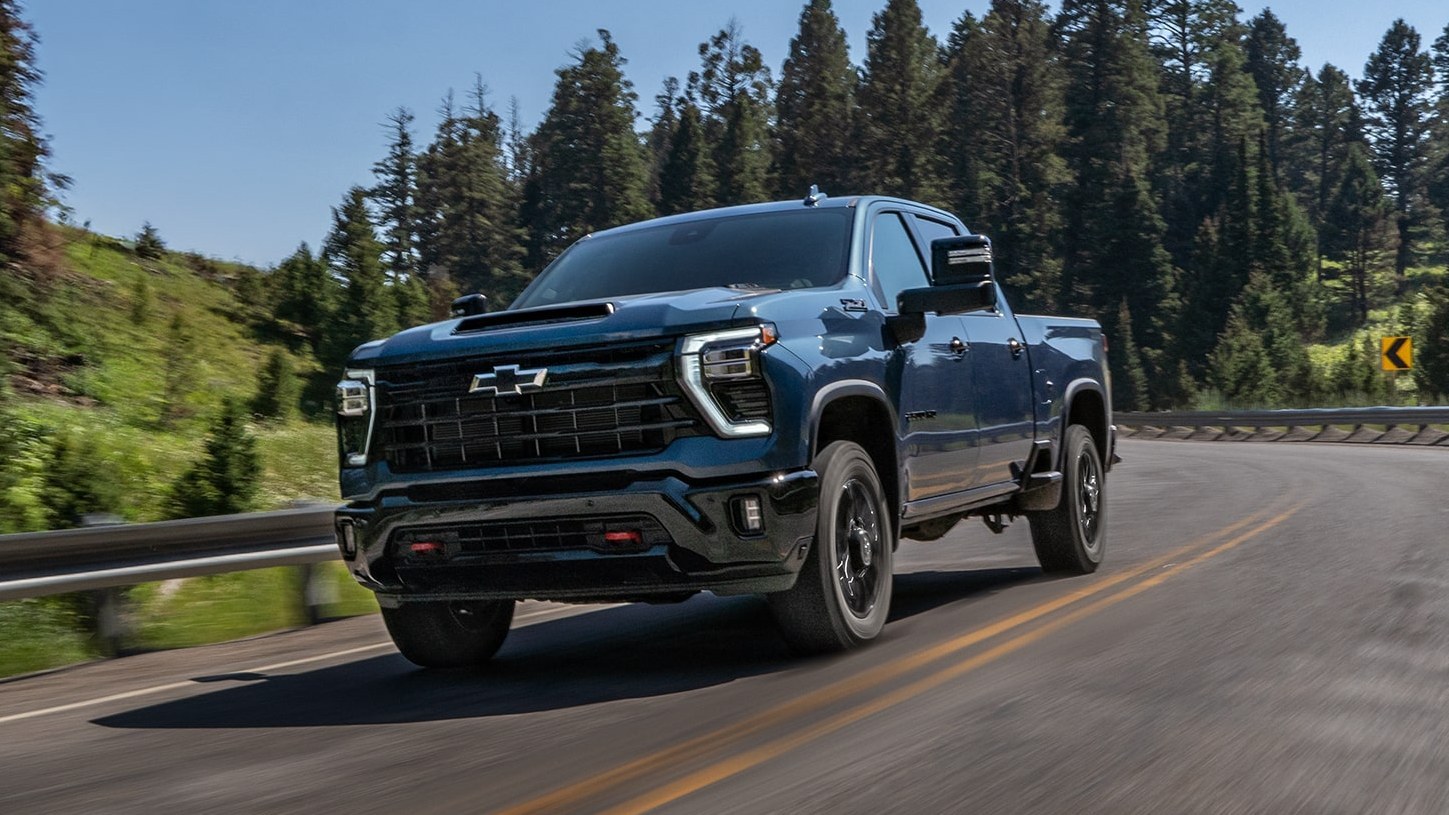
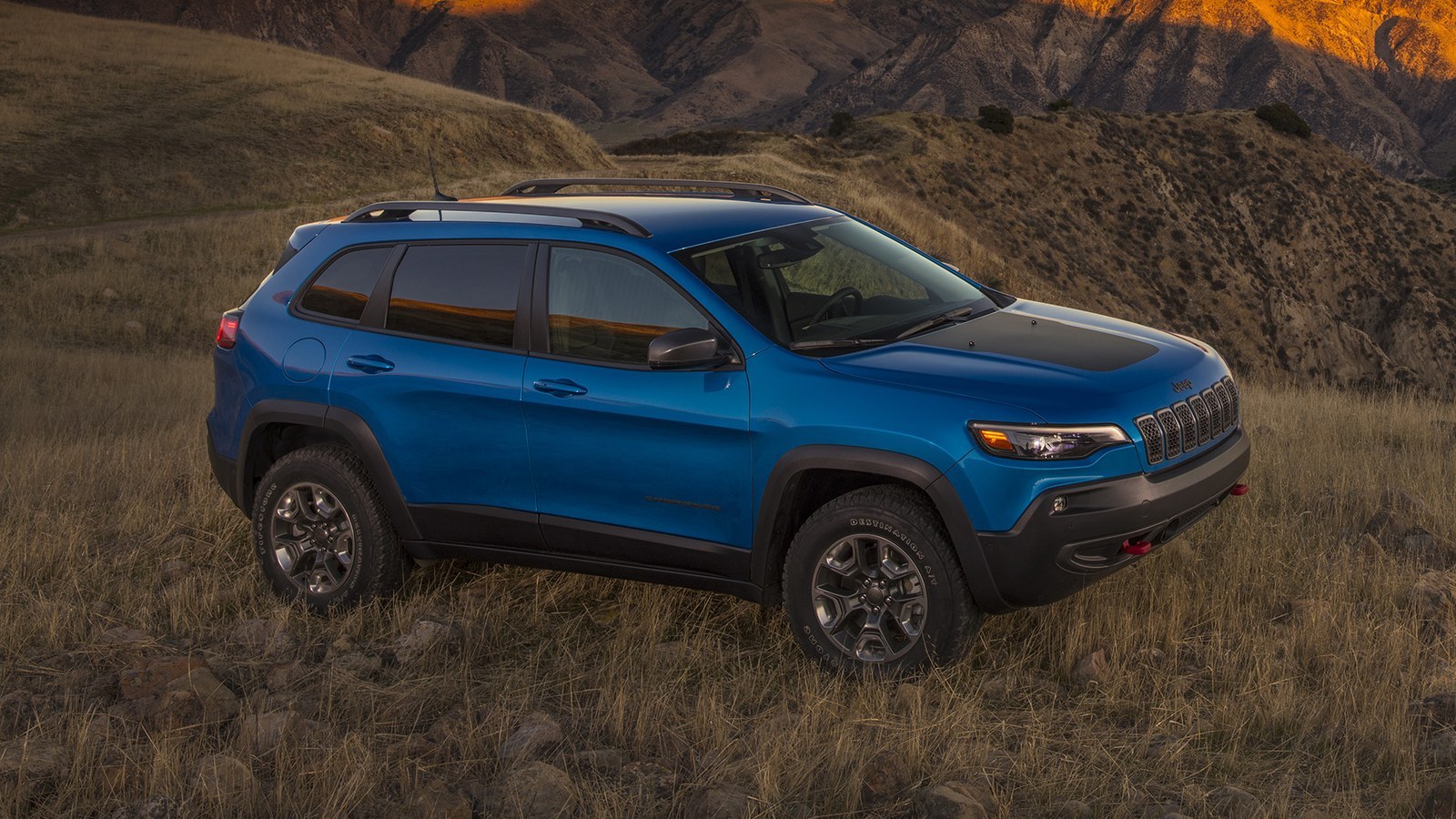
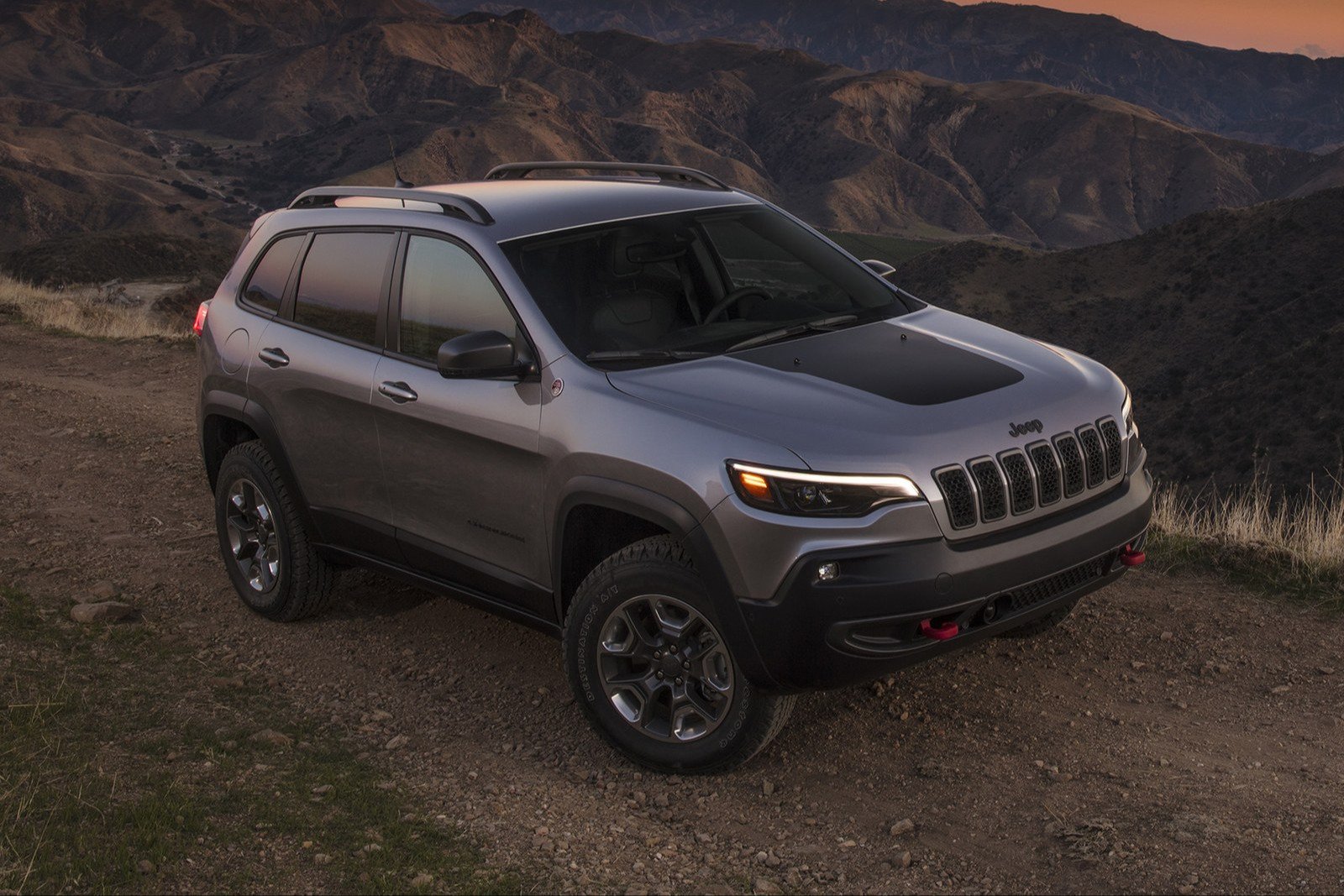
The bottom of Edmunds' list is telling: the Jeep Cherokee at 64 days, the Chevrolet Silverado 3500HD at 62, and the Nissan Maxima at 61. Two of those three went out of production in 2023. Cherokee production ended when Stellantis idled its Belvidere plant at the end of February 2023, and Nissan stopped building the Maxima in mid-2023. A three-year-old car from a generation that ended the year it was built is a hard sell. The Cherokee has it worse: an all-new hybrid Cherokee now sits on the same lots, and Jeep dealers already have plenty of new inventory to move.
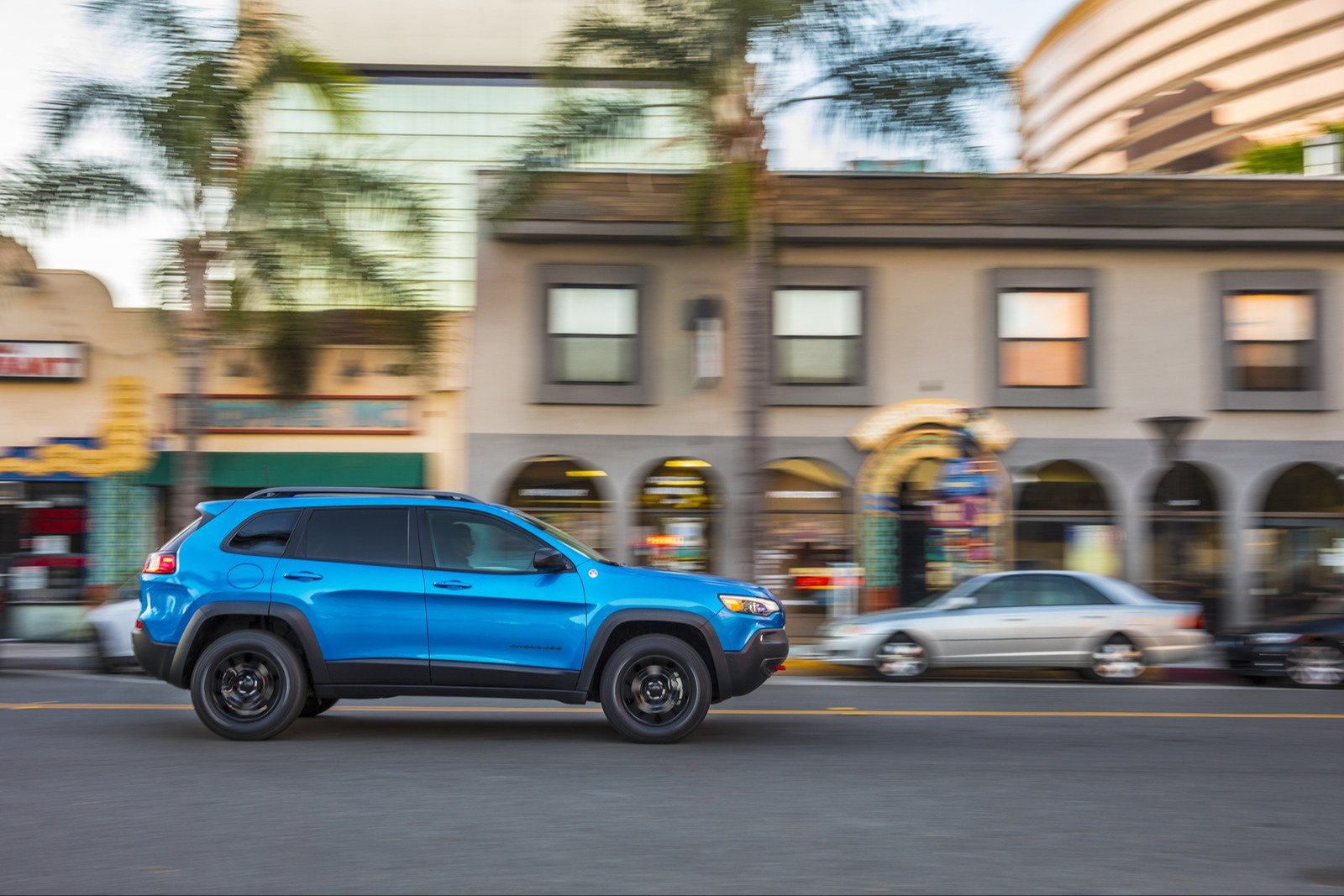
The Cherokee is also a small lesson in how an MSRP inflates. For 2023, Jeep cut the lineup to its two upper trims, Altitude LUX and Trailhawk, and the starting price rose to $37,695 from $29,995 for 2022, according to Automotive Fleet. Same generation, same plant, a much higher entry ticket.
Edmunds doesn't break its average down by brand or segment, so I can't say how much of the 19% sticker climb is trim and segment mix like this and how much is plain price increases on the same car. My bet is that mix is a large share. That doesn't change who paid it.
The case against my view
The strongest objection is that the shopper doesn't care why. A car that sits 43 days, or 64, is a car the dealer wants gone, and that leverage is real for the first time in years. On a slow-selling orphan, the discount from the asking price can beat the average by a wide margin.
There's a second objection. Part of the record retention low is mix too: EVs and plug-in hybrids made up 7.9% of used inventory in the third quarter, up from 3.8% a year earlier, and they lose value faster. The Polestar 2 averaged $25,475, or 40% of its $63,712 sticker. Some of the record is EV depreciation, not 2023 overpaying.
I agree with the practical half. If you're shopping, push hardest on the models that have been sitting. But that leverage is a discount from today's asking price, and today's average price is higher than last year's. The $16,562 is measured against a sticker no used buyer will ever pay. As for EVs, that loss also landed on whoever bought them new.
What would change my mind
If Edmunds' fourth-quarter report, expected early in 2027, shows three-year-old transaction prices falling year over year, not just quarter to quarter, then used prices are cracking and the record really is turning into a buyer's story. I'd say so.
If Edmunds or another data provider publishes a segment breakdown showing the sticker climb is mostly EVs and heavy trucks, then the bill is narrower than I'm claiming. It would belong to buyers of those segments, not to 2023 new-car buyers in general.
My read
The record gap measures how far new-car stickers ran up by 2023, not how cheap used cars have become. The used shopper's real gain is time on the lot, and it's concentrated in orphaned models and heavy trucks. The real loss sits with whoever paid sticker in 2023 and is trading in now.