Used EVs Now Cost More Than Gas Cars — but Their Prices Peaked in June
Used EVs now list $579 above gas cars, but in dollars their prices peaked in June. With gas down 24 cents in a month, the premium is leaking, not building.
Contents · 7 parts
A used electric car now lists for more than a used gas car. In September, the average 1- to 5-year-old EV was advertised at $32,533, or $579 above the average gas model, according to an iSeeCars study of more than 1.5 million listings. A year earlier, the same EV listed for $2,227 less.
That headline is true, and I think it is already stale. Here's what the year-over-year number hides: in dollars, used EV asking prices peaked in June and have slipped every month since, through a record-priced September at the pump. The premium over gas is not building. It is leaking.
And gas just gave it a push. The national average for regular fell 24 cents in a month. If you are shopping for a used EV, the worst time to pay the headline price is now. If you own one, the best time to sell may have been this summer.
A 9.8% jump built on the weakest month in the series
The iSeeCars study published Oct. 28 compares September 2025 with September 2026. Used EVs rose 9.8% to $32,533. Hybrids rose 4.9% to $34,476. Gas cars barely moved, up 0.3% to $31,954. EVs also sold faster: 41.9 days on market versus 54.8 days for gas models, which got slower by almost 20%.
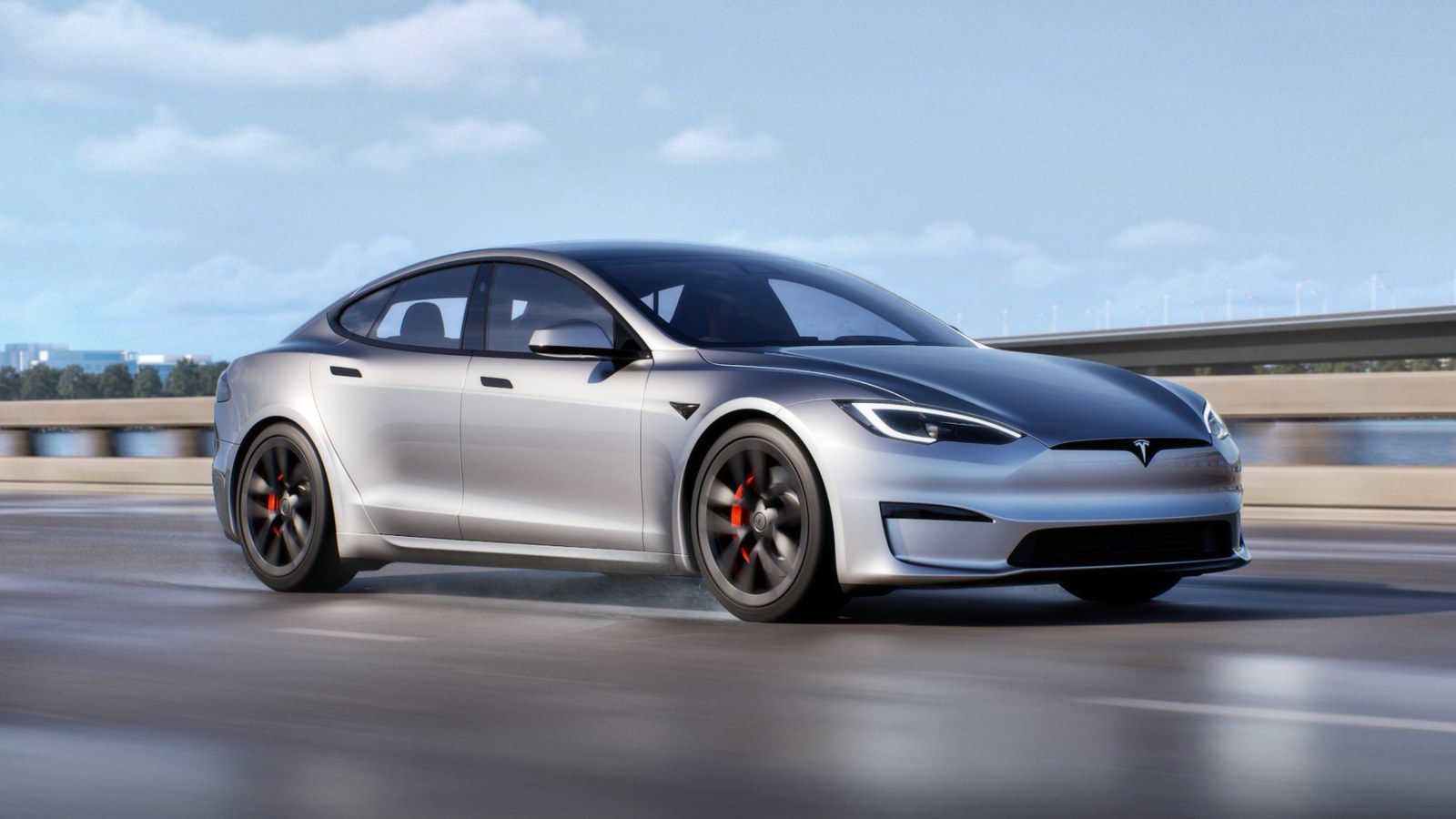
Tesla dominated the gainers. The Model S rose 22.5% and the Model X 18.0%, second and third among all used models behind the BMW X2, with the Model 3 fifth at 15.4%. iSeeCars analyst Karl Brauer credits sustained high fuel prices and a recovery from the turmoil that followed the loss of federal EV incentives a year ago.
The figures are average list prices, not transaction prices. That matters less for direction than for level, but it is worth keeping in mind before treating $579 as what anyone actually paid.
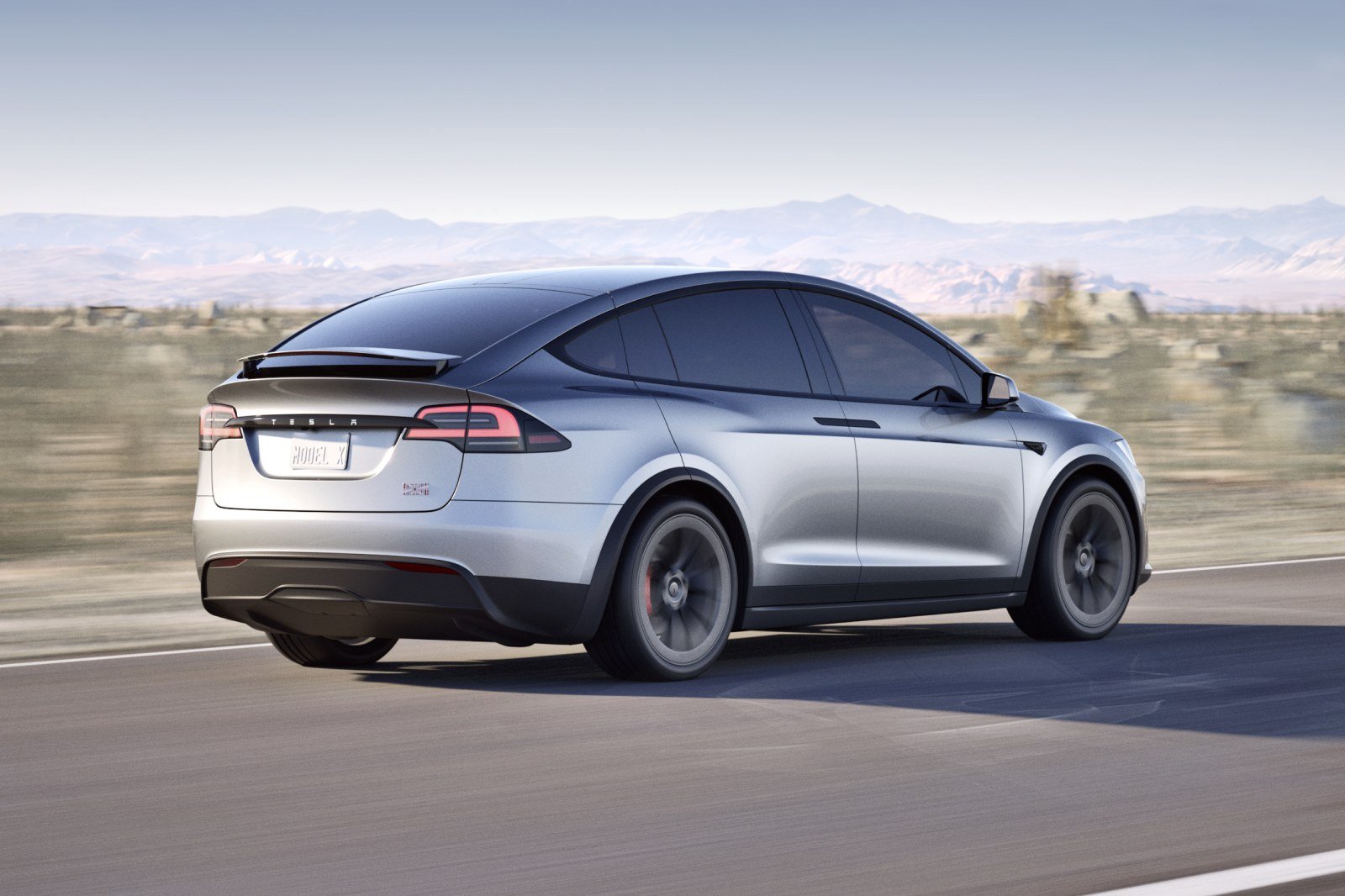
In dollars, the peak was June
The same study publishes the monthly series, and it tells a different story than the headline. The average used EV listed at $33,305 in June. It fell to $32,933 in July, $32,876 in August and $32,533 in September. That is $772 off the top, or 2.3%, in three months.
Gas cars eased too, but less: $32,245 in June to $31,954 in September, a 0.9% drop. So the EV premium over gas has been shrinking for a full quarter.
| Used EV | Used gas car | EV premium | |
|---|---|---|---|
| Sept. 2025 | $29,637 | $31,864 | −$2,227 |
| June 2026 | $33,305 | $32,245 | +$1,060 |
| July 2026 | $32,933 | $32,118 | +$815 |
| Aug. 2026 | $32,876 | $32,077 | +$799 |
| Sept. 2026 | $32,533 | $31,954 | +$579 |
What strikes me is the timing. September gas averaged $4.33 a gallon, a record for the month by 50 cents, according to AAA. If the used EV premium were simply a bet on gas, September should have been its best month. Instead, the premium was the smallest it had been all summer.
The year-over-year figure kept climbing for a different reason: last September was the cheapest month for used EVs in the 13-month series iSeeCars published. Compare anything with a trough and it looks like a boom.
October's math is already written
Here is the arithmetic I haven't seen anyone run. In October 2025, the average used EV listed at $32,134, about $2,500 above that September trough. If used EV asking prices simply hold at September's $32,533, the October year-over-year gain falls to roughly 1.2%. Used gas cars, at $31,146 last October, would show about 2.6% on the same flat assumption.
In other words, the next headline could have gas cars appreciating faster than EVs without a single listing changing price. My bet is that the "used EVs are the hot commodity" story loses its best number in the November data, and the story that replaces it will be about falling prices.
Gas is now working against the premium rather than for it. AAA puts regular at $4.17 today, down from $4.41 a month ago, though still more than a dollar above last year's $3.04. That gap still favors charging on a cost-per-mile basis, but the direction is what moves listings. Brauer himself said in July that it took about a month of sustained high prices before used shoppers swung toward EVs. If the reaction runs on a similar lag in reverse, October and November listings will feel the 24-cent drop.
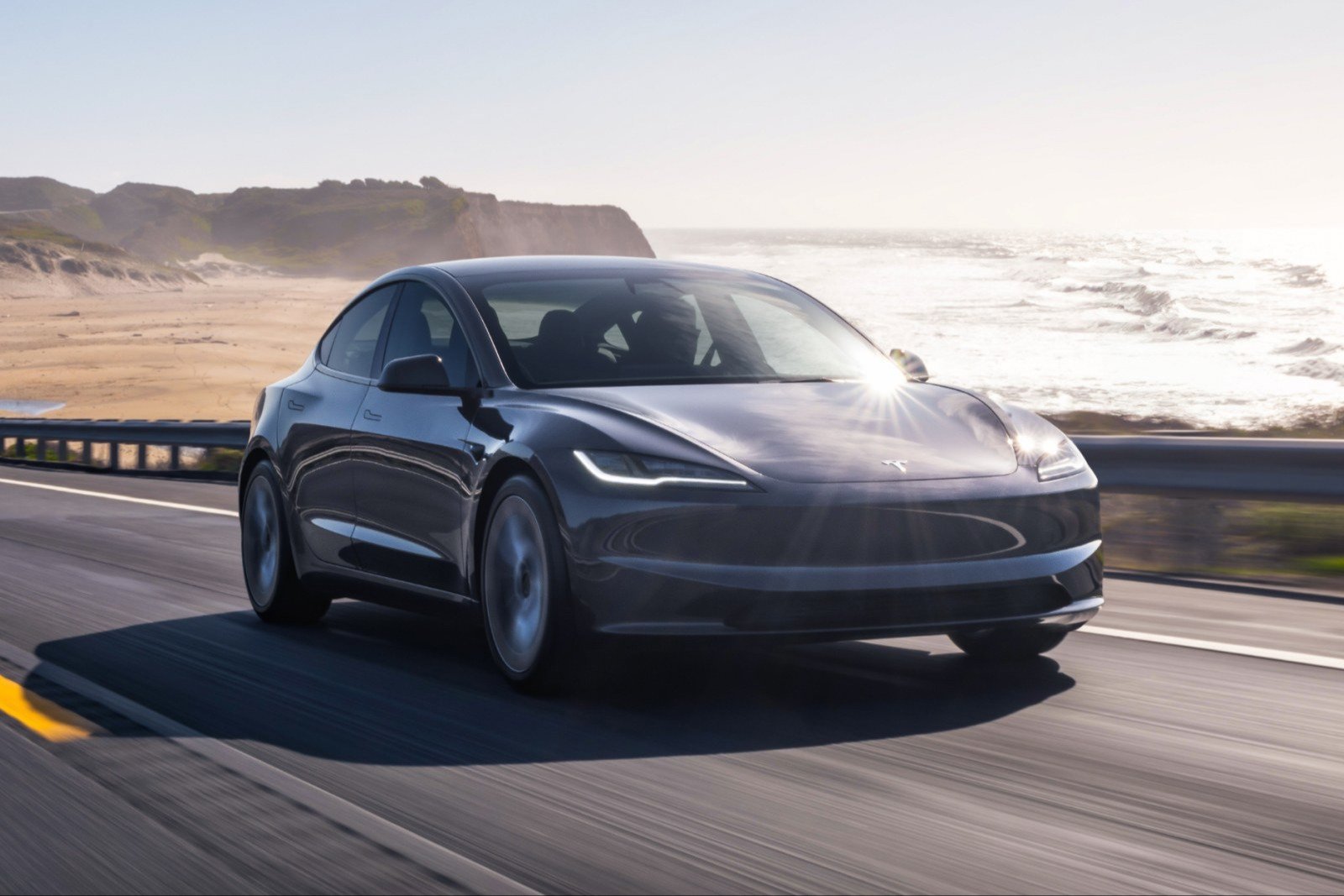
Not every used EV got the premium
The average also flatters a split market. The quickest-selling used EV, the Audi Q4 Sportback e-tron, averaged 29.8 days. The Cadillac Escalade IQ sat for 128.7 days, more than three times the EV average, with the GMC Sierra EV at 93.2 and the Chevrolet Silverado EV at 89.1. Brauer's own read is that high fuel prices cannot rescue an unpopular EV.
The way I see it, the premium belongs to a narrow group: affordable, efficient sedans and crossovers, Teslas above all. Owners of big electric trucks and luxury SUVs were never part of this rally, and they should price accordingly rather than quote the headline average.
The case against my view
The strongest objection is that demand is still rising, not fading. Cox Automotive's September EV Market Monitor estimates 47,862 used EVs sold, up 21.2% from a year earlier, while used gas sales fell 4.4%. On that reading, prices are easing because supply is growing, including off-lease cars, not because buyers are leaving. A summer peak could also be partly seasonal, since gas cars slipped over the same months.
I take that seriously, and it actually supports my practical conclusion. Whether the June-to-September slide comes from more supply or less urgency, the buyer sees the same thing: more cars, lower asks, and a seller who can no longer count on fuel panic. Rising volume at falling prices is a buyer's market forming, not a premium being locked in.
There is one long-term caveat. New EV sales fell 40.7% year over year in September, to an estimated 86,632. Fewer new EVs today means fewer three-year-old EVs later in the decade. In my view that is a 2028 or 2029 story, not one for this winter.
What would change my mind
If iSeeCars' October data, due in late November, shows the average used EV listing back above June's $33,305, or the premium over gas widening past $1,000 again, I am wrong about the peak.
If regular gas climbs back above $4.40 and stays there for a month, the summer pattern could repeat, and the premium could rebuild.
And if Cox's October monitor shows used EV sales growth stalling while asking prices still rise, that would mean scarcity, not fuel, is setting the price, and my supply argument would collapse.
My read
The used EV premium over gas cars is real, but it peaked in June and has been shrinking for three straight months, even through record September gas. The 9.8% headline owes a lot to a weak base that disappears in the October numbers. With gas now 24 cents cheaper than a month ago, I would not pay the headline price for a used EV this fall, and if I owned an in-demand one I would list it before the next data release does the negotiating for buyers.