Honda's New Takata Recall Covers 810,000 Cars — and There's No Fix Yet
Honda's Takata recall covers 810,592 cars, most of them never recalled before, on roughly the timeline its own consultant forecast in 2020. What Honda doesn't have is the replacement part.
Contents · 6 parts
Honda is recalling 810,592 Honda and Acura vehicles in the U.S., led by the 2012–2013 Civic and CR-V, to replace Takata front airbag inflators that can rupture. It doesn't have the replacement part yet.
Here's what the headlines miss: this isn't a leftover from the old Takata story. According to NHTSA's recall database, the 2012–2013 Civic and CR-V and the 2013 Accord had never been in an airbag recall before this week. And Honda's own consultant told it six years ago roughly when this day would come. I think the failure here isn't the recall. It's that owners get a warning before Honda has a fix.
Honda filed the warning before it had the cure
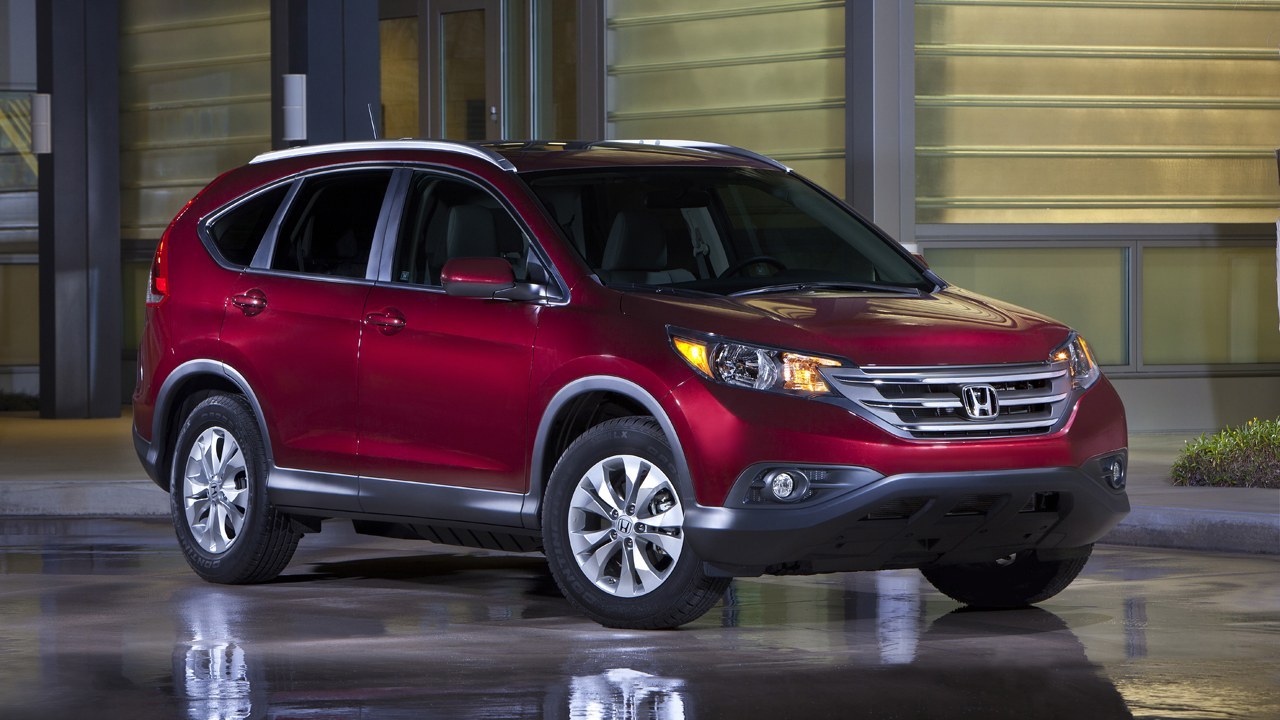
Honda filed its defect report on November 19, and NHTSA acknowledged it a day later as campaign 26V765. It covers the 2012–2013 Civic and CR-V, the 2013 Accord, and the 2013 Acura ILX and RDX, with both driver and passenger frontal inflators listed. The stated cause is the familiar one: the propellant degrades after long exposure to high humidity and big temperature swings, and a degraded inflator can rupture and throw metal fragments at the people inside.
The remedy section is where owners should slow down. Dealers will replace the inflator free of charge, but for now only interim letters go out, on December 18. More letters will follow once the final remedy is available, and NHTSA's notice gives no date for that. VINs become searchable on NHTSA.gov starting today, November 22. There is no park-it or park-outside warning.
What's missing is the Part 573 report, which would name the inflator type, any ruptures or injuries in the field, and how Honda chose these cars. As of this morning it isn't on NHTSA's document server, and Honda's newsroom has no statement on the recall.
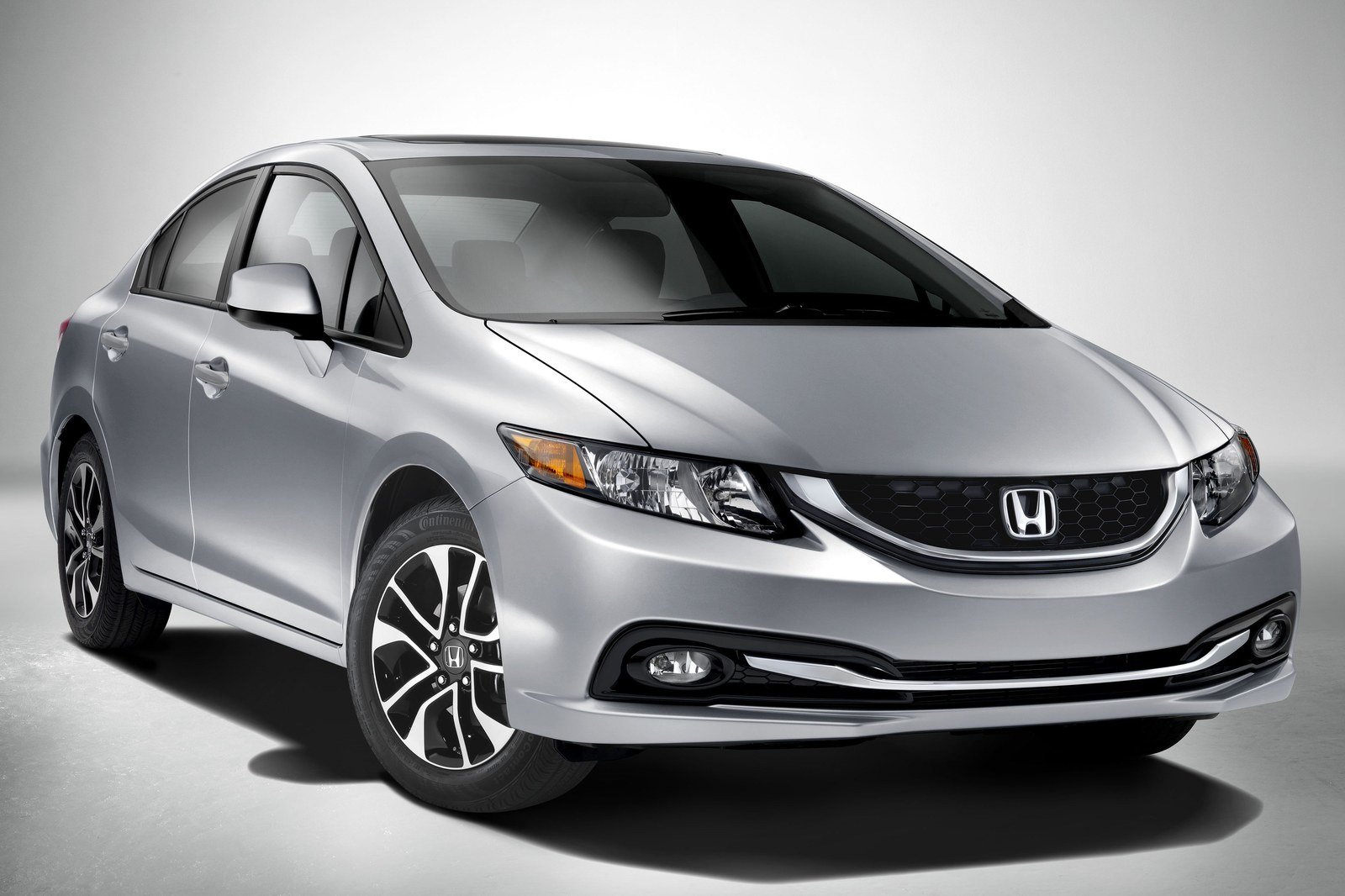
The 2019 line stopped exactly where this recall starts
In June 2019 Honda called its fifth Takata campaign the final phase. By then it had recalled or accounted for 22.6 million inflators in about 12.9 million vehicles, and it said it had enough replacement parts, all from other suppliers, to fix every affected model. The dealer bulletin for that phase targeted Takata inflators without a drying agent, known as non-desiccated.
Honda's own Takata fact sheet, current as of October 16, lists the models from those campaigns: the Accord through 2012, the Civic and CR-V through 2011. The new recall begins at the very next model year. My read is that this isn't where the paperwork ran out. It's where the chemistry changed.
In May 2020, Exponent, the engineering firm working for Honda, delivered a report, since posted by NHTSA, on desiccated Takata inflators used in certain Honda vehicles with manufacturing dates of 2011 and later. It found no measurable degradation in inflators pulled from Honda cars at the time. It also found the drying agent could saturate in as little as about two years in humid places like Florida, and its model said the first passenger-side rupture in South Florida was "not expected before the year 2027." For New York, it put that date at 2035.
I can't confirm that 26V765 covers those inflators. NHTSA's notice says only "certain Takata" inflators, and until the Part 573 is public, nobody outside Honda and the agency can say. But a population made up mostly of 2012–2013 Civics, CR-Vs and Accords that were never recalled before, a humidity-and-temperature cause, and a filing six weeks before 2027 fit that report closely enough that I'd bet on it.
| Takata recalls through 2019 | Recall 26V765, Nov. 2026 | |
|---|---|---|
| Vehicles | About 12.9 million (1.6 million in the final phase) | 810,592 |
| Newest Civic and CR-V covered | 2011 | 2013 |
| Inflator type named | Non-desiccated Takata | "Certain Takata," type not stated |
| Earlier airbag recalls on these Civic, CR-V, Accord | Yes | None in NHTSA's database |
| Replacement parts at announcement | Available, from other suppliers | Not yet; interim letters Dec. 18 |
Six years of notice, and still no part
If my bet is right, Honda has had a dated forecast since 2020. The 2019 final phase shows what being ready looks like: Honda announced it with parts in hand and told owners to book repairs immediately. This time owners get a letter that says the risk exists and the cure doesn't. I've written before about recalls filed before a remedy exists. Takata is the worst place for that habit, because a letter with nothing to book teaches owners to set the next one aside.
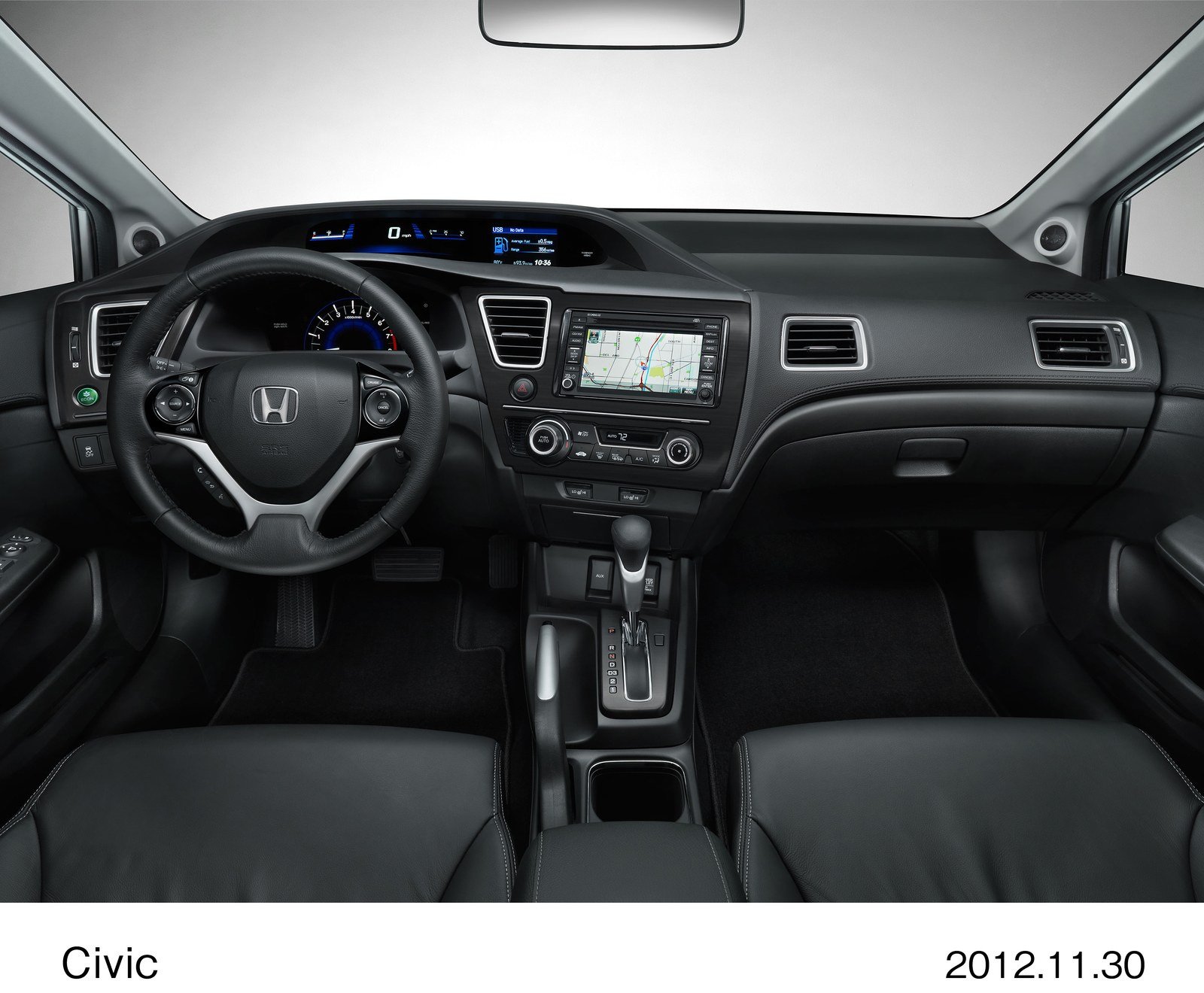
It's also the worst population for a slow fix. In 2012 alone Honda sold 317,909 Civics and 281,652 CR-Vs in the U.S., and the CR-V passed 300,000 sales in 2013. Those were among the most common new cars in America then. Now they're cheap used cars that change hands several times and lose their recall mail along the way, a problem I covered in a column on recall completion for old cars. Honda's fact sheet makes the same point with its own numbers: completion in industry recalls falls to around 33 percent by the ninth and tenth year of ownership. These cars are in years 13 and 14.
And Honda isn't alone. Last week Toyota recalled about 314,000 vehicles for Takata passenger inflators, and as I wrote then, the 2019 "final phase" wasn't final for Toyota either. Two Japanese automakers in two weeks starts to look, to me, like a second wave rather than a stray filing.
The case against my view
The strongest objection is that this is the system working. Exponent's model said no rupture before 2027 even in the worst climate, Honda is acting before that date, and nothing in the public record so far shows a field rupture forcing its hand. Validating a new inflator design for 810,000 cars across five models takes time, and a warning letter now beats silence until the parts arrive. On that reading, Honda deserves credit for moving early, not blame for moving without parts.
I agree that early notice beats late notice. But 2027 was a model's earliest expected rupture date, not a safe-until date, and Exponent built it with no field ruptures to calibrate against. Honda also learned in 2019 that a drying agent is no guarantee: it recalled about 1.1 million vehicles after a desiccated Takata replacement inflator, the PSDI-5D, ruptured in a 2004 Odyssey and injured the driver, because manufacturing errors had let moisture in. A company with that history and a dated forecast had time to have parts on the shelf. "Preventive" would describe a letter that comes with an appointment.
What would change my mind
If the Part 573 shows non-desiccated inflators or a narrow manufacturing lot like the PSDI-5D case, then my reading of the 2019 line is wrong and this is a cleanup of stragglers, not a new chemistry clock.
If replacement parts reach dealers before the December 18 letters, or Honda names a remedy date in the first quarter of 2027, the "no fix" problem shrinks to a few weeks of paperwork and I'll say so.
And if the Part 573 reports field ruptures that Honda knew about before November, the problem is worse than late parts, and the question shifts to why the filing took this long.
My read
Honda didn't miss this problem. In 2020 its own consultant put a year on it, and the recall landed close to it. What Honda missed is the part. Until it names a remedy date, the owners of 810,592 cars hold a warning they can't act on, in cars old enough that many of them will never see the second letter.