Ford's $28,350 Fathom Rides on a CATL License Treasury Hasn't Ruled On
Ford's first Marshall cells are shipping. The Fathom's $28,350 price leans on a battery credit whose rules for CATL-style licenses Treasury hasn't finished writing.
Contents · 6 parts
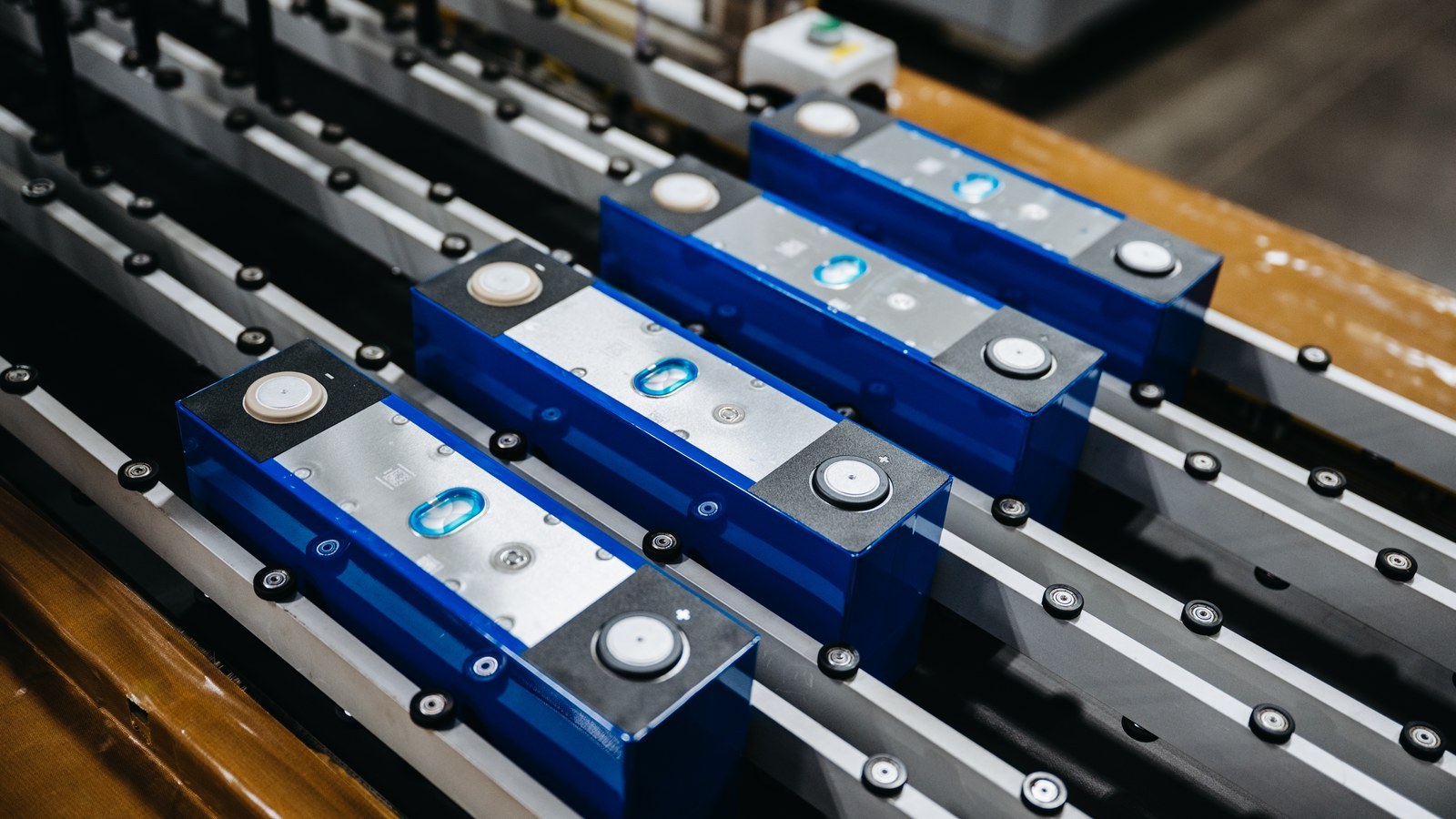
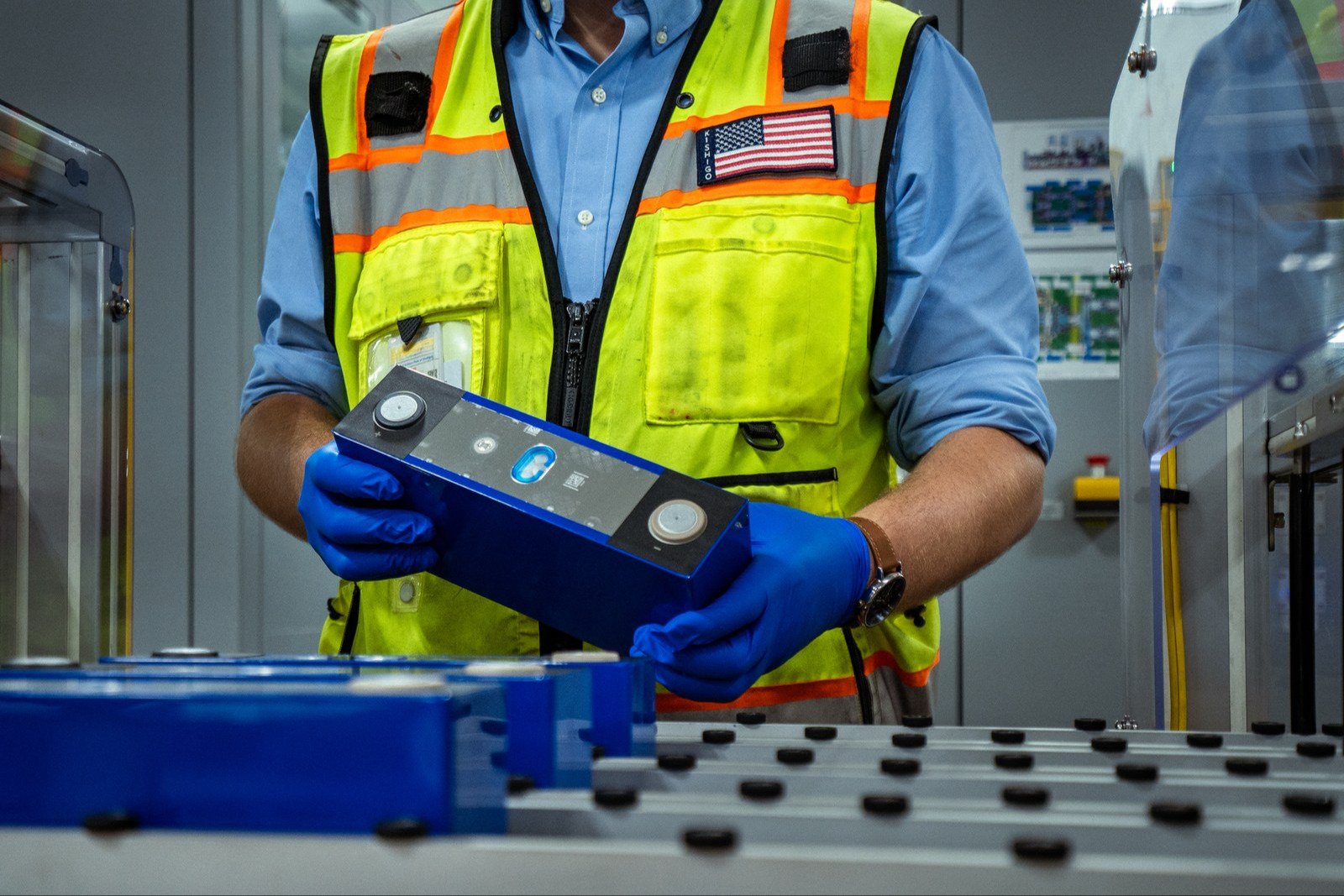
Ford shipped its first lithium-iron-phosphate battery cells out of Marshall, Michigan, on Nov. 18, bound for Fathom prototypes in Louisville. That is the battery behind a midsize electric pickup Ford has already priced from $28,350.
Here's what the headlines miss: the chemistry is the easy part. In my view, the Fathom's sticker is a bet on a tax ruling nobody has made yet — whether a 2023 licensing deal with CATL still leaves the plant eligible for the federal battery production credit Ford says it still expects to collect.
If that credit goes, the cheapest Ford EV doesn't get cheaper to build. It gets harder to sell at $28,350.
Ford is now a cell maker, and the cell is CATL's design
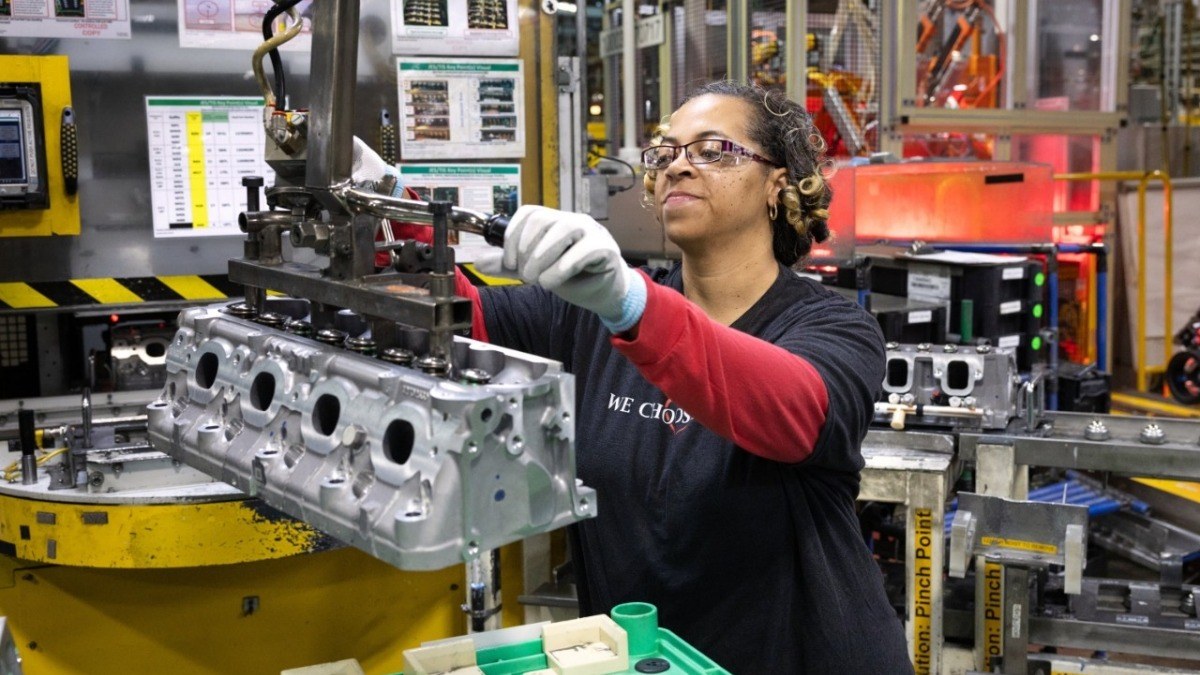
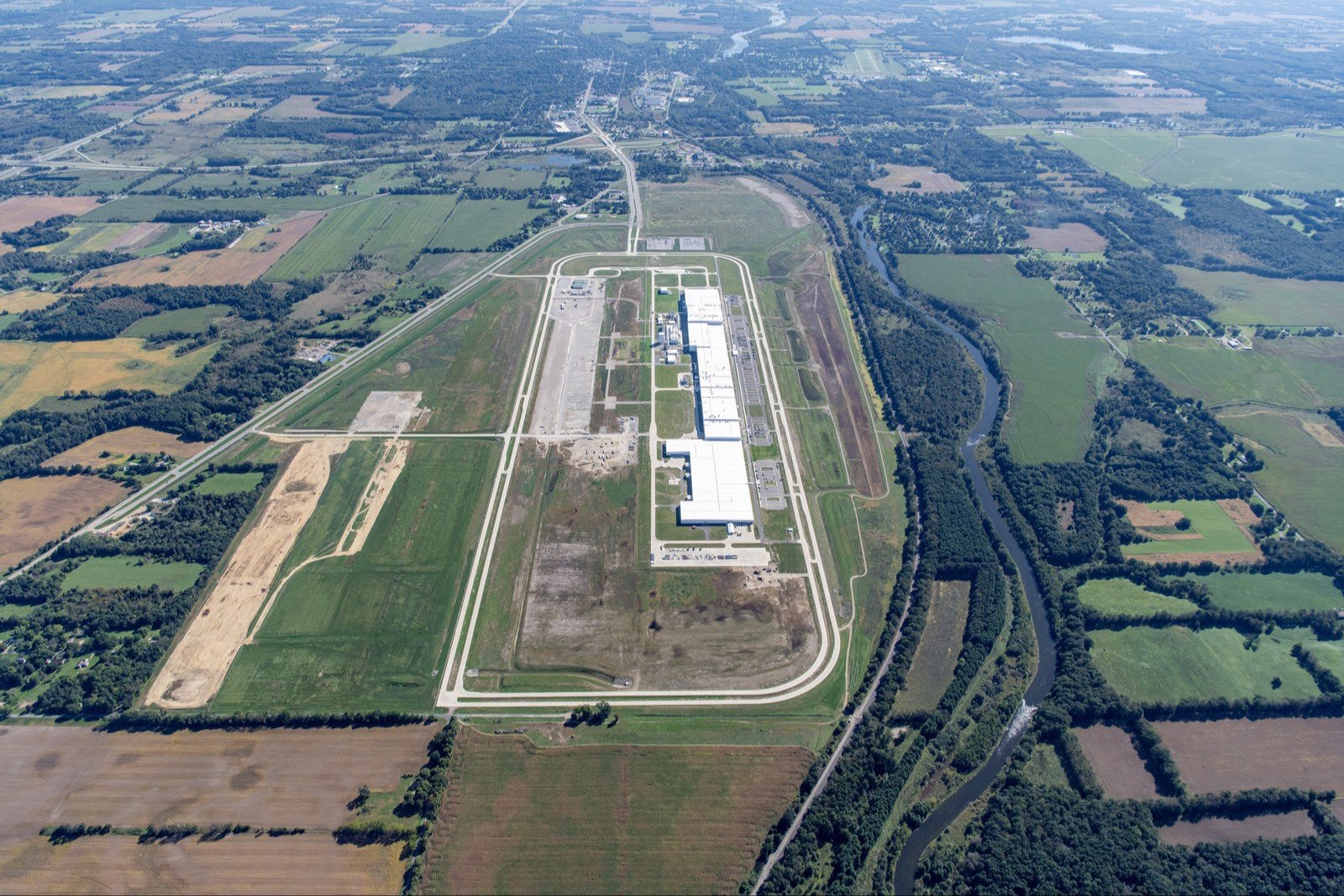
In a post on Ford's own site, hardware engineering vice president Charles Poon said the first prismatic LFP cells are coming off the line at BlueOval Battery Park Michigan and heading to Louisville Assembly Plant. Ford says the lines can make 40 cells a minute and that the Marshall pack plant will run in 2027, ahead of the truck's launch. The same know-how is being applied to energy-storage batteries in Glendale, Kentucky.
The plant belongs to a wholly owned Ford subsidiary. The chemistry, the cell design and the manufacturing process are licensed from CATL, and CATL staff help train the workforce. The Fathom starts at $28,350 plus a $1,595 destination charge, preorders open in early 2027, and Ford's CEO Jim Farley says launch remains on track for the fourth quarter of 2027. Ford still hasn't said how big the battery is or how far the truck goes, the same gap I ran into in my October column on the Fathom as home backup.
Duffy's letter is noise. The tax code makes the call
In September, Transportation Secretary Sean Duffy wrote to Farley that his department was "deeply alarmed" by the CATL license at Marshall, and the department's release noted that CATL sits on the Pentagon's list of banned companies. Ford called the letter a "wrongheaded attempt to capture headlines." Days before the letter, an Aug. 31 White House release had praised the same plant's $3 billion investment and 1,700 jobs. One administration, two messages.
What strikes me is that the Transportation Department doesn't administer the credit that matters. Treasury and the IRS do. The law signed on July 4, 2025, bars the Section 45X manufacturing credit for any "prohibited foreign entity," including a company that hands "effective control" to a Chinese-linked counterparty through a contract. IRS Notice 2026-15, issued in February, confirmed that any intellectual-property license with such a party entered into or modified on or after July 4, 2025, counts as effective control. Ford signed with CATL in February 2023, so on that test alone Marshall looks clean.
That test isn't the only one. The statute lists other license terms that also count: royalties beyond the tenth year, a required services deal longer than two years, or a license that doesn't give the licensee everything it needs to produce without further involvement from the licensor. In 2023, Ford's EV industrialization chief Lisa Drake told reporters that some CATL staff would stay at Marshall permanently because "we need their help," Bloomberg reported. Ford has never published the contract, and Treasury has not issued the detailed effective-control guidance the notice left for later.
So when a Ford spokesperson tells Reuters the company still expects to qualify, I read that as Ford's legal position, not a ruling. In January, House China committee chair John Moolenaar asked Ford whether its CATL agreements had been modified since the law passed. That is exactly the right question. Every new piece of CATL work, including the Kentucky storage business, is a chance to touch a contract whose date is currently its best defense.
What $35 a kilowatt-hour is worth to a $28,350 truck
Section 45X pays $35 for every kilowatt-hour of battery cells and $10 per kilowatt-hour of modules, at full rate for components sold through 2029, then 75%, 50% and 25% before ending after 2032. Marshall has also shrunk since the announcement.
| 2023 plan | Today | |
|---|---|---|
| Investment | $3.5 billion | About $3 billion |
| Annual capacity | About 35 GWh | About 20 GWh |
| Jobs at full build | About 2,500 | About 1,700 |
| Cell credit at full output, per year (my math) | About $1.2 billion | About $700 million |
That last line is my arithmetic: capacity times $35, assuming every cell is built, sold and qualifies. Even trimmed, it is serious money next to Ford Model e, which lost $1.06 billion in the third quarter on an EBIT margin of minus 86.5%, according to Ford's third-quarter results. Ford guides to roughly $4 billion of Model e losses this year. A full-output credit would cover about a sixth of that.
Ford itself treated the credit as part of the plant's economics. In 2025, while Congress debated killing 45X, the company warned that it offset a significant share of the factory's costs. In a truck priced to the last dollar, every 10 kWh of cells carries $350 of credit. Ford hasn't disclosed the Fathom's battery size, so I won't guess the per-truck figure. But the timing is plain: a fourth-quarter 2027 launch leaves 2028 and 2029 as the only full-rate years before the credit starts stepping down anyway.
My bet is the $28,350 base truck is the line item most exposed. Model e boss Andrew Frick has already said the range runs to the high $30,000s. If the subsidy wobbles, the cheapest trim is where Ford will save money first, with thinner allocation, a later start or a quiet price move.
The case against my view
The strongest counter is that Ford built the deal for this exact fight. Ford owns the plant, runs it and employs the workforce; CATL supplies a license and services, not equity. In 2025, after more than a month of Ford lobbying, the Senate built the credit's limits around effective control, the change that kept Marshall eligible, Bridge Michigan reported, citing Automotive News. The July 2025 cutoff reads as if it was drafted with deals like this in mind. The alternative, importing Chinese cells and paying tariffs on them, would be both costlier and more Chinese. And no agency has moved to deny the credit.
I take that seriously, and it's why I don't expect Ford to lose the credit outright. But "Ford expects to qualify" is not "Treasury agrees." The rules that decide it are still unwritten, the contract is private, and Marshall is now a political target for the Transportation Department and the House China committee at once. A price that depends on all of that is a political price.
What would change my mind
If Treasury publishes effective-control rules that plainly clear pre-July 2025 licenses with ongoing technical services, the main risk disappears and so does my argument.
If Ford's annual report, due around February 2027, shows 45X credits booked from Marshall cell sales without a reserve for uncertain tax positions, that tells me its auditors are comfortable, and I'd weigh that heavily.
And if Fathom preorders open in early 2027 at $28,350 with real allocation for the base trim, while Ford keeps the fourth-quarter 2027 launch date, I'll concede the price was never hostage.
My read
LFP makes the Fathom cheaper to build; 45X makes $28,350 easier to defend. Ford is probably right that its 2023 contract sits on the safe side of the July 2025 line, but probably right is not settled, and every new CATL project tests it again. Until Treasury writes the rule or the auditors sign off, I'd treat the Fathom's base price as a promise with a policy clause attached.