Ferrari Says Its Electric Luce Is Allocated for 2027. That Proves Less Than It Sounds
Ferrari shipped fewer cars and earned more in Q3. Calling the electric Luce sold out for 2027 means little until Ferrari says how many it plans to build.
Contents · 6 parts
Ferrari shipped 33 fewer cars in the third quarter than a year earlier and still grew operating profit 12%, to €563 million. On the same day, its CEO told analysts that the electric Luce cars it plans to sell in 2027 are already spoken for.
Here's what the headlines miss: those two facts are one story, not two. "Allocated" doesn't tell you how many people want an electric Ferrari. It tells you that Ferrari decided how many it would build, and that decision was small enough to fill. The way I see it, the Luce sellout is the oldest trick in Maranello working exactly as designed.
Ferrari's quarter: fewer cars, a bigger check per car
According to Ferrari's third-quarter results filed with the SEC on November 3, the company delivered 3,368 cars, down from 3,401. Revenue still rose 7% to €1.896 billion, or 10% at constant currency. Net profit climbed 13% to €431 million from €382 million, and Ferrari raised its 2026 guidance again, to about €7.65 billion in revenue and at least €2.285 billion in adjusted operating profit.
The release credits a richer model mix and more personalization, and it says part of the upgrade comes from personalizations running stronger than planned. CEO Benedetto Vigna added that the order book now stretches into 2028. Over nine months, shipments are down 318 units, with the Americas off 193 and mainland China, Hong Kong and Taiwan off 176.
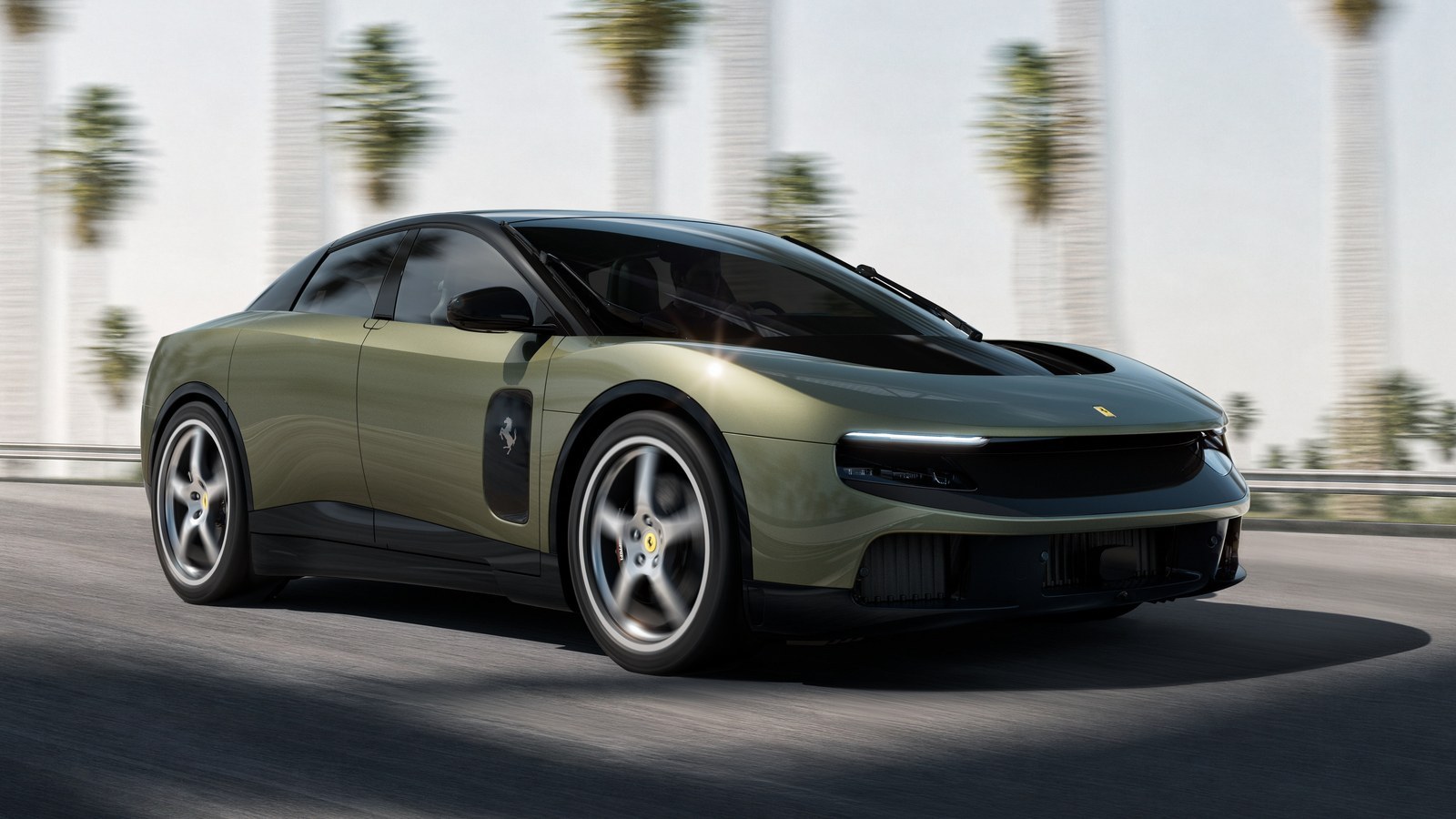
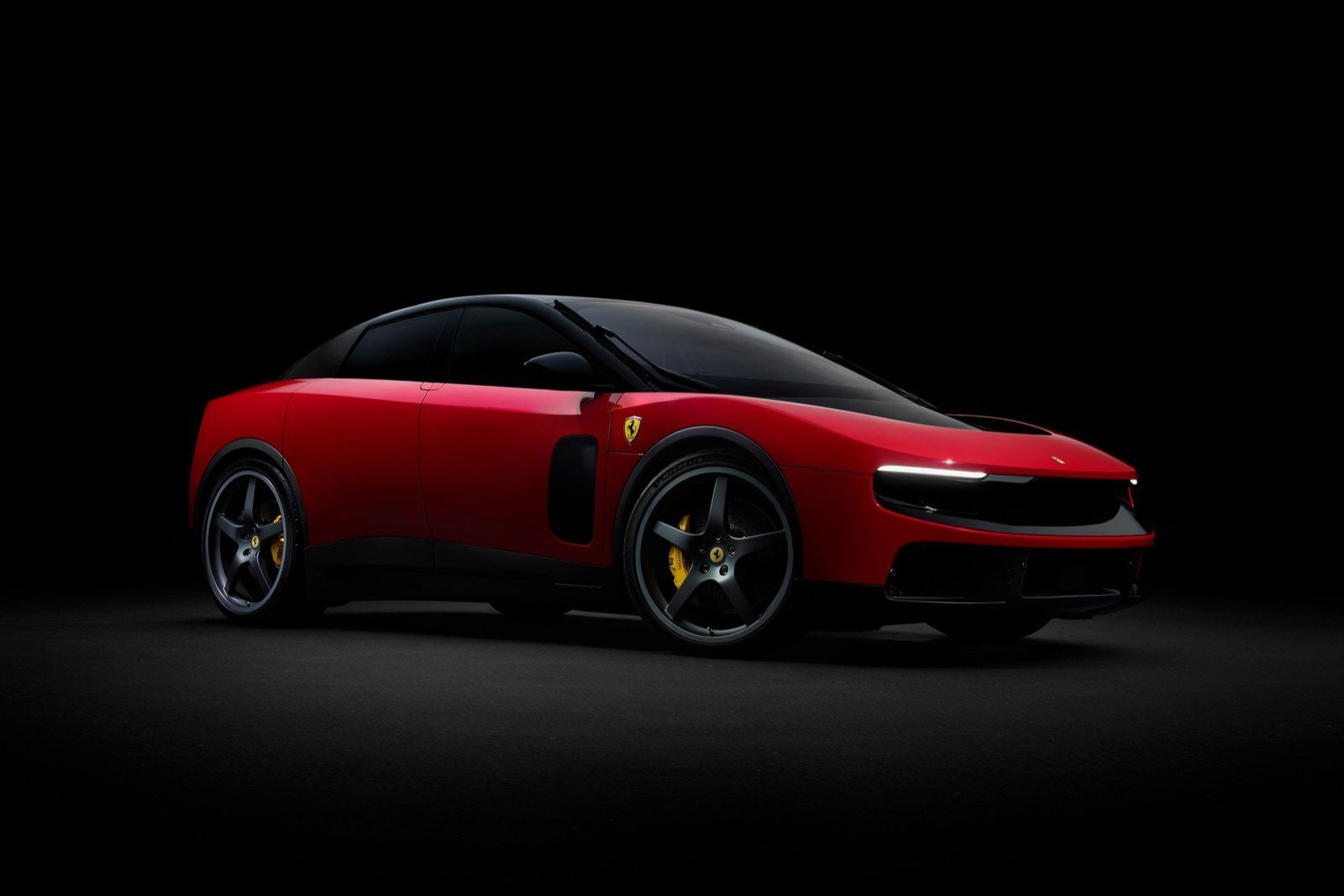
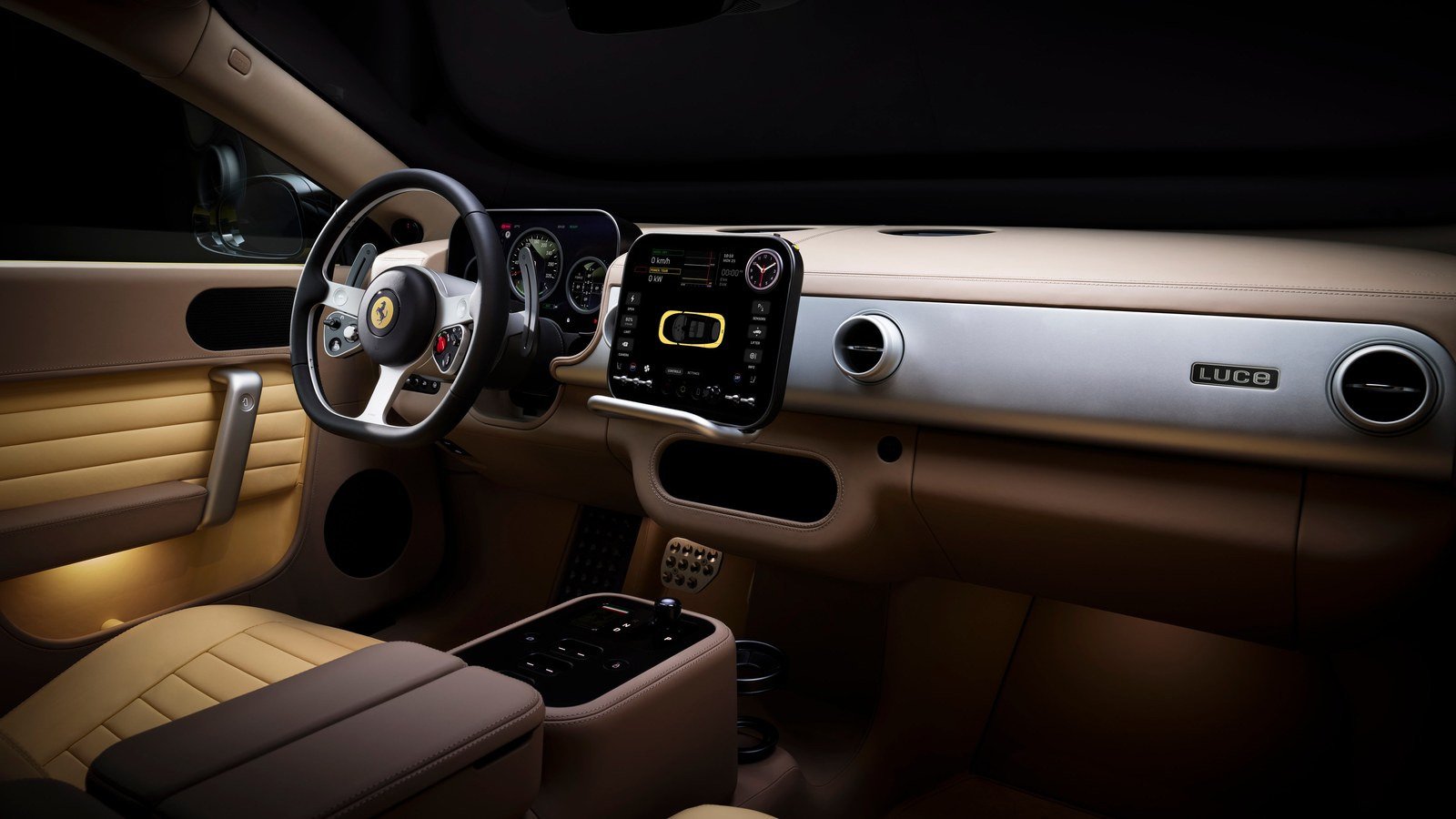
On the earnings call, Vigna addressed the Luce directly. As InsideEVs reported, he said: "The Luce that we plan to sell next year basically are all allocated." New orders face roughly a one-year wait. Ferrari did not say how many cars that plan covers, or where the buyers are.
The number that matters is the one Ferrari didn't give
"Sold out" is a ratio. Demand on top, supply on the bottom. Ferrari published the top half as an adjective and kept the bottom half to itself.
That matters because Ferrari controls the denominator more tightly than any automaker I can think of. A company that shipped 10,170 cars in nine months, and calls its approach a controlled volume and growth strategy in its own risk disclosures, can make any launch "allocated" by building fewer of it. If the 2027 Luce plan is a few hundred cars, being sold out says one thing. If it is a few thousand, it says something very different. We don't know which, and neither does anyone writing that the electric Ferrari has been vindicated.
The third quarter shows the mechanism in plain numbers. My own math from the release: revenue from cars and spare parts came to €1.586 billion, or roughly €471,000 per car shipped, up from about €435,000 a year ago. Fewer cars, more money per car, a wider margin. That is the business model, and the Luce slots straight into it.
| Q3 2025 | Q3 2026 | |
|---|---|---|
| Cars shipped | 3,401 | 3,368 |
| Net revenue | €1.766 billion | €1.896 billion |
| Operating profit (EBIT) | €503 million | €563 million |
| EBIT margin | 28.4% | 29.7% |
| Cars and parts revenue per car shipped | ~€435,000 | ~€471,000 |
| Shipments to China, HK and Taiwan | 248 | 143 |
Where the cars actually went missing
One detail cuts against the easy reading. In the third quarter alone, shipments to the Americas were flat, 1,050 versus 1,045. Almost the entire quarterly decline came from greater China, down 105 cars, a market Ferrari's release does not explain. The nine-month drop in the Americas happened earlier in the year.
So this is not a picture of American buyers walking away. It is a picture of a company managing a model changeover, pulling back where demand is soft and charging more everywhere else. The release lists the moving parts: Roma Spider, 296 GTS and SF90 XX phasing out, the 849 Testarossa ramping up. Volume is a dial Ferrari turns, not a verdict it receives.
That is why the Luce headline needs context. Starting at $560,800 in the US, the car sits far above the V12 Purosangue, as we argued when the US price landed. At that price, and in volumes Ferrari chooses, "allocated" is a statement about Ferrari's supply discipline first and about electric demand second.
The case against my view
The strongest objection is that I'm underselling what allocation means at Ferrari. It is not a waitlist or a newsletter signup. It is a specific car assigned to a specific client whom Ferrari has chosen to sell to. When the Luce was revealed, critics savaged the design and asked whether it looked like a Ferrari at all. The people who sign contracts apparently disagreed, and Vigna said buyer views improved once they saw and drove the car. A year-long wait for new orders also suggests demand above whatever the plan is.
The contrast with Lamborghini makes the point sharper. In February, CEO Stephan Winkelmann told The Sunday Times that interest in a pure electric Lamborghini was close to zero, and the electric Lanzador was dropped, InsideEVs reported. Ferrari went ahead and filled its first year. That is not nothing.
I accept most of this. Ferrari's allocations are real money from real people, and the online backlash did not predict their behavior. Where I part ways is the leap from there to the industry. In my view, a Ferrari allocation is a test of the badge and of Ferrari's client relationships, not of the powertrain. People who want to stay on the list for the next limited model have their own reasons to say yes to the current one. Until Ferrari publishes a number, "sold out" proves the brand can fill a quota it set for itself.
What would change my mind
If Ferrari discloses a Luce production target for 2027 at its full-year results, due in early 2027, and that target is a meaningful share of annual volume, say well over a tenth, I will concede the electric Ferrari found real scale and not just a carefully sized niche.
I would also take it seriously if Ferrari added Luce capacity during 2027 rather than simply stretching the wait. Building more is what a company does when demand outruns a plan it believes in. Lengthening the queue is what it does when scarcity is the point.
Finally, watch the resale market once deliveries start. If early Luce cars change hands well above sticker in the US, demand runs deeper than Ferrari's own client list. If they trade at or below sticker, the allocation was the ceiling, not the floor.
My read
Ferrari sold fewer cars this quarter and made more money, and the Luce announcement is the same strategy wearing a new powertrain. An electric Ferrari that fills its first year is good news for Ferrari's margins. It is not yet evidence that wealthy buyers want electric cars, and I would stop treating it as one until Ferrari tells us how many cars "all" means.