Every Land Cruiser Hybrid Toyota Sold Is Recalled, and Owners Saw It Coming
The fix for 105,794 Land Cruisers is a clamp. The worrying part is that owners reported the failure in January and NHTSA's defect office shaped the recall.
Contents · 6 parts
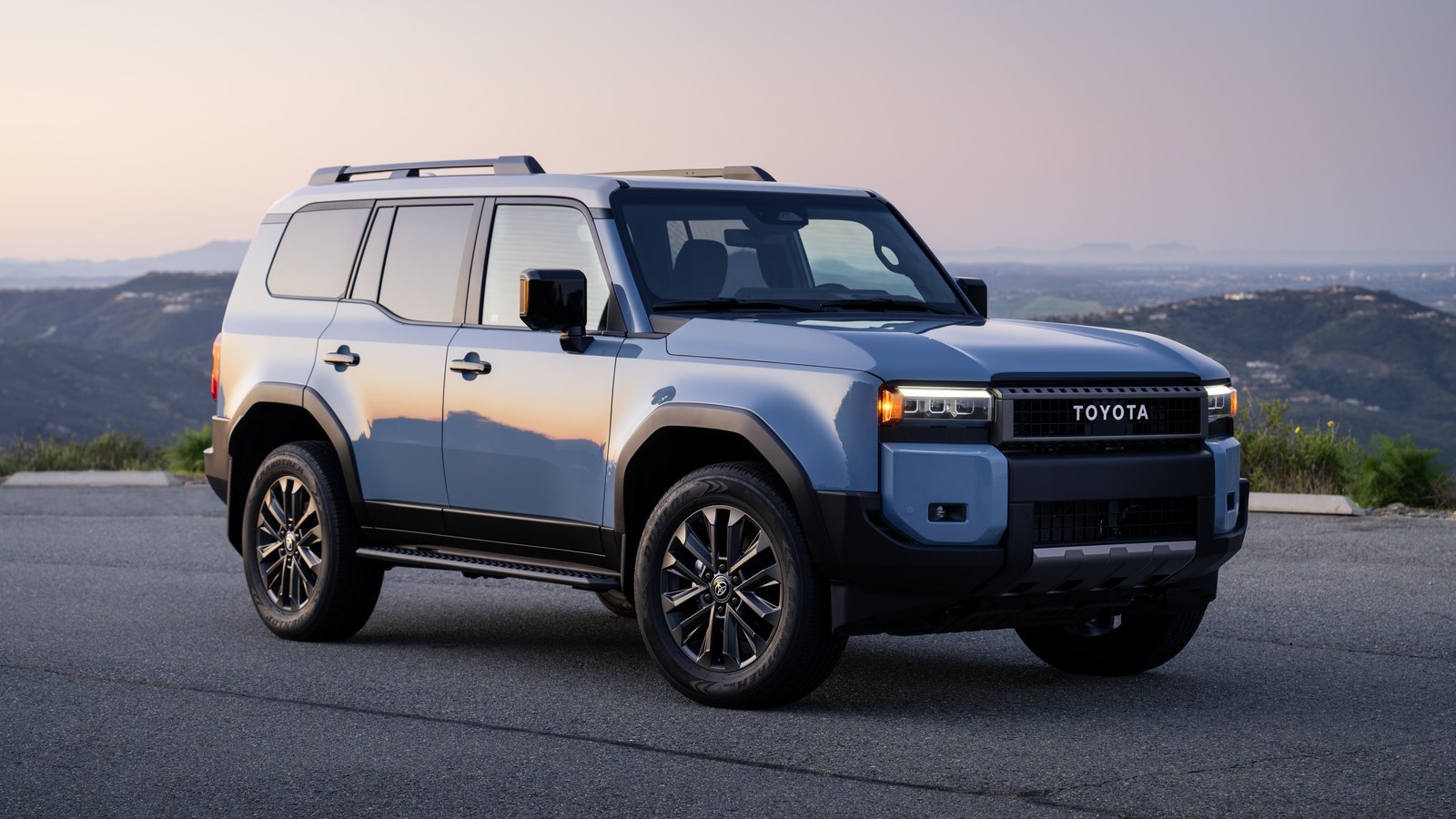
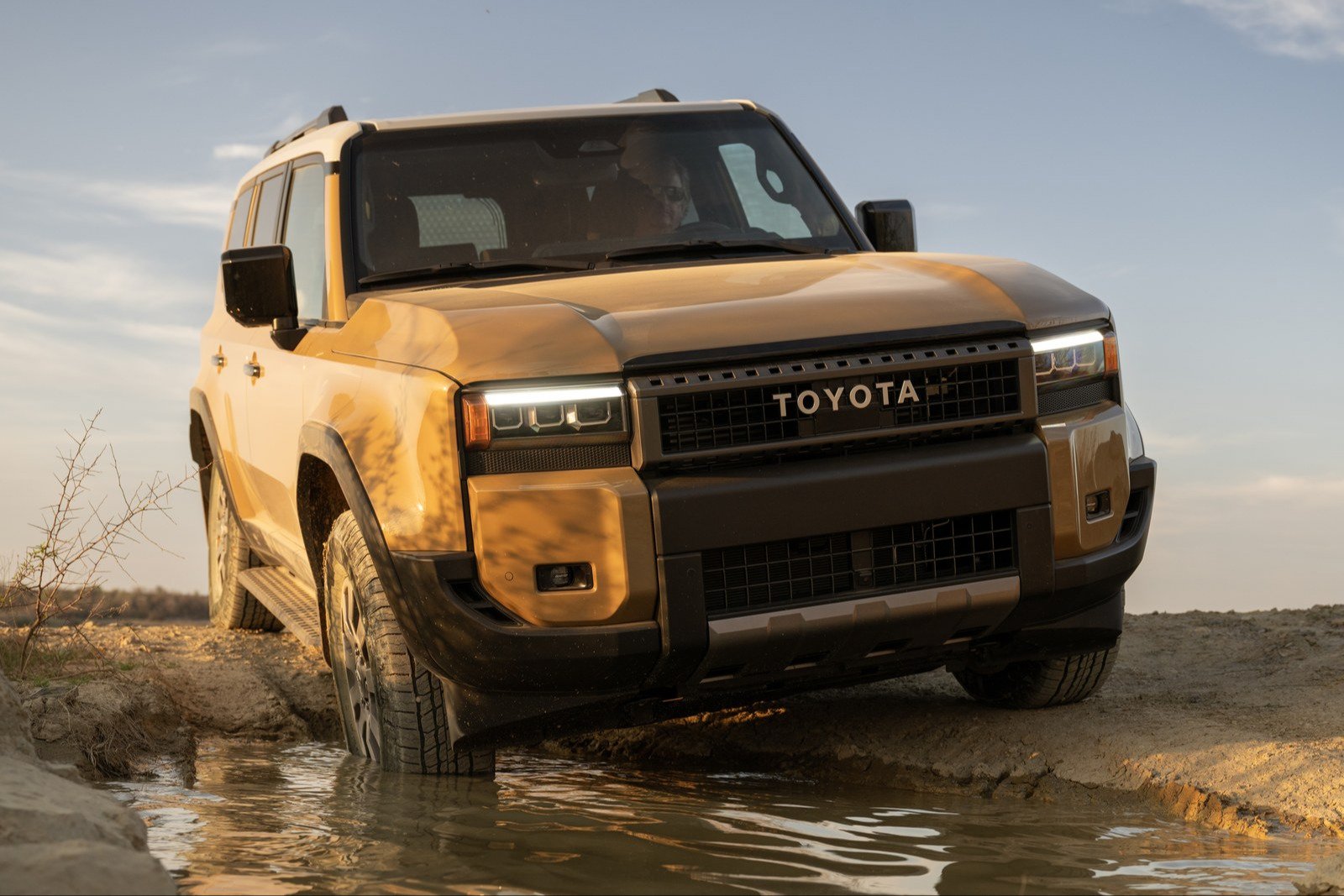
Toyota is recalling 105,794 Land Cruiser Hybrids from the 2024 through 2027 model years because a fuel tube connection near the tank can come apart and leak gasoline. That is more Land Cruisers than Toyota had sold in the U.S. through July of this year.
Here's what the headlines miss: the size of this recall is the least interesting thing about it. The fix is a clamp. What I can't get past is the paper trail. Owners were describing this exact failure to NHTSA in January, at least two of them say dealers charged them for it, and NHTSA's own recall data codes this campaign as influenced by its defect investigators rather than initiated by Toyota alone.
A Land Cruiser is supposed to be the Toyota you never have to think about. In my view, the part that should worry buyers is not the plastic tube. It's how long the tube stayed somebody else's problem.
A resin fuel tube, a missing clip, and a clamp as the cure
According to the NHTSA record for campaign 26V673, Toyota filed the defect report on Oct. 14, 2026. The connection between fuel tubes near the tank may disconnect and leak, and a leak near an ignition source raises the risk of fire. Dealers will inspect the joint and add a supplemental clamp, or replace the resin fuel tube and add the clamp, at no charge. Owner letters are due Nov. 29. Toyota's internal codes are 26TB23 and 26TA23.
NHTSA's recall database lists the parts by Toyota number, including the "Tube Sub-Assy, Fuel Tank Main" (77209-60820), and gives a production window from Nov. 29, 2023, to Oct. 1, 2026. That window spans the current Land Cruiser's entire U.S. run so far. Toyota did not ask owners to park outside, and the filing does not tell anyone to stop driving.
Toyota Canada's version of the notice adds 6,721 trucks there and one detail the U.S. summary leaves out: fuel can keep leaking until the engine in the hybrid system shuts off. That matters. In a hybrid, a stumbling gas engine does not necessarily strand you, so a driver can keep moving while fuel drains onto the road.
Owners described this failure months before Toyota filed
NHTSA's public complaint file for the 2024 Land Cruiser Hybrid has a report filed on Jan. 23, 2026. The owner says the engine stumbled right after the truck hit standing water on a highway, the cabin filled with the smell of gasoline, and the range dropped fast. Afterward, the owner found the fuel line hanging free and the clip that joins the tank and chassis lines missing. The dealer, by the owner's account, called it impact damage, refused warranty coverage, and first quoted about $3,500 because the repair meant dropping driveline parts to reach the line.
A July complaint describes the same clip letting go with the engine running, and that owner says the dealer charged to reconnect it. In September, the owner of a 2026 model reported that bystanders flagged fuel spraying from under the truck at about 8,000 miles. Two of the three describe water or puddles before the failure. None of the complaints on file for these model years reports a fire or a crash.
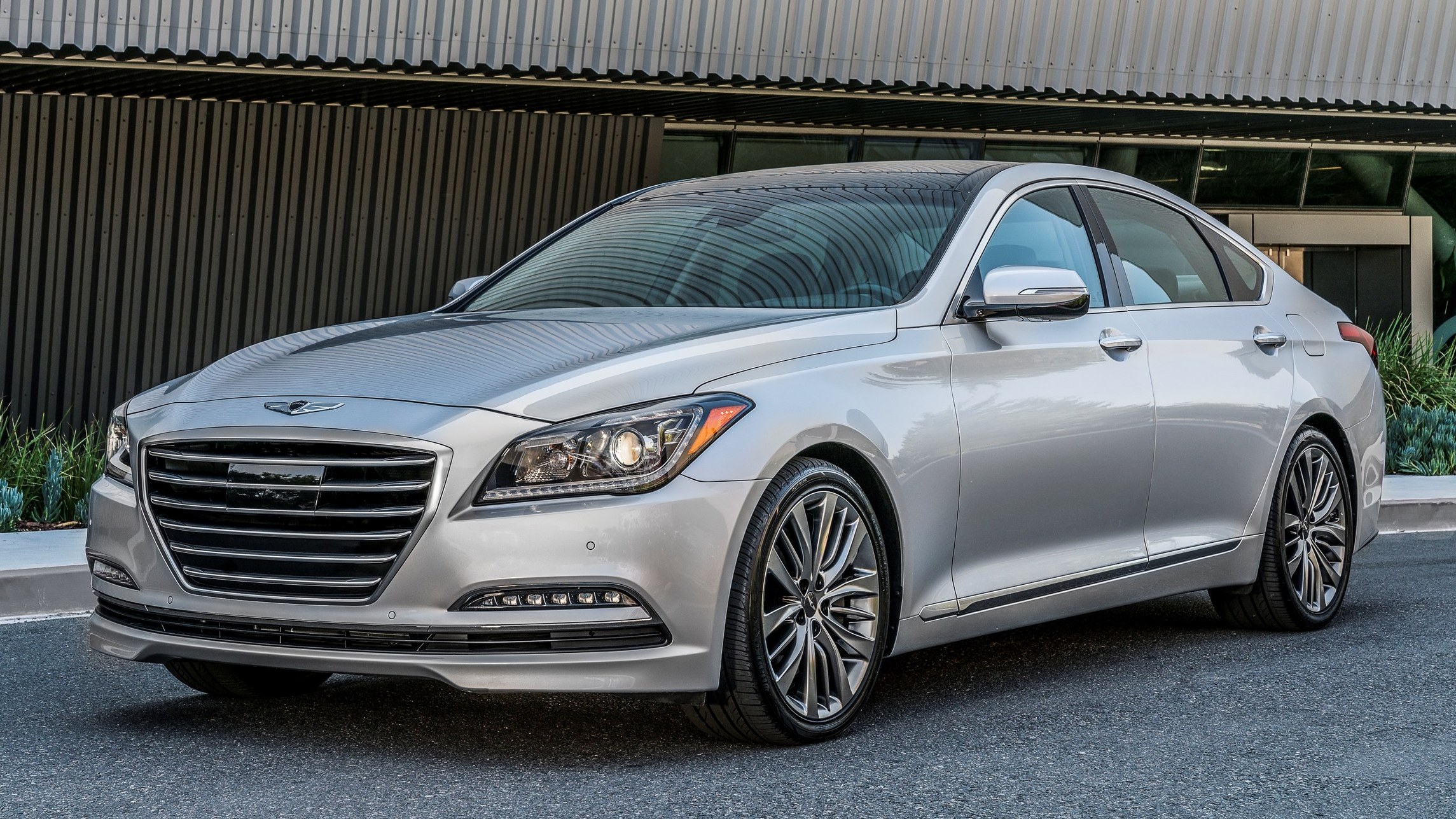
Then there is the code. NHTSA's downloadable recall file has a field for who drove each campaign. For 26V673 it reads ODI, the agency's Office of Defects Investigation. I checked all 23 recalls Toyota's U.S. engineering arm has filed in 2026, covering about 2.1 million vehicles. This is the only one with that tag. NHTSA's investigations file shows no formal probe into the current Land Cruiser, so I read it as agency pressure short of a public case, not as an order. We have covered slow recalls before, in the Genesis G80 seat fire timeline and Ford's 20-month speedometer recall. The pattern is familiar. The brand is not.
The recall is bigger than the U.S. sales count
Toyota's own year-end reports put Land Cruiser sales at 29,113 in 2024, the year it returned, and 43,946 in 2025. CarBuzz, using Toyota's monthly figures, counted 19,530 more through July 2026, down about 35% from a year earlier. Line those numbers up against the recall and the scope is plain.
| Land Cruiser, U.S. | |
|---|---|
| 2024 sales | 29,113 |
| 2025 sales | 43,946 |
| 2026 sales, January–July | 19,530 |
| Total sold through July 2026 | 92,589 |
| Vehicles in recall 26V673 | 105,794 |
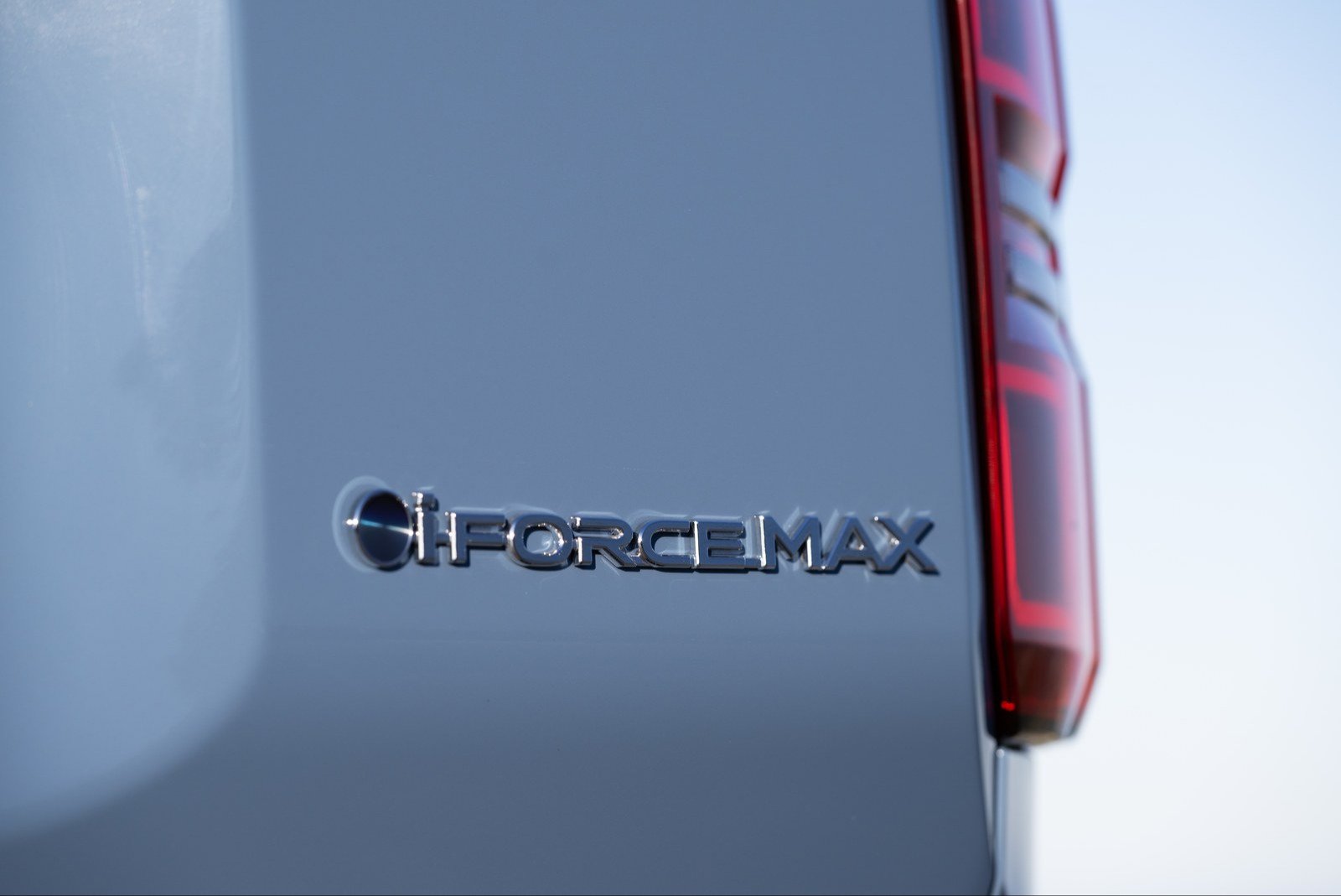
The gap of roughly 13,000 is August-to-October deliveries plus trucks still on dealer lots, including early 2027 models. Every Land Cruiser on an American road is in this recall. Toyota's U.S. lineup only offers the truck with the i-FORCE MAX hybrid, which is why the NHTSA entry is labeled Land Cruiser Hybrid.
This is not the first time a resin fuel tube on a new Toyota truck needed help. In 2023, Toyota recalled 168,179 Tundra and Tundra Hybrid pickups, campaign 23V566, because a plastic fuel tube could chafe against brake lines. It is a different failure, but the remedy rhymed: protective material and a clamp. Owner letters for that one went out on Nov. 6, 2024, more than a year after the filing.
The case against my view
The strongest argument is that I'm reading too much into a cheap part. A missing clip is about as minor as fuel-system defects get. Three complaints in a fleet of more than 90,000 trucks is a tiny rate. No fires are on record. Toyota did not order owners to park outside, and it caught the problem with the fleet still young. Recalling every truck may simply reflect that the same tube went into all of them, which says more about how cars are built today than about bad design. On that reading, this is a responsible recall, and the ODI tag reflects routine contact between an automaker and its regulator.
Some of that is right. The defect is cheap, and the fix is easy. But the complaints matter for what they say about process, not frequency. Owners described the failure mode, the trigger, and the dealer response in plain language by January. A brand that sells reliability as its main feature should be the one finding that pattern in its own warranty and dealer data, and the public record does not show that happening first.
What would change my mind
NHTSA usually posts the full Part 573 report with a chronology. If that document shows Toyota opened its own investigation before the January complaint, or before any contact from ODI, I will concede that the ODI tag overstates the agency's role.
If Toyota reimburses the owners who paid for this repair, without arguments about impact damage, that would show the company treating the early failures as its own. And if fire reports emerge in the Part 573 or new complaints before letters land on Nov. 29, the story stops being about process and becomes about a slow response to a real hazard.
For owners in the meantime: check your VIN on NHTSA's site, stop and call for a tow if you smell gasoline or see fuel under the truck, and keep any receipt for earlier work on this line.
My read
The Land Cruiser's reputation will survive a clamp. What it may not survive is a habit of letting owners and regulators find problems first. Toyota earned its premium by being the company that fixed things before anyone had to ask. On this recall, the record says someone had to ask.